

 Podgląd w skali 1:1
 Wyślij jako kartkę
 Udostępnij
 Szczegóły dzieła
 Przewodnik

 Pobierz obraz
 Podobne obiekty
 RTG
RTG Pokaz slajdów
 Pytania i odpowiedzi
 Statystyki
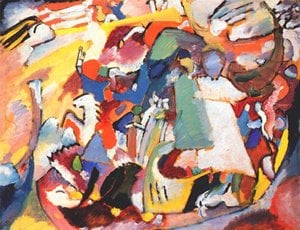
Bird's hell


 Rozwiń treść
Otrzymaj plik gotowy do druku, którego jakość znacznie przewyższa podgląd internetowy. Każdy sprzedawany przez nas obraz cyfrowy pochodzi z wysokorozdzielczego pliku wzorcowego w naszej bazie — zazwyczaj o szerokości od 5 000 do 15 000 pikseli — dzięki czemu możesz drukować w dużym formacie, mocno kadrować lub z pełnym przekonaniem odwzorowywać najdrobniejsze detale.
Żaden plik nie opuszcza naszego studia bez odpowiedniej obróbki. Ekspert ds. cyfrowej edycji sprawdza zgodność kolorów z oryginałem i w razie potrzeby je koryguje, a następnie za pomocą profesjonalnych narzędzi do retuszu poprawia ostrość oraz szczegółowość — zawsze zachowując wierność pociągnięciom pędzla i stylowi artysty. Rezultatem jest obraz, który wygląda jak prawdziwe dzieło, a nie jak przefiltrowany skan.
Zatwierdzasz przed finalizacją zamówienia: nasz ekspert prześle obraz drogą mailową w ciągu 72 godzin do Twojego wglądu. Nie jesteś zadowolony? Poproś o poprawki lub korektę, bądź o zwrot kosztów, jeśli jakość nie spełnia oczekiwań.
To jakość, na której polegają wydawcy, studia projektowe, galerie oraz drukarnie.
Obraz cyfrowy
Pobierz plik o wysokiej rozdzielczości do osobistego użytku, druku oraz projektów kreatywnych. ( Przełącz na wydania drukowane Zamów ręcznie malowaną reprodukcję)
W każdym zamówieniu na obraz cyfrowy znajduje się
Profesjonalna dostawa cyfrowa z gwarancją
Wybierając ArtsDot.com, nie otrzymujesz jedynie obrazu – otrzymujesz profesjonalnie udoskonalone cyfrowe dzieło sztuki, stworzone z najwyższą precyzją i objęte gwarancją satysfakcji. Oto wszystko, co automatycznie dołączane jest do Twojego zamówienia:

Błyskawiczna wysyłka e-mailowa
Plik z obrazem cyfrowym w wysokiej rozdzielczości zostanie przesłany na Twój adres e-mail w ciągu 72 godzin od złożenia zamówienia – gotowy do natychmiastowego użycia.

Plik cyfrowy wzbogacony przez AI
Twoja grafika została profesjonalnie zoptymalizowana przy użyciu zaawansowanych narzędzi AI oraz ręcznej edycji, co zapewnia maksymalną szczegółowość, klarowność i wierność kolorów.

Darmowe ponowne przesyłki dożywotnio
Przypadkowo usunąłeś lub zgubiłeś swój plik? Bez obaw – prześlemy go Tobie ponownie w dowolnym momencie, bez żadnych opłat.

Bez opłat importowych – zawsze
Ciesz się swoją sztuką natychmiast, bez żadnych opłat celnych, należności ani kosztów dostawy – pliki cyfrowe są zawsze wolne od podatku.

Gwarancja wierności kolorów
Dzięki zastosowaniu profesjonalnych narzędzi i procesów zarządzania barwą zapewniamy, że Twoje cyfrowe zdjęcie odzwierciedla oryginalne kolory tak wiernie, jak to tylko możliwe.

Gwarancja satysfakcji przez 100 dni
Jeśli nie będziesz zadowolony ze swojego cyfrowego obrazu, dokonamy jego poprawki lub zwrócimy 100% kosztów w ciągu 100 dni – bez zbędnych pytań.

100% Gwarancja zwrotu pieniędzy
Nie jesteś zadowolony? Otrzymaj pełny zwrot kosztów w ciągu 100 dni od otrzymania pliku cyfrowego – bez zbędnych pytań.

Rabaty przy zamówieniach hurtowych
Kup 3 obrazy, oszczędź 10% - Kup 5, oszczędź 15% - Kup 10+, oszczędź 20%. Idealne do projektów kreatywnych, galerii i agencji.
A Symphony of Chaos: Exploring Max Beckmann's "Bird's Hell"
To stand before Max Beckmann’s Bird's Hell is not merely to observe a painting; it is to be enveloped by an atmosphere—a vibrant, unsettling confluence of human drama and avian frenzy. This masterpiece from 1938 captures a moment suspended in time, yet vibrating with palpable energy. The scene unfolds within what appears to be an over-furnished, almost claustrophobic interior space. It is a tableau vivant of disarray, where the mundane objects of daily life—bowls, cups, bottles, and vases—seem to have accumulated until they form part of the very psychological landscape.
The sheer density of figures is breathtaking. Dozens of people are interwoven into the composition, some engaged in quiet contemplation, others caught mid-gesture, creating a sense of collective, yet individualized, turmoil. This teeming humanity, coupled with the riotous presence of numerous birds fluttering and perching everywhere, transforms the room into something mythic and deeply unsettling. It speaks to an overstimulation, a sensory overload that mirrors the anxieties of the era in which it was conceived.
Style, Technique, and Beckmann's Vision
Beckmann’s technique here is masterful in its ability to convey both meticulous detail and utter chaos. While his early work might have leaned toward academic precision, Bird's Hell showcases a mature style that channels the distorted energy of modernism. His influences—from the stained-glass narratives of medieval art to the emotional depth of Van Gogh—are visible in how he renders light and shadow across the cluttered surfaces. The application of paint is rich, giving weight to every discarded object while allowing the movement of the birds to suggest an almost ephemeral quality.
The composition itself is a masterclass in controlled pandemonium. Nothing feels accidental; every scattered item, every entangled limb, contributes to a narrative tension that pulls the viewer deeper into its depths. For those considering bringing this powerful aesthetic home through a reproduction, understanding this balance between meticulous rendering and emotional abandon is key—it promises drama without sacrificing artistic integrity.
Symbolism of Disorder and Humanity
The symbolism within Bird's Hell is notoriously rich and open to interpretation, which only enhances its enduring power. The birds, often symbols of the spirit or freedom, here seem almost predatory in their numbers, adding a layer of wildness to the human predicament. Coupled with the sheer accumulation of domestic clutter—the bowls, the cups—the painting suggests a critique of modern existence itself: a life so saturated with material possessions and social interaction that it verges on collapse. It is a meditation on excess, on the beautiful burden of too much being.
The sense of disorder does not equate to meaninglessness; rather, Beckmann elevates this chaos into a profound commentary on the human condition—a place where individual souls struggle against overwhelming societal pressures and sensory input. It invites us to pause our own hurried lives and examine what we are accumulating, both materially and emotionally.
Emotional Resonance for the Modern Collector
For the art lover or interior designer seeking a piece with undeniable narrative weight, Bird's Hell offers an unparalleled emotional anchor. It is not a painting meant to soothe; it is one designed to provoke thought, conversation, and deep introspection. Reproducing this work allows one to harness its dramatic energy within a contemporary setting. Imagine the visual impact of such a complex, emotionally charged piece anchoring a room—it becomes the focal point around which all other design elements must orbit.
Owning or displaying a reproduction of Bird's Hell is an embrace of complexity. It suggests that beauty can be found not just in serene perfection, but within the vibrant, messy, and utterly compelling reality of shared human experience.
Pytania i odpowiedzi
Gdzie mogę kupić cyfrową wersję dzieła „Bird's hell” – Max Beckmann?
Cyfrową wersję dzieła „Bird's hell” – Max Beckmann można zakupić na stronie Cyfrowy obraz: wysokiej rozdzielczości cyfrowe zdjęcie do pobrania.
W którym roku i w ramach jakiego nurtu powstało dzieło "Bird's hell"?
"Bird's hell" powstało w 1938 roku jako dzieło należące do nurtu Surrealism. Data powstania oraz przynależność do tego kierunku osadzają dzieło w kontekście historii sztuki.
Do jakiego etapu kariery Max Beckmann odpowiada data powstania dzieła „Bird's hell” (1938)?
"Bird's hell", powstałe w 1938, należy do Later life w twórczości Max Beckmann.
Podobne dzieła




Biografia artysty
Życie i sztuka Max Beckmann
Max Beckmann był artystą o niezwykłej wszechstronności, który z pasją oddawał się malarstwu, rysunkowi, grafice, rzeźbie oraz literaturze. Na świat przyszedł 12 lutego 1884 roku w Lipsku, w Saksonii. Wychowywał się w rodzinie klasy średniej jako najmłodsze z trójki dzieci. Jego wczesne lata upłynęły w cieniu domowego spokoju i stabilizacji, aż do 1984 roku, kiedy to jego ojciec, Carl Beckmann, handlarz zbożem, odszedł z tego świata. To właśnie matka, Antoine Beckmann, pozostała kluczową postacią w jego życiu, gdy on sam zaczął odnajdywać swoją drogę pośród zawiłości nowoczesnego bytu.
Twórczość Beckmanna często przypominała bolesną konfrontację z rzeczywistością ludzkiej egzystencji. Nie ograniczał się jedynie do malowania scen; on chwytał napięcie zmieniającej się epoki, wykorzystując do tego różnorodne media. Jego dorobek był imponujący i niezwykle szeroki – od monumentalnych płócien po intymne grafiki. Był człowiekiem, który pragnął wyrazić ciężar historii za pomocą własnych rąk, często używając warsztatu artystycznego, by przetworzyć i zrozumieć nieustannie zmieniające się krajobrazy dwudziestego wieku.
- Autoportret we Florencji (1907)
- Noc (1919)
- Most żelazny (Widok Frankfurtu) (1922)
- Autoportret z trąbką (1938)
- Syn marnotrawny (1949)
Wczesne lata i kształcenie artystyczne
Urodzony w klasie średniej w Lipsku, w Niemczech, Max Beckmann od najmłodszych lat wykazywał silne skłonności do rysunku. Jego pierwsze szkice zdradzały przedwczesny talent, który zapowiadał głębię jego późniejszej twórczości. W tych formacyjnych latach poszukiwał rygoru dawnych tradycji, kształcąc się w konserwatywnym stylu akademickim, który kładł nacisk na techniczną precyzję. To solidne wykształcenie w zakresie techniki formalnej zapewniło mu fundamenty, nawet gdy jego własny duch zaczął buntować się przeciwko granicom konwencjonalnych metod.
W miarę dojrzewania Beckmann poczuł silne przyciąganie do dawnych mistrzów. Spędzał wiele czasu na studiowaniu ich kompozycji oraz biegłości w operowaniu formą – fascynacja ta ostatecznie pomogła mu wypracować uderzająco oryginalny styl. Nie zadowalał się jednak samą imitacją; zamiast tego wykorzystywał lekcje przeszłości, aby zbudować własny, osobisty język wizualny. Ten okres studiów charakteryzował się napięciem między akademickim wykształceniem a narastającą potrzebą wyrażenia czegoś głębszego i mniej ustrukturyzowanego.
Już w 1912 roku mierzył się z ambitnymi tematami, które wymagały biegłości w operowaniu wielkoformatową kompozycją. Jednym z takich dzieł był jego obraz The Sinking of the Titanic, dzieło demonstrujące jego zdolność do prowadzenia złożonych, dramatycznych narracji. Na tym etapie jego praca charakteryzowała się akademicko poprawnymi przedstawieniami, skupiającymi się na ciężarze i obecności postaci w obrębie zdefiniowanej przestrzeni. W głębi duszy był malarzem historycznym, wykorzystującym monumentalną skalę przeszłości, aby badać kondycję ludzką przez pryzmat uporządkowanej, celowej formy.
Doświadczenia z czasów I wojny światowej
Wybuch I wojny światowej przyniósł nagły i gwałtowny koniec akademickiemu kształceniu Beckmanna. Artysta nie pozostał biernym obserwatorem konfliktu; zamiast tego zgłosił się na ochotnika do służby w korpusie medycznym. Pracując jako sanitariusz, został wrzucony w sam środek brutalnej rzeczywistości ludzkiego cierpienia. Kliniczny, uporządkowany świat jego wczesnych lat nauki został zastąpiony przez chaotyczne i przerażające warunki panujące na liniach frontu.
Napięcie związane z tą służbą stało się z czasem nie do zniesienia. Podczas stacjonowania na froncie belgijskim, ciężar wojennej dewastacji doprowadził u niego do załamania nerwowego. W 1915 roku został zwolniony z wojska, powracając do życia, które zostało fundamentalnie odmienione przez to, czego był świadkiem. Horrory, które ujrzał podczas służby w korpusie medycznym, zainicjowały radykalną zmianę w jego wizji artystycznej. Akademicka precyzja młodości ustąpiła miejsca nowemu sposobowi patrzenia na świat – takiemu, który odzwierciedlał pękniętą i nękany niepokojem ludzkość.
Styl artystyczny i technika
Język wizualny, który wypracował Max Beckmann, wyrastał z nieustannego napięcia między tradycją a niespokojnym, nowoczesnym impulsem. Artysta z nostalgią spoglądał wstecz, ku dawnym mistrzom, odnajdując fundament swojej twórczości w dziełach Rembrandta i Rubensa, a jednocześnie czerpał z uporządkowanych form Cézanne’a oraz pełnego emocji duktu pędzla Van Gogha. Jego kompozycje często sprawiały wrażenie zatłoczonych i skompresowanych; stosował płytką przestrzeń oraz ciemne, ciężkie kontury, aby wypchnąć podmioty obrazu prosto w stronę widza. Technika ta budowała dojmujące poczucie klaustrofobii, jak gdyby postacie zostały uwięzione wewnątrz ramy. Często zestawiał tę zniekształconą figuralność z brutalnym realizmem, wykorzystując płótna do wysuwania ostrej krytyki społecznej wobec otaczającego go świata.
Sposób nakładania farby stanowił kluczowy element jego ekspresyjnej mocy. Artysta preferował mistrzowską technikę impasto, nakładając medium grubymi, gesturalnymi pociągnięciami pędzla, które nadawały powierzchniom namacalny, ciężki ciężar. Ta faktura dodawała poczucia pilności i dramatyzmu jego przedstawieniom ludzkiej walki. Zainteresowania Beckmanna nie ograniczały się jednak wyłącznie do tradycji zachodniej; odnajdywał on również inspirację w niepokojących, symbolicznych narracjach artystów północnoeuropejskich, takich jak Bosch, Bruegel czy Matthias Grünewald. Łącząc te wpływy, wypracował styl malarski, który wydawał się jednocześnie antyczny i głęboko zakorzeniony w lękach XX wieku.
- The Night (1919)
- The Iron Bridge (View of Frankfurt) (1922)
- Self-Portrait with Horn (1938)
- The Night (1919)
Republika Weimarska i Nowa Rzeczowość
W latach 20. XX wieku Max Beckmann poruszał się w obrębie Niemiec, które z trudem próbowały odnaleźć swoją stabilną tożsamość. Stał się związany z ruchem Nowej Rzeczowości – stylem, który odwrócił się od introspekcyjnych emocji wcześniejszych lat na rzecz bardziej bezpośredniego, często ciętego i bezlitosnego spojrzenia na rzeczywistość. Jego dzieła z tego okresu uchwyciły tragizm Republiki Weimarskiej, przesycone poczuciem kwaśnego cynizmu. Artysta nie uciekał przed chaosem epoki; zamiast tego wykorzystywał pędzel, aby udokumentować napięcie społeczeństwa znajdującego się w stanie nieustannego przeobrażenia.
Nawet gdy jego tematy wydawały się lekkie lub radosne, jak w przypadku cyrkowych artystów czy spotkań towarzyskich, pod powierzchnią obrazu często tlił się podskórny niepokój i mrok. W jego kompozycjach towarzyszyło nieustanne poczucie dyskomfortu. Napięcie to było szczególnie widoczne w jego twórczości graficznej. W tych latach stworzył kilka czarno-białych portfolio graficznych, w tym dzieło zatytułowane Piekło, które wykorzystywało surową siłę grafiki, aby zgłębić mroczne aspekty ludzkiej kondycji.
- The Night (1919)
- The Iron Bridge (View of Frankfurt) (1922)
- Rugby players (1929)
Wygnanie w Amsterdamie i reżim nazistowski
Klimat polityczny w Niemczech stawał się coraz bardziej wrogi wobec wizji artystycznej, którą reprezentował Max Beckmann. Rok 1933 i dojście do władzy reżimu nazistowskiego przyniosły bezpośrednie konsekwencje jego życiu zawodowemu, gdy został zwolniony ze stanowiska wykładowcy w szkole artystycznej Stadel we Frankfurcie. Jego twórczość stała się celem ataków władz i została ujęta w ramach wystawy sztuki zdegenerowanej, co było jasnym sygnałem, że pozostanie w ojczyźnie staje się niemożliwe. Stojąc w obliczu narastającej presji oraz bezpośredniego zagrożenia ze strony reżimu, artysta podjął trudną decyzję o opuszczeniu Niemiec.
Max Beckmann spędził dziesięć lat na dobrowolnym wygnaniu w Amsterdamie. Okres ten naznaczony był głęboką niepewnością, jaką niosło ze sobą życie w cieniu trwającej II wojny światowej. Podczas pobytu w Amsterdamie jego malarstwo coraz częściej zwracało się ku obrazom mitycznym i parabolicznym, oddalając się od konkretnych realiów świata, który musiał zostawić za sobą. Sztuka tworzona w tych latach odzwierciedlała poczucie wyobcowania, odcięcia od konkretnego czasu i miejsca, skupiając się zamiast tego na wewnętrznych zmaganiach wpisanych w ludzką kondycję.
- Departure (1933–35)
Życie i twórczość w Ameryce
Po latach spędzonych na emigracji w Amsterdamie, Max Beckmann w końcu wyemigrował do Ameryki w 1947 roku. Jego przyjazd zapoczątkował nowy rozdział pełen stabilizacji, choć jego myśli wciąż pozostawały głęboko związane z samym aktem tworzenia i dzieleniem się swoim kunsztem. Pierwsze dwa lata spędził w St. Louis w stanie Missouri, gdzie stał się aktywnym członkiem lokalnej społeczności artystycznej. W tym czasie przekazywał swoją wiedzę, zajmując stanowiska dydaktyczne na Uniwersytecie Waszyngtońskim w St. Louis oraz w Brooklyn Museum.
Ostatnie lata życia spędził w Nowym Jorku, do którego przeprowadził się w 1949 roku. Ten okres był krótki, trwając jedynie do jego śmierci w 1950 roku. Nawet w tych ostatnich miesiącach jego twórczość nie przestawała odzwierciedlać osobistej i psychologicznej głębi, która charakteryzowała całą jego karierę. Jego obecność na amerykańskiej scenie artystycznej zapisała się poprzez niezłomną odmowę uproszczenia swojego złożonego języka wizualnego, nawet gdy osiadał w nowym domu, tak dalekim od jego niemieckich korzeni.
- Self-Portrait in Blue Jacket (1950)
Wyróżniające się i kluczowe dzieła
Płótna Beckmanna często sprawiały wrażenie zatłoczonych, klaustrofobicznych pomieszczeń, w których napięcie epoki stawało się niemal fizycznie wyczuwalne. W 1919 roku stworzył Noc – dzieło, które poprzez zdeformowane postaci i poczucie głębokiej alienacji oddaje fragmentację nowoczesnego życia. Obraz ten odzwierciedla traumę społeczną pozostawioną przez Wielką Wojnę, wykorzystując ciężką, psychologiczną ekspresję do przedstawienia chaosu okresu powojennego. Jego zdolność do przekładania wewnętrznego niepokoju na język wizualny stała się definiującą cechą jego twórczości.
Wraz ze zmianami w industrialnym krajobrazie Niemiec, zmieniał się również punkt ciężkości jego zainteresowań. Jego obraz z 1922 roku, Most żelazny (Widok Frankfurtu), wykorzystuje gęste, gesturalne pociągnięcia pędzla, aby przedstawić miasto w procesie transformacji. Kompozycję dominuje ciężka, geometryczna sylwetka mostu wiszącego, przecinająca paletę nasyconych barw ziemi i przemysłowych szarości. Dzieło to chwyta pulsującą energię miejskiego środowiska zawieszonego między starym światem a gwałtownie modernizującą się przyszłością.
Przez całe życie Max Beckmann powracał do własnego wizerunku, wykorzystując własną twarz do zgłębiania kondycji ludzkiej. Jego praca z 1938 roku, Autoportret z rogiem, ukazuje go w świecie narastającej niepewności. Nawet w ostatnich latach życia jego twórczość pozostała głęboko osobista. Autoportret w niebieskiej kurtce, namalowany w 1950 roku, pozostaje istotnym elementem jego późnego okresu, odzwierciedlając człowieka, którym stał się po czasie spędzonym na emigracji i przeprowadzce do Ameryki.
- Wielka scena agonii (1906)
- Autoportret we Florencji (1907)
- Autoportret w kapeluszu z daszkiem (ok. 1921)
- Stara aktorka (1926)
- Autoportret w smokingu (1927)
Dziedzictwo i wpływ historyczny
Max Beckmann pozostaje centralną postacią w historii malarstwa XX wieku. Choć często niechętnie przyjmował narzucone mu etykiety, jego twórczość jest powszechnie uznawana za fundament ruchu niemieckiego ekspresjonizmu. Posiadał on niezwykłą zdolność przekładania pękniętej psychiki kontynentu na język wizualny, który wydawał się jednocześnie głęboko osobisty i zrozumiały dla każdego. Jego obrazy nie tylko przedstawiają sceny; one niosą ze sobą nadzwyczajną głębię psychologiczną, która zmusza widza do konfrontacji z kondycją ludzką.
Jego wpływ wykraczał daleko poza granice Niemiec. Nawet podczas trudnych lat emigracji w Amsterdamie i późniejszej przeprowadzki do Stanów Zjednoczonych, jego głos pozostawał wyrazisty i niepodrabialny. Udało mu się zasypać przepaść między tradycyjnym wykształceniem akademickim a radykalnymi przemianami modernizmu. Odmawiając wpisania się w ramy jednego, konkretnego nurtu, wywalczył dla siebie przestrzeń całkowicie własną, charakteryzującą się nieustannym napięciem między światem fizycznym a wewnętrznym, często pełnym niepokoju, krajobrazem umysłu.
- The Night (1919)
- The Iron Bridge (View of Frankfurt) (1922)
- Self-Portrait with Horn (1938)
- The Prodigal Son (1949)
Gdzie dziś można podziwiać jego dzieła
Poszukiwanie fizycznych śladów życia, jakie zostawił po sobie Max Beckmann, wymaga podróży przez miasta, które ukształtowały jego wygnanie i późniejsze lata. W Niemczech Kunstsammlung Nordrhein-Westfalen w Düsseldorfie posiada znaczące zbiory jego twórczości, przechowując takie dzieła jak Noc z 1919 roku. Jego obecność w Europie jest również wyczuwalna w Zurychu, gdzie Kunsthaus Zürich pielęgnuje jego wizualny język. Kolekcje te oferują wgląd w to, jak ewoluowało jego spojrzenie, gdy przedzierał się przez zawiłości wczesnego dwudziestowiecznego świata.
Dla tych, którzy podążają jego śladem ku Stanom Zjednoczonym, późniejsze lata życia artysty zostały utrwalone w amerykańskich instytucjach. Metropolitan Museum of Art w Nowym Jorku przechowuje prace z jego ostatnich lat, w tym stworzony w 1950 roku Autoportret w niebieskiej kurtce. Muzeum Sztuki Nowoczesnej (MoMA) również posiada jego dzieła w swojej stałej kolekcji. Te płótna stanowią ostatni rozdział historii człowieka, który spędził swoje końcowe lata, błądząc po ulicach Nowego Jorku.
- Noc (1919)
- Autoportret w niebieskiej kurtce (1950)
- Pejzaż morski z topolami (1924)
- Most żelazny (Widok na Frankfurt) (1922)

Max Beckmann
1884 - 1950 , Niemcy
Krótka nota
- Artistic Movement Or Style: Ekspresjonizm, Nowa Rzeczowość
- Artists Who Influenced This Artist:
- Cézanne
- Van Gogh
- Blake
- Rembrandt
- Rubens
- Bosch
- Bruegel
- Matthias Grünewald
- Date Of Birth: 1884
- Date Of Death: 1950
- Full Name: Max Carl Friedrich Beckmann
- Nationality: Niemiec
- Notable Artworks:
- Noc
- Żelazny most
- Autoportret w smokingu
- Łódź
- Pejzaż morski z topolami
- Place Of Birth: Lipsk, Niemcy