


 Zobacz w skali 1:1
 Wyślij
 Udostępnij
 Szczegóły
 Przewodnik

 Pobierz plik obrazu
 Podobne obiekty
 RTG
RTG Pokaz slajdów
 Statystyki
The Pentecost
 Tempera
- International Gothic
 1414
1414- Late Medieval
 15.0 x 15.0 cm
 Muzeum Sztuki w Budapeszcie
 Czytaj więcej
Dzieło sztuki prezentowane na tej stronie podlega ochronie prawem autorskim, co oznacza, że nie mamy prawa do tworzenia ani sprzedaży jego identycznej reprodukcji. Ochrona ta jest egzekwowana na mocy umów międzynarodowych, takich jak Konwencja berneńska oraz przez przepisy prawa krajowego, w tym te określone w Prawo autorskie USA – Tytuł 17.
Metoda ta jest w pełni zgodna z przepisami prawa autorskiego, ponieważ nie polega na kopiowaniu ani powielaniu chronionego dzieła. Stanowi ona kreatywną reinterpretację – nowy obraz, który czerpie inspirację z oryginału, ale nie jest z nim tożsamy.
Giclée / Wydruk artystyczny
Wydruki giclée lub płótna o jakości muzealnej, szybka realizacja i szeroki wybór opcji wykończenia. ( Kup ręcznie malowany obraz Przełącz na wersję cyfrową)




P118B zł10

P118H zł10

P118W zł10

P438Z zł10

P508JH zł12

P508YH zł12

P805H zł10

P805Z zł10

P919BZ zł10

P919G zł10

P919XJ zł10

P959ZH zł10

P968JZ zł12

W106C zł8

W218G zł10

W218JH zł8

W218Y zł10

W307PJ zł10

W316G zł10

W316PJ zł8

W316Y zł10

W398PJ zł8

W4111J zł10

W500HY zł15

W500JH zł15

W692G zł12

W849H zł8

W940BG zł15

W953PJ zł8




Wybierz spośród naszych standardowych rozmiarów, które zachowują oryginalne proporcje dzieła sztuki.

Wpisz wymaganą szerokość i wysokość, aby dopasować grafikę do ramy lub ściany. Wydruk można jedynie przyciąć, nigdy nie powiększając go poza oryginalny obraz, dlatego format o innym proporcji spowoduje utratę części kompozycji. Przed rozpoczęciem druku prześlemy Ci cyfrowy podgląd do zatwierdzenia. Obraz wyświetlany na tej stronie nie pokazuje rzeczywistego przycięcia — jedynie podgląd oddaje ten efekt.
Dostawa na cały świat () w ciągu 2 tygodni zamiast standardowych 4/5 tygodni. (21 Październik)

Bezpłatna ekspresowa wysyłka na cały świat

Wysokiej jakości płótno lniane

Pełne ubezpieczenie transportowe

Gwarancja zwrotu należności celnych i podatków importowych

Gwarancja idealnego odwzorowania barw

100-dniowy okres na zwrot dzieła w przypadku wykrycia wad produkcyjnych

Gwarancja 100% zwrotu pieniędzy

Oferta przy zakupie wielu sztuk
 Opcja ze szkłem jest dostępna wyłącznie w rozmiarach poniżej 110 cm

The Pentecost
Giclée / Wydruk artystyczny
Rozmiar reprodukcji
-


Suma do zapłaty
zł 235
The Pentecost: A Symphony of Color and Faith
“The Pentecost” by master theodoric stands as a testament to the artistic fervor of Prague during the Holy Roman Empire’s golden age—a period defined by opulent liturgical art and an unwavering devotion to religious iconography. Created in 1414, this monumental Antiphonal and Gradual fragment embodies the stylistic hallmarks of the ‘soft style,’ reflecting the influence of French miniatures while simultaneously capturing the profound spiritual essence of medieval piety.
The artwork’s central focus is a captivating depiction of a woman adorned with a vibrant blue veil or dress—a deliberate choice mirroring the color symbolism prevalent in Gothic art, where blue represented divine grace and purity. Surrounding her are figures rendered with meticulous detail, showcasing the artist's mastery of perspective and shading techniques characteristic of the era. The eagle soaring above symbolizes ascension and divine providence, adding dynamism to the composition.
- Style: International Gothic
- Technique: Tempera on wood panel
- Dimensions: 15 x 15 cm
- Provenance: Sedlec Monastery Fragment
More than just a visual representation, “The Pentecost” speaks to the core beliefs of its time. The depiction aligns with biblical narratives emphasizing divine intervention and spiritual renewal—themes central to the liturgical traditions of Prague’s monasteries. The artist skillfully blended observation of nature with lyrical artistic expression, creating an image that transcends mere decoration.
The fragment's preservation at the Museum of Fine Arts in Budapest offers a rare glimpse into the artistic legacy of master theodoric and the broader context of Bohemian Gothic art. Its gilded border—once framing the psalm initiating Pentecostal prayers—further underscores its significance as a devotional masterpiece, reflecting the grandeur and sophistication of Prague’s ecclesiastical patronage.
Consider commissioning a high-quality giclée reproduction to bring this evocative artwork into your home or office – allowing you to appreciate the beauty and spiritual depth of “The Pentecost” for generations to come. Explore similar pieces by master theodoric at ArtsDot.
Pytania i odpowiedzi
Jaki rozmiar reprodukcji jest sugerowany dla „The Pentecost” autorstwa Master Theodoric?
Zalecany rozmiar wydruku dla „The Pentecost” autorstwa Master Theodoric to Small.
Z jakich materiałów wykonano "The Pentecost" i w jakim stylu?
W "The Pentecost" technika Tempera spotyka się z nurtem International Gothic.
Czy „The Pentecost” autorstwa Master Theodoric to dzieło o jasnej czy ciemnej kolorystyce?
Zarejestrowane wartości dla „The Pentecost” autorstwa Master Theodoric to: jasność balanced, luminancja Soft Shadow.
Podobne dzieła


Biografia artysty
A Courtly Vision: The Life and Art of Master Theodoric
Master Theodoric, or Magister Theodoricus as he was known in Latin inscriptions, stands as the most thoroughly documented painter of Bohemian Gothic art. Born sometime before 1328 – his precise origins remain shrouded in some mystery, though speculation points towards a Rhineland upbringing – Theodoric rose to prominence as the favored court artist of Charles IV, Holy Roman Emperor. This patronage wasn’t merely professional; it was a testament to Theodoric's unique artistic vision and skill, one that would define an era and establish him as the leading representative of the ‘Soft Style’ within International Gothic painting.
The first concrete mention of Theodoric appears in 1348, when he joined Prague’s painters’ confraternity. However, it was his appointment as imperial painter to Charles IV in 1359 that truly cemented his position. This marked the beginning of a prolific period, inextricably linked with the Emperor's ambitious building projects and fervent desire to elevate Prague as a cultural center rivaling Paris or Florence. Theodoric wasn’t simply executing commissions; he was instrumental in shaping the visual language of Charles IV’s court, imbuing it with a refined elegance and spiritual depth.
The Chapel of the Holy Cross: A Masterpiece of Devotion
Without question, Theodoric's magnum opus is the decoration of the Chapel of the Holy Cross at Karlštejn Castle. Commissioned around 1357-1367, this chapel was intended to house imperial relics and serve as a private devotional space for Charles IV. The project involved over one hundred wooden panel paintings depicting saints, prophets, Church Fathers, and angels—a breathtaking ensemble that remains largely intact today. What sets these panels apart is not merely their sheer number but the distinctive style Theodoric brought to them.
Rejecting the dramatic narratives favored in Italian Gothic art, Theodoric embraced a more static, hieratic approach. Figures are robust yet softly modeled, possessing an inner serenity and timeless quality reminiscent of Byzantine icons. He employed reverse perspective, creating a flattened spatial depth that draws attention to the symbolic weight of each figure rather than realistic representation. The use of gold leaf as a background wasn’t merely decorative; it transformed the panels into shimmering objects of veneration, akin to reliquaries themselves. The jagged rock formations and subtle emotional expressions further contribute to the chapel's unique atmosphere of spiritual contemplation.
Influences and Artistic Development
Tracing Theodoric’s influences is a complex undertaking. While his origins are debated, it’s likely he received training in northern Italy during the 1350s, absorbing elements of the burgeoning International Gothic style. However, he didn't simply replicate Italian models. A strong Byzantine influence permeates his work, evident in the iconic quality of his figures and the use of gold backgrounds. Some scholars suggest a possible connection to Eastern Christian artistic traditions, perhaps linked to Charles IV’s ecumenical policies and interest in diverse religious practices.
Theodoric's synthesis of Western Gothic forms with Byzantine aesthetics was revolutionary for central Europe. He wasn’t merely blending styles; he was creating something entirely new—a ‘soft style’ characterized by inner light, symbolic stillness, and a profound sense of spiritual devotion. This aesthetic, often referred to as the “beautiful style,” would profoundly impact late 14th- and early 15th-century painting in Bohemia and beyond.
Legacy and Historical Significance
Master Theodoric’s influence on Bohemian art is immeasurable. He established a new standard for courtly painting, shaping the visual identity of Charles IV's reign and inspiring generations of artists to come. His work wasn’t confined to religious commissions; he also created portraits of prominent figures like Archbishop Jan Očko z Vlašimi, further demonstrating his versatility and skill.
While few other works can be definitively attributed to him, the impact of his style is evident in numerous paintings from the period. His legacy extends beyond Bohemia, influencing artists as far afield as Paolo Veronese and Titian, who admired the elegance and refinement of International Gothic painting. Today, Theodoric’s panels at Karlštejn Castle remain a testament to his artistic genius—a captivating glimpse into the world of 14th-century Prague and the courtly vision of one of its most celebrated masters.
- Notable Works: Apostle Barnabas, Saint Jerome (Convent Sainte-Agnès, Prague), Saint Catherine (c. 1360-1364), Portrait of Jan Očko z Vlašimi
- Style Characteristics: Soft Style, International Gothic, Byzantine influence, hieratic figures, gold backgrounds, reverse perspective.
- Patronage: Charles IV, Holy Roman Emperor

Master Theodoric
Czech Republic
Najważniejsze informacje
- Place Of Birth: Prague, Czech Republic
- Notable Artworks: ['Various works featured in The World Goes Pop exhibition']
- Artistic Movement Or Style: World Goes Pop
- Artists Who Influenced This Artist: ['Influenced by diverse artists within the World Goes Pop movement']
- Artists Or Movements Influenced By This Artist: ['Influences include various pop art figures']
Zobacz także powiązane artykuły

Cień Wiary: Odkrywając Duchową Intensywność i Architektoniczną Innowację Sztuki Gotyckiej
Odkryj fascynujący świat architektury gotyckiej! Poznaj jej duchowe korzenie, innowacyjne rozwiązania i arcydzieła takie jak San Martino dei Servi. Ekspercka analiza dla miłośników historii sztuki.

Gotyk Międzynarodowy: Elegancja Dworu i Nowatorskie Formy w Sztuce XIV Wieku
Poznaj fascynujący świat gotyku międzynarodowego! Ekspercka analiza dworskiej estetyki, innowacji formalnych i wpływu tego stylu na sztukę Europy. Odkryj gotyk w Polsce i jego unikalne cechy.

Illuminating History: A Comprehensive Exploration of Tempera Painting Techniques & Artistic Legacy
Explore the rich history & techniques of tempera painting! Discover Renaissance masters like Botticelli & Fra Angelico, conservation insights, and the enduring legacy of this captivating art form.

Promienny Zmierzch Wizji Średniowiecza: Synteza Wiary, Formy i Emocjonalności w Późnym Gotyku (ok. 1300-1500)
Odkryj fascynujący świat późnego gotyku (ok. 1300-1500)! Analiza architektury, rzeźby i malarstwa, synteza wiary, formy i emocjonalności. Ekspercka wiedza o historii sztuki średniowiecza.
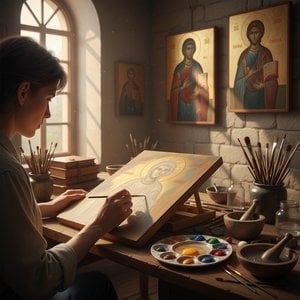
Iluminacja Powierzchni: Kompleksowe Badanie Technik Malarstwa Temperą na Desce i Jego Historyczne Znaczenie
Poznaj fascynującą historię i techniki malarstwa temperą na desce. Analiza dzieł Botticellego, szczegółowy przewodnik po pigmentach i spoiwach. Odkryj sekrety trwałości i piękna obrazów temperowych!