


 Podgląd w skali 1:1
 Wyślij jako kartkę
 Udostępnij
 Szczegóły dzieła
 Przewodnik

 Pobierz obraz
 Podobne obiekty
 RTG
RTG Pokaz slajdów
 Statystyki
The Annunciation
 Tempera On Panel
- WallArt
- High Renaissance
 Renaissance
 197.0 x 165.0 cm
 Alte Pinakothek
 Rozwiń treść
Ręcznie malowana reprodukcja olejowa
Ręcznie malowany obraz olejny na płótnie, wykonany na zamówienie przez naszych artystów w wybranym przez Ciebie wymiarze i oprawie. ( Przełącz na wydania drukowane Przejdź do wersji cyfrowej)




P118B zł10

P118H zł10

P118W zł10

P438Z zł10

P508JH zł12

P508YH zł12

P805H zł10

P805Z zł10

P919BZ zł10

P919G zł10

P919XJ zł10

P959ZH zł10

P968JZ zł12

W106C zł8

W218G zł10

W218JH zł8

W218Y zł10

W307PJ zł10

W316G zł10

W316PJ zł8

W316Y zł10

W398PJ zł8

W4111J zł10

W500HY zł15

W500JH zł15

W692G zł12

W849H zł8

W940BG zł15

W953PJ zł8




Wybierz spośród naszych standardowych rozmiarów, które zachowują oryginalne proporcje dzieła sztuki.

Wpisz wymaganą szerokość i wysokość, aby obraz pasował do Twojej ramy lub ściany. Ponieważ jest to dzieło malowane ręcznie, w przypadku rozmiaru o innych proporcjach artysta może domalować nieco więcej wokół obrazu lub przyciąć jego fragmenty — wybór należy do Ciebie. Przed rozpoczęciem pracy prześlemy Ci cyfrową wizualizację do zatwierdzenia. Obraz widoczny na tej stronie nie przedstawia rzeczywistego efektu — jedynie wizualizacja oddaje realny rezultat.
Po złożeniu zamówienia zespół ArtsDot.com skontaktuje się z klientem drogą mailową w celu uzyskania instrukcji i prześle wizualizację projektu
Dostawa na całym świecie () w ciągu 3–4 tygodni zamiast standardowych 5 tygodni. (26 Październik). Bez kompromisów w kwestii jakości.

Bezpłatna ekspresowa wysyłka na cały świat

Wysokiej jakości płótno lniane

Pełne ubezpieczenie przesyłki

Gwarancja zwrotu należności celnych i podatków importowych

Gwarancja wiernego odwzorowania kolorów

100-dniowa polityka zwrotów (tylko w przypadku wad)

Gwarancja 100% zwrotu pieniędzy

Zniżka przy zakupie wielu sztuk
 Opcja ze szkłem jest dostępna wyłącznie w rozmiarach poniżej 110 cm

The Annunciation
Technika reprodukcji
Wymiary reprodukcji
-


Cena całkowita
zł 1010
A Divine Encounter in Florentine Gold
In the heart of the High Renaissance, a period defined by the harmonious marriage of human emotion and divine grace, Mariotto Albertinelli captured a moment of eternal significance. His masterpiece, The Annunciation, is not merely a depiction of a biblical event but a profound window into the spiritual zenith of Florence around 1503. As the viewer approaches this luminous work, they are immediately enveloped by a sense of serene intimacy. The painting brings to life the pivotal instant when the Archangel Gabriel descends to deliver a celestial message to the Virgin Mary, an encounter that forever altered the course of Christian narrative. Albertinelli, a contemporary and close collaborator of Fra Bartolomeo, utilizes the very essence of Florentine light to bridge the gap between the earthly and the divine.
The composition is a masterclass in Renaissance equilibrium, employing a sophisticated pyramidal structure that guides the eye with effortless grace. At the center of this sacred drama sits Mary, perched upon a bench with a quiet dignity that reflects the humanist ideals of her era. Her presence is grounded and contemplative, yet the upward movement of the composition—leading toward the radiant figure of God the Father encircled by angels—creates an ascending spiritual energy. This architectural approach to painting ensures that while the scene feels deeply personal and human, it simultaneously evokes a sense of cosmic grandeur and celestial order.
The Language of Symbolism and Light
Every brushstroke in Albertinelli’s work serves a higher purpose, weaving a complex tapestry of meaning through subtle visual cues. The angel, wings spread in a gesture of arrival, holds aloft a lily, the quintessential emblem of purity and the immaculate nature of Mary. This delicate floral element acts as a focal point of innocence amidst the weight of the divine decree. Beyond the central figures, the artist invites us to explore a world rich with intellectual depth; the presence of a figure reading a book and another contemplating a scroll suggests that this divine moment is one of profound knowledge and the fulfillment of ancient prophecy. Even the small bird in flight adds a dynamic, living pulse to the stillness of the scene.
The technique employed—tempera on wood panel—is essential to the painting's enduring emotional impact. The inherent luminosity of tempera allows for a remarkable clarity of detail and a subtle gradation of tones that breathe life into the heavy folds of Mary’s blue robes. This method enables Albertinelli to manipulate light and shadow with surgical precision, creating a soft chiaroscuro that lends volume to the figures and a palpable sense of atmosphere to the courtyard beyond. For the collector or the designer, this piece offers more than just aesthetic beauty; it provides a profound sense of tranquility and a timeless connection to the classical ideals of balance and harmony.
An Eternal Inspiration for the Modern Space
To possess a reproduction of The Annunciation is to invite a piece of history into one's personal sanctuary. The painting’s ability to command attention through its quiet strength makes it an extraordinary choice for sophisticated interiors, whether placed in a sunlit gallery or a contemplative study. It serves as a conversation piece that transcends eras, offering a sense of stability and grace to any environment. For those who appreciate the meticulous craftsmanship of the High Renaissance, Albertinelli’s work stands as a testament to the power of art to capture the intangible—the moment where the breath of heaven meets the earth.
Pytania i odpowiedzi
W jaki sposób "The Annunciation" balansuje światło i cień?
Jasność dzieła „The Annunciation” – Mariotto Albertinelli wynosi balanced, przy luminancji na poziomie Soft Shadow.
Jaki rozmiar wydruku „The Annunciation” – Mariotto Albertinelli będzie odpowiedni do zalecanego pomieszczenia?
Zalecane zestawienie dla „The Annunciation” – Mariotto Albertinelli: wydruk w formacie Large do Living Room.
Gdzie mogę kupić wydruk „The Annunciation” – Mariotto Albertinelli?
Odbitkę dzieła „The Annunciation” – Mariotto Albertinelli można zamówić bezpośrednio na stronie Wydruk artystyczny premium: szlachetna odbitka na płótnie bawełnianym lub archiwalnym papierze o strukturze płótna.
Podobne dzieła


Biografia artysty
Mariotto Albertinelli: A Florentine Renaissance Painter
- Born: Florence, Italy (1474)
- Died: 1515
Early Life and Training
Mariotto di Bigio di Bindo Albertinelli was born in Florence as the son of a gold beater. He was an only child, and his mother died when he was just five years old. Initially trained as a gold beater until the age of 12, he then became a pupil of Cosimo Rosselli, sharing studies with Fra Bartolomeo. The close friendship between Albertinelli and Fra Bartolomeo led them to establish a joint studio in Florence by 1494.
Artistic Development and Influences
Albertinelli’s style demonstrates the influence of several prominent artists including Perugino, Piero di Cosimo, Lorenzo di Credi, and Flemish painters. His early works, produced independently of Fra Bartolomeo, are stylistically distinct and reveal a sophisticated taste for detail. Piero di Cosimo introduced him to Flemish techniques, enriching his artistic palette. A period of independence followed Fra Bartolomeo’s entry into the Dominican order in 1500, allowing Albertinelli to develop his own voice while still maintaining a connection to his former mentor's style.
Major Works and Collaborations
- The Visitation (1503): Housed in the Uffizi Gallery, this is considered Albertinelli’s masterpiece. It depicts the biblical story of Elizabeth visiting Mary, showcasing his skill in composition, narrative depiction, and blending influences from Fra Bartolomeo and Perugino.
- Altarpiece for the Chapel of Congregazione di San Martino: This altarpiece includes panels depicting the Visitation, Annunciation, Nativity, and Circumcision. It demonstrates Albertinelli's ability to create a cohesive narrative across multiple panels.
- Kress Tondo: Initially attributed solely to Fra Bartolomeo, it is now believed that Albertinelli used his partner’s cartoon in its creation, highlighting their collaborative relationship.
- Annunciation (1511): A joint work with Fra Bartolomeo, showcasing a period of stylistic convergence and collaboration.
Historical Significance and Legacy
Albertinelli's artistic career reflects the dynamic shifts within Florentine painting during the High Renaissance. His ability to synthesize diverse influences—Perugino’s grace, Flemish detail, and Leonardo’s sfumato technique—created a unique style that contributed to the richness of Florentine art. He trained notable artists such as Jacopo da Pontormo, Innocenzo di Pietro Francucci da Imola, and Giuliano Bugiardini, ensuring his influence extended beyond his own works. Despite facing financial difficulties later in life, Albertinelli left behind a body of work that demonstrates his skill and artistic versatility, solidifying his place within the Florentine Renaissance.

Mariotto Albertinelli
1474 - 1515 , Italy
Krótka nota
- Full Name: Mariotto Albertinelli
- Nationality: Italian
- Date Of Birth: 1474
- Date Of Death: 1515
- Place Of Birth: Florence, Italy
- Notable Artworks:
- Visitation (1503)
- Scenes from Genesis panels
- Artistic Movement Or Style: Florentine Renaissance
- Artists Who Influenced This Artist:
- Perugino
- Piero di Cosimo
- Lorenzo di Credi
- Leonardo da Vinci
- Fra Bartolomeo
- Artists Or Movements Influenced By This Artist:
- Jacopo da Pontormo
- Giuliano Bugiardini
Powiązane artykuły

The Art of Italian Living: Transform Your Home with Timeless Landscapes and Renaissance Masterpieces
Elevate your home with the timeless romance of Italy. Discover expert-curated, hand-painted Italian landscapes and Renaissance-inspired masterpieces. From bespoke oil reproductions to custom portraits from photos, transform your space with elegance and artistic passion.

25 Arcydzieł Galerii Uffizi: Podróż przez Renesansowy Genialny Świat | ArtsDot.com
Odkryj 25 arcydzieł Galerii Uffizi we Florencji! Poznaj historie Leonarda da Vinci, Botticellego i Rafaela. Reprodukcje obrazów najwyższej jakości dla Twojego wnętrza – inspiracje i dekoracje na ArtsDot.com.

Wielki Renesans: Rozkwit Innowacji Artystycznych i Idei Humanistycznych
Poznaj Wielki Renesans – epokę przełomowych idei humanistycznych i arcydzieł sztuki Leonardo, Michała Anioła i Rafaela. Analiza malarstwa, architektury i wpływu mecenatu na rozwój kultury europejskiej.
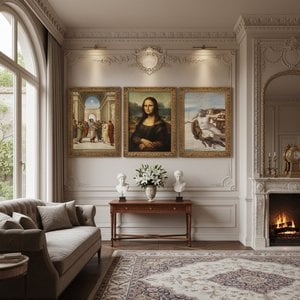
10 Arcydzieł Renesansu: Obrazy, które Zdefiniowały Epokę | ArtsDot.pl
Odkryj 10 arcydzieł renesansu – od Mona Lisy po freski Michała Anioła! Poznaj historie, techniki i wpływ największych artystów. Reprodukcje najwyższej jakości na ArtsDot.com. Eksploruj kolekcję online!

Fra Angelico: 25 Arcydzieł Sztuki Włoskiego Renesansu | Reprodukcje Obrazów Online
Odkryj 25 arcydzieł Fra Angelico – mistrza renesansu włoskiego! Poznaj historię, techniki i piękno jego fresków oraz obrazów religijnych. Reprodukcje najwyższej jakości na ArtsDot.com. Eksploruj kolekcję online!