

 Wyślij jako kartkę
 Udostępnij
 Szczegóły dzieła

 Pobierz
 Podobne obiekty
 Pokaz slajdów
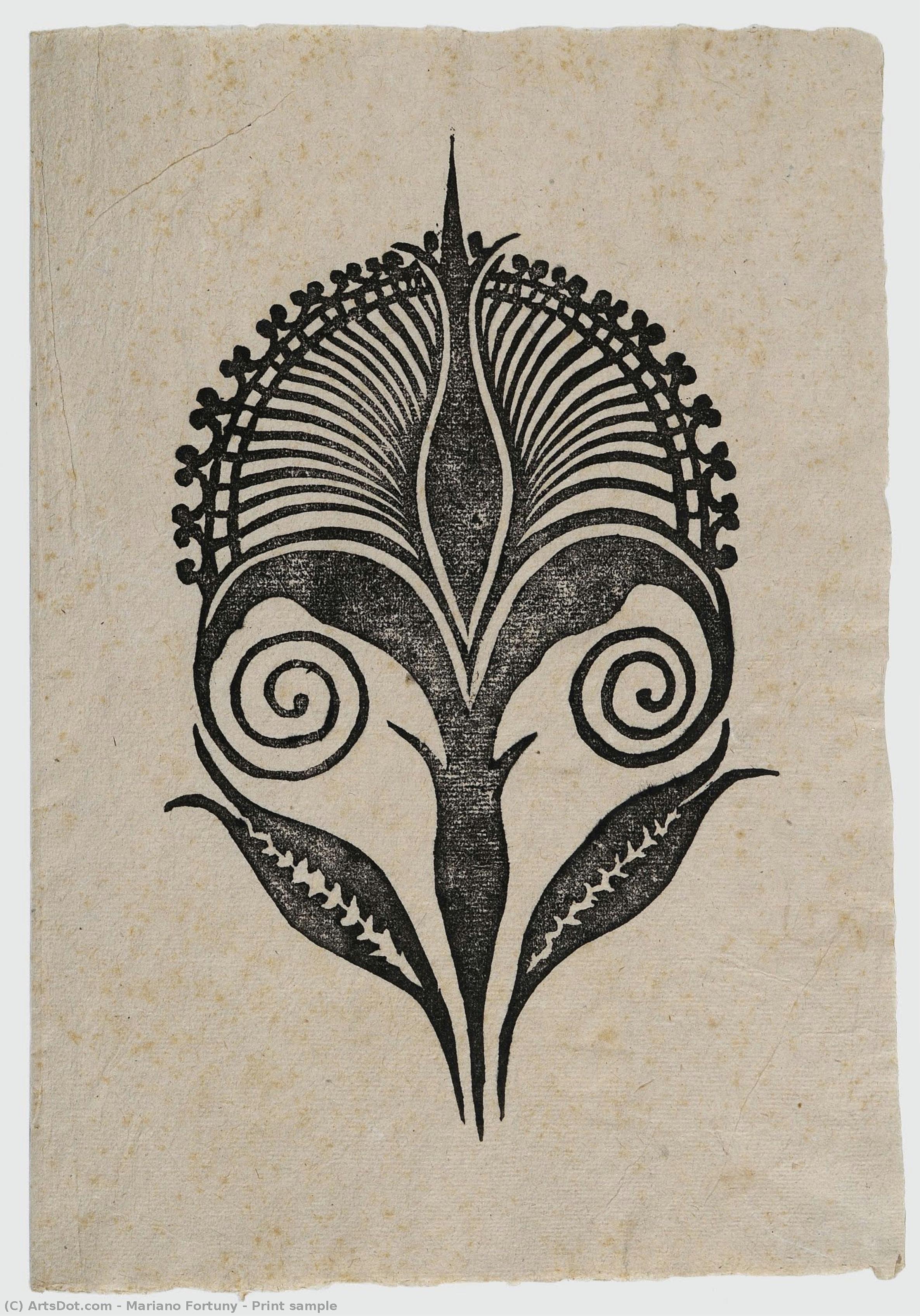
Print sample
 Giclée Print
- Digital
- Art Nouveau
 1905
1905- 19th Century
 39.0 x 27.0 cm
 Palazzo Fortuny
 Rozwiń treść
Giclée / Wydruk artystyczny
Druk giclée lub płótno o jakości muzealnej, szybka realizacja i szeroki wybór opcji wykończenia. ( Zamów ręcznie malowaną reprodukcję Kup obraz wysokiej rozdzielczości)




































Wybierz spośród naszych standardowych rozmiarów, które zachowują oryginalne proporcje dzieła sztuki.

Możesz wprowadzić własne wymiary, aby dopasować dzieło do konkretnej ramy lub przestrzeni. Jeśli wybrany rozmiar nie będzie odpowiadał proporcjom oryginalnego obrazu, przytniecie dzieło lub rozszerzymy obraz za pomocą odbicia lustrzanego lub jednolitego wypełnienia krawędzi. Przed rozpoczęciem produkcji prześlemy cyfrową wizualizację do Twojej akceptacji.
Prosimy pamiętać, że podgląd na ekranie nie odzwierciedla faktycznego przycinania ani rozszerzania. Tylko wizualizacja dokładnie pokaże końcową kompozycję.
Mimo dostępności niestandardowych rozmiarów, zalecamy wybór wymiaru z listy zdefiniowanej, aby zachować oryginalne proporcje.
Dostawa na cały świat () w ciągu 2 tygodni zamiast standardowych 4/5 tygodni. (15 Sierpień)

Bezpłatna ekspresowa wysyłka na cały świat

Wysokiej jakości płótno lniane

Pełne ubezpieczenie przesyłki

Gwarancja zwrotu należności celnych i podatków importowych

Gwarancja wiernego odwzorowania kolorów

Polityka 60-dniowego zwrotu (tylko w przypadku wad)

Gwarancja 100% zwrotu kosztów

Zniżka przy zamówieniu wielu produktów
 Opcja ze szkłem jest dostępna wyłącznie w rozmiarach poniżej 110 cm

Print sample
Giclée / Wydruk artystyczny
Wymiary reprodukcji
-


Cena całkowita
$ 62
Opis kolekcjonerski
Mariano Fortuny’s “Print Sample”: A Whisper of Venetian Ornamentation
The photograph captures a meticulously crafted print by Mariano Fortuny y Marsal, a Spanish artist who irrevocably altered the landscape of theatrical design and textile artistry. Executed around 1905 in tempera on paper – measuring 396 × 275 mm – “Print Sample” embodies Fortuny’s signature blend of Orientalist influences and geometric precision, offering a glimpse into his artistic vision during a pivotal moment in European art history. Its muted palette and subtle tonal variations speak volumes about the artist's mastery of technique and his dedication to capturing an ethereal beauty.Composition & Technique: Spirals Within Spirals
The print’s central motif is dominated by swirling, spiral patterns emanating from a prominent apex at the top. These spirals gracefully descend towards pointed extensions at the bottom, creating a dynamic visual rhythm that draws the eye inwards. Fine lines weave throughout the design, establishing an intricate framework and contributing to a palpable sense of delicacy. The artist skillfully employs repetition—the spiraling forms reappear across multiple layers—to amplify their impact and generate an illusion of depth. This technique aligns perfectly with Fortuny’s pioneering work in cyclorama projection, where he sought to simulate natural light and create immersive theatrical experiences.Historical Context & Artistic Style: Art Nouveau's Delicate Embrace
Fortuny’s artistic output flourished during the Belle Époque, a period characterized by opulent ornamentation and fascination with exotic cultures—particularly Persia and Morocco. “Print Sample” reflects this aesthetic sensibility through its organic lines reminiscent of Art Nouveau, prioritizing flowing curves and vegetal motifs. The stylized mask-like form at the core of the design carries symbolic weight, hinting at themes of identity, concealment, and ritualistic contemplation – concepts prevalent in Eastern artistic traditions. Fortuny’s meticulous attention to detail—evident in the paper's grain texture and subtle tonal variations—underscores his commitment to capturing a refined aesthetic ideal.Symbolism & Emotional Resonance: An Echo of Transformation
Beyond its formal qualities, “Print Sample” evokes an emotional response rooted in notions of metamorphosis and ethereal beauty. The spiraling patterns symbolize movement, dynamism, and the cyclical nature of existence – mirroring Fortuny’s fascination with natural phenomena and his belief in the transformative power of art. Viewing this print is akin to embarking on a visual journey—a contemplation of form, texture, and subtle color harmonies that linger long after the gaze has moved on. It stands as testament to Fortuny's ability to distill complex ideas into deceptively simple yet profoundly evocative imagery.Materials & Reproduction Considerations
The print itself utilizes tempera paint on paper – a medium favored by Fortuny for its luminosity and ability to achieve nuanced tonal gradations. Reproductions should prioritize archival quality paper stock and pigment inks to faithfully preserve the original artwork's delicate surface texture and subtle color palette. Selecting a reputable printing house ensures that collectors experience the same captivating visual impact as Fortuny himself intended, transporting them into the heart of Venetian artistic innovation.Podobne dzieła


O artyście
Early Life and Inspiration
Mariano Fortuny, a name synonymous with theatrical innovation and opulent textiles, was born in Reus, Spain, in 1871 – an event that irrevocably shaped his artistic trajectory. His father, Mariano Fortuny y Marsal, a respected genre painter, tragically passed away when the young boy was just three years old. This sudden loss propelled the family to Paris, France, where his mother, Cecilia de Madrazo, recognized and nurtured his burgeoning talents. It was in this vibrant Parisian environment that Mariano’s artistic journey truly began, immersed in the world of textiles and fabrics – a formative influence that would profoundly impact his later creations. From an early age, Fortuny demonstrated remarkable versatility, excelling not only in painting but also showcasing skills in photography, sculpting, architecture, etching, and theatrical stage lighting. His innate curiosity and inventive spirit were evident from the start, leading him to experiment with materials and techniques, laying the groundwork for his revolutionary contributions to the world of design.Artistic Talents and Revolutionary Inventions
Mariano Fortuny’s artistic abilities blossomed throughout his youth, revealing a keen eye for detail and an innovative approach to traditional art forms. He quickly established himself as a skilled painter, demonstrating mastery in various styles and subjects. However, it was his inventive drive that truly set him apart. Between 1901 and 1934, Fortuny patented over twenty groundbreaking inventions – a testament to his relentless pursuit of innovation. Perhaps his most significant achievement was the “fortuny cyclorama dome,” a quarter-dome structure crafted from plaster or cloth designed to create seamless transitions between scenes in theatrical productions. This ingenious device utilized indirect lighting and sophisticated reflection techniques, dramatically altering the perception of space and time on stage. Fortuny’s treatise, "Eclairage Scenique" (1904), meticulously documented his discoveries regarding light manipulation, detailing how different surfaces could be used to alter color, intensity, and overall effect. His work wasn't limited to stage design; he also developed innovative methods for creating textiles, pushing the boundaries of material science and artistic expression.Collaborations and Recognition
Fortuny’s unique vision gained widespread recognition in the 1920s, solidifying his position as a leading figure in both art and design. He forged significant collaborations with influential figures from across Europe, leaving an indelible mark on various creative fields. His work resonated deeply with Richard Wagner, the German composer, whose operas inspired Fortuny to explore themes of drama, light, and atmosphere in his paintings. The renowned opera house, La Scala in Milan, became a testing ground for his innovations, where he adapted his dome design for the theater’s grand scale and even invented a suction fan system to maintain its taut structure – a remarkable feat of engineering. Beyond Wagner, Fortuny's contributions were celebrated by figures like Marcel Proust, the French novelist, who was deeply moved by Fortuny’s artistic vision and incorporated elements of his work into his literary masterpieces. His legacy extended beyond the stage, influencing fashion designers and textile manufacturers alike.Legacy and Venetian Influence
Mariano Fortuny passed away in Venice, Italy, on May 3, 1949, leaving behind a remarkable body of work that continues to captivate audiences today. His influence can be seen in the enduring popularity of his signature “Delphos” gown – a flowing, pleated silk creation that became a symbol of elegance and freedom during the Art Deco era. Fortuny’s life and artistic journey were also depicted in Pere Gimferrer's novel "Fortuny," further cementing his place in literary history. More than just an artist, Fortuny was a true polymath—a painter, inventor, designer, and visionary who pushed the boundaries of creativity across multiple disciplines. His legacy continues to inspire artists and designers worldwide, demonstrating the power of innovation, imagination, and a deep appreciation for beauty. The Museo Mariano Fortuny y Madrazo in Venice stands as a testament to his extraordinary life and work, inviting visitors to explore the magic and artistry that defined this remarkable figure.
Mariano Fortuny
1871 - 1949 , Hiszpania
Krótka nota
- Artistic Movement Or Style: Orientalizm art.
- Artists Or Movements Influenced By This Artist: ['Marcel Proust']
- Artists Who Influenced This Artist: ['Richard Wagner']
- Date Of Birth: 11 maja 1871
- Date Of Death: 3 maja 1949
- Full Name: Mariano Fortuny y Marsal
- Nationality: Hiszpański
- Notable Artworks:
- Teagown
- Portrait Henriette
- Place Of Birth: Granada, Hiszpania
Powiązane artykuły

Odbitki Giclée: Jakość Archiwalna i Estetyczne Niuanse dla Wymagającego Kolekcjonera
Poznaj sekrety druku giclée – technologii zapewniającej najwyższą jakość reprodukcji sztuki i trwałość archiwalaną. Poradnik dla wymagających kolekcjonerów o wyborze papieru, tuszy i profilach kolorystycznych.

Echoes of Time: Exploring the Enduring Appeal & Historical Context of Vintage Art Prints
Explore the captivating world of vintage art prints! Discover their history, collecting tips & enduring appeal. Expert insights on chromolithography and building a legacy collection with ArtsDot.

The Enduring Legacy of Fine Art Prints: Technique, History & Aesthetic Impact
Explore the rich history & techniques of fine art prints. Discover investment potential, assess authenticity, and learn how to preserve your collection with expert guidance. Trusted insights for discerning collectors.

Mariano Fortuny: A Fusion of Art, Fashion & Design – Exploring a Venetian Innovator's Legacy
Explore the captivating world of Mariano Fortuny – artist, designer & innovator. Discover his revolutionary textiles, iconic Delphos gown, and lasting influence on art, fashion & interiors. A collector's guide to a Venetian master.

10 Arcydzieł Secesji: Inspiracje dla Twojego Wnętrza | ArtsDot.com
Odkryj 10 arcydzieł Secesji! Poznaj historie Muchy, Klimta i innych mistrzów tego wyjątkowego ruchu artystycznego. Inspiracje do wnętrz i reprodukcje najwyższej jakości na ArtsDot.com. Eksploruj kolekcję online!


