


 Zobacz w skali 1:1
 Wyślij
 Udostępnij
 Szczegóły
 Guide
Guide

 Pobierz plik obrazu
 Podobne obiekty
 RTG
RTG Pokaz slajdów
 Statystyki
Child head
 Acrylic On Canvas
- WallArt
- Heroic realism
 1912
1912 36.0 x 37.0 cm
 Willa Casals-Muzeum Pawła Kasala
 Czytaj więcej
Ręcznie malowana reprodukcja olejowa
Ręcznie malowany obraz olejny na płótnie, wykonany na zamówienie przez naszych artystów w wybranym przez Ciebie wymiarze i oprawie. ( Przełącz na wersję drukowaną Przełącz na wersję cyfrową)




P118B $10

P118H $10

P118W $10

P438Z $10

P508JH $12

P508YH $12

P805H $10

P805Z $10

P919BZ $10

P919G $10

P919XJ $10

P959ZH $10

P968JZ $12

W106C $8

W218G $10

W218JH $8

W218Y $10

W307PJ $10

W316G $10

W316PJ $8

W316Y $10

W398PJ $8

W4111J $10

W500HY $15

W500JH $15

W692G $12

W849H $8

W940BG $15

W953PJ $8




Wybierz spośród naszych standardowych rozmiarów, które zachowują oryginalne proporcje dzieła sztuki.

Możesz wprowadzić własne wymiary, aby dopasować obraz do konkretnej ramy lub przestrzeni. Jeśli wybrany rozmiar nie będzie odpowiadał proporcjom oryginału, przytniecie dzieło sztuki lub rozszerzymy je o dodatkowe elementy, ręcznie domalowane przez artystę. Przed rozpoczęciem produkcji wyślemy projekt cyfrowy do Twojej akceptacji.
Należy pamiętać, że podgląd na ekranie nie odzwierciedla rzeczywistego przycinania ani rozszerzania obrazu. Tylko projekt dokładnie pokaże ostateczną kompozycję.
Choć oferujemy możliwość zamówienia niestandardowych rozmiarów, zalecamy wybór wymiaru z gotowej listy, aby zachować oryginalne proporcje dzieła.
Po złożeniu zamówienia zespół ArtsDot.com skontaktuje się z klientem drogą mailową w celu uzyskania instrukcji i prześle wizualizację projektu
Dostawa na całym świecie () w ciągu 3–4 tygodni zamiast standardowych 5 tygodni. (21 Wrzesień). Bez kompromisów w kwestii jakości.

Bezpłatna ekspresowa wysyłka na cały świat

Wysokiej jakości płótno lniane

Pełne ubezpieczenie transportowe

Gwarancja zwrotu należności celnych i podatków importowych

Gwarancja idealnego odwzorowania barw

100-dniowy okres na zwrot dzieła w przypadku wykrycia wad produkcyjnych

Gwarancja 100% zwrotu pieniędzy

Oferta przy zakupie wielu sztuk
 Opcja ze szkłem jest dostępna wyłącznie w rozmiarach poniżej 110 cm

Child head
Technika wykonania
Rozmiar reprodukcji
-


Suma do zapłaty
$ 263
A Fragment of Grief: Exploring the Poignancy of Mariano Benlliure’s “Child Head”
Mariano Benlliure y Gil's "Child Head," a small but profoundly moving sculpture created in 1912, transcends mere representation to embody a potent distillation of sorrow and vulnerability. Born in Valencia, Spain, during a period of significant artistic transition – bridging the realism of the past with nascent influences from Impressionism and Symbolism – Benlliure was already establishing himself as a master of capturing psychological depth through his sculpted portraits. This particular piece, rendered in a meticulously detailed marble that suggests both coolness and an underlying warmth, isn’t simply a depiction of a baby; it's a carefully constructed meditation on loss and the enduring nature of childhood innocence.
The photograph itself offers a remarkably intimate view. The artist has chosen to focus tightly on the infant’s face, emphasizing the delicate curve of its cheekbone, the subtle furrowing of its brow, and most strikingly, the suggestion of tears welling in its eyes. This close-up composition immediately draws the viewer into an almost unbearable proximity with the subject's emotional state. The marble’s texture is remarkably smooth, yet subtly veined – a deliberate choice that lends a sense of life and fragility to the stone, mirroring the ephemeral nature of childhood itself.
The Sculptor’s Legacy: Benlliure within the Spanish Artistic Landscape
Mariano Benlliure y Gil's career was inextricably linked with the vibrant artistic scene of late 19th and early 20th century Spain. He emerged from a family steeped in artistic tradition, benefiting from the tutelage of Francisco Domingo Marqués, a prominent painter and sculptor. This lineage instilled within him a deep understanding of classical forms and techniques, which he skillfully blended with his own distinctive style – characterized by a remarkable ability to convey emotion through subtle gestures and nuanced expressions. His work frequently explored themes of heroism and historical narrative, as evidenced in monumental sculptures like the “Monument to José de San Martín” in Peru and the “Tomb of Práxedes Mateo Sagasta” in Madrid. However, "Child Head" represents a shift towards a more introspective and emotionally charged subject matter, revealing a previously unseen vulnerability within his oeuvre.
The sculpture’s creation coincided with a period of social and political upheaval in Spain – the rise of republicanism and the subsequent instability of the monarchy. This context undoubtedly influenced Benlliure's artistic choices, prompting him to explore themes of loss, grief, and the fragility of human existence. The work is often interpreted as a poignant reflection on the anxieties and uncertainties of the era.
Symbolic Resonance: Tears, Stone, and the Echoes of Grief
The most arresting element of “Child Head” is undoubtedly the suggestion of tears streaming down the infant’s cheeks. While seemingly simple, this detail carries immense symbolic weight. It immediately evokes a sense of profound sadness and vulnerability, inviting viewers to contemplate the source of the child's sorrow. The marble itself – traditionally associated with permanence and endurance – serves as a stark contrast to the fleeting nature of childhood and the inevitability of loss. The cool, unyielding quality of the stone underscores the enduring nature of grief, suggesting that it can linger long after the initial pain has subsided.
Furthermore, the closed eyes of the child contribute to the sculpture’s overall sense of melancholy. They suggest a state of quiet contemplation, as if the infant is lost in its own thoughts and memories. The subtle tilt of the head adds another layer of complexity, hinting at a deep-seated sadness that transcends mere physical discomfort.
A Timeless Portrait of Vulnerability: Reproduction and Beyond
Reproductions of “Child Head” offer an exceptional opportunity to bring this poignant work into private collections and interior spaces. The meticulous detail captured in the original sculpture is faithfully reproduced, allowing viewers to appreciate the artist’s extraordinary skill and sensitivity. The choice of marble ensures a luxurious feel, while the subtle variations in tone and texture create a sense of depth and realism. Consider framing the reproduction within a simple, elegant setting – perhaps a neutral-toned room with soft lighting – to allow the sculpture's emotional impact to fully resonate. “Child Head” is more than just a beautiful object; it’s a powerful reminder of the fragility of life and the enduring power of human emotion.
Podobne dzieła


Biografia artysty
Mariano Benlliure y Gil: A Titan of Spanish Sculpture
Mariano Benlliure y Gil (1862-1947) stands as one of the most revered figures in 20th-century Spanish art, a sculptor whose monumental works and exquisitely detailed portrait busts continue to inspire awe and admiration. Born in Valencia, Spain, his artistic journey began amidst a rich familial tradition—his father, Juan Antonio Benlliure Tomás, was himself a celebrated painter specializing in decorative murals, fostering an environment where creativity flourished from the outset. This early exposure undoubtedly shaped Mariano’s innate talent and instilled within him a lifelong passion for capturing the essence of human form and emotion through sculpture. ## Early Influences and Artistic Formation From his youth, Benlliure demonstrated exceptional skill in modeling wax figures—a technique he honed with meticulous precision. At just thirteen years old, his *modello* of a picador garnered considerable acclaim at the Exposición Nacional de Bellas Artes in 1876, signaling the arrival of a prodigious talent on the Spanish artistic horizon. This formative experience wasn’t merely a youthful accomplishment; it was the genesis of a dedication to sculpture that would define his entire career.- His mentor, Francisco Domingo Marqués, recognized Benlliure's potential and encouraged him to pursue painting studies in Paris
- The profound impact of Michelangelo’s sculptures during his Roman pilgrimage in 1879 irrevocably altered his artistic trajectory
- He meticulously studied anatomy and musculature, striving for anatomical accuracy in his portraits
- His sculptures often depicted dramatic scenes from Spanish history, imbued with palpable energy and dynamism
- The Tomb of Práxedes Mateo Sagasta in Madrid’s Pantheon exemplifies his commitment to honoring historical figures
- His equestrian statue of Alfonso XII, dominating El Retiro Park, remains a testament to his artistic vision and technical prowess
- The monument to José de San Martín in Lima embodies the spirit of Latin American independence

Mariano Benlliure y Gil
1862 - 1947 , Hiszpania
Najważniejsze informacje
- Artistic Movement Or Style: Heroiczny realizm, Neoklasycizm
- Artists Or Movements Influenced By This Artist: ['Impressionizm']
- Artists Who Influenced This Artist:
- Francisco Domingo Marqués
- Michelangelo
- Joaquín Sorolla
- Date Of Birth: 8 września 1862
- Full Name: Mariano Benlliure y Gil
- Nationality: Hiszpanka
- Notable Artworks:
- Pomnik Práxedes Mateo Sagasty
- Pomnik José de San Martína
- Pomnik Álvara de Bazána
- Pomnik Izabeli Katolickiej
- Pomnik generała Cassola
- Pomnik Marii Kristiny Burbon
- Pomnik Alfonsa XII
- Monument El Retiro
- Monument Agustiny Aragon
- Place Of Birth: Walencja, Hiszpania
Zobacz także powiązane artykuły

10 Legendarnych Brązów, Które Zrewolucjonizowały Sztukę | ArtsDot
Odkryj 10 legendarnych rzeźb brązowych, które zrewolucjonizowały sztukę! Poznaj historie Rodina, Donatello i innych mistrzów. Inspiracje wnętrzarskie & reprodukcje najwyższej jakości na ArtsDot.com.

Trwałe Formy: Ewolucja Technik i Tematów w Rzeźbie Przez Wieki – Od Antyku do Renesansu
Poznaj fascynującą historię rzeźby od antyku do renesansu! Odkryj techniki, wybitnych artystów i wpływ na współczesną sztukę. Ekspercka analiza dla kolekcjonerów i miłośników.

10 Legendarnych Brązów Rzeźbiarskich, Które Zmieniły Sztukę | ArtsDot
Odkryj 10 legendarnych rzeźb brązowych od Rodina, Degasa i innych mistrzów! Poznaj historię powstania arcydzieł sztuki i inspiruj się do dekoracji wnętrz. Reprodukcje najwyższej jakości na ArtsDot.com – zobacz kolekcję!
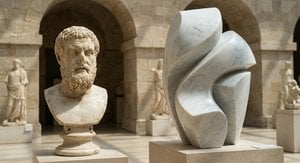
Urok marmuru w historii sztuki: od klasycznej rzeźby do nowoczesnej abstrakcji
Odkryj fascynującą historię rzeźby marmurowej – od klasycznych arcydzieł po nowoczesną abstrakcję. Poznaj techniki, artystów i wartość kolekcjonerską tego wyjątkowego medium. Ekspercka analiza dla miłośników sztuki.

Trwała Forma: Rzeźba w Historii – Technika i Rezonans Emocjonalny
Poznaj historię rzeźby od antyku do współczesności! Ekspercka analiza technik, stylów i emocjonalnego wpływu arcydzieł. Inspiracje dla kolekcjonerów i miłośników sztuki.