


 Zobacz w skali 1:1
 Wyślij
 Udostępnij
 Szczegóły
 Przewodnik

 Pobierz plik obrazu
 Podobne obiekty
 RTG
RTG Pokaz slajdów
 Statystyki
A la manera de Delvaux


 Czytaj więcej
Dzieło sztuki prezentowane na tej stronie podlega ochronie prawem autorskim, co oznacza, że nie mamy prawa do tworzenia ani sprzedaży jego identycznej reprodukcji. Ochrona ta jest egzekwowana na mocy umów międzynarodowych, takich jak Konwencja berneńska oraz przez przepisy prawa krajowego, w tym te określone w Prawo autorskie USA – Tytuł 17.
Metoda ta jest w pełni zgodna z przepisami prawa autorskiego, ponieważ nie polega na kopiowaniu ani powielaniu chronionego dzieła. Stanowi ona kreatywną reinterpretację – nowy obraz, który czerpie inspirację z oryginału, ale nie jest z nim tożsamy.
Giclée / Wydruk artystyczny
Wydruki giclée lub płótna o jakości muzealnej, szybka realizacja i szeroki wybór opcji wykończenia. ( Kup ręcznie malowany obraz Przełącz na wersję cyfrową)




P118B zł10

P118H zł10

P118W zł10

P438Z zł10

P508JH zł12

P508YH zł12

P805H zł10

P805Z zł10

P919BZ zł10

P919G zł10

P919XJ zł10

P959ZH zł10

P968JZ zł12

W106C zł8

W218G zł10

W218JH zł8

W218Y zł10

W307PJ zł10

W316G zł10

W316PJ zł8

W316Y zł10

W398PJ zł8

W4111J zł10

W500HY zł15

W500JH zł15

W692G zł12

W849H zł8

W940BG zł15

W953PJ zł8




Wybierz spośród naszych standardowych rozmiarów, które zachowują oryginalne proporcje dzieła sztuki.

Wpisz wymaganą szerokość i wysokość, aby dopasować grafikę do ramy lub ściany. Wydruk można jedynie przyciąć, nigdy nie powiększając go poza oryginalny obraz, dlatego format o innym proporcji spowoduje utratę części kompozycji. Przed rozpoczęciem druku prześlemy Ci cyfrowy podgląd do zatwierdzenia. Obraz wyświetlany na tej stronie nie pokazuje rzeczywistego przycięcia — jedynie podgląd oddaje ten efekt.
Dostawa na cały świat () w ciągu 2 tygodni zamiast standardowych 4/5 tygodni. (22 Październik)

Bezpłatna ekspresowa wysyłka na cały świat

Wysokiej jakości płótno lniane

Pełne ubezpieczenie transportowe

Gwarancja zwrotu należności celnych i podatków importowych

Gwarancja idealnego odwzorowania barw

100-dniowy okres na zwrot dzieła w przypadku wykrycia wad produkcyjnych

Gwarancja 100% zwrotu pieniędzy

Oferta przy zakupie wielu sztuk
 Opcja ze szkłem jest dostępna wyłącznie w rozmiarach poniżej 110 cm

A la manera de Delvaux
Giclée / Wydruk artystyczny
Rozmiar reprodukcji
-


Suma do zapłaty
zł 235
A Whisper of Delvaux: Duchamp’s Enigmatic Reverie
Marcel Duchamp's *A la manera de Delvaux* (In the Manner of Delvaux) is not a painting in the traditional sense, but rather a meticulously constructed collage that operates as a fascinating echo of Surrealist painter Paul Delvaux. Created in 1942, this work exists as a subtle yet potent exploration of desire, memory, and the unsettling beauty found within the subconscious. It’s a piece born from exile and artistic questioning, reflecting Duchamp's evolving stance towards representation and the very definition of art itself.
The image centers around a poignant scene: a baby, seemingly nursing from a bottle held by a maternal figure. This intimate act is framed within a larger composition populated by shadowy figures, hinting at a narrative that remains tantalizingly out of reach. The sepia tone imbues the work with a nostalgic quality, evoking faded photographs and half-remembered dreams. Duchamp doesn’t attempt to replicate Delvaux's style directly; instead, he *interprets* it, distilling its essence into a fragmented visual poem. He achieves this through the skillful juxtaposition of found imagery – likely cut from magazines or other printed sources – creating a dreamlike atmosphere that is both alluring and disquieting.
The Shadow of Surrealism and Duchamp’s Conceptual Shift
To understand *A la manera de Delvaux*, one must consider the artistic climate of the time. Duchamp had already shaken the foundations of the art world with his “readymades” – ordinary manufactured objects elevated to the status of art through sheer force of conceptual intent, most famously exemplified by *Fountain* (1917). By 1942, he was living in New York, having fled Europe during World War II. He found himself amidst a burgeoning Surrealist movement, and while not fully embracing its tenets, he engaged with its ideas about the unconscious mind and the power of irrationality. Delvaux’s paintings, with their eerie depictions of classical architecture populated by nude figures and trains, provided a particularly resonant visual language for Duchamp to explore.
However, *A la manera de Delvaux* isn't merely an homage; it’s a subtle critique. Duchamp wasn’t interested in simply mimicking another artist’s style. He was probing the nature of representation itself. By creating a work “in the manner of” Delvaux, he highlights the act of imitation and questions originality. The collage format further emphasizes this deconstruction, breaking down images into their constituent parts and reassembling them to create something new – or rather, something that *comments* on what already exists. It’s a precursor to his later, more ambitious conceptual works, like *Étant donnés*, where the viewer is confronted with a hidden world revealed through a peephole.
Emotional Resonance and Interior Spaces
The emotional impact of *A la manera de Delvaux* is subtle but profound. The image evokes feelings of longing, vulnerability, and perhaps even a touch of melancholy. The nursing baby, a universal symbol of innocence and dependence, is rendered with a delicate ambiguity. Is it a scene of comfort or one of quiet desperation? The shadowy figures surrounding the central subject add to this sense of unease, suggesting hidden anxieties and unspoken desires.
For collectors and interior designers, a reproduction of *A la manera de Delvaux* offers a unique opportunity to introduce a touch of intellectual sophistication into any space. Its muted tones and enigmatic imagery lend themselves well to a variety of settings, from modern lofts to classic libraries. The work’s conceptual depth invites contemplation, making it a conversation starter and a testament to the power of art to challenge our perceptions. It is not simply a decorative piece; it's an invitation to delve into the complexities of the human psyche and the ever-evolving nature of artistic expression.
Pytania i odpowiedzi
Czy dostępna jest prezentacja multimedialna dla „A la manera de Delvaux” autorstwa Marcel Duchamp?
Dzieło „A la manera de Delvaux” autorstwa Marcel Duchamp można obejrzeć w formie pokazu slajdów na stronie Pokaz slajdów danego dzieła.
Jaka technika i styl charakteryzują „A la manera de Delvaux” autorstwa Marcel Duchamp?
„A la manera de Delvaux” autorstwa Marcel Duchamp łączy technikę Acrylic On Canvas ze stylem Surrealist Collage. Technika i nurt opisują sposób wykonania oraz styl dzieła.
Kto stworzył "A la manera de Delvaux" i w jakim stylu jest to dzieło?
"A la manera de Delvaux" powstało autorstwa Marcel Duchamp w stylu Surrealist Collage. Artysta oraz nurt definiują tradycję tego dzieła.
Podobne dzieła


![Genre Allegory [george Washington] — Marcel Duchamp, Surrealism](/media/artworks/images-thumb/90/d9/90d9ce324280fe5002abd42626b6c52f.jpg)


Biografia artysty
Rewolucyjny duch: Życie i sztuka Marcela Duchampa
Marcel Duchamp, urodzony w 1887 roku w Blainville-Crevon w Normandii jako Henri-Robert-Marcel Duchamp, był kimś znacznie więcej niż tylko artystą; był filozoficznym prowokatorem, który fundamentalnie odmienił bieg sztuki nowoczesnej. Jego wczesne lata, choć pozornie konwencjonalne – spędzone w rodzinie ceniącej ekspresję artystyczną, gdzie obaj jego bracia podążyli ścieżką udanych karier twórczych – zwiastowały nadchodzący ikonoklazm. Duchamp początkowo podjął formalne szkolenie, opanowując tradycyjne techniki i eksperymentując ze stylami postimpresjonistycznymi. Jednak ta akademicka podstawa nie służyła mu jako cel sam w sobie, lecz stała się trampoliną do kwestionowania samej natury sztuki, jej celu oraz definicji. Nie zadowalało go samo przedstawianie świata; pragnął rzucić wyzwanie temu, jak go postrzegamy i co stanowi o wartości artystycznej. Ta niespokojna ciekawość intelektualna stała się definiującą cechą jego niezwykle płodnej kariery.Od kubizmu do dadaizmu: Odrzucenie konwencji
Artystyczna podróż Duchampa była naznaczona nieustanną ewolucją, świadomym odrzucaniem ustalonych norm. Jego początkowe związki z kubizmem, widoczne w dziełach takich jak Portret graczy w szachy (1911), wykazały zainteresowanie pofragmentowanymi formami i wieloma perspektywami – co stanowiło odejście od tradycyjnej reprezentacji. Jednak szybko wyszedł on poza czysto estetyczne dylematy, dostrzegając, że samo przetasowanie elementów wizualnych nie wystarczy, by odpowiedzieć na głębsze pytania dręczące jego umysł. Horror I wojny światowej podsycił ten niepokój, prowadząc Duchampa ku dadaizmowi – ruchowi zrodzonemu z rozczarowania oraz odrzucenia logiki, rozumu i tradycyjnych wartości artystycznych. To właśnie w ramach dadaizmu Duchamp zaczął prawdziwie demontować konwencjonalne pojęcia sztuki. Nie interesowało go tworzenie pięknych przedmiotów; chciał prowokować do myślenia, podważać założenia i obnażać arbitralność estetycznego osądu. To właśnie w tym okresie narodziła się jego najbardziej radykalna innowacja: „readymade”.Readymades i subwersja sztuki
Wprowadzenie readymadów – zwykłych, wyprodukowanych przemysłowo przedmiotów wybranych i zaprezentowanych jako dzieła sztuki – było najistotniejszym wkładem Duchampa w wiek XX. Nie były to po prostu znalezione obiekty; były to celowe akty artystycznej subwersji. Wybierając codzienny przedmiot, taki jak pisuar (Fontanna, 1917), podpisując go „R. Mutt” i zgłaszając na wystawę artystyczną, Duchamp zakwestionował samą definicję umiejętności warsztatowych i autorstwa. Czy to ręka artysty stworzyła dzieło, czy może to była idea artysty? To pytanie stało się centralnym punktem jego praktyki i położyło fundamenty pod sztukę konceptualną. Inne znaczące readymades, jak L.H.O.O.Q. (1919) – pocztówkowa reprodukcja Mony Lisy z dorysowanym wąsem i bródką – były zabawną, a zarazem celną krytyką historii sztuki i ugruntowanych ikon kulturowych. Dzieła te nie miały być podziwiane za swoje walory estetyczne; ich celem było wywołanie debaty i zmuszenie widzów do przewartościowania uprzedzeń na temat tego, co stanowi sztukę. Duchamp wierzył, że sztuka powinna rezygnować w umyśle, a nie tylko w oku.Dziedzictwo i nieprzemijający wpływ
Wpływ Marcela Duchampa na kolejne pokolenia artystów jest niezmierzony. Fundamentalnie zmienił on nasze rozumienie sztuki, torując drogę takim nurtom jak sztuka konceptualna, minimalizm, pop-art i niezliczonym innym. Jego nacisk na ideę artysty – koncepcję stojącą za dziełem – ponad jego walory estetyczne, wciąż inspiruje twórców do dziś.- Kubizm: Wczesne eksploracje pofragmentowanych form i reprezentacji przestrzennej.
- Dadaizm: Odrzucenie logiki, rozumu i tradycyjnych wartości artystycznych w odpowiedzi na I wojnę światową.
- Sztuka konceptualna: Skupienie na idei stojącej za dziełem sztuki, a nie na jego cechach estetycznych.

Marcel Duchamp
1887 - 1968 , Francja
Najważniejsze informacje
- Artistic Movement Or Style:
- Kubizm
- Dadaizm
- Sztuka konceptualna
- Artists Or Movements Influenced By This Artist: ['Minimalizm']
- Date Of Birth: 28 lipca 1887
- Date Of Death: 2 października 1968
- Full Name: Marcel Duchamp
- Nationality: Francuz
- Notable Artworks:
- Fontanna
- L.H.O.O.Q.
- Duży Szkło
- Boîte-en-valise
- Place Of Birth: Blainville, Francja
Zobacz także powiązane artykuły

Dadaizm: Rewolucja Anty-Sztuki i Odwrócenie Logiki w Estetyce Początku XX Wieku
Poznaj historię dadaizmu – radykalnego ruchu artystycznego XX wieku, który zrewolucjonizował pojęcie sztuki. Analiza twórczości Duchampa, Tzary i innych kluczowych artystów. Ekskluzywne spojrzenie na wpływ dadaizmu na współczesną kulturę.

Dadaizm: Bunt Przeciw Rozumowi – Geneza, Charakterystyka i Trwałe Dziedzictwo Ruchu Anty-Artystycznego
Poznaj historię dadaizmu – radykalnego ruchu antyartystycznego zrodzonego w odpowiedzi na I wojnę światową. Analiza filozofii, kluczowych artystów i trwałego wpływu na sztukę współczesną. Ekskluzywnie na ArtsDot.

Echoes of Time: Nostalgia, Technique & Cultural Significance in Vintage Paintings
Explore the captivating world of vintage paintings! Discover key styles, cultural significance & collecting tips from art experts at ArtsDot. Find authentic reproductions and elevate your home décor.

The Enigmatic Realm of Paul Delvaux: Surrealism, Memory & the Poetics of Disquiet
Explore the haunting dreamscapes of Paul Delvaux, a master of Surrealism. Discover his iconic motifs, classical influences & enduring legacy with ArtsDot.com.
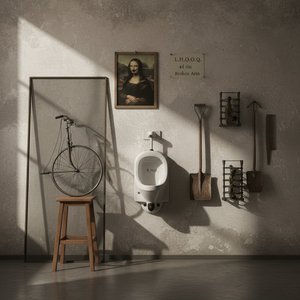
Marcel Duchamp: Challenging Conventions & Redefining Art in the 20th Century
Explore the revolutionary art of Marcel Duchamp! Discover how his Dadaist readymades challenged artistic conventions & redefined modern art. A deep dive into 'Fountain', conceptual shifts, and his lasting impact.


