

- 83.0 x 60.0 cm


Obraz dostosowuje się do Twoich wyborów: , .
Opis obiektu
“Blue clown” was created in 1984 by Marc Chagall in Naïve Art (Primitivism) style. Find more prominent pieces of genre painting at WikiArt.org – best visual art database. ### Blue clown ##### [Marc Chagall]
 Rozwiń treść
Biografia artysty
Marc Chagall był mistrzem onirycznego symbolizmu znanym z obrazu Ja i wioska. Odkryj jego barwny i poetycki świat już dziś.
Ręcznie malowana reprodukcja olejowa
Ręcznie malowany obraz olejny na płótnie, wykonany na zamówienie przez naszych artystów w wybranym przez Ciebie wymiarze i oprawie. ( Przełącz na wydania drukowane Przejdź do wersji cyfrowej)
Ten utwór podlega ochronie prawem autorskim
Dzieło sztuki prezentowane na tej stronie podlega ochronie prawem autorskim, co oznacza, że nie mamy prawa do tworzenia ani sprzedaży jego identycznej reprodukcji. Ochrona ta jest egzekwowana na mocy umów międzynarodowych, takich jak Konwencja berneńska oraz przez przepisy prawa krajowego, w tym te określone w Prawo autorskie USA – Tytuł 17.
Jako pełną szacunku i legalną alternatywę oferujemy personalizowane, malowane ręcznie dzieła sztuki inspirowane oryginałem. Nasi wykwalifikowani i profesjonalni artyści starannie analizują styl, nastrój oraz artystyczną esencję pierwowzoru, aby stworzyć nowe, unikalne dzieło, które przywołuje te same emocje – pozostając jednocześnie w pełni oryginalną kreacją.
Metoda ta jest w pełni zgodna z przepisami prawa autorskiego, ponieważ nie polega na kopiowaniu ani powielaniu chronionego dzieła. Stanowi ona kreatywną reinterpretację – nowy obraz, który czerpie inspirację z oryginału, ale nie jest z nim tożsamy.
Więcej o tym obrazie
 Podgląd w skali 1:1
 Wyślij jako kartkę
 Udostępnij
 Szczegóły dzieła
 Przewodnik

 Pobierz obraz
 Podobne obiekty
 RTG
RTG Pokaz slajdów
 Pytania i odpowiedzi
 Statystyki
Zamów swój obraz w czterech prostych krokach
Nie spiesz się. Możesz zmienić każdą odpowiedź; cena w Twoim koszyku będzie aktualizowana po każdym wyborze.
1 Pierwszy z czterech kroków
Który rozmiar wybierasz?
Te rozmiary zachowują proporcje oryginalnego obrazu. Rysunek przedstawia wybrany przez Ciebie format na ścianie, nad dwumetrową sofą.
lub podaj własne wymiary
Wybierz spośród naszych standardowych rozmiarów, które zachowują oryginalne proporcje dzieła sztuki.

Wpisz wymaganą szerokość i wysokość, aby obraz pasował do Twojej ramy lub ściany. Ponieważ jest to dzieło malowane ręcznie, w przypadku rozmiaru o innych proporcjach artysta może domalować nieco więcej wokół obrazu lub przyciąć jego fragmenty — wybór należy do Ciebie. Przed rozpoczęciem pracy prześlemy Ci cyfrową wizualizację do zatwierdzenia. Obraz widoczny na tej stronie nie przedstawia rzeczywistego efektu — jedynie wizualizacja oddaje realny rezultat.
2 Drugi z czterech kroków
W jaki sposób przygotować dzieło: w formie tuby, na krosnach czy w ramie?
Poniższe ceny dotyczą rozmiaru wybranego w pierwszym kroku.
Wybierz krawędzie płótna naciągniętego na ramę
Wybierz ramę

Białe krawędzie zł1

rozmyte krawędzie zł1

Przedłużony zł1

P118B zł10

P118H zł10

P118W zł10

P438Z zł10

P508JH zł12

P508YH zł12

P805H zł10

P805Z zł10

P919BZ zł10

P919G zł10

P919XJ zł10

P959ZH zł10

P968JZ zł12

W106C zł8

W218G zł10

W218JH zł8

W218Y zł10

W307PJ zł10

W316G zł10

W316PJ zł8

W316Y zł10

W398PJ zł8

W4111J zł10

W500HY zł15

W500JH zł15

W692G zł12

W849H zł8

W940BG zł15

W953PJ zł8

H24-GOLD zł30

H24-SILVER zł30

H36-GOLD zł45

H36-SILVER zł45
W oprawie
Profil: . Wymiar całkowity w ramie: .
3 Trzeci z czterech kroków
Czy chcieliby Państwo wprowadzić jakieś zmiany w obrazie?
Większość osób odpowiada przecząco. Ponieważ każdy obraz jest tworzony ręcznie, nasz artysta może również dostosować go do Twoich potrzeb.
Po złożeniu zamówienia zespół ArtsDot.com skontaktuje się z klientem drogą mailową w celu uzyskania instrukcji i prześle podgląd projektu
4 Krok czwarty z czterech
Kilka opcji wykończenia
Wszystkie są opcjonalne. Wybrane już odpowiedzi nie wiążą się z żadnymi dodatkowymi kosztami.
Kto jest autorem?
Dostawa na całym świecie () w ciągu 3–4 tygodni zamiast standardowych 5 tygodni. (15 Listopad). Bez kompromisów w kwestii jakości.
Tabliczka informacyjna, jak w muzeum?
Szczegóły grawerowanej brązowej tabliczki
This elegant plaque features the artist's name and the title of the artwork, finely engraved for a timeless presentation.
It is made from bronze with a refined, elegant finish. The text is precisely laser-engraved for a sharp and permanent result. Measuring 9x2 cm, the plaque is compact yet easy to read. It's built to be durable and scratch-resistant, offering a professional, museum-quality look. Mounting is simple thanks to the included adhesive backing.
Szczegóły przezroczystej tabliczki akrylowej
The plaque includes essential engraved details such as the artist's name, the title of the artwork, the date it was created, the type of media used-like oil on canvas or watercolor-a brief description of the piece, and a QR code that links to the complete artwork information.
It is crafted from clear acrylic, offering a sleek, modern appearance. The text is UV-engraved in black to ensure strong visual contrast. With a size of 10x15 cm, it ensures optimal readability. It comes equipped with two metal hooks for secure wall mounting. The plaque is designed to be weather-resistant, making it suitable for various environments, and it includes interactive features that work seamlessly with smartphone scanning.
Szczegóły czarnej tabliczki akrylowej
This elegant plaque includes engraved information such as the artist's name, the title of the artwork, the date it was created, the type of media used (like oil on canvas or watercolor), a short description of the artwork, and a QR code for quick access to more information.
The plaque itself is made from refined black acrylic with a premium finish. The text is laser-engraved in white for high contrast and readability. Its size is 10x15 cm, designed to be easy to read. It comes with two metal hooks for professional mounting. The design is sleek and fits any interior style. It is also weather-resistant and durable, with built-in digital integration for mobile compatibility.
Werniks ochronny?
Kiedy potrzebujesz dostawy?
✓ Sprawdź i zamów
Twoje dzieło, dokładnie tak, jak zamówiłeś

Blue clown
Technika reprodukcji
Wymiary reprodukcji
-

Wybitny mistrz artystyczny
Większa szczegółowość, finezja i dodatkowy czas na realizację
-

Opcje oprawy reprodukcji
-
-
W przypadku dzieł sztuki lub reprodukcji, których którykolwiek z boków przekracza 105 cm (około 41 cali), rama zostanie wysłana w formie zestawu do samodzielnego montażu. Metoda ta zapewnia bezpieczną dostawę i zapobiega uszkodzeniom podczas transportu.
Wymagany profesjonalny montaż – nie jest to produkt typu DIY.
Zestaw musi zostać złożony, a płótno naciągnięte przez doświadczonego profesjonalnego ramiarza, przy użyciu kleju do drewna (brak w zestawie), kleszczy do naciągania płótna oraz ścisków, które utrzymają krosna w równej pozycji podczas schnięcia kleju. Nieprawidłowy montaż lub nierównomierne napięcie płótna może trwale uszkodzić dzieło sztuki i nie podlega naszej gwarancji.
 W przypadku dzieł sztuki lub reprodukcji, których którykolwiek z boków przekracza 105 cm (około 41 cali), rama zostanie wysłana w formie zestawu do samodzielnego montażu. Metoda ta zapewnia bezpieczną dostawę i zapobiega uszkodzeniom podczas transportu.
W zestawie znajdują się wszystkie listwy z litego drewna, precyzyjnie docięte do wymiarów.
Montaż odbywa się przy użyciu dołączonych wkrętów oraz kleju do drewna do łączenia narożników, którego zestaw nie zawiera i który musi zostać dostarczony przez ramiarza.
Wymagane są profesjonalne narzędzia, których nie ma w zestawie: kleszcze do naciągania płótna (napinacz) oraz zaciski, które pozwolą utrzymać listwy w równej pozycji podczas schnięcia kleju.
Ważne:
Do połączenia narożników niezbędny jest klej do drewna, listwy należy unieruchomić za pomocą ścisków do momentu całkowitego wyschnięcia kleju, a naciągnięcie płótna na złożoną ramę wymaga użycia kleszczy do naciągania płótna. Żaden z tych elementów nie jest dołączony do zestawu. Przed zamówieniem tego rozmiaru zalecamy konsultację z doświadczonym ramiarzem.

Etykieta obiektu
-
-

Lakier ochronny
Lakier z połyskiem (pogłębia kolory, chroni przed światłem i wilgocią)
-

Personalizacja dzieła
Przykłady możliwości personalizacji: zastąp twarz zdjęciem klienta; dodaj zwierzę domowe (np. zamień kota na psa); umieść ukrytą wiadomość w tle; zmień krajobraz lub elementy tła.
-

Ekspresowa
Dostawa na cały świat () w ciągu 3–4 tygodni zamiast standardowych 5 tygodni. (15 Listopad). Bez kompromisów w kwestii jakości.
-
Przesyłka ekspresowa
Dostawa na cały świat () w ciągu 5 tygodni. (22 Listopad).
W cenie
Cena całkowita
zł 1022
Opcja ze szkłem jest dostępna wyłącznie w rozmiarach poniżej 110 cm
W każdym zamówieniu
- Bezpłatna ekspresowa wysyłka na cały świat
- Wysokiej jakości płótno lniane
- Pełne ubezpieczenie przesyłki
- Gwarancja zwrotu należności celnych i podatków importowych
- Gwarancja wiernego odwzorowania kolorów
- 100-dniowa polityka zwrotów (tylko w przypadku wad)
- Gwarancja 100% zwrotu pieniędzy
- Zniżka przy zakupie wielu sztuk


A Dreamscape of Color and Nostalgia
In the twilight of his long and illustrious career, Marc Chagall gifted the world with "Blue Clown," a masterpiece completed in 1984 that serves as a profound window into the artist's subconscious. This work is not merely a depiction of a circus scene; it is a symphony of memory, where the boundaries between reality and dream dissolve into a kaleidoscope of vibrant pigments. As one gazes upon the canvas, the eye is immediately drawn to the ethereal blue tones that anchor the composition, evoking a sense of nocturnal mystery and quiet introspection. Chagall, a poet of the brush, utilizes the Naïve Art style to bypass the rigid constraints of academic realism, opting instead for a flattened perspective and bold, expressive outlines that resonate with the spontaneous joy of childhood.
The composition unfolds like a fragmented memory from a traveling carnival. Within this whimsical space, figures appear suspended in a state of perpetual motion—clowns perched on stools, acrobats navigating ladders, and characters caught in mid-fall. There is a deliberate lack of traditional gravity here; instead, the movement is driven by emotional weight. The presence of various onlookers and even a stray sports ball adds a layer of lived-in texture to the scene, suggesting that this circus is not just a performance, but a microcosm of life itself. For the collector or interior designer, this piece offers a dynamic energy that can transform a room, providing a focal point that invites continuous re-examination and discovery.
The Resonance of History and Symbolism
To understand "Blue Clown," one must look back to the cobblestone streets of Vitebsk, Belarus, where Chagall’s artistic soul was forged. The painting breathes with the spirit of his formative years, echoing the vibrant, multicultural atmosphere of the Jewish marketplaces he once traversed. The use of primary blues and brilliant yellows acts as a visual shorthand for the cultural collision of traditions—a celebration of life amidst the shadows of history. Even as Chagall lived through the immense upheavals of the 20th century, including the profound darkness of World War II, his art remained an act of defiant humanism. In "Blue Clown," the circus becomes a metaphor for resilience; despite the chaos and the potential for falling, there is a persistent, colorful beauty in the performance of existence.
Every element within the frame carries a symbolic weight that transcends its literal form. The clown, often a figure of both laughter and sorrow, represents the duality of the human condition—the mask we wear to face the world versus the vulnerability beneath. The floating figures and tilted landscapes suggest a realm where the spirit is free from the burdens of the physical world. For those seeking to adorn a space with art that possesses depth, this reproduction offers more than just aesthetic appeal; it provides an emotional anchor. It is a piece that speaks of the enduring power of imagination and the ability to find magic in the most unexpected places, making it an exquisite choice for any curated collection or sophisticated interior design project.
Pytania i odpowiedzi
Czy mogę użyć rozszerzonej rzeczywistości, aby zobaczyć „Blue clown” – Marc Chagall w swoim pokoju?
„Blue clown” posiada podgląd w rozszerzonej rzeczywistości: strona Podgląd w AR pozwala zobaczyć dzieło w Twojej własnej przestrzeni na kompatybilnym urządzeniu.
Na którym etapie kariery Marc Chagall znajduje się dzieło „Blue clown”, biorąc pod uwagę jego datę powstania?
Biorąc pod uwagę datę powstania (1984), dzieło „Blue clown” wpisuje się w Mature Period twórczości Marc Chagall.
Czy Blue clown jest w ogólnym ujęciu jasny?
Pod względem postrzeganej jasności, „Blue clown” – Marc Chagall jest brilliant.
Podobne dzieła


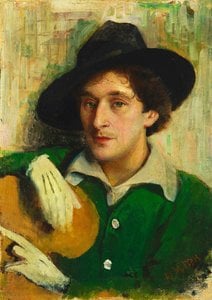
Marc Chagall
1887 - 1985, Białoruś
Biografia artysty
Wczesne lata, rodzina i kształcenie
Marc Chagall przychodzi na świat 7 lipca 1887 roku w Witebsku, w Imperium Rosyjskim, jako Moishe Segal. Jest pierwszym z dziewięciorga dzieci w skromnej żydowskiej rodzinie. Jego wczesne życie wyznaczane jest przez rytm pracy i drobnego handlu. Ojciec, Khatskel Segal, pracuje jako konserwator śledzi w magazynie, podczas gdy matka, Feïga-Ita Tchernina, prowadzi mały sklep spożywczy. Te pierwsze lata są głęboko zakorzenione w specyficznej teksturze prowincjonalnego miasteczka, gdzie granice jego świata kształtowane są przez potrzeby licznego gospodarstwa domowego oraz tradycje wspólnoty.
Edukacja rozpoczyna się w murach hederu, tradycyjnej żydowskiej szkoły podstawowej. Tutaj uwaga skupiona jest na nauczaniu religijnym i fundamentalnych tekstach, które stanowią fundament jego wychowania. Gdy artysta osiąga trzynasty rok życia, zakres jego nauki przesuwa się w stronę edukacji świeckiej. Wchodzi do oficjalnej szkoły średniej w Witebsku, aby podjąć naukę w języku rosyjskim, co stanowi odejście od ściśle religijnej sfery jego dzieciństwa. To podwójne istnienie – zawieszone między świętymi tradycjami hederu a świeckimi wymogami państwowej szkoły – tworzy napięcie, które zdefiniuje jego wczesny rozwój.
Artystyczny impuls znajduje swój pierwszy formalny wyraz w Witebsku. Marc Chagall przechodzi pierwsze szkolenie w lokalnej szkole artystycznej prowadzonej przez Iouriego Pena. To właśnie tutaj surowy instynkt wizualnej ekspresji zaczyna krystalizować się w zdyscyplinowaną praktykę. Artysta przechodzi od ustrukturyzowanych lekcji w klasie ku głębszemu zaangażowaniu w sam akt patrzenia, przygotowując grunt pod życie poświęcone przekładaniu pamięci na formę.
Formacyjne lata w Sankt Petersburgu
Przejście od prowincjonalnej ciszy Witebska do imperialnej skali Sankt Petersburga naznaczone jest walką o przetrwanie. W latach 1907–1909 stolica nie oferuje wiele komfortu; bieda staje się nieodłączną towarzyszką, a chwile głodu bywają tak dotkliwe, że fizyczne wycieńczenie staje się bolesną rzeczywistością. Aby przeżyć, Marc Chagall wychodzi na ulice, zarabiając na skromne utrzymanie poprzez malowanie szyldów sklepowych. Te komercyjne zajęcia dostarczają niezbędnych rubli, pozwalających mu trwać w mieście, podczas gdy on sam próbuje odnaleźć się w skomplikowanej rzeczywistości żydowskiego studenta w ogromnym, nieustannie zmieniającym się imperium.
Dążenie do wiedzy akademickiej jest nieustanne. Artysta zapisuje się do kilku akademii, poszukując formalnej struktury dla swojego rodzącego się języka wizualnego. Atmosfera stolicy jest przesycona wpływami awangardy, co tworzy napięcie odciągające go od klasycznego wykształcenia. Znajduje się w pracowni Léona Baksta, scenografa słynnych Ballets Russes, gdzie teatralność projektów scenicznych zaczyna przenikać do jego postrzegania przestrzeni i formy. Ten okres to zderzenie konieczności z ambicją – czas szkicowania w celu przetrwania, przy jednoczesnym chłonięciu radykalnych przemian zachodzących na rosyjskiej scenie artystycznej.
Lata paryskie i wpływ awangardy
Paryż wita go w latach 1910 lub 1911, przynosząc nagłe wyrwanie z prowincjonalnych ograniczeń Imperium Rosyjskiego. Miasto staje się dla niego szokiem sensorycznym. W uliczkach Montparnasse odnajduje światło, kolor i prawdziwą wolność. To już nie jest świat handlarza śledziem czy tradycyjnej szkoły cheder; to krajobraz radykalnych możliwości. Artysta osiada w La Ruche, słynnym kolonii artystycznej, gdzie powietrze wręcz gęstnieje od obecności nowej awangardy. Dzieli tę przestrzeń z takimi postaciami jak Amedeo Modigliani i Fernand Léger, twórcami redefiniującymi granice nowoczesnej ekspresji. Wpływ epoki jest nieunikniony, a jednak Marc Chagall pozostaje outsiderem, chłonąc odkrycia fowizmu i kubizmu, lecz nie poddając się w pełni ich rygorom, zachowując własną, wewnętrzną logikę.
Twórczość powstała w tym okresie zaczyna odzwierciedlać odejście od dosłownej reprezentacji. Artysta zmierza ku stylowi, który przedkłada emocjonalne i poetyckie skojarzenia nad surowe reguły logiki malarskiej. Kolory stają się jaśniejsze, rozświetlone kontaktem z paryską sceną artystyczną. Marc Chagall balansuje między formalnym wykształceniem z przeszłości a eksperymentalną wolnością teraźniejszości. Ten okres intensywnego twórczego tarcia trwa aż do momentu, gdy polityczne niepokoje wojenne rzucają go z powrotem ku Wschodowi. Dopiero w 1923 roku powraca do Paryża wraz z rodziną, na nowo ustanawiając swoją obecność w mieście, które jako pierwsze otworzyło przed nim bramy jego własnego, wizualnego języka.
- The Betrothed and Eiffel Tower (1913)
- Hommage à Apollinaire (1912-1913)
Lata rosyjskie i rewolucja
Rewolucja przyciąga Marc Chagall z powrotem do Vitebska. Artysta nie ogranicza się jedynie do roli obserwatora dziejowych zawieruch; on próbuje aktywnie kształtować ich krajobraz kulturowy. Przyjmuje funkcję komisarza sztuk pięknych w Vitebsku i obejmuje dyrekcję lokalnej szkoły artystycznej. Jego wizja opiera się na idei wspólnoty i edukacji, jednak polityczny klimat nieustannie zmienia się pod jego stopami. Narodziny Suprematyzmu tworzą głęboki rozłam. Postacie takie jak Malewicz i Lissitzky dążą ku radykalnej, nieobiektywnej abstrakcji, która pozostaje w kolizji z bardziej lirycznym, figuratywnym podejściem, jakie reprezentuje Marc Chagall. To napięcie staje się nie do zniesienia. Artysta zostaje zmuszony do rezygnacji ze swoich stanowisk, a jego marzenie o lokalnym odrodzeniu artystycznym zderza się z rygorystycznymi wymaganiami nowego reżimu.
W 1920 roku punkt ciężkości przesuwa się w stronę Moskwy. Marc Chagall pracuje nad dekoracjami teatru żydowskiego – projektem, który w sposób doskonały oddaje punkt styku jego osobistej tożsamości z publiczną sceną. Jego linie stają się pewne, a kolory – intensywne, a zarazem blade, nawet gdy świat wokół niego ulega fragmentacji. Przechodzi przez okres niezwykle intensywnej twórczości i głębokiej walki o byt materialny, zawieszony między wspomnieniem sztetla a wymaganiami zmieniającego się państwa. Epoka ta definiowana jest właśnie przez to tarcie: przez próbę budowy kulturowego domu w czasie, gdy same fundamenty jego świata są nieustannie przepisywane na nowo.
- Over the Town (1914–1918)
- Apparition (około 1917-18)
Życie w Stanach Zjednoczonych
Wybuch II wojny światowej wymusza nagłą zmianę geograficznego biegu życia artysty. W 1941 roku Marc Chagall wraz z rodziną szuka schronienia w Stanach Zjednoczonych, uciekając przed niepewnością okupowanej Francji. Osiada w Nowym Jorku i jego okolicach, co staje się okresem rezydencji trwającym aż do 1948 roku. Miasto to staje się tłem dla głębokich, emocjonalnych wstrząsów. Wśród niepokojów wojennych lat, jego pędzel chwyta napięcie świata znajdującego się w stanie nieustannego ruchu. Twórczość ta odzwierciedla niepewność epoki, przekładając osobisty i globalny niepokój na wizualny język cierpienia i nadziei.
Podczas tych siedmiu lat artysta znajduje sposób na zaangażowanie się w wielkie projekty instytucjonalne. Podejmuje się ważnych zleceń dla siedziby Organizacji Narodów Zjednoczonych, tłumacząc swoją poetycką wizję na architektoniczną tkankę globalnej instytucji. Ten okres w Ameryce stanowi istotny rozdział eksperymentowania i walki o przetrwanie, łącząc jego europejskie korzenie z nową, intensywną rzeczywistością. Pozaje on człowiekiem zawieszonym między światami, którego serce wciąż rwie się ku Francji, nawet gdy musi mierzyć się ze złożonościami amerykańskiego wygnania.
- Białe Ukrzyżowanie (1938)
Technika i styl artystyczny
Logika ustępuje miejsca emocjom. Marc Chagall odrzuca sztywne reguły malarskiej logiki, wybierając zamiast tego komponowanie obrazów poprzez poetyckie skojarzenia. Jego płótna operują mechaniką snu. Postacie unoszą się w powietrzu, rzucając wyzwanie grawitacji, podczas gdy kolory pulsują nienaturalną intensywnością. Takie podejście pozwala mu uchwycić istotę uczucia, a nie dosłowny wygląd świata. Wykracza on poza zwykłe naśladownictwo, używając odważnej palety barw, by przełożyć pamięć na język wizualny.
Jego estetyka to zderzenie wpływów. Chłonie on pofragmentowane struktury kubizmu i intensywny kolor fowizmu, lecz filtruje te awangardowe ruchy przez głęboko osobisty pryzmat. Rezultatem jest styl łączący ekspresjonizm z abstrakcją. Przeplata on sacrum z profanum, wypełniając swoje sceny symbolicznymi i surrealistycznymi obrazami. Żydowskie opowieści ludowe oraz ciche, autentyczne detale życia w sztetlu stają się fundamentami prywatnej mitologii. To, co znane, staje się fantastyczne.
Ikonografia często koncentruje się wokół powracających motywów: latających kochanków, skrzypków i potężnych bukietów kwiatów. Elementy te nie są jedynie dekoracją, lecz symbolami duchowego i emocjonalnego krajobrazu. W dziełach takich jak Kochankowie (1929), poczucie nieważkości i użycie intensywnego koloru tworzą przestrzeń, w której prawa fizyki przestają obowiązywać. Jego twórczość pozostaje nieustannym dialogiem między namacalną rzeczywistością dzieciństwa a nieograniczonymi możliwościami wyobraźni.
- Ja i wioska (1911)
- Zielony skrzypek (1924)
- Białe Ukrzyżowanie (1938)
Mecenasi, warsztat i zamówienia
Połowa lat dwudziestych XX wieku zastaje Marc Chagall w Paryżu, gdzie porusza się w wpływowych kręgach rynku sztuki. Wkracza w orbitę Ambroise’a Vollarda, marszanda, którego autorytet ukształtował trajektorie wielu artystów awangardowych. Vollard zleca Chagallowi serię rycin, powierzając mu ilustrowanie dzieł Mikołaja Goga, a w szczególności Martwych dusz. Ten okres wyznacza zwrot ku precyzji grafiki warsztatowej, oddalając się od płynnej spontaniczności jego wcześniejszych płócien.
W 1931 roku punkt ciężkości przesuwa się w stronę Bliskiego Wschodu. Burmistrz Tel Awiwu kieruje do artysty zaproszenie, by ten udał się do Palestyny. Cel jest ambitny: założenie Żydowskiego Muzeum Sztuki. Ten czas pogłębia jego zaangażowanie w symbolikę religijną i kulturową, co staje się motywem przewodnim jego późniejszych, monumentalnych dzieł architektonicznych. Umiejętność przekładania osobistej i wspólnotowej pamięci na przestrzeń fizyczną staje się definiującym aspektem jego twórczości.
Wraz ze wzrostem sławy, skala jego pracy rozrasta się od intymnej strony książki po monumentalizm. Marc Chagall wkracza w królestwo światła i architektury, projektując witraże dla katedry w Metz oraz dla siedziby Narodów Zjednoczonych w Nowym Jorku. Dzieła te wymagają mistrzowskiego zrozumienia tego, jak kolor wchodzi w interakcję ze światłem słonecznym. W 1964 roku osiąga on szczyt publicznego uznania dzięki zamówieniu na dekorację sufitu Opery Paryskiej – to potężne przedsięwzięcie, które przenosi jego oniryczne obrazy do jednej z najważniejszych instytucji kulturalnych Europy.
Gdzie dziś można podziwiać jego dzieła
Dziedzictwo jego wizji pozostaje zakotwiczone w kilku kluczowych instytucjach na całym świecie. W Nice, we Francji, Musée National Marc Chagall skrywa obszerną kolekcję jego prac, zachowując samo serce jego twórczego dorobku. Muzeum to oferuje skoncentrowany wgląd w symbolikę, która definiowała jego długą karierę. Tymczasem Państwowe Muzeum Rosyjskie w Sankt Petersburgu w Rosji posiada znaczące zbiory jego sztuki, przechowując dzieła nawiązujące do jego wczesnych lat i czasu spędzonego w Imperium Rosyjskim.
Zasięg jego twórczości wykracza poza ocean, docierając do Stanów Zjednoczonych. Museum of Modern Art w Nowym Jorku posiada prace odzwierciedlające jego złożoną relację z tym miastem podczas lat emigracji. W amerykańskim Środkowym Zachodzie Art Institute of Chicago prezentuje jego sztukę, zapewniając jego obecność w najważniejszych międzynarodowych kolekcjach. Te lokalizacje stanowią główne punkty styku dla każdego, kto pragnie doświadczyć jego specyficznego podejścia do koloru i formy.


Powiązane artykuły

Dreaming in Color: The 25 Most Iconic Masterpieces by Marc Chagall
Explore 25 iconic Marc Chagall masterpieces through color and dream. Discover the full collection online at ArtsDot.com.

Discovering What Marc Chagall is Most Known For: A Guide to His Dreamlike Style
Discover the specific symbolic motifs and color palettes that define Chagall's legacy, from his Jewish folklore to his surrealist masterpieces

Who Was Marc Chagall? A Journey Through His Dreamlike World
Discover the life of Marc Chagall and explore the vibrant themes of his most iconic masterpieces through the lens of a master storyteller.