

 Podgląd w skali 1:1
 Wyślij jako kartkę
 Udostępnij
 Szczegóły dzieła
 Przewodnik

 Pobierz obraz
 Podobne obiekty
 RTG
RTG Pokaz slajdów
 Pytania i odpowiedzi
 Statystyki
Spatial Concept

- 126.0 x 90.0 cm


 Rozwiń treść
Dzieło sztuki prezentowane na tej stronie podlega ochronie prawem autorskim, co oznacza, że nie mamy prawa do tworzenia ani sprzedaży jego identycznej reprodukcji. Ochrona ta jest egzekwowana na mocy umów międzynarodowych, takich jak Konwencja berneńska oraz przez przepisy prawa krajowego, w tym te określone w Prawo autorskie USA – Tytuł 17.
Metoda ta jest w pełni zgodna z przepisami prawa autorskiego, ponieważ nie polega na kopiowaniu ani powielaniu chronionego dzieła. Stanowi ona kreatywną reinterpretację – nowy obraz, który czerpie inspirację z oryginału, ale nie jest z nim tożsamy.
Giclée / Wydruk artystyczny
Wydruki giclée lub płótna o jakości muzealnej, szybka realizacja i szeroki wybór opcji wykończenia. ( Zamów ręcznie malowaną reprodukcję Przejdź do wersji cyfrowej)




P118B zł10

P118H zł10

P118W zł10

P438Z zł10

P508JH zł12

P508YH zł12

P805H zł10

P805Z zł10

P919BZ zł10

P919G zł10

P919XJ zł10

P959ZH zł10

P968JZ zł12

W106C zł8

W218G zł10

W218JH zł8

W218Y zł10

W307PJ zł10

W316G zł10

W316PJ zł8

W316Y zł10

W398PJ zł8

W4111J zł10

W500HY zł15

W500JH zł15

W692G zł12

W849H zł8

W940BG zł15

W953PJ zł8




Wybierz spośród naszych standardowych rozmiarów, które zachowują oryginalne proporcje dzieła sztuki.

Wpisz wymaganą szerokość i wysokość, aby dopasować grafikę do ramy lub ściany. Wydruk można jedynie przyciąć, nigdy nie powiększając go poza oryginalny obraz, dlatego format o innych proporcjach spowoduje utratę części kompozycji. Przed rozpoczęciem druku prześlemy Ci cyfrowy podgląd do zatwierdzenia. Obraz wyświetlany na tej stronie nie pokazuje rzeczywistego przycięcia — jedynie podgląd oddaje ten efekt.
Dostawa na cały świat () w ciągu 2 tygodni zamiast standardowych 4/5 tygodni. (21 Listopad)

Bezpłatna ekspresowa wysyłka na cały świat

Wysokiej jakości płótno lniane

Pełne ubezpieczenie przesyłki

Gwarancja zwrotu należności celnych i podatków importowych

Gwarancja wiernego odwzorowania kolorów

100-dniowa polityka zwrotów (tylko w przypadku wad)

Gwarancja 100% zwrotu pieniędzy

Zniżka przy zakupie wielu sztuk
 Opcja ze szkłem jest dostępna wyłącznie w rozmiarach poniżej 110 cm

Spatial Concept
Giclée / Wydruk artystyczny
Wymiary reprodukcji
-


Cena całkowita
zł 246
Lucio Fontana’s “Spatial Concept”: A Window Into the Void
Lucio Fontana's "Spatial Concept," painted in 1956, isn’t merely a depiction of a bed and chair; it’s an invitation to contemplate the very nature of space itself. This black-and-white photograph captures a pivotal work from Fontana’s Spatial Concepts series – a body of paintings that fundamentally challenged Western artistic conventions and pushed the boundaries of what painting could be. The image, with its stark contrasts and subtle textures, immediately draws the viewer in, prompting an initial impression of quiet domesticity quickly complicated by the underlying radicalism of Fontana's vision.
The composition is deceptively simple. A worn mattress dominates the foreground, suggesting a history of use and perhaps even neglect – a grounding element within the otherwise ethereal space. A single chair sits nearby, creating a dialogue between comfort and contemplation. However, it’s the background that truly commands attention: Fontana's signature technique of slashing through the canvas, revealing layers beneath, is powerfully evident. These deliberate cuts aren’t merely decorative; they represent an attempt to pierce the illusionistic surface of painting, to expose the “free space” beyond – a concept central to Spatialism.
The Genesis of Spatialism
To understand "Spatial Concept," we must delve into the intellectual and artistic climate that birthed it. Fontana’s work emerged in the aftermath of World War II, a period marked by profound disillusionment and a questioning of established values. He was deeply influenced by Futurism's embrace of dynamism and speed, but rejected its emphasis on celebrating machinery. Instead, he sought to move beyond the limitations of two-dimensional representation, drawing inspiration from developments in science – particularly Einstein’s theory of relativity – which challenged our understanding of space and time. This scientific shift mirrored a broader cultural yearning for new modes of expression.
Fontana's return to Argentina during his youth profoundly shaped his artistic perspective. The vastness of the Argentine landscape, with its seemingly endless horizons, instilled in him a sense of spatial awareness that would later inform his groundbreaking work. His early exposure to sculpture, inherited from his father, Luigi Fontana – also a sculptor – provided a crucial foundation for his exploration of form and volume, even as he moved towards increasingly abstract approaches.
Technique and Symbolism: A Deeper Dive
The execution of "Spatial Concept" is both meticulous and intuitively expressive. The black-and-white photography highlights the subtle variations in texture created by Fontana’s slashing technique – the rough edges, the delicate perforations, and the layered underpaintings all contribute to a complex visual tapestry. These cuts aren't random; they are carefully considered gestures that disrupt the traditional boundaries of the canvas, creating an illusion of depth and suggesting an infinite space beyond.
Symbolically, "Spatial Concept" speaks to themes of transformation, revelation, and the search for meaning. The exposed layers beneath the surface can be interpreted as representing hidden realities or forgotten memories. The act of cutting itself is a metaphor for breaking down barriers – both physical and psychological – and opening oneself up to new possibilities. It’s a visual embodiment of the idea that art should not simply imitate reality, but rather engage with its fundamental principles.
A Legacy in Reproduction
ArtsDot offers meticulously crafted hand-painted reproductions of Lucio Fontana's "Spatial Concept," allowing you to bring this seminal work into your own space. Our artists replicate the nuances of Fontana’s technique – the subtle textures, the precise cuts – with an unparalleled level of detail and fidelity. Whether displayed in a contemporary interior or as a statement piece within a classic setting, this reproduction captures the essence of Fontana's revolutionary vision, inviting viewers to contemplate the boundless possibilities of art and space.
Explore the full artwork details and order your hand-painted reproduction today: Spatial Concept
Pytania i odpowiedzi
Czy dzieło "Spatial Concept" jest dostępne jako wysokiej jakości wydruk artystyczny?
Odbitkę dzieła „Spatial Concept” – Lucio Fontana można zamówić bezpośrednio na stronie Wydruk artystyczny premium: szlachetna odbitka na płótnie bawełnianym lub archiwalnym papierze o strukturze płótna.
Jaka jest technika i wymiary dzieła „Spatial Concept” – Lucio Fontana?
"Spatial Concept" powstało przy użyciu Akryl na płótnie i w swojej oryginalnej formie ma wymiary 126 x 90 cm.
Czy mogę przyjrzeć się bliżej dziełu "Spatial Concept"?
Widok rentgenowski dzieła „Spatial Concept” – Lucio Fontana jest dostępny na stronie Analiza rentgenowska: to interaktywna analiza obrazu obejmująca jedenaście warstw optycznych.
Podobne dzieła


Biografia artysty
Wczesne lata Lucio Fontana
Aby zrozumieć radykalne zmiany w abstrakcji połowy XX wieku, należy cofnąć się do specyficznych korzeni, jakie miał Lucio Fontana. Urodzony 19 lutego 1899 roku w Rosario w argentyńskiej prowincji Santa Fe, kształtował swoją tożsamość na styku dwóch światów. Jako włoski rzeźbiarz, malarz i teoretyk urodzony w Argentynie, posiadał unikalną, podwójną perspektywę na formę i przestrzeń już od najmłodszych lat. Nie był to przypadek; był synem rzeźbiarza Luigiego Fontany, człowieka, którego profesjonalne skupienie na formach monumentalnych położyło materialny fundament pod późniejsze, rewolucyjne ingerencje Lucio w strukturę płótna.
Jego wczesne lata definiowało bliskie sąsiedztwo rzemiosła oraz fizyczny ciężar rzeźby. Dorastając w cieniu prac swojego ojca, Lucio Fontana nie tylko obserwował sztukę; był całkowicie zanurzony w technicznych realiach jej tworzenia. To wczesne obcowanie z dotykową naturą materii ostatecznie doprowadziło go do zakwestionowania powierzchni, które uczył się opanowywać. Nieustanne przemieszczanie się między Argentyną a Włochami zapobiegło jakimkolwiek jednolitym, statycznym przywiązaniu do jednej tradycji. Gdy osiągnął dojrzałość, napięcie między jego argentyńskimi korzeniami a włoskim dziedzictwem zaczęło już kształtować perspektywę, która odmawiała pozostania w bezpiecznych granicach tradycyjnej reprezentacji.
Edukacja i wczesny rozwój artystyczny
Fundamenty techniczne, na których opierał swoją twórczość, Lucio Fontana budował poprzez praktyczne doświadczenia rzeźbiarskie. Swoje pierwsze kroki stawiał pod okiem ojca, Luigiego Fontany – rzeźbiarza, który zaszczepił w nim niezbędną dyscyplinę niezbędną do pracy z materią. Ta nauka nie była jedynie jałowym ćwiczeniem akademickim; stanowiła bezpośrednie zanurzenie w mechanice formy. Wczesne lata artysty upłynęły pod znakiem nieustannych podróży między Argentyną a Włochami. Po wyjeździe do Włoch w 1905 roku, pozostał tam aż do 1922 roku, co pozwoliło mu zakorzenić swój rozwój w tradycji europejskiej, zanim zdecydował się na późniejsze, radykalne odejście od dotychczasowych paradygmatów.
Przejście od rzemiosła do formalnych studiów akademickich nastąpiło w prestiżowej Accademia di Brera w Mediolanie. W latach 1928–1930 kształcił się pod okiem Adolfo Wildta, co pozwoliło mu pogłębić zrozumienie objętości i właściwości materiału. Ten akademicki rygor stworzył niezbędne napięcie, wobec którego później odnosiły się jego rewolucyjne teorie. Do 1930 roku jego obecność na scenie artystycznej Mediolanu stała się faktem dzięki pierwszej wystawie zorganizowanej przez galerię Il Milione. Ten debiut zwiastował nadejście artysty, który opanował tradycyjne reguły rzeźby i malarstwa tylko po to, by zacząć podważać samą ich konieczność.
Fundamenty Spatializmu
Lucio Fontana nie był jedynie uczestnikiem awangardy; on zaprojektował zupełnie nowy sposób istnienia sztuki w powojennej rzeczywistości. W 1946 roku stał się autorem Białego Manifestu – dokumentu, który zwiastował odejście od statycznych ograniczeń tradycyjnej reprezentacji. Nie był to jednak czysto teoretyczny wykład. Była to bezpośrednia odpowiedź na świat nieodwracalnie przekształcony przez przełomy naukowe i technologiczne. Artysta zrozumiał, że sztuka musi ewoluować równolegle do odkrywania nowych sił fizycznych oraz coraz większej biegłości w panowaniu nad materią i przestrzenią. Już w 1946 roku jego wpływ stał się faktem instytucjonalnym dzięki założeniu akademii Altamira w Buenos Aires.
Ruch, który powołał do życia – Spatializm – dążył do zintegrowania realnej przestrzeni i czasu z samym dziełem sztuki. W latach 1947–1952 Lucio Fontana sformułował pięć manifestów Spatializmu, które skodyfikowały ten radykalny zwrot. Odrzucił on koncepcję płótna jako płaskiej, zamkniętej powierzchni. Zamiast tego zaczął traktować je jako przestrzeń akcji, sposób na przebicie bariery oddzielającej dwuwymiarowe malarstwo od trójwymiarowej pustki. Było to wyrachowane przełamanie płaszczyzny obrazu. Artysta wyszedł poza iluzję głębi, by wejść w bezpośrednią relację z rzeczywistymi, fizycznymi wymiarami kosmosu.
- Biały Manifest (1946)
- Manifesty Spatializmu (1947–1952)
Techniki i styl artystyczny
Podejście Lucio Fontana stanowiło bezpośredni atak na tradycyjną, dwuwymiarową płaszczyznę. Artysta wyszedł daleko poza ramy czystej reprezentacji, aby zbadać fizyczną relację zachodzącą między materią a przestrzenią. Dokonywał tego poprzez celowe, wręcz gwałtowne interwencje w medium. Używając specjalistycznego wiertła, tworzył buchi (dziury), które funkcjonowały niczym portale, przebijając barierę między powierzchnią a nicością. Wykorzystywał również płótna z rozcięciami, używając żyletki do tworzenia tagli, które zakłócały pole wizualne. Nie były to jednak przypadkowe akty destrukcji, lecz przemyślane metody wprowadzania rzeczywistej, trójwymiarowej przestrzeni wprost do wnętrza dzieła.
Jego eksperymenty z materią obejmowały także manipulację teksturą i światłem. Często pokrywał powierzchnie grubym impasto i kolorowym szkłem, aby nadać im namacalną, fizyczną obecność. Aby pogłębić poczucie tajemnicy, często wyścielał rewers swoich płócien czarną gazą, co sprawiało, że za cięciami ukazywała się mroczna, migocząca głębia. W swoją praktykę artystyczną włączał również nowoczesną technologię, wykorzystując neony do badania interakcji światła z wymiarami przestrzennymi. To właśnie to połączenie ciężkiej, fizycznej materii z pustką nicości definiuje jego unikalny język wizualny.
- Concetto spaziale, La Fine di Dio (1963)
- Concetto spaziale, Attese (1965)
Kluczowe dzieła i osiągnięcia rzeźbiarskie
Wczesna twórczość artysty ukazuje rzeźbiarza głęboko zaangażowanego w fizyczny ciężar swojego medium. W 1931 roku stworzył Busto femminile, dzieło oddające przejście od figuralnej elegancji ku radykalnym eksploracjom przestrzennym, które miały później zdefiniować jego karierę. Do 1934 roku jego skupienie na materialności kontynuował projekt Il fiocinatore. Te wczesne prace świadczą o biegłości w operowaniu formą, zanim jeszcze zdecydował się na demontaż samego pojęcia obiektu.
Zwrot ku Spatializmowi wymusił odejście od tradycyjnej reprezentacji. Lucio Fontana zaczął traktować płótno i rzeźbę jako miejsca fizycznej interwencji. Jego Spatial Concept stanowi bezpośrednią konfrontację z tą ideą, wykorzystując drewno i metal do stworzenia napięcia między stałą materią a pustką. Nie był to gest dekoracyjny, lecz strukturalne przesłuchanie przestrzeni. Artysta rozszerzył tę logikę na samo otoczenie w 1951 roku poprzez Luce spaziale – neonowy sufit, który uczynił światło fizycznym komponentem dzieła.
Jego późniejsze poszukiwania w obszarze nicości osiągnęły apogeum w połowie lat 60. XX wieku. Między 1963 a 1964 rokiem wykonał Concetto spaziale, La Fine di Dio, dzieło, które przesunęło granice jego teorii przestrzennych. Te kompozycje dowodzą, że jego zainteresowania nigdy nie koncentrowały się na powierzchni, lecz na wymiarach istniejących poza nią.
- Busto femminile (1931)
- Il fiocinatore (1934)
- Luce spaziale (1951)
- Concetto spaziale, La Fine di Dio (1963–1964)
Dziedzictwo i globalny wpływ
Wpływ, jaki wywarł Lucio Fontana, jest najbardziej odczuwalny w przejściu ku materialności i radykalnej redukcji formy. Jego nieustępliwość w traktowaniu płótna jako fizycznego obiektu, a nie jedynie okna dla iluzji, położyła fundamenty pod minimalizm. Poprzez odrzucenie reprezentacyjnego chaosu, artysta wymusił konfrontację z surowymi właściwościami medium. To skupienie na esencjonalnej naturze materii antycypowało również kluczowe założenia ruchu Arte Povera, szczególnie w sposobie, w jaki wykorzystywał on niekonwencjonalne materiały i podkreślał fizyczną obecność dzieła w przestrzeni.
Jego radykalne podejście pozostaje punktem odniesienia dla współczesnych twórców instalacji i sztuki konceptualnej. Wykraczając poza płaszczyznę dwuwymiarową, by wejść w bezpośrednią relację z rzeczywistymi wymiarami pomieszczenia, Fontana wyprzedził wiele nurtów sztuki immersyjnej, które znamy dzisiaj. Traktując pustkę jako namacalny element, zmienił sposób, w jaki artyści podchodzą do relacji między obiektem a jego otoczeniem. Jego twórczość nie tylko zajmuje przestrzeń; ona aktywnie ją poddaje przesłuchaniu.
Odwaga w rzucaniu wyzwania ustalonym konwencjom pozwoliła mu na przedefiniowanie samej esencji ekspresji artystycznej. Przesunął on punkt ciężkości sztuki z aktu przedstawiania na akt interwencji. To przejście od tego, co dzieło reprezentuje, ku temu, co dzieło czyni, pozostaje fundamentalną koncepcją we współczesnej praktyce twórczej. Wpływ artysty jest widoczny w każdym dziele, które przedkłada fizyczny gest i przestrzenną rzeczywistość medium nad tradycyjną narrację.
Gdzie dziś można podziwiać jego dzieła
Fizyczna obecność twórczości Lucio Fontana w światowym obiegu muzealnym pozostaje niezwykle istotna. Aby w pełni doświadczyć rzeczywistego wpływu jego przestrzennych interwencji, należy zwrócić się ku najważniejszym kolekcjom instytucjonalnym. W Nowym Jorku jego prace znajdują się w Metropolitan Museum of Art oraz w Solomon R. Guggenheim Museum. Te miejsca zapewniają niezbędny kontekst, pozwalający zrozumieć, jak jego nacięcia i rozcięcia funkcjonowały w procesie ewolucji nowoczesnej abstrakcji. Jego wpływ jest równie widoczny w Europie, gdzie stałe zbiory posiadają Centre Pompidou w Paryżu oraz Stedelijk Museum w Amsterdamie. Instytucje te przechowują materialną rzeczywistość jego eksperymentów z głębią i pustką.
Wenecki krajobraz również utrzymuje więź z jego praktyką artystyczną dzięki kolekcji Peggy Guggenheim. Obcowanie z jego dziełami w tak specyficznych środowiskach pozwala na bezpośrednią konfrontację z teksturą oraz fizycznymi szczelinami, które stworzył. Obecność artysty w tych miastach sprawia, że jego teorie na temat przestrzeni i materii pozostają częścią żywego dialogu w historii sztuki współczesnej. Poniższe dzieła stanowią konkretne przykłady jego dorobku, odnalezionego w różnych kolekcjach:
- Busto femminile (Museo del Novecento, Mediolan)
- Il fiocinatore (Museo del Novecento, Mediolan)
- Spatial Concept (Boschi Di Stefano House Museum, Mediolan)
- Concetto spaziale (La notte) (Museo del Novecento, Mediolan)
- Space Concept, Waiting (Sezon Museum of Modern Art, Karuizawa)

Lucio Fontana
1899 - 1968 , Argentyna
Krótka nota
- Artistic Movement Or Style: Spatializm
- Artists Or Movements Influenced By This Artist:
- Minimalizm
- Arte Povera
- Zero
- Nouveau Réalisme
- Artists Who Influenced This Artist:
- Vincent van Gogh
- Pieter Bruegel Starszy
- Jan Grzegorz Stanisławski
- Date Of Birth: 1899
- Date Of Death: 1968
- Full Name: Lucio Fontana
- Nationality: Włoski pochodzenia argentyńskiego
- Notable Artworks:
- Busto femminile
- Uomini a cavallo
- Signorina seduta
- Il fiocinatore
- Spatial Concept
- Concetto spaziale (La notte)
- Soffitto spaziale
- View of
- I quanta
- Teatrino
- Space Concept, Waiting
- Place Of Birth: Rosario, Argentyna
Powiązane artykuły

Umberto Boccioni: Dynamism, Futurist Ideals & the Evolution of Modern Sculpture
Explore the revolutionary art of Umberto Boccioni, a leading figure of Futurism. Discover his iconic sculptures & paintings, and delve into the movement's impact on modern art history with ArtsDot.

Sztuka dopasowana do architektury: Precyzja spersonalizowanego projektu i harmonia wnętrza
Sztuka dopasowana do architektury – precyzyjny projekt i harmonia wnętrza. Personalizowane obraje, reprodukcje najwyższej jakości od ArtsDot. Doradztwo ekspertów i inwestycja w trwałą wartość.
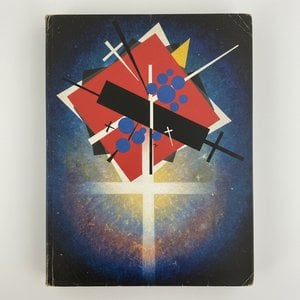
Poza Reprezentację: Eksploracja Radykalnej Geometrii Suprematyzmu i Jego Duchowych Podstaw
Odkryj fascynujący świat suprematyzmu Kazimierza Malewicza! Analiza teorii, kluczowych dzieł i duchowego wymiaru tego przełomowego kierunku w sztuce abstrakcyjnej. Ekskluzywne spojrzenie dla kolekcjonerów i miłośników historii sztuki.

Poza Wzrok: Eksploracja Zmysłowych Wymiarów Tekstury i Oświetlenia w Malarstwie Abstrakcyjnym
Odkryj zmysłowe wymiary tekstury i oświetlenia w malarstwie abstrakcyjnym! Ekspercka analiza technik, wpływ Kandinskiego, Rothko i innych mistrzów. Zainspiruj się i znajdź idealny obraz do swojego wnętrza.

Francesco Guardi: Venetian Light, Atmospheric Perspective & the Rococo to Neoclassical Transition
Explore the captivating world of Francesco Guardi, master of Venetian light and atmosphere. Discover his transition from Rococo to Neoclassicism, influence on Impressionism & investment potential with ArtsDot.


