


 Zobacz w skali 1:1
 Wyślij
 Udostępnij
 Szczegóły
 Przewodnik

 Pobierz plik obrazu
 Podobne obiekty
 RTG
RTG Pokaz slajdów
 Statystyki
Spatial Concept
 Acrylic On Canvas
- WallArt
- Spatial Expressionism
 1957
1957 100.0 x 125.0 cm
 Boschi Di Stefano House Museum
 Czytaj więcej
Dzieło sztuki prezentowane na tej stronie podlega ochronie prawem autorskim, co oznacza, że nie mamy prawa do tworzenia ani sprzedaży jego identycznej reprodukcji. Ochrona ta jest egzekwowana na mocy umów międzynarodowych, takich jak Konwencja berneńska oraz przez przepisy prawa krajowego, w tym te określone w Prawo autorskie USA – Tytuł 17.
Metoda ta jest w pełni zgodna z przepisami prawa autorskiego, ponieważ nie polega na kopiowaniu ani powielaniu chronionego dzieła. Stanowi ona kreatywną reinterpretację – nowy obraz, który czerpie inspirację z oryginału, ale nie jest z nim tożsamy.
Giclée / Wydruk artystyczny
Wydruki giclée lub płótna o jakości muzealnej, szybka realizacja i szeroki wybór opcji wykończenia. ( Kup ręcznie malowany obraz Przełącz na wersję cyfrową)




P118B zł10

P118H zł10

P118W zł10

P438Z zł10

P508JH zł12

P508YH zł12

P805H zł10

P805Z zł10

P919BZ zł10

P919G zł10

P919XJ zł10

P959ZH zł10

P968JZ zł12

W106C zł8

W218G zł10

W218JH zł8

W218Y zł10

W307PJ zł10

W316G zł10

W316PJ zł8

W316Y zł10

W398PJ zł8

W4111J zł10

W500HY zł15

W500JH zł15

W692G zł12

W849H zł8

W940BG zł15

W953PJ zł8




Wybierz spośród naszych standardowych rozmiarów, które zachowują oryginalne proporcje dzieła sztuki.

Możesz wprowadzić własne wymiary, aby dopasować dzieło do konkretnej ramy lub przestrzeni. Jeśli wybrany rozmiar nie będzie odpowiadał proporcjom oryginalnego obrazu, przytniecie dzieło lub rozszerzymy obraz za pomocą odbicia lustrzanego lub jednolitego wypełnienia krawędzi. Przed rozpoczęciem produkcji prześlemy cyfrową wizualizację do Twojej akceptacji.
Prosimy pamiętać, że podgląd na ekranie nie odzwierciedla faktycznego przycinania ani rozszerzania. Tylko wizualizacja dokładnie pokaże końcową kompozycję.
Mimo dostępności niestandardowych rozmiarów, zalecamy wybór wymiaru z listy zdefiniowanej, aby zachować oryginalne proporcje.
Dostawa na cały świat () w ciągu 2 tygodni zamiast standardowych 4/5 tygodni. (13 Październik)

Bezpłatna ekspresowa wysyłka na cały świat

Wysokiej jakości płótno lniane

Pełne ubezpieczenie transportowe

Gwarancja zwrotu należności celnych i podatków importowych

Gwarancja idealnego odwzorowania barw

100-dniowy okres na zwrot dzieła w przypadku wykrycia wad produkcyjnych

Gwarancja 100% zwrotu pieniędzy

Oferta przy zakupie wielu sztuk
 Opcja ze szkłem jest dostępna wyłącznie w rozmiarach poniżej 110 cm

Spatial Concept
Giclée / Wydruk artystyczny
Rozmiar reprodukcji
-


Suma do zapłaty
zł 233
Spatial Concept by Lucio Fontana
Lucio Fontana’s ‘Spatial Concept,’ captured in this striking black and white photograph, represents a pivotal moment in the artist's exploration of radical abstraction and his unwavering commitment to challenging conventional artistic perceptions. Executed in 1957, it exemplifies Fontana’s signature technique – the “Concetti Spaziali” or Spatial Concepts – where he punctures or incises canvases with nails or other instruments, transforming them into portals to another dimension. This photograph showcases a meticulously crafted composition featuring rocks interspersed with fragments of blue pigment and strategically positioned white dots against a deep black backdrop. The deliberate layering of textures—the rough surface of the rocks juxtaposed with the smooth expanse of pigment—creates an illusion of depth that transcends mere visual representation. The photograph itself serves as a testament to Fontana’s pioneering use of photography as a medium for artistic expression, mirroring his broader fascination with exploring spatial relationships and disrupting established boundaries within art history. It aligns perfectly with the burgeoning interest in Minimalism and Conceptual Art during the mid-1950s, movements that prioritized ideas over materiality—a core tenet of Fontana's artistic philosophy. The artist’s intention wasn’t simply to depict a scene; rather, he sought to provoke contemplation about perception and the nature of reality itself. Fontana’s Spatial Concepts emerged from his engagement with Surrealism and Constructivism, reflecting anxieties surrounding the Cold War era and an urgent desire to communicate profound philosophical ideas through visual language. The black surface symbolizes emptiness and infinite space—a deliberate antithesis to traditional painting techniques that strive for illusionistic representation. Conversely, the white dots represent points of illumination or potential rupture, symbolizing a disruption of established order and inviting viewers to consider alternative perspectives. They are not merely decorative elements but active participants in conveying Fontana’s conceptual vision.- Artist: Lucio Fontana
- Year Created: 1957
- Medium: Photography
- Dimensions: 100 x 125 cm
- Recommended for: Interior Designers seeking minimalist aesthetic
- Ideal For: Collectors interested in Conceptual Art pioneers
Pytania i odpowiedzi
Czy dzieło „Spatial Concept” autorstwa Lucio Fontana znajduje się w kraju pochodzenia artysty?
Nie – dzieło znajduje się za granicą. Lucio Fontana urodził(a) się w Argentyna, a oryginał dzieła „Spatial Concept” znajduje się w muzeum w Włochy.
Jaki kolor dominuje w kompozycji „Spatial Concept” autorstwa Lucio Fontana?
Dominującym kolorem dzieła „Spatial Concept” autorstwa Lucio Fontana jest Espresso (#2f302d).
Czy "Spatial Concept" to jedno z najpopularniejszych dzieł Lucio Fontana?
„Spatial Concept” autorstwa Lucio Fontana ma poziom popularności określony jako Iconic. Klasyfikacja ta odzwierciedla stopień rozpoznawalności dzieła.
Ile lat miał Lucio Fontana, gdy powstało dzieło „Spatial Concept”?
Lucio Fontana stworzył/a "Spatial Concept" w wieku 58 lat. Artysta urodził/a się w 1899, a datowanie dzieła to 1957.
Jaką harmonię kolorów prezentuje „Spatial Concept” autorstwa Lucio Fontana?
Kolory dzieła „Spatial Concept” autorstwa Lucio Fontana wykazują Strong Color Unity harmonię. Harmonia opisuje wzajemne relacje między kolorami.
Czy kolory w "Spatial Concept" wydają się intensywne czy łagodne?
Nasycenie barw w dziele „Spatial Concept” wynosi Monochromatic. Intensywność określa, jak mocne wydają się kolory.
W jaki sposób mogę kupić wydruk „Spatial Concept” autorstwa Lucio Fontana?
Aby zamówić wydruk dzieła „Spatial Concept” autorstwa Lucio Fontana, wystarczy złożyć zamówienie na ta strona: szlachetna odbitka na płótnie bawełnianym lub archiwalnym papierze płótnopodobnym.
O czym jest "Spatial Concept" i jaką ma atmosferę?
„Spatial Concept” autorstwa Lucio Fontana łączy w sobie black surface, white dots, coffins, burial box, spatial depth, minimalist composition, geometric form, texture contrast z Minimalist atmosferą.
Podobne dzieła


Biografia artysty
A Life Forged in Spatialism
Lucio Fontana, a name synonymous with radical innovation in 20th-century art, was born into a world poised between tradition and modernity. His journey began not in Italy, the nation he would come to define within the artistic landscape, but in Rosario, Argentina, in 1899. The son of an Italian sculptor, Luigi Fontana, young Lucio inherited a craftsman’s sensibility alongside a burgeoning artistic vision. This early exposure to form and material proved foundational, even as his life became a series of geographical and stylistic explorations. Returning to Italy with his family, he absorbed the rich cultural heritage of Europe, studying at the Brera Academy in Milan and immersing himself in the avant-garde movements that were beginning to challenge established norms. However, the pull of his origins remained strong; multiple returns to Argentina punctuated his career, shaping his perspective and fueling a desire to transcend conventional artistic boundaries. Fontana’s early work reflected this duality – initially rooted in figurative sculpture and painting, it gradually evolved towards abstraction, hinting at the revolutionary path he was destined to forge.Breaking the Canvas: The Birth of Spatialism
The devastation of World War II proved a catalyst for Fontana's most groundbreaking artistic endeavor. Witnessing the destruction and upheaval firsthand, he felt compelled to redefine art’s purpose in a world irrevocably altered. This led to the formulation of *Spatialism*, a movement that sought not merely to represent space but to incorporate it as an integral element of the artwork itself. Fontana believed traditional painting was limited by its two-dimensionality, confining art within a static plane. He envisioned a new form of expression that would break down these barriers, acknowledging the infinite depth and potential of space beyond the canvas. This wasn’t simply about creating illusions of depth; it was about physically opening up the artwork to reveal what lay *beyond*. Beginning in the late 1940s, Fontana began his now-iconic series of slashed and punctured canvases – the *Concetti Spaziali* (Spatial Concepts). These weren't acts of destruction but rather deliberate interventions, revealing a void that symbolized the vastness of the cosmos. The slashes, often executed with a razor blade, were precise and purposeful, transforming the canvas into a window onto another dimension. He wasn’t destroying the painting; he was liberating it from its limitations.Influences and Artistic Kinship
Fontana's artistic development wasn’t born in isolation. He engaged with a diverse range of influences, absorbing and transforming them into his unique visual language. The expressive power of Vincent van Gogh resonated deeply within him, particularly the emotional intensity conveyed through brushwork. He also admired the satirical edge of Pieter Bruegel the Elder, finding inspiration in the older master’s ability to critique societal flaws. However, a pivotal encounter with the work of Polish artist Jan Grzegorz Stanisławski proved particularly transformative. Stanisławski's exploration of light and color within his 'Mullein' series profoundly impacted Fontana’s approach to abstraction and spatial representation. Furthermore, his participation in groups like *Abstraction-Création* in Paris exposed him to a broader network of avant-garde artists, fostering an exchange of ideas that fueled his experimentation. While distinctively original, Fontana’s work also shares affinities with other post-war movements such as Zero and Nouveau Réalisme, all striving to redefine the boundaries of art and challenge conventional perceptions.The Evolution of Technique: From Slash to Hole
Fontana's technique evolved dramatically over time. Initially, the *Concetti Spaziali* were characterized by bold, decisive slashes that created a dramatic contrast between the painted surface and the exposed canvas behind it. These works immediately captured attention and sparked debate about their meaning and purpose. However, Fontana didn’t remain static. He began to experiment with more subtle interventions, creating *hole paintings* – canvases meticulously pierced with tiny holes to reveal the underlying support. This technique, developed in the late 1950s and early 1960s, further emphasized the concept of spatial depth and invited viewers to contemplate the relationship between the surface and the void. He also ventured into sculpture, producing works that echoed the themes of volume and void found in his two-dimensional pieces – monumental installations that blurred the boundaries between painting, sculpture, and architecture. The *Soffitto Spaziale* (Spatial Ceiling) projects were particularly ambitious, transforming entire rooms into immersive environments designed to evoke a sense of infinite space.A Lasting Resonance
Lucio Fontana’s death in Comabbio, Italy, in 1968, marked the end of a remarkable career but not the end of his influence. Today, his works are held in prestigious museum collections worldwide – from The Metropolitan Museum of Art to the Ballarat Fine Art Gallery in Australia – testament to his enduring legacy. He remains a pivotal figure in post-war abstract art, celebrated for his courage to challenge conventions and redefine the very essence of artistic expression. Fontana didn’t simply paint *on* canvas; he engaged with space itself, creating works that invite viewers to contemplate the infinite possibilities beyond the visible world. His legacy is not merely a collection of slashed canvases but a profound invitation to perceive reality in new and expansive ways. He demonstrated that art could be more than representation—it could be an exploration of existence itself.
Lucio Fontana
1899 - 1968 , Argentyna
Najważniejsze informacje
- Artistic Movement Or Style: Spatializm
- Artists Or Movements Influenced By This Artist:
- Zero
- Nouveau Réalisme
- Artists Who Influenced This Artist:
- Jan Grzegorz Stanisławski
- Vincent van Gogh
- Date Of Birth: 1899
- Date Of Death: 1968
- Full Name: Lucio Fontana
- Nationality: Argentyńsko-Włoski
- Notable Artworks:
- Concetto Spaziale
- Soffitto Spaziale
- Place Of Birth: Rosario, Argentyna
Zobacz także powiązane artykuły

Czarne arcydzieła: Top 10 słynnych obrazów pełnych mroku i ekspresji | ArtsDot.com
Odkryj 10 słynnych obrazów, w których czerń króluje! Poznaj historie artystów, ekspresjonizm i mroczną paletę barw. Reprodukcje dzieł sztuki najwyższej jakości na ArtsDot.com – inspiracje do wnętrz i kolekcjonerstwo.

Chromatyczna Abstrakcja: Estetyka i Symbolika Sztuki Czarno-Białej
Odkryj fascynujący świat monochromatycznej abstrakcji! Poznaj historię, techniki i symbolikę sztuki czarno-białej. Analiza dzieł Ad Reinhardta i współczesnych interpretacji. Ekspercka wiedza dla miłośników sztuki.

Białe arcydzieła: Top 10 słynnych obrazów pełnych światła i emocji | ArtsDot.pl
Odkryj 10 najsłynniejszych obrazów, w których biel dominuje i tworzy wyjątkową atmosferę. Poznaj historie Moneta, Van Gogha i innych mistrzów! Reprodukcje najwyższej jakości na ArtsDot.com – inspiracje wnętrzarskie i kolekcjonerstwo sztuki online.
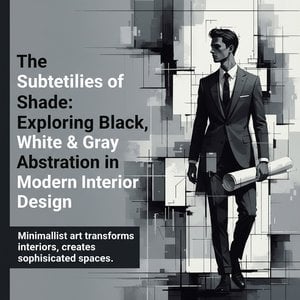
Subtelności cieni: Eksploracja czarno-białych abstrakcji we współczesnym projektowaniu wnętrz
Odkryj subtelności czarno-białych abstrakcji we wnętrzach! Eksperckie porady dotyczące historii, psychologii i zastosowania w projektach hotelowych. Znajdź idealną reprodukcję z ArtsDot.

Monochromatyczne Wizje: Estetyka i Historyczne Znaczenie Fotografii Czarno-Białej
Odkryj fascynujący świat fotografii czarno-białej! Poznaj historię, techniki i arcydzieła monochromatycznej sztuki. Inspiracje, porady i analiza wpływu na współczesną estetykę. ArtsDot.com.

