


 Podgląd w skali
 Wyślij jako kartkę
 Udostępnij
 Szczegóły dzieła

 Pobierz
 Podobne obiekty
 RTG
RTG Pokaz slajdów
Stephen Heller

 Rozwiń treść
Ręcznie malowana reprodukcja olejowa
Ręcznie malowany obraz olejny na płótnie, wykonany na zamówienie przez naszych artystów w wybranym przez Ciebie wymiarze i oprawie. ( Zamów wydruk Kup obraz wysokiej rozdzielczości)




P118B $10

P118H $10

P118W $10

P438Z $10

P508JH $12

P508YH $12

P805H $10

P805Z $10

P919BZ $10

P919G $10

P919XJ $10

P959ZH $10

P968JZ $12

W106C $8

W218G $10

W218JH $8

W218Y $10

W307PJ $10

W316G $10

W316PJ $8

W316Y $10

W398PJ $8

W4111J $10

W500HY $15

W500JH $15

W692G $12

W849H $8

W940BG $15

W953PJ $8




Wybierz spośród naszych standardowych rozmiarów, które zachowują oryginalne proporcje dzieła sztuki.

Możesz wprowadzić własne wymiary, aby dopasować obraz do konkretnej ramy lub przestrzeni. Jeśli wybrany rozmiar nie będzie odpowiadał proporcjom oryginału, przytniecie dzieło sztuki lub rozszerzymy je o dodatkowe elementy, ręcznie domalowane przez artystę. Przed rozpoczęciem produkcji wyślemy projekt cyfrowy do Twojej akceptacji.
Należy pamiętać, że podgląd na ekranie nie odzwierciedla rzeczywistego przycinania ani rozszerzania obrazu. Tylko projekt dokładnie pokaże ostateczną kompozycję.
Choć oferujemy możliwość zamówienia niestandardowych rozmiarów, zalecamy wybór wymiaru z gotowej listy, aby zachować oryginalne proporcje dzieła.
Po złożeniu zamówienia zespół ArtsDot.com skontaktuje się z klientem drogą mailową w celu uzyskania instrukcji i prześle wizualizację projektu
Dostawa na całym świecie () w ciągu 3–4 tygodni zamiast standardowych 5 tygodni. (5 Wrzesień). Bez kompromisów w kwestii jakości.

Bezpłatna ekspresowa wysyłka na cały świat

Wysokiej jakości płótno lniane

Pełne ubezpieczenie przesyłki

Gwarancja zwrotu należności celnych i podatków importowych

Gwarancja wiernego odwzorowania kolorów

Polityka 60-dniowego zwrotu (tylko w przypadku wad)

Gwarancja 100% zwrotu kosztów

Zniżka przy zamówieniu wielu produktów
 Opcja ze szkłem jest dostępna wyłącznie w rozmiarach poniżej 110 cm

Stephen Heller
Technika reprodukcji
Wymiary reprodukcji
-


Cena całkowita
$ 263
Podobne dzieła


O artyście
Louis Gustave Ricard (1823 – 1873): A Master of Melancholy Realism
Louis-Gustave Ricard (1823 – 1873) was a French painter, primarily known for his portraits that captured the essence of his subjects with remarkable sensitivity and technical prowess. Born in Marseille in 1823, he descended from a wealthy family whose resources allowed him to pursue artistic education diligently—a formative experience underscored by his enrollment at École supérieure d’art et de design Marseille-Méditerranée and subsequent instruction from Pierre Bronzet. Unlike many artists of his time who sought formal training through academies, Ricard honed his craft largely through meticulous copying of Old Masters at the Louvre and Italian galleries, demonstrating an unwavering dedication to mastering artistic tradition. This approach yielded a distinctive style characterized by subdued palettes, atmospheric lighting effects reminiscent of Rembrandt’s chiaroscuro technique, and an uncanny ability to convey psychological depth within his portraits—a hallmark that cemented his place among the leading masters of the modern French school.Early Life and Artistic Formation
Ricard's upbringing instilled in him a profound appreciation for beauty and intellectual curiosity. His father’s profession as a money changer provided financial stability, facilitating Ricard’s access to elite artistic institutions like École nationale supérieure des beaux-arts where he studied under Léon Cogniet—a teacher who championed realism and encouraged students to observe the world with unwavering attention to detail. Cogniet's influence profoundly shaped Ricard’s artistic vision, emphasizing the importance of capturing not merely physical likeness but also inner character. Notably, Ricard eschewed the prestigious Prix de Rome competition, prioritizing independent exploration and stylistic development—a decision that allowed him to forge his own path toward artistic excellence. His formative years were further enriched by a trip to Italy and the Netherlands, exposing him to diverse artistic traditions and broadening his understanding of visual storytelling.Style and Technique: Echoes of Rembrandt
Ricard’s artistic style is undeniably indebted to the legacy of Rembrandt van Rijn—a master whose masterful use of light and shadow captivated Ricard's imagination. Like Rembrandt, Ricard employed a technique known as chiaroscuro, skillfully manipulating tonal variations to create dramatic contrasts that heightened emotional impact and conveyed psychological nuance. This approach extended beyond mere visual representation; it demanded an acute awareness of human anatomy and musculature—skills Ricard cultivated with painstaking precision. Furthermore, he favored muted color palettes and blurred outlines, mirroring Rembrandt’s penchant for atmospheric perspective and conveying a sense of melancholy or dreamy contemplation. These stylistic choices weren't merely aesthetic preferences but deliberate strategies aimed at capturing the elusive essence of his subjects—a testament to Ricard’s artistic intellect and unwavering commitment to mastering the art of portraiture.Notable Works and Recognition
Ricard achieved considerable acclaim during his lifetime, securing prestigious commissions from prominent figures and garnering recognition for his exceptional talent. Among his most celebrated paintings are “Stephen Heller,” a poignant depiction of Alfred de Musset—a portrait imbued with palpable emotion and capturing the artist’s distinctive Parisian Realism; “Mademoiselle Zelewska,” showcasing Ricard's ability to convey subtle psychological complexities; and “The Countess of Desart as a Child,” considered one of his finest achievements, demonstrating his mastery of technique and conveying an atmosphere of profound tenderness. His portraits were exhibited at the Salon of 1850, 1852, 1857, and 1859—events that established him as a leading voice in the French artistic landscape. Despite facing repeated rejection from the Légion d’honneur, Ricard remained steadfast in his pursuit of artistic perfection, dedicating himself to replicating the grandeur and emotional depth of Old Master paintings.Legacy and Influence
Though largely forgotten by the public after his death in 1873, Louis Gustave Ricard's influence endured—primarily through the enduring quality of his portraits and their continued presence in museums like Musée national Gustave Moreau and Saint Louis Art Museum. His meticulous technique and profound understanding of human psychology established him as a pivotal figure in French Symbolism and cemented his reputation as one of the foremost portrait artists of his era. Ricard’s unwavering devotion to artistic tradition—particularly Rembrandt’s chiaroscuro—continues to inspire contemporary painters, ensuring that his legacy persists as an exemplar of stylistic integrity and emotional resonance. His work serves as a poignant reminder of the transformative power of observation and the enduring beauty of melancholic realism.
louis-gustave ricard
1823 - 1873
Krótka nota
- Artistic Movement Or Style: Symbolist Art
- Artists Or Movements Influenced By This Artist: ['Gustave Doré']
- Artists Who Influenced This Artist:
- Da Vinci
- Rembrandt
- Date Of Death: 1873
- Full Name: Louis Gustave Ricard
- Nationality: French
- Notable Artworks:
- Martyre de Sainte Catherine
- Stephen Heller
- Mademoiselle Zelewska
- Place Of Birth: Marseille, France
Powiązane artykuły
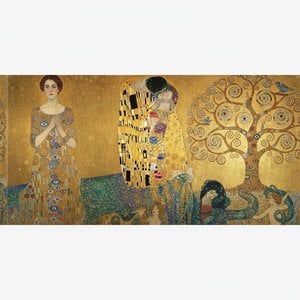
Gustav Klimt: 25 Arcydzieł Pełnych Złota i Symboliki | ArtsDot.com
Odkryj 25 arcydzieł Gustava Klimta – od 'Pocałunku' po 'Kobietę w złocie'. Poznaj historię, symbolikę i technikę malarstwa secesyjnego. Reprodukcje najwyższej jakości na ArtsDot.com! Eksploruj pełną kolekcję online.

Arcydzieła XIX Wieku: 10 Obrazów Opowiadających Epokę | ArtsDot
Odkryj 10 arcydzieł XIX wieku! Poznaj historię Monet, Van Gogha i Courbeta. Imesjonizm, realizm, romantyzm – obrazy pełne emocji i piękna czekają na ArtsDot.com. Znajdź idealny obraz do swojego wnętrza!

Anne-Louis Girodet: Bridging Neoclassicism & Romanticism with Emotional Truth
Explore the captivating world of Anne-Louis Girodet, a pivotal figure bridging Neoclassicism & Romanticism. Discover his masterpieces and unique artistic vision with ArtsDot.

Gustave Loiseau: Capturing the Ephemeral Light of French Landscapes
Explore the captivating landscapes of Gustave Loiseau, a key Post-Impressionist painter. Discover his unique 'en treillis' technique and artistic legacy with our comprehensive guide.

Gustave Courbet: Realism's Revolutionary Vision & the Social Canvas of 19th-Century France
Explore the revolutionary art of Gustave Courbet, pioneer of Realism. Discover his iconic paintings, social commentary, and lasting impact on 19th-century French art history. Expert analysis & insights.

