


 Zobacz w skali 1:1
 Wyślij
 Udostępnij
 Szczegóły
 Przewodnik

 Pobierz plik obrazu
 Podobne obiekty
 RTG
RTG Pokaz slajdów
 Statystyki
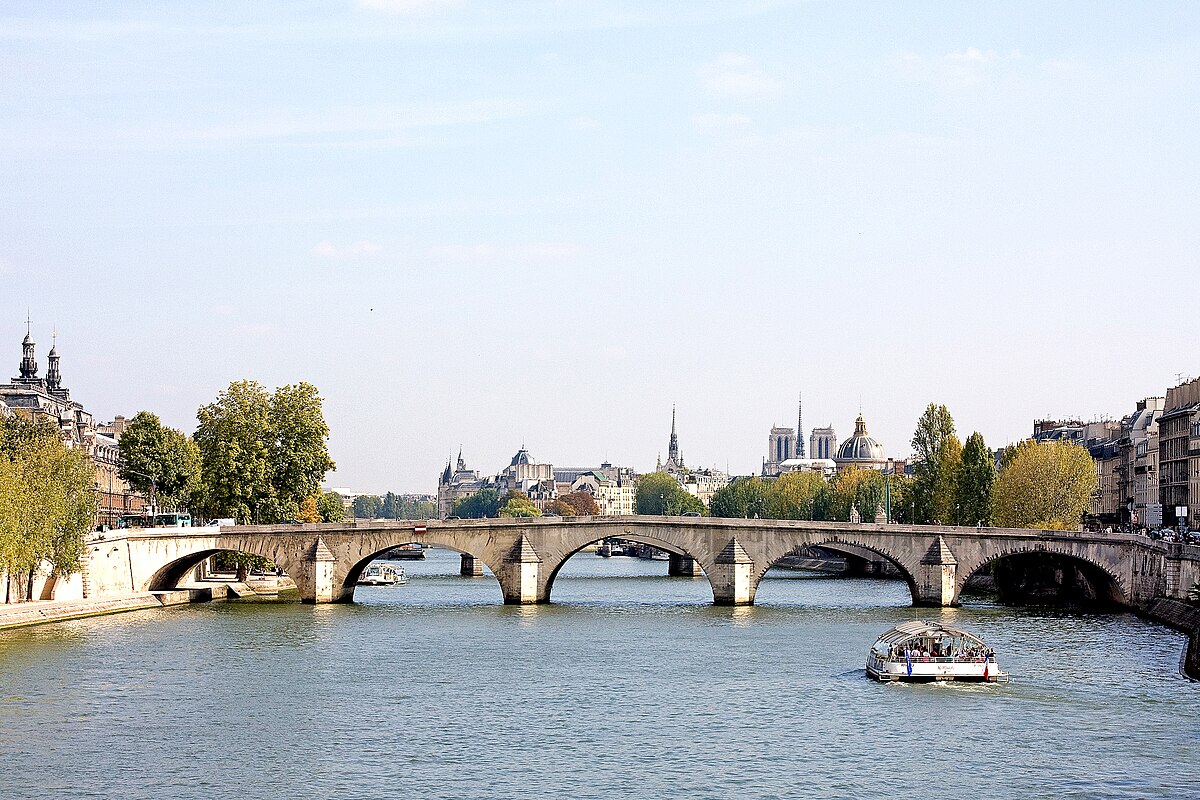
The Pont Royal in Paris


 Czytaj więcej
Ręcznie malowana reprodukcja olejowa
Ręcznie malowany obraz olejny na płótnie, wykonany na zamówienie przez naszych artystów w wybranym przez Ciebie wymiarze i oprawie. ( Przełącz na wersję drukowaną Przełącz na wersję cyfrową)




P118B $10

P118H $10

P118W $10

P438Z $10

P508JH $12

P508YH $12

P805H $10

P805Z $10

P919BZ $10

P919G $10

P919XJ $10

P959ZH $10

P968JZ $12

W106C $8

W218G $10

W218JH $8

W218Y $10

W307PJ $10

W316G $10

W316PJ $8

W316Y $10

W398PJ $8

W4111J $10

W500HY $15

W500JH $15

W692G $12

W849H $8

W940BG $15

W953PJ $8




Wybierz spośród naszych standardowych rozmiarów, które zachowują oryginalne proporcje dzieła sztuki.

Możesz wprowadzić własne wymiary, aby dopasować obraz do konkretnej ramy lub przestrzeni. Jeśli wybrany rozmiar nie będzie odpowiadał proporcjom oryginału, przytniecie dzieło sztuki lub rozszerzymy je o dodatkowe elementy, ręcznie domalowane przez artystę. Przed rozpoczęciem produkcji wyślemy projekt cyfrowy do Twojej akceptacji.
Należy pamiętać, że podgląd na ekranie nie odzwierciedla rzeczywistego przycinania ani rozszerzania obrazu. Tylko projekt dokładnie pokaże ostateczną kompozycję.
Choć oferujemy możliwość zamówienia niestandardowych rozmiarów, zalecamy wybór wymiaru z gotowej listy, aby zachować oryginalne proporcje dzieła.
Po złożeniu zamówienia zespół ArtsDot.com skontaktuje się z klientem drogą mailową w celu uzyskania instrukcji i prześle wizualizację projektu
Dostawa na całym świecie () w ciągu 3–4 tygodni zamiast standardowych 5 tygodni. (22 Wrzesień). Bez kompromisów w kwestii jakości.

Bezpłatna ekspresowa wysyłka na cały świat

Wysokiej jakości płótno lniane

Pełne ubezpieczenie transportowe

Gwarancja zwrotu należności celnych i podatków importowych

Gwarancja idealnego odwzorowania barw

100-dniowy okres na zwrot dzieła w przypadku wykrycia wad produkcyjnych

Gwarancja 100% zwrotu pieniędzy

Oferta przy zakupie wielu sztuk
 Opcja ze szkłem jest dostępna wyłącznie w rozmiarach poniżej 110 cm

The Pont Royal in Paris
Technika wykonania
Rozmiar reprodukcji
-


Suma do zapłaty
$ 263
A Glimpse of Parisian Life: Lesser Ury’s “The Pont Royal”
Lesser Ury's "The Pont Royal in Paris," painted in 1928, isn’t merely a depiction of a bridge; it’s a carefully constructed tableau of urban life, imbued with the melancholic beauty characteristic of his Impressionistic style. Born in Birnbaum, Poland, and deeply influenced by the Düsseldorf school, Ury possessed an extraordinary ability to capture fleeting moments – the shimmer of light on water, the muted tones of twilight, and the subtle shifts in mood within a bustling cityscape. This particular work transports us to a winter evening along the Seine, offering a poignant observation of Paris’s vibrant energy juxtaposed with a sense of quiet contemplation.
Impressionistic Techniques and a Masterful Palette
Ury’s technique is distinctly Impressionistic, prioritizing the subjective experience of light and color over precise representation. He employs loose brushstrokes, layering hues to create an atmospheric effect—a deliberate blurring of edges that evokes the ephemeral quality of the scene. Notice how he uses broken color – small dabs of complementary shades – to suggest reflected light on the water’s surface and the wet cobblestones of the street. The muted palette, dominated by blues, greys, and browns, contributes significantly to the painting's mood, conveying a sense of cool stillness amidst the activity below. The artist skillfully utilizes *plein air* techniques, working directly from observation, which is evident in the subtle variations of tone and color that capture the nuances of the Parisian winter.
A Bridge Between Worlds: Symbolism and Context
The Pont Royal itself holds a rich historical significance. Constructed in 1685, it has witnessed centuries of Parisian life – from royal processions to revolutionary fervor. Ury’s painting isn't simply a record of the bridge; it’s an exploration of its role as a connector—a physical and metaphorical link between the Right Bank and the Left, between past and present. The figures strolling along the sidewalk, the vehicles traversing the bridge, all contribute to this sense of movement and connection. The painting subtly reflects the changing social landscape of Paris during the interwar period, capturing a moment of relative calm before the storm of World War II.
Capturing Emotion: A Moment of Reflection
Beyond its technical mastery, “The Pont Royal in Paris” resonates with an underlying sense of melancholy and introspection. The subdued lighting, the blurred figures, and the quiet stillness of the scene evoke a feeling of detachment—a recognition of the transient nature of life and beauty. Ury’s ability to distill such complex emotions into a single image is a testament to his artistic vision. It's a painting that invites viewers to pause, observe, and contemplate the subtle poetry of everyday moments. Reproductions of this piece offer a beautiful way to bring a touch of Parisian charm and contemplative mood into any space.
Podobne dzieła




Biografia artysty
A Life Painted in Light: The World of Leo Lesser Ury
Leo Lesser Ury, a name perhaps less instantly recognizable than some of his Impressionist contemporaries, nevertheless occupies a vital and evocative space within the narrative of German painting. Born on November 7, 1861, in Birnbaum, Prussia – now Międzychód, Poland – Ury’s journey was one marked by both artistic triumph and personal hardship. His early life was shadowed by loss; the death of his father, a baker, in 1872 forced a relocation to Berlin with his mother. This displacement instilled within him, perhaps, a lifelong sensitivity to urban landscapes and the transient nature of modern existence. Initially apprenticed to a tradesman, Ury’s artistic calling proved too strong to ignore, leading him to the Kunstakademie Düsseldorf in 1879. It was the beginning of an extended period of European exploration – Brussels, Paris, Munich, Stuttgart, Karlsruhe – each city contributing to the evolving palette and perspective that would define his unique style. These travels weren’t merely geographical; they were immersive studies in light, atmosphere, and the burgeoning energy of modern life.Embracing Impressionism and Capturing a City's Soul
Ury’s artistic development was deeply intertwined with the currents of late 19th-century art. While initially met with resistance – his first exhibition in 1889 eliciting a hostile response – he found a champion in the esteemed Adolph Menzel, whose support opened doors within the Berlin Academy. This recognition proved pivotal, allowing Ury to further refine his technique and vision. His embrace of Impressionism wasn’t merely stylistic; it was a means of capturing the fleeting moments of modern urban life. He joined the Munich Secession in 1893, aligning himself with a group of artists who challenged academic conventions and sought new modes of expression. Ury's canvases began to shimmer with lively brushstrokes, impasto application creating texture and depth, and an acute sensitivity to light’s transformative power. His primary subjects crystallized around this time: landscapes imbued with atmosphere, intimate interior settings, but most notably, the vibrant, often nocturnal scenes of city life. He wasn’t simply *depicting* Berlin; he was capturing its very essence – the glow of gas lamps on rain-slicked streets, the bustling energy of cafes, the quiet solitude of shadowed corners. He meticulously studied postcards and photographs sent to him from Paris, using them as visual aids to capture the subtle details of urban architecture and street life. His work is characterized by a remarkable ability to convey mood and atmosphere, often evoking a sense of melancholy or nostalgia.A Complex Artistic Career: Recognition and Challenges
Despite his growing reputation, Ury’s career was not without its challenges. The early years of the 20th century saw him navigating the complex social and artistic landscape of Berlin. While he achieved critical acclaim and commercial success, particularly during the 1920s, he also faced periods of obscurity and financial hardship. A significant obstacle to his recognition came from Max Liebermann, a prominent figure in the Berlin art scene, with whom Ury had a strained relationship. Liebermann’s refusal to allow Ury to join the Secession – a key artistic group at the time – significantly hampered his opportunities for exposure and collaboration. Furthermore, Ury developed a reputation as a difficult and sometimes uncompromising artist, which further isolated him from some of his peers. Despite these difficulties, he persevered, continuing to paint prolifically and refining his distinctive style. His work during this period is characterized by a heightened sense of intimacy and emotional depth, reflecting the personal struggles he faced.Technique and Style: Pastel Master
Ury’s artistic technique was marked by a remarkable sensitivity to light and color. He was particularly adept at working with pastel, utilizing its delicate texture and luminous qualities to create works of exceptional beauty and atmospheric depth. His use of pastels allowed him to capture the subtle nuances of light and shadow, creating a sense of immediacy and realism that was rare for his time. He employed loose, expressive brushstrokes, often layering colors to build up rich textures and vibrant hues. While he drew inspiration from Impressionism, Ury developed a unique style characterized by a melancholic sensibility and a deep appreciation for the beauty of everyday life. His compositions are typically framed with a sense of intimacy, drawing the viewer into the scene and inviting them to share in his observations. His subjects often include urban landscapes, interiors, portraits, and still lifes – all rendered with a remarkable attention to detail and a profound understanding of color theory.Historical Significance and Legacy
Leo Lesser Ury’s historical significance extends beyond his technical skill and aesthetic sensibilities. He is remembered as a keen observer and evocative portrayer of modern urban life, particularly the nocturnal landscapes of Berlin that resonated with audiences seeking to understand their rapidly changing world. His work offers a unique glimpse into a specific time and place – a city on the cusp of modernity, grappling with industrialization, social change, and the anxieties of a new era. Furthermore, as a Jewish artist navigating German society, Ury’s life and work reflect aspects of Jewish cultural identity and experience within a complex socio-political landscape. His paintings, while not overtly political, subtly convey a sense of belonging and alienation, offering a poignant perspective on the challenges faced by Jewish communities in Germany during this period. Despite facing hardship and obscurity throughout his career, Ury’s legacy endures as one of the most evocative and distinctive artists of early 20th-century Berlin. His paintings continue to be exhibited and admired for their beauty, atmosphere, and profound sense of time and place.
lesser ury
1861 - 1931 , Polska
Najważniejsze informacje
- Artistic Movement Or Style: Impressionizm
- Artists Or Movements Influenced By This Artist: ['Secesja Monachijska']
- Artists Who Influenced This Artist: ['Adolf Menzel']
- Date Of Birth: 7 Listopada 1861
- Date Of Death: 18 Października 1931
- Full Name: Leo Lesser Ury
- Nationality: Niemiec
- Notable Artworks:
- Na Jeziorze Garda
- Betująca się
- Ściana
- Place Of Birth: Birnbaum, Polska
Zobacz także powiązane artykuły

Herman Armour Webster: Capturing Atmospheric Light in American Impressionism
Explore the captivating world of Herman Armour Webster, an American Impressionist master. Discover his Parisian influences, unique style, and lasting legacy with ArtsDot.

Poza Światłem i Kolorem: Impresjonizm a Postimpresjonizm dla Wymagającego Kolekcjonera
Poznaj subtelne różnice między impresjonizmem a postimpresjonizmem. Ekspercka analiza dla wymagających kolekcjonerów sztuki. Inwestycje, historia i wartość dzieł.

Top 10 arcydzieł impresjonizmu, które zmieniły sztukę | ArtsDot.com
Odkryj 10 arcydzieł impresjonizmu od Moneta, Renoir'a i Degasa! Poznaj historię tych ikonicznych obrazów, techniki malarskie i inspiracje. Reprodukcje najwyższej jakości na ArtsDot.com – idealne do Twojego wnętrza. Eksploruj kolekcję online!

Impressionizm w Obrazach: 10 Arcydzieł Pełnych Światła i Koloru | ArtsDot
Odkryj 10 arcydzieł impresjonizmu! Poznaj historie Claude Moneta, Degasa i Van Gogha. Reprodukcje obrazów najwyższej jakości – pejzaże pełne światła i koloru do Twojego wnętrza. ArtsDot.

Urban Visions: A Historical & Artistic Exploration of the Cityscape in Painting
Explore the evolution of cityscape painting from historical maps to Impressionist masterpieces. Discover artists like Caillebotte, Utrillo & Matsumoto Shunsuke. Find museum-quality reproductions at ArtsDot.