


 Zobacz w skali 1:1
 Wyślij
 Udostępnij
 Szczegóły
 Przewodnik

 Pobierz plik obrazu
 Podobne obiekty
 RTG
RTG Pokaz slajdów
 Statystyki
Indian Faces
 Figurative Expressionism
 56.0 x 45.0 cm
 Czytaj więcej
Dzieło sztuki prezentowane na tej stronie podlega ochronie prawem autorskim, co oznacza, że nie mamy prawa do tworzenia ani sprzedaży jego identycznej reprodukcji. Ochrona ta jest egzekwowana na mocy umów międzynarodowych, takich jak Konwencja berneńska oraz przez przepisy prawa krajowego, w tym te określone w Prawo autorskie USA – Tytuł 17.
Jako pełną szacunku i legalną alternatywę oferujemy personalizowane, malowane ręcznie dzieła sztuki inspirowane oryginałem. Nasi wykwalifikowani i profesjonalni artyści starannie analizują styl, nastrój oraz artystyczną esencję pierwowzoru, aby stworzyć nowe, unikalne dzieło, które przywołuje te same emocje – pozostając jednocześnie w pełni oryginalną kreacją.
Metoda ta jest w pełni zgodna z przepisami prawa autorskiego, ponieważ nie polega na kopiowaniu ani powielaniu chronionego dzieła. Stanowi ona kreatywną reinterpretację – nowy obraz, który czerpie inspirację z oryginału, ale nie jest z nim tożsamy.
Ręcznie malowana reprodukcja olejowa
Ręcznie malowany obraz olejny na płótnie, wykonany na zamówienie przez naszych artystów w wybranym przez Ciebie wymiarze i oprawie. ( Przełącz na wersję drukowaną Przełącz na wersję cyfrową)




P118B zł10

P118H zł10

P118W zł10

P438Z zł10

P508JH zł12

P508YH zł12

P805H zł10

P805Z zł10

P919BZ zł10

P919G zł10

P919XJ zł10

P959ZH zł10

P968JZ zł12

W106C zł8

W218G zł10

W218JH zł8

W218Y zł10

W307PJ zł10

W316G zł10

W316PJ zł8

W316Y zł10

W398PJ zł8

W4111J zł10

W500HY zł15

W500JH zł15

W692G zł12

W849H zł8

W940BG zł15

W953PJ zł8




Wybierz spośród naszych standardowych rozmiarów, które zachowują oryginalne proporcje dzieła sztuki.

Wpisz wymaganą szerokość i wysokość, aby obraz pasował do Twojej ramy lub ściany. Ponieważ jest to dzieło malowane ręcznie, w przypadku rozmiaru o innym proporcji artysta może domalować nieco więcej wokół obrazu lub przyciąć fragmenty — wybór należy do Ciebie. Przed rozpoczęciem pracy prześlemy Ci cyfrową wizualizację do zatwierdzenia. Obraz widoczny na tej stronie nie przedstawia rzeczywistego efektu — jedynie wizualizacja oddaje realny rezultat.
Po złożeniu zamówienia zespół ArtsDot.com skontaktuje się z klientem drogą mailową w celu uzyskania instrukcji i prześle wizualizację projektu
Dostawa na całym świecie () w ciągu 3–4 tygodni zamiast standardowych 5 tygodni. (23 Październik). Bez kompromisów w kwestii jakości.

Bezpłatna ekspresowa wysyłka na cały świat

Wysokiej jakości płótno lniane

Pełne ubezpieczenie transportowe

Gwarancja zwrotu należności celnych i podatków importowych

Gwarancja idealnego odwzorowania barw

100-dniowy okres na zwrot dzieła w przypadku wykrycia wad produkcyjnych

Gwarancja 100% zwrotu pieniędzy

Oferta przy zakupie wielu sztuk
 Opcja ze szkłem jest dostępna wyłącznie w rozmiarach poniżej 110 cm

Indian Faces
Technika wykonania
Rozmiar reprodukcji
-


Suma do zapłaty
zł 1009
Podobne dzieła


Biografia artysty
A Life Etched in Form: The World of Leonard Baskin
Leonard Baskin, born August 15, 1922, in New Brunswick, New Jersey, emerged as a powerful and singular voice in American art—a steadfast champion of figurative expression during an era increasingly dominated by abstraction. His journey began steeped in the traditions of his Jewish heritage; the son of a rabbi who relocated to New York when Baskin was seven, he carried this cultural weight throughout his life, imbuing much of his work with themes of mortality, remembrance, and spiritual searching. Early artistic inclinations led him to an apprenticeship with Maurice Glickman at the Educational Alliance in New York City from 1937 to 1939, a formative experience that laid the groundwork for his technical skill and conceptual approach. Formal studies followed at New York University School of Architecture and Applied Arts (1939-1941), but it was a scholarship to Yale University (1941-1943) that proved truly pivotal. There, amidst the hallowed halls and ancient texts, Baskin discovered the illuminated books of William Blake—a revelation that ignited his passion for printmaking and set him on a path defined by narrative power and visual intensity.Early Life and Education
Baskin’s formative years were shaped by his upbringing in Brooklyn, New York, where he was educated at a yeshiva (Jewish religious college), fostering an early appreciation for tradition and symbolism. At the age of fifteen, he declared his intention to become a sculptor—a commitment that would define much of his artistic trajectory. He pursued sculpting diligently as an apprentice under Maurice Glickman from 1937 to 1939 at the Educational Alliance in New York City, honing his technical skills and developing a keen understanding of sculptural form. His studies continued at New York University School of Architecture and Applied Arts (1939-1941), providing him with foundational knowledge in design and spatial reasoning. Crucially, Yale University offered him a scholarship in 1941—a decision that would propel him toward artistic excellence. Surrounded by the intellectual ferment of the Ivy League and immersed in the study of classical texts and illuminated manuscripts, Baskin encountered Blake’s visionary prints and poetry, profoundly influencing his aesthetic sensibilities and shaping his artistic vision. This encounter cemented his belief in printmaking as a medium capable of conveying complex ideas and emotions with unparalleled immediacy.Gehenna Press and the Revival of Fine Art Printing
Recognizing the potential for collaborative creativity—a conviction rooted in Blake’s own practice—Baskin established Gehenna Press in 1942, alongside fellow artists and poets. The name itself, drawn from *Paradise Lost*, signaled the press's ambition to engage with weighty themes and pursue a distinctive artistic aesthetic. More than simply a workshop, Gehenna Press became a crucible for experimentation and innovation—a space where Baskin could forge partnerships with literary luminaries like Sylvia Plath, Ted Hughes, Anthony Hecht, and James Baldwin. Together, they explored the intersection of visual art and literature, producing books that were not merely aesthetically pleasing but intellectually stimulating. Over five decades, Gehenna Press produced over 100 meticulously crafted volumes—a testament to Baskin’s unwavering belief in the book as a total work of art—where each page was considered as an integral part of the overall artistic experience. This dedication to printmaking extended beyond mere technique; it represented a deliberate rejection of prevailing trends in art, prioritizing craftsmanship and narrative depth.Sculpture: Stark Memorials and Anatomical Precision
Baskin’s sculptural output is characterized by its austere beauty and unflinching exploration of human anatomy—often rendered with unsettling detail. He mastered various mediums – bronze, limestone, and wood – consistently striving for anatomical accuracy while simultaneously conveying a sense of profound emotional resonance. His monumental bronze sculpture *The Funeral Cortege*, commissioned for the Franklin Delano Roosevelt Memorial in Washington, D.C., stands as a powerful symbol of remembrance and civic responsibility—a testament to his ability to transform artistic vision into public art. Similarly, his statue commemorating Holocaust victims erected on the site of the first Jewish cemetery in Ann Arbor, Michigan, embodies compassion and confronts viewers with the gravity of historical trauma. His sculptural explorations frequently grapple with themes of mortality and decay, reflecting a preoccupation with the human condition that permeated much of his oeuvre. Influenced by Ernst Barlach’s expressive sculptures—particularly his depictions of figures wrestling with existential anxieties—Baskin developed a distinctive style marked by starkness, dynamism, and an uncompromising commitment to anatomical realism.Legacy and Enduring Influence
Leonard Baskin's contribution to American art transcends mere stylistic innovation; he championed figurative expression during the ascendancy of abstraction, advocating for the enduring power of human form to convey profound truths. His founding of Gehenna Press revitalized fine press printing in America—elevating it from a niche craft to a respected artistic discipline—and his collaborations with poets like Ted Hughes and Sylvia Plath solidified his place as one of the most influential artists of the 20th century. Today, Baskin’s works are housed in prominent museums worldwide—The Metropolitan Museum of Art, The Museum of Fine Arts, Boston, and the British Museum among them—testifying to their enduring appeal and artistic merit. His unwavering dedication to craft, his profound engagement with philosophical ideas, and his ability to translate personal convictions into powerful visual statements continue to inspire artists and scholars alike. He was awarded numerous honors including the Gold Medal of The American Academy of Arts and Letters, the Special Medal of Merit of the American Institute of Graphic Arts and the Gold Medal of the National Academy of Design—a fitting recognition of a lifetime devoted to artistic excellence. His archive from Gehenna Press resides at the Bodleian Library at Oxford University, ensuring its preservation and accessibility for future generations—a poignant reminder of an artist who dared to confront difficult truths with unwavering conviction.
Leonard Baskin
1922 - 2000 , Stany Zjednoczone
Najważniejsze informacje
- Artistic Movement Or Style: Figurative art
- Artists Or Movements Influenced By This Artist: ['Fine press printing']
- Artists Who Influenced This Artist: ['William Blake']
- Date Of Birth: August 15, 1922
- Date Of Death: June 3, 2000
- Full Name: Leonard Baskin
- Nationality: American
- Notable Artworks:
- Hanged Man
- Indian Faces
- Andrew Jackson
- Place Of Birth: New Brunswick, USA
Zobacz także powiązane artykuły

Białe arcydzieła: Top 10 słynnych obrazów pełnych światła i emocji | ArtsDot.pl
Odkryj 10 najsłynniejszych obrazów, w których biel dominuje i tworzy wyjątkową atmosferę. Poznaj historie Moneta, Van Gogha i innych mistrzów! Reprodukcje najwyższej jakości na ArtsDot.com – inspiracje wnętrzarskie i kolekcjonerstwo sztuki online.

Czarne arcydzieła: Top 10 słynnych obrazów pełnych mroku i ekspresji | ArtsDot.com
Odkryj 10 słynnych obrazów, w których czerń króluje! Poznaj historie artystów, ekspresjonizm i mroczną paletę barw. Reprodukcje dzieł sztuki najwyższej jakości na ArtsDot.com – inspiracje do wnętrz i kolekcjonerstwo.

Monochromatyczne Wizje: Estetyka i Historyczne Znaczenie Fotografii Czarno-Białej
Odkryj fascynujący świat fotografii czarno-białej! Poznaj historię, techniki i arcydzieła monochromatycznej sztuki. Inspiracje, porady i analiza wpływu na współczesną estetykę. ArtsDot.com.
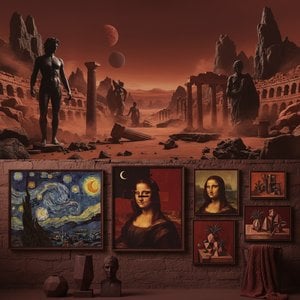
Czarne arcydzieła: 10 słynnych obrazów w odcieniach mroku | ArtsDot.pl
Odkryj 10 słynnych obrazów, w których dominuje głęboka czerń – od Rembrandta po Picassa. Poznaj historie artystów i techniki tworzenia mrocznych arcydzieł. Reprodukcje najwyższej jakości na ArtsDot.com! Eksploruj kolekcję online.
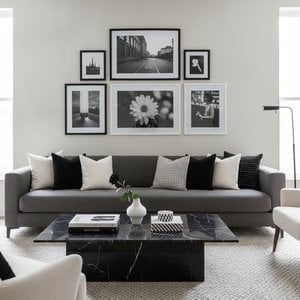
Timeless & Chic: Elevating Your New Home with the Sophistication of Black and White Photography
Transform your new home with the timeless allure of black and white photography. ArtsDot.com specializes in elegant monochrome decor and custom hand-painted wedding portraits that turn cherished milestones into lasting, soulful masterpieces. Elevate your space with ease.