

 Podgląd w skali
 Wyślij jako kartkę
 Udostępnij
 Szczegóły dzieła

 Pobierz
 Podobne obiekty
 RTG
RTG Pokaz slajdów
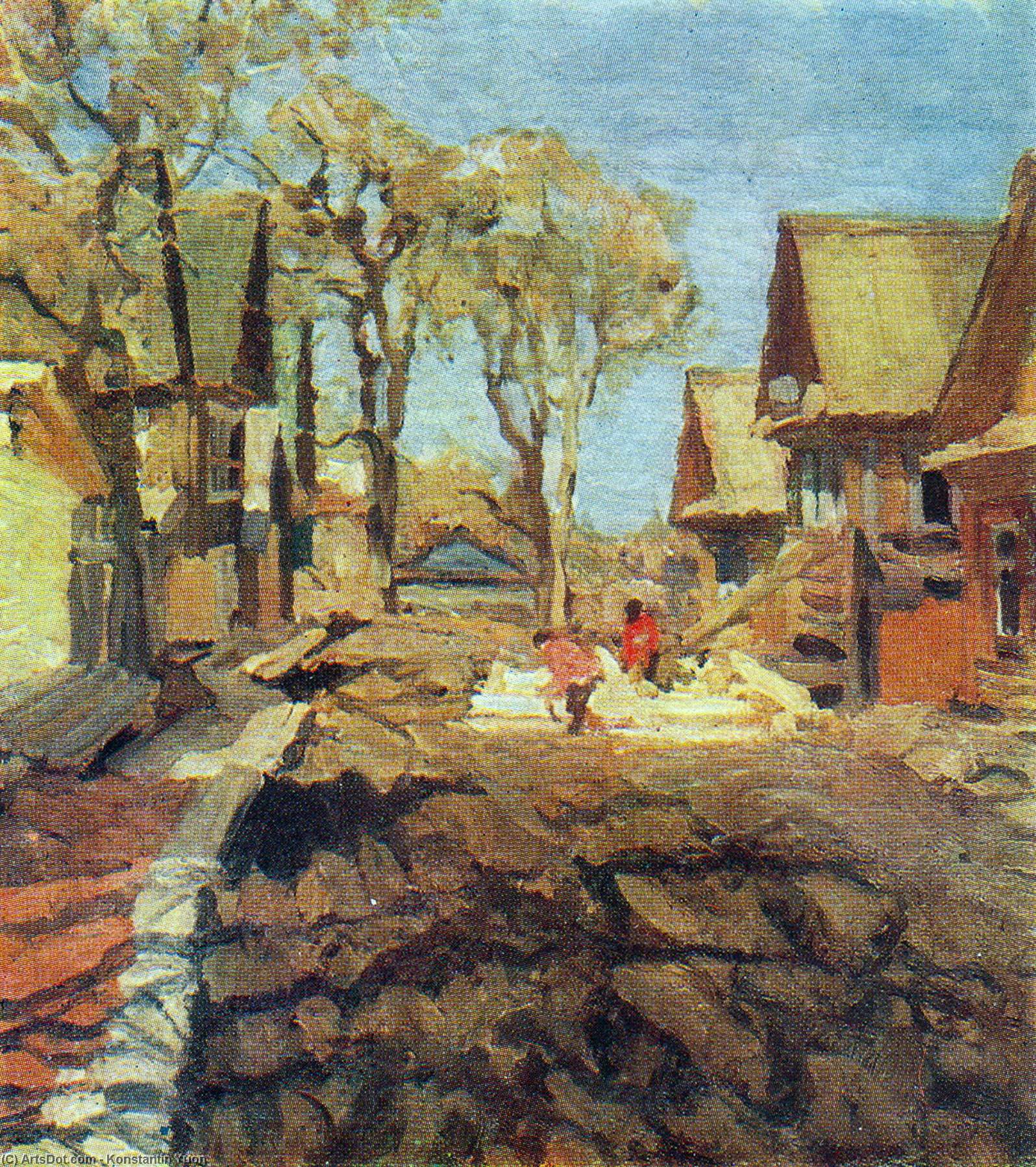
The Old Elms
 Oil
Oil- WallArt
- Impressionism
 1901
1901- 19th Century
 72.0 x 62.0 cm
 Rozwiń treść
Kup wysokiej rozdzielczości, ulepszony obraz cyfrowy o znacznie wyższej jakości niż podgląd online.
Każdy plik jest starannie przygotowywany przez naszych specjalistów przy użyciu zaawansowanych narzędzi oraz profesjonalnej, ręcznej retuszy. Dbamy o to, aby każdy obraz cechował się wyjątkową ostrością, precyzyjnym odwzorowaniem kolorów i subtelnymi detalami.
Ostateczny plik dostarczany jest drogą mailową w ciągu 72 godzin, zoptymalizowany do natychmiastowego wykorzystania w profesjonalnych zastosowaniach redakcyjnych i poligraficznych. To ta sama jakość, której ufają czołowe studia projektowe, wydawnictwa oraz galerie sztuki.
Obraz cyfrowy
Pobierz plik o wysokiej rozdzielczości do osobistego wyświetlania, druku oraz projektów kreatywnych. ( Zamów wydruk Zamów ręcznie malowaną reprodukcję)
W każdym zamówieniu na obraz cyfrowy znajduje się
Profesjonalna dostawa cyfrowa z gwarancją
Wybierając ArtsDot.com, nie otrzymujesz jedynie obrazu – otrzymujesz profesjonalnie udoskonalone cyfrowe dzieło sztuki, stworzone z najwyższą precyzją i objęte gwarancją satysfakcji. Oto wszystko, co automatycznie dołączane jest do Twojego zamówienia:

Błyskawiczna wysyłka e-mailowa
Plik z obrazem cyfrowym w wysokiej rozdzielczości zostanie przesłany na Twój adres e-mail w ciągu 72 godzin od złożenia zamówienia – gotowy do natychmiastowego użycia.

Plik cyfrowy wzbogacony przez AI
Twoja grafika została profesjonalnie zoptymalizowana przy użyciu zaawansowanych narzędzi AI oraz ręcznej edycji, co zapewnia maksymalną szczegółowość, klarowność i wierność kolorów.

Dożywotnia darmowa ponowna dostawa
Przypadkowo usunąłeś lub zgubiłeś swój plik? Bez obaw – prześlemy go Tobie ponownie w dowolnym momencie, bez żadnych opłat.

Bez opłat importowych – zawsze
Ciesz się swoją sztuką natychmiast, bez żadnych opłat celnych, należności ani kosztów dostawy – pliki cyfrowe są zawsze wolne od podatku.

Gwarancja wierności kolorów
Dzięki zastosowaniu profesjonalnych narzędzi i procesów zarządzania barwą zapewniamy, że Twoje cyfrowe zdjęcie odzwierciedla oryginalne kolory tak wiernie, jak to tylko możliwe.

60-dniowa gwarancja satysfakcji
Jeśli nie będziesz zadowolony ze swojego cyfrowego obrazu, dokonamy jego poprawki lub zwrócimy 100% kosztów w ciągu 60 dni – bez żadnych pytań.

100% Gwarancja zwrotu pieniędzy
Nie jesteś zadowolony? Otrzymaj pełny zwrot kosztów w ciągu 60 dni od otrzymania pliku cyfrowego – bez zbędnych pytań.

Rabaty przy zamówieniach hurtowych
Kup 3 obrazy, oszczędź 10% - Kup 5, oszczędź 15% - Kup 10+, oszczędź 20%. Idealne do projektów kreatywnych, galerii i agencji.
Opis kolekcjonerski
A Window into a Bygone Era
In the gentle embrace of Konstantin Yuon’s 1901 masterpiece, The Old Elms, we are transported to a serene moment in time, where the frantic pace of modernity has yet to touch the quietude of village life. This exquisite painting serves as more than just a landscape; it is a nostalgic portal into an idyllic era of rustic simplicity. The scene unfolds with a delicate balance of human presence and natural grandeur, capturing a small village nestled among ancient, towering trees. As the eye wanders through the composition, one encounters the soft rhythm of daily existence: two figures strolling leisurely down a dirt path, a faithful dog wandering near the center, and birds dancing across a vast, breathing sky. It is a composition that breathes with life, inviting the viewer to step out of the present and into a world defined by peace and permanence.
The artistry of Yuon is on full display through his masterful command of light and texture. Influenced by his early encounters with the Impressionist movement in Paris, the artist employs a technique that prioritizes the atmospheric quality of the air itself. The wooden houses, rendered with a tactile sense of age and weathered charm, anchor the scene in a tangible reality, while the foliage of the namesake elms seems to shimmer under a soft, diffused light. Each brushstroke contributes to a sense of movement—the flutter of wings, the slow gait of the travelers, and the subtle swaying of branches. For the discerning collector or interior designer, this piece offers a sophisticated interplay of organic tones and soft highlights, making it an ideal centerpiece for spaces that aim to evoke tranquility and warmth.
Beyond its aesthetic allure, The Old Elms carries a profound emotional resonance. There is a subtle symbolism in the way the figures are integrated into the landscape; they do not dominate nature but rather exist as a harmonious part of it. The presence of the birds and the dog suggests a symbiotic relationship between humanity and the natural world, a theme that remains deeply poignant in our contemporary age. This painting evokes a sense of "sehnsucht"—a longing for a simpler, more grounded way of life. Whether displayed in a sunlit gallery or as a focal point in a refined living room, this reproduction brings with it an aura of timelessness and a quiet, contemplative grace that enriches any environment.
Podobne dzieła


Biografia artysty
Early Life and Artistic Foundations
Konstantin Fyodorovich Yuon, born in Moscow on October 24, 1875, emerged from a family deeply rooted in both Swiss-Russian heritage and a palpable artistic inclination. His brother, Paul Juon, would later achieve renown as a composer – a familial connection that hinted at the creative currents flowing through their upbringing. From his earliest years, Konstantin demonstrated an innate fascination with visual expression, nurtured by a mother who fostered artistic pursuits within the home’s walls. This early exposure served as the fertile ground for his formal education at the Moscow School of Painting, Sculpture and Architecture from 1892 to 1898. There, he was fortunate enough to be mentored by distinguished masters such as Konstantin Savitsky and Konstantin Korovin – figures whose techniques and philosophies would profoundly shape his initial artistic trajectory. These formative years weren’t confined solely to the borders of Russia; Yuon embarked on journeys across Western Europe, particularly Paris, where he encountered the vibrant and revolutionary currents of the Impressionist movement. While undeniably captivated by artists like Camille Pissarro, he didn't simply mimic their style; instead, he skillfully synthesized these influences with a uniquely Russian sensibility – forging his own distinctive artistic voice that blended observation with emotional depth.From Symbolism to Soviet Realism
Yuon’s early works are characterized by an evocative blend of Impressionistic landscapes imbued with subtle Symbolist undertones. Paintings such as To the Trinity (1903) and Tverskoy Boulevard (1909) exemplify this period, capturing fleeting moments of light and atmosphere while simultaneously hinting at deeper, more profound emotional resonances. He wasn’t content to remain solely within the confines of Impressionism; Yuon began experimenting with lyrical landscapes that incorporated elements drawn from traditional Russian art forms – the delicate precision reminiscent of Palekh miniature painting and the spiritual depth echoing the iconography of ancient icons. This masterful fusion created a visual language entirely his own, deeply rooted in national identity yet open to innovative approaches. However, the tumultuous political landscape of the early 20th century dramatically altered the course of Yuon’s artistic development. As the Soviet era dawned, he found himself navigating the shifting demands of a new ideological framework. His style gradually evolved towards a more academic approach, embracing the tenets of Socialist Realism – a style that prioritized accessibility and served as a powerful tool for propagating revolutionary ideals. This transition is powerfully illustrated in his monumental work Parade on the Red Square on November 7, 1941 – a patriotic depiction brimming with strength and resilience during the heart of World War II.A Multifaceted Career and Institutional Leadership
Konstantin Yuon’s contributions extended far beyond the realm of simply painting; he was a truly multifaceted figure who profoundly impacted the Russian art world. He co-founded both the Union of Russian Artists and, later, the Association of Artists of Revolutionary Russia – actively shaping the direction of artistic expression during periods of dramatic social change. His administrative talents were further recognized through his leadership roles: he served as director of the Research Institute of the Academy of Arts (1948–1950) and, culminating in a distinguished career, became the First Secretary of the Union of Soviet Artists (1956–1958). These positions afforded him considerable influence over artistic policy and education – allowing him to champion his vision for Russian art. His dedication was formally acknowledged with prestigious accolades, including the Stalin Prize in 1943 and the Order of Lenin – solidifying his status as a national treasure.Key Influences and Artistic Style
Yuon’s artistic style evolved significantly throughout his career, reflecting both personal influences and broader historical currents. Initially drawn to the Impressionist movement, particularly the work of Camille Pissarro, he skillfully integrated elements of Symbolism into his landscapes – creating works that possessed a haunting beauty and conveyed subtle emotional undertones. Later in his career, as the Soviet era took hold, he embraced Socialist Realism, producing monumental paintings that celebrated Soviet ideals and achievements. His early works are characterized by loose brushstrokes, vibrant colors, and an emphasis on capturing fleeting moments of light and atmosphere. As his style evolved, he became more deliberate in his compositions, employing a tighter, more controlled technique to convey a sense of order and purpose. Despite these stylistic shifts, Yuon consistently maintained a deep connection to Russian tradition – incorporating elements of Palekh miniature painting and icon artistry into his work.Legacy and Enduring Influence
Konstantin Yuon’s legacy is complex and profoundly significant—a testament to an artist who navigated turbulent times while remaining steadfastly committed to his craft. He stands as a pivotal figure in Russian art history, bridging the gap between the aesthetic sensibilities of the late 19th century and the ideological demands of the Soviet era. His early Symbolist landscapes possess a haunting beauty that continues to captivate viewers, while his later Socialist Realist works offer valuable insights into the artistic strategies employed by the Soviet regime. Today, Yuon’s paintings are proudly displayed in prominent museum collections across Russia – including the Tretyakov Gallery and the Taganrog Art Museum – ensuring their accessibility for generations to come. His work remains a subject of scholarly study and critical appreciation, solidifying his place as one of the most important artists of the 20th century.- Notable Works: New Planet, Bean Vine, Parade on the Red Square on November 7, 1941.
- Key Influences: Konstantin Savitsky, Konstantin Korovin, Valentin Serov, Camille Pissarro.
- Artistic Movements: Impressionism, Symbolism, Socialist Realism.

Konstantin Yuon
1875 - 1958 , Rosja
Krótka nota
- Artistic Movement Or Style: Импрессионизм, Символизм, Социалистический реализм
- Artists Or Movements Influenced By This Artist: ['Константин Савицкий']
- Artists Who Influenced This Artist:
- Константин Коровин
- Валентин Серов
- Камиль Писсо
- Date Of Birth: 24 октября 1875 г.
- Date Of Death: 1958 год
- Full Name: Konstantin Fyodorovich Yuon
- Nationality: Русский
- Notable Artworks:
- Новая планета
- Виноградник
- Парад на Красной площади 7 ноября 1941 г.
- Place Of Birth: Москва, Россия

