

 Podgląd w skali 1:1
 Wyślij jako kartkę
 Udostępnij
 Szczegóły dzieła
 Przewodnik

 Pobierz obraz
 Podobne obiekty
 RTG
RTG Pokaz slajdów
 Pytania i odpowiedzi
 Statystyki
Arthur Leonard Thomas

- 92.0 x 72.0 cm

 Rozwiń treść
Dzieło sztuki prezentowane na tej stronie podlega ochronie prawem autorskim, co oznacza, że nie mamy prawa do tworzenia ani sprzedaży jego identycznej reprodukcji. Ochrona ta jest egzekwowana na mocy umów międzynarodowych, takich jak Konwencja berneńska oraz przez przepisy prawa krajowego, w tym te określone w Prawo autorskie USA – Tytuł 17.
Metoda ta jest w pełni zgodna z przepisami prawa autorskiego, ponieważ nie polega na kopiowaniu ani powielaniu chronionego dzieła. Stanowi ona kreatywną reinterpretację – nowy obraz, który czerpie inspirację z oryginału, ale nie jest z nim tożsamy.
Giclée / Wydruk artystyczny
Wydruki giclée lub płótna o jakości muzealnej, szybka realizacja i szeroki wybór opcji wykończenia. ( Zamów ręcznie malowaną reprodukcję Przejdź do wersji cyfrowej)




P118B zł10

P118H zł10

P118W zł10

P438Z zł10

P508JH zł12

P508YH zł12

P805H zł10

P805Z zł10

P919BZ zł10

P919G zł10

P919XJ zł10

P959ZH zł10

P968JZ zł12

W106C zł8

W218G zł10

W218JH zł8

W218Y zł10

W307PJ zł10

W316G zł10

W316PJ zł8

W316Y zł10

W398PJ zł8

W4111J zł10

W500HY zł15

W500JH zł15

W692G zł12

W849H zł8

W940BG zł15

W953PJ zł8




Wybierz spośród naszych standardowych rozmiarów, które zachowują oryginalne proporcje dzieła sztuki.

Wpisz wymaganą szerokość i wysokość, aby dopasować grafikę do ramy lub ściany. Wydruk można jedynie przyciąć, nigdy nie powiększając go poza oryginalny obraz, dlatego format o innych proporcjach spowoduje utratę części kompozycji. Przed rozpoczęciem druku prześlemy Ci cyfrowy podgląd do zatwierdzenia. Obraz wyświetlany na tej stronie nie pokazuje rzeczywistego przycięcia — jedynie podgląd oddaje ten efekt.
Dostawa na cały świat () w ciągu 2 tygodni zamiast standardowych 4/5 tygodni. (4 Listopad)

Bezpłatna ekspresowa wysyłka na cały świat

Wysokiej jakości płótno lniane

Pełne ubezpieczenie przesyłki

Gwarancja zwrotu należności celnych i podatków importowych

Gwarancja wiernego odwzorowania kolorów

100-dniowa polityka zwrotów (tylko w przypadku wad)

Gwarancja 100% zwrotu pieniędzy

Zniżka przy zakupie wielu sztuk
 Opcja ze szkłem jest dostępna wyłącznie w rozmiarach poniżej 110 cm

Arthur Leonard Thomas
Giclée / Wydruk artystyczny
Wymiary reprodukcji
-


Cena całkowita
zł 245
Podobne dzieła


Biografia artysty
Ken Symonds: A Cornish Visionary of the Sea and Landscape
Ken Symonds (1927-2010) wasn’t merely an artist; he was a conduit, translating the rugged beauty and elemental power of Cornwall onto canvas with a singular vision. Born in Swindon, Wiltshire, his early life seemed destined for a conventional path until a pivotal decision to relocate to Penzance in 1960 irrevocably altered the course of his artistic journey. This move wasn’t simply a geographical shift; it was an immersion into a landscape that would profoundly shape his style and subject matter – the dramatic coastline, the wild seas, and the timeless traditions of the Cornish people became the very essence of his art.
Symonds' formative years were spent honing his skills through formal training at Regent Street Polytechnic School in London. However, it was his exposure to the vibrant artistic community of Newlyn – a hub for artists drawn by the region’s inspiring light and atmosphere – that truly ignited his creative spirit. He quickly established himself as a respected figure within the local art circles, joining organizations like the Penwith Society of Artists and the Newlyn Society of Artists, demonstrating a commitment to both individual expression and collaborative engagement.
The Language of Light and Texture
Symonds’ artistic language is immediately recognizable. He possessed an extraordinary ability to capture the shifting qualities of light on water and stone – a skill that elevated his seascapes beyond mere representation. His use of pastel, in particular, allowed him to achieve remarkable subtlety and nuance, layering delicate washes to evoke the textures of weathered cliffs, crashing waves, and the muted tones of the Cornish moorland. Unlike many landscape artists who strive for photographic realism, Symonds prioritized atmosphere and mood, creating paintings that felt deeply imbued with emotion.
His technique was characterized by a loose, expressive brushstroke – a deliberate departure from rigid control. He favored a broken color approach, building up layers of pigment to create luminous effects and a sense of depth. This approach is particularly evident in his depictions of fishermen at work, capturing not just their physical forms but also the grit and determination etched onto their faces by years spent battling the elements.
Subjects and Influences
While Symonds’ seascapes are undoubtedly his most celebrated works, his artistic range extended beyond the coastal realm. He frequently depicted scenes of rural life – farmers tending their land, cottages nestled amongst rolling hills, and the timeless rhythms of Cornish tradition. His portraits, often capturing local figures with a remarkable sensitivity to character, reveal a deep respect for the people who shaped the region’s identity.
Symonds' work was undoubtedly influenced by the Pre-Raphaelites, particularly their interest in depicting the beauty and drama of the natural world. The romanticism of artists like John Everett Millais and Frederic Leighton can be seen reflected in his own paintings – a fascination with light, color, and the evocative power of landscape. Furthermore, he was deeply connected to the Cornish art scene, engaging with fellow artists and drawing inspiration from the region’s rich artistic heritage.
Legacy and Recognition
Ken Symonds left behind a substantial body of work that continues to resonate with viewers today. His paintings are held in public and private collections across the UK and internationally, testament to their enduring appeal. His contributions to the Cornish art community were significant, both as an artist and as a teacher, nurturing the talents of numerous young painters.
Beyond his artistic achievements, Symonds’ life serves as a poignant reminder of the transformative power of place. His decision to settle in Cornwall wasn't merely a career move; it was a profound embrace of a landscape that ultimately shaped his identity and fueled his creative spirit. He remains a vital figure in Cornish art history – a visionary who captured the essence of the region’s wild beauty with unparalleled skill and sensitivity.

Ken Symonds
1927 - 2010
Krótka nota
- Artistic Movement Or Style: Seascape & Landscape
- Artists Or Movements Influenced By This Artist: ['Cornish Art']
- Artists Who Influenced This Artist: ['Arthur Leonard Thomas']
- Date Of Birth: 1927
- Date Of Death: 2010
- Full Name: Ken Symonds
- Nationality: British
- Notable Artworks:
- Scene in Great Western Railway Factory
- Sir Geoffrey Holland (b.1938)
- Place Of Birth: Swindon, UK
Powiązane artykuły

Od Selfie do Portretu Pełnego Klasy: Współczesna Transformacja Fotografii w Oleju – Sztuka Utrwalania Chwili i Tworzenia Dziedzictwa
Przekształć swoje wspomnienia w ponadczasowe dzieło sztuki! Ręcznie malowane portrety olejny na zamówienie, najwyższa jakość wykonania i indywidualne podejście. Eksperci pomogą wybrać idealny styl i rozmiar. Inwestycja w trwałe piękno.

Trwałe Dziedzictwo Malarstwa Olejnego Wykonanego Ręcznie: Wartość Estetyczna, Długowieczność i Rezonans Emocjonalny
Odkryj trwałe piękno malarstwa olejnego! Ekspercka analiza historii, technik i inwestycyjnej wartości dzieł sztuki. Poradniki konserwacji i wybór oryginalnych obrazów. Zaufaj naszej wiedzy!

Odtwarzanie Sztuki: Przewodnik po Średnicach Reprodukcji – Olej, Płótno i Papier
Poznaj świat wysokiej jakości reprodukcji obrazów w ! Oferujemy wierne kopie arcydzieł, druki na płótnie i obrazy malowane ręcznie. Poradniki, personalizacja i gwarancja satysfakcji.

Od wstępnego szkicu do trwałego dziedzictwa: Kompleksowa eksploracja procesu reprodukcji obrazu olejnego
Odkryj sztukę reprodukcji obrazów olejnych tworzonych ręcznie przez profesjonalnych artystów. Wysoka jakość, personalizacja i wierne odwzorowanie Twoich ulubionych dzieł. Zamów teraz!
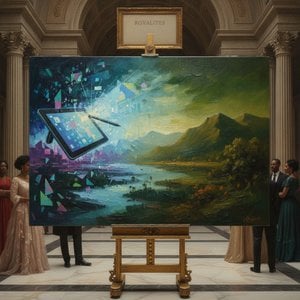
Przekształć cyfrowe NFT w ręcznie malowaną reprodukcję olejną – maksymalizuj marże, ciesz się luksusową jakością i zyskaj prowizję!
Zamów ręcznie malowaną reprodukcję olejną NFT na ArtsDot.com – ekspert w jakości i trwałości, z certyfikatem autentyczności. Maksymalizuj marże, ciesz się luksusową jakością i zyskaj prowizje. Zaufaj profesjonalistom.