


 Zobacz w skali 1:1
 Wyślij
 Udostępnij
 Szczegóły
 Przewodnik

 Pobierz plik obrazu
 Podobne obiekty
 RTG
RTG Pokaz slajdów
 Statystyki
Sumo

 Czytaj więcej
Giclée / Wydruk artystyczny
Wydruki giclée lub płótna o jakości muzealnej, szybka realizacja i szeroki wybór opcji wykończenia. ( Kup ręcznie malowany obraz Przełącz na wersję cyfrową)




P118B zł10

P118H zł10

P118W zł10

P438Z zł10

P508JH zł12

P508YH zł12

P805H zł10

P805Z zł10

P919BZ zł10

P919G zł10

P919XJ zł10

P959ZH zł10

P968JZ zł12

W106C zł8

W218G zł10

W218JH zł8

W218Y zł10

W307PJ zł10

W316G zł10

W316PJ zł8

W316Y zł10

W398PJ zł8

W4111J zł10

W500HY zł15

W500JH zł15

W692G zł12

W849H zł8

W940BG zł15

W953PJ zł8




Wybierz spośród naszych standardowych rozmiarów, które zachowują oryginalne proporcje dzieła sztuki.

Możesz wprowadzić własne wymiary, aby dopasować dzieło do konkretnej ramy lub przestrzeni. Jeśli wybrany rozmiar nie będzie odpowiadał proporcjom oryginalnego obrazu, przytniecie dzieło lub rozszerzymy obraz za pomocą odbicia lustrzanego lub jednolitego wypełnienia krawędzi. Przed rozpoczęciem produkcji prześlemy cyfrową wizualizację do Twojej akceptacji.
Prosimy pamiętać, że podgląd na ekranie nie odzwierciedla faktycznego przycinania ani rozszerzania. Tylko wizualizacja dokładnie pokaże końcową kompozycję.
Mimo dostępności niestandardowych rozmiarów, zalecamy wybór wymiaru z listy zdefiniowanej, aby zachować oryginalne proporcje.
Dostawa na cały świat () w ciągu 2 tygodni zamiast standardowych 4/5 tygodni. (28 Wrzesień)

Bezpłatna ekspresowa wysyłka na cały świat

Wysokiej jakości płótno lniane

Pełne ubezpieczenie transportowe

Gwarancja zwrotu należności celnych i podatków importowych

Gwarancja idealnego odwzorowania barw

100-dniowy okres na zwrot dzieła w przypadku wykrycia wad produkcyjnych

Gwarancja 100% zwrotu pieniędzy

Oferta przy zakupie wielu sztuk
 Opcja ze szkłem jest dostępna wyłącznie w rozmiarach poniżej 110 cm

Sumo
Giclée / Wydruk artystyczny
Rozmiar reprodukcji
-


Suma do zapłaty
zł 232
A Moment Frozen in Time: Katsushika Hokusai’s Sumo
The image presented is a monochrome woodblock print by Katsushika Hokusai, titled “Sumo,” created circa 1783-84 during the Edo period. This artwork transcends mere depiction; it encapsulates the spirit of Japanese culture and embodies the dynamism inherent in traditional wrestling—a practice deeply rooted in ritual and imbued with symbolic significance. Examining its details reveals a masterful blend of observation and artistic interpretation that continues to captivate audiences today.- Subject Matter: The print portrays two sumo wrestlers engaged in intense combat. One wrestler is positioned on the ground, attempting to subdue his opponent who stands above him, grasping firmly at his head—a posture signifying dominance and control. Surrounding them are figures representing spectators and fellow wrestlers, contributing to a scene brimming with energy and anticipation.
- Style: Hokusai’s style exemplifies Ukiyo-e aesthetics – characterized by its emphasis on capturing fleeting moments of beauty and emotion through precise linework and tonal gradation. The print adheres to the conventions of perspective and spatial arrangement typical of this artistic movement, prioritizing clarity and conveying a sense of immediacy.
- Technique: Produced using the woodblock printing technique—a cornerstone of Edo-period art—the image showcases remarkable detail achieved through multiple blocks carved with intricate patterns. Layers of ink are applied to these blocks before transferring them onto paper, resulting in stunning tonal variations and textural richness that bring the wrestling scene to life.
Historical Context: Sumo’s Place in Edo Society
Sumo wrestling held a prominent position within Edo society during Hokusai's lifetime. It wasn’t simply sport; it was deeply intertwined with religious beliefs and social hierarchy. Ritual purification practices, such as salt baths performed before matches, underscored the spiritual dimension of the event, reflecting Shinto traditions that venerated ancestors and sought harmony between humanity and nature. The sumo ring (dohyō) itself symbolized stability and strength—values central to Japanese culture—and its presence served as a focal point for communal celebration and social cohesion. Observing this spectacle was considered an honor, reinforcing the importance of tradition and demonstrating respect for established customs.Symbolism: Gesture and Dominance
The posture of the standing wrestler grasping his opponent’s head is laden with symbolic meaning. It represents not merely physical force but also psychological dominance – an assertion of control over one's adversary. The wrestling stance itself embodies resilience, balance, and unwavering determination—qualities admired in samurai warriors and revered as virtues within Japanese culture. Hokusai skillfully captures these concepts through precise anatomical rendering and dynamic composition, elevating the print beyond a simple depiction of combat. This gesture speaks to the core values of honor and respect – fundamental tenets of Edo-period morality.Emotional Impact: Capturing Intensity
Despite its monochrome palette, “Sumo” powerfully conveys the palpable tension and excitement of the wrestling match. The artist’s meticulous attention to detail—the furrowed brow of the wrestlers, the strained muscles of their bodies—creates a visceral experience for the viewer. Hokusai's masterful use of tonal gradation enhances the dramatic effect, emphasizing the contours of the figures and conveying the overwhelming energy of the confrontation. Ultimately, this print serves as a testament to Hokusai’s ability to distill complex emotions into a single image—a timeless portrayal of human struggle and triumph that resonates with viewers across generations. It invites contemplation on themes of perseverance and overcoming obstacles – enduring concepts applicable far beyond its artistic origins.Podobne dzieła


Biografia artysty
A Life Etched in Ink: The World of Katsushika Hokusai
Katsushika Hokusai, a name that resonates deeply within the world of art and inextricably linked to the iconic image of *The Great Wave off Kanagawa*, was far more than simply a printmaker. Born in Edo (modern-day Tokyo) around 1760, his life unfolded as an extraordinary journey – a relentless pursuit of artistic mastery, marked by constant evolution, shifting names, and an insatiable curiosity about the world around him. From humble beginnings as the son of a mirror maker, Hokusai’s early inclination towards art wasn't immediately nurtured; yet, he dedicated himself to honing his skills with unwavering determination, reportedly beginning to draw at the tender age of six. This profound commitment would shape a career spanning nearly nine decades, leaving behind a legacy that continues to captivate and inspire audiences globally. His father, Nakajima Ise, though not an artist by trade, recognized and perhaps fostered this nascent talent, providing a foundation upon which Hokusai built his extraordinary artistic empire. Hokusai’s early life wasn't defined by privilege, but rather by a steady climb fueled by ambition and a deep-seated passion to capture the essence of the world in all its fleeting beauty.From Apprenticeship to Innovation: The Blossoming of a Style
Hokusai’s formal artistic training commenced at twelve when he entered the prestigious studio of Katsukawa Shunshō, a leading master of *ukiyo-e* – “pictures of the floating world.” This vibrant genre, flourishing during the Edo period, served as a mirror reflecting the diverse facets of Japanese society: actors performing in Kabuki theaters, courtesans embodying elegance and allure, sweeping landscapes capturing the beauty of nature, and glimpses into the bustling urban culture of Edo. Under Shunshō’s tutelage, Hokusai immersed himself in the intricate techniques of woodblock printing – a demanding process requiring exceptional precision, artistic skill, and an understanding of color theory. However, even within this established framework, Hokusai demonstrated a restless spirit, a desire to transcend mere replication and explore new avenues of expression. From his earliest works, there was evidence of this innate drive—experimentation with different subjects, including book illustrations and single-sheet prints, all meticulously crafted to refine his unique visual language. This period also witnessed the emergence of numerous name changes – a practice common among *ukiyo-e* artists, signifying periods of artistic evolution or affiliations with various schools. Initially, he focused on illustrating books, providing him with invaluable experience in composition and detail, but it was his transition towards single-sheet prints that truly unleashed his creative potential.Mount Fuji and the Floating World: Defining Masterpieces
Hokusai’s artistic output was astonishingly prolific—tens of thousands of woodblock prints, paintings, and illustrated books bear his signature. While he explored a vast array of subjects, it was his series *Thirty-Six Views of Mount Fuji* (circa 1831) that cemented his enduring fame. This monumental collection wasn’t simply a depiction of a landscape; it was a profound exploration of perspective, composition, and the raw power of nature. The central image, *The Great Wave off Kanagawa*, embodies both the breathtaking beauty and terrifying force of the sea—a towering wave poised to engulf tiny fishing boats, a scene that has become one of the most recognizable images in art history. Beyond *Fuji*, works such as *Fireworks at Ryōgoku Bridge* (1790) showcased his remarkable ability to capture dynamic scenes of daily life with an incredible sense of energy and detail. His *Hokusai Manga* – a collection of sketches and studies encompassing people, animals, landscapes, and fantastical creatures—represented a groundbreaking departure from traditional art forms, foreshadowing the development of modern manga as an artistic medium. These works weren’t isolated achievements; they were integral components of a continuous artistic journey, each building upon the last to create a body of work that is both deeply rooted in Japanese tradition and remarkably innovative.The Influence of Europe and the Pursuit of Perfection
As Japan began to open its doors to Western influences in the late 19th century, Hokusai’s work gained international recognition. European artists, particularly Impressionists like Claude Monet and Vincent van Gogh, were profoundly moved by his bold compositions, vibrant colors, and unconventional perspectives. Van Gogh, in particular, was deeply inspired by *The Great Wave*, creating a series of paintings that directly referenced the original woodblock print. Hokusai’s influence extended beyond mere imitation; it permeated various modern art movements, shaping the way artists approached composition, color palettes, and subject matter. His emphasis on capturing fleeting moments, his masterful use of line, and his ability to find beauty in the ordinary resonated with a generation seeking new forms of artistic expression. Furthermore, Hokusai’s relentless pursuit of perfection—a characteristic that fueled much of his prolific output—became increasingly evident as he aged. He famously declared, “At 60, I will paint like a child; at 70, like a fool; and at 80, like a madman.” This philosophy drove him to continually experiment with new techniques and styles throughout his extraordinarily long career.A Legacy of Innovation: Hokusai’s Enduring Impact
Katsushika Hokusai's legacy extends far beyond the confines of Japan. His work continues to be studied, admired, and reproduced worldwide, a testament to his artistic genius and enduring influence. He remains one of the most important figures in Japanese art history, and his innovative approach to *ukiyo-e* fundamentally shaped the genre’s development. His ability to seamlessly blend traditional techniques with contemporary sensibilities, coupled with his profound understanding of human nature and the natural world, ensures that Hokusai's work will continue to captivate audiences for generations to come. His life serves as an inspiring example of dedication, creativity, and a relentless pursuit of artistic excellence.- Major Influences: Ukiyo-e traditions, Chinese landscape painting, everyday life in Edo.
- Key Characteristics: Bold lines, vibrant colors, dynamic compositions, keen observation of nature.

Hokusai Katsushika
1760 - 1849 , Japonia
Najważniejsze informacje
- Artistic Movement Or Style: Ukiyo-e
- Artists Or Movements Influenced By This Artist:
- Impresjonizm
- Van Gogh
- Artists Who Influenced This Artist:
- Malbańscy
- Japońskie krajobrazy
- Date Of Birth: 31 października 1760
- Date Of Death: 10 maja 1849
- Full Name: Katsushika Hokusai
- Nationality: Japoński
- Notable Artworks:
- Wysoka fala
- Trzydzieści sześć widoków na górę Fudżi
- Hokusai Manga
- Place Of Birth: Tokio, Japonia
Zobacz także powiązane artykuły

Katsushika Hokusai: A Comprehensive Exploration of the Master's Life, Art, and Enduring Legacy
Explore the life & art of Katsushika Hokusai, Japan's ukiyo-e master! Discover 'The Great Wave,' landscapes, manga & his profound influence on Western art. A comprehensive guide for enthusiasts.
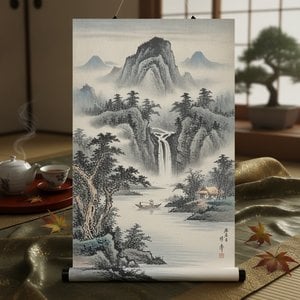
Serenity on Canvas: A Guide to the Timeless Beauty of Japanese Landscape Painting
Discover the serene beauty of Japanese landscape painting. From Hokusai's iconic woodblock prints to meditative sumi-e ink washes, explore a visual journey through the 'floating world' and learn how to bring this timeless Zen aesthetic into your modern home decor.

Romantyczny Krajobraz w Malarstwie: 10 Arcydzieł, Które Zdefiniowały Epokę | ArtsDot.com
Odkryj 10 arcydzieł romantyzmu w malarstwie! Poznaj historie Caspara Davida Friedricha, Turnera i innych mistrzów. Inspiracje wnętrzarskie & reprodukcje obrazów najwyższej jakości na ArtsDot.com. Eksploruj kolekcję online!
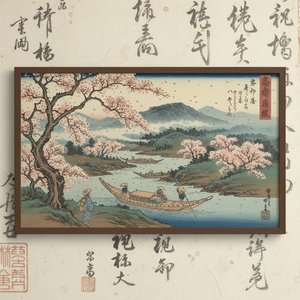
Ephemeral Landscapes: Hiroshige's Poetics of Transient Beauty in Edo Japan
Explore the captivating world of Utagawa Hiroshige's ukiyo-e landscapes. Discover his artistic innovations, influence on Western art, and the poetics of transient beauty in Edo period Japan. A guide for collectors & enthusiasts.

Katsushika Hokusai: 25 Arcydzieł Sztuki Japońskiej dla Kolekcjonerów i Miłośników Dekoracji
Odkryj 25 arcydzieł Katsushika Hokusai, mistrza ukiyo-e! Poznaj historię Wielkiej Fali i innych ikonicznych drzeworytów. Inspiracje wnętrzarskie i reprodukcje obrazów najwyższej jakości na ArtsDot.com – sztuka japońska dla Twojego domu.


