


 Zobacz w skali 1:1
 Wyślij
 Udostępnij
 Szczegóły
 Przewodnik

 Pobierz plik obrazu
 Podobne obiekty
 RTG
RTG Pokaz slajdów
 Statystyki
Justus Köhncke: 2 After 909


 Czytaj więcej
Giclée / Wydruk artystyczny
Wydruki giclée lub płótna o jakości muzealnej, szybka realizacja i szeroki wybór opcji wykończenia. ( Kup ręcznie malowany obraz Przełącz na wersję cyfrową)




P118B $10

P118H $10

P118W $10

P438Z $10

P508JH $12

P508YH $12

P805H $10

P805Z $10

P919BZ $10

P919G $10

P919XJ $10

P959ZH $10

P968JZ $12

W106C $8

W218G $10

W218JH $8

W218Y $10

W307PJ $10

W316G $10

W316PJ $8

W316Y $10

W398PJ $8

W4111J $10

W500HY $15

W500JH $15

W692G $12

W849H $8

W940BG $15

W953PJ $8




Wybierz spośród naszych standardowych rozmiarów, które zachowują oryginalne proporcje dzieła sztuki.

Możesz wprowadzić własne wymiary, aby dopasować dzieło do konkretnej ramy lub przestrzeni. Jeśli wybrany rozmiar nie będzie odpowiadał proporcjom oryginalnego obrazu, przytniecie dzieło lub rozszerzymy obraz za pomocą odbicia lustrzanego lub jednolitego wypełnienia krawędzi. Przed rozpoczęciem produkcji prześlemy cyfrową wizualizację do Twojej akceptacji.
Prosimy pamiętać, że podgląd na ekranie nie odzwierciedla faktycznego przycinania ani rozszerzania. Tylko wizualizacja dokładnie pokaże końcową kompozycję.
Mimo dostępności niestandardowych rozmiarów, zalecamy wybór wymiaru z listy zdefiniowanej, aby zachować oryginalne proporcje.
Dostawa na cały świat () w ciągu 2 tygodni zamiast standardowych 4/5 tygodni. (23 Wrzesień)

Bezpłatna ekspresowa wysyłka na cały świat

Wysokiej jakości płótno lniane

Pełne ubezpieczenie transportowe

Gwarancja zwrotu należności celnych i podatków importowych

Gwarancja idealnego odwzorowania barw

100-dniowy okres na zwrot dzieła w przypadku wykrycia wad produkcyjnych

Gwarancja 100% zwrotu pieniędzy

Oferta przy zakupie wielu sztuk
 Opcja ze szkłem jest dostępna wyłącznie w rozmiarach poniżej 110 cm

Justus Köhncke: 2 After 909
Giclée / Wydruk artystyczny
Rozmiar reprodukcji
-


Suma do zapłaty
$ 62
A Nocturne of Urban Solitude
In the quietude of the night, where the boundaries between architecture and atmosphere begin to blur, Justus Köhncke’s “2 After 909” emerges as a profound meditation on the modern cityscape. This captivating nocturnal landscape invites the viewer into an urban expanse bathed in an ethereal, diffused glow. At the heart of the composition stands a monumental structure, its imposing presence commanding the skyline like a silent sentinel of progress. The numerous windows of this architectural centerpiece catch the moonlight, creating a rhythmic pattern of light and shadow that breathes life into the cold stone and glass. Surrounding this giant, smaller buildings punctuate the horizon, providing a sense of scale and grounding the viewer within a tangible, albeit dreamlike, metropolitan reality.
The painting is a masterclass in Landscape Impressionism, a style where Köhncke channels the evocative spirits of Claude Monet and Edgar Degas. Rather than focusing on the rigid, clinical precision of architectural drafting, the artist prioritizes the fleeting nuances of light and the heavy, palpable texture of the night air. Through a sophisticated layering technique, Köhncke utilizes oil paints on canvas to build a surface that is both luminous and deeply textured. He masterfully balances thin, translucent washes of color with thick, impasto strokes, allowing the light to appear as if it is vibrating from within the canvas itself. This interplay of medium and method ensures that every shadow holds a secret and every highlight offers a moment of brilliance.
Symbolism and the Pulse of an Era
Beyond its surface beauty, “2 After 909” serves as a poignant symbol of resilience and contemplation amidst the relentless march of urban development. A single, lone tree is positioned near the center of the frame, acting as a vital visual anchor. Its organic silhouette provides a stark, poetic counterpoint to the geometric rigidity of the surrounding skyscrapers. As its branches reach upward toward the clouded sky, the tree becomes a metaphor for the enduring connection to nature and the human aspiration to find growth even within the most structured environments. This tension between the natural and the man-made imbues the work with a deep emotional resonance, making it a piece that speaks to the soul as much as the eye.
Created in 2002, the work captures a specific historical zeitgeist—a period of optimism and rapid architectural evolution in Germany. The painting reflects a belief in innovation and the grandeur of urban planning, yet it simultaneously invites a sense of introspective solitude. For the discerning collector or interior designer, this reproduction offers more than mere decoration; it provides an atmospheric window into a moment of quiet reflection. Whether placed in a contemporary gallery setting or a sophisticated residential study, the painting’s ability to evoke both grandeur and intimacy makes it an incomparable centerpiece for any curated space.
Podobne dzieła


Biografia artysty
John McKinstry: A Cornish Landscape Painter Forged in the Sixties
Born in Hertfordshire, England, in 1966, John McKinstry’s artistic journey began to take shape amidst the vibrant cultural shifts of the late 20th century. While his early life unfolded within the familiar landscapes of the Midlands, a pivotal relocation to Cornwall in later years would profoundly influence his work, imbuing it with the rugged beauty and elemental spirit of the southwest peninsula. McKinstry’s artistic development is inextricably linked to the broader artistic currents of the 1960s – an era marked by experimentation, social upheaval, and a burgeoning interest in capturing the essence of place.
The decade that birthed him was one of dramatic transformation. The rise of Pop Art challenged traditional notions of beauty, while simultaneously, movements like Minimalism sought to strip art down to its most essential forms. Simultaneously, artists were grappling with the legacy of Abstract Expressionism, pushing boundaries and exploring new ways to represent reality. McKinstry’s own approach reflects this complex interplay – a grounding in observation tempered by a willingness to embrace innovative techniques and materials. His early work demonstrates an appreciation for the tonal qualities of landscape painting, reminiscent of Turner and Constable, yet infused with a contemporary sensibility.
The “Born Wild” Concept and Material Innovation
McKinstry’s artistic vision crystallized around the compelling concept of “Born Wild,” a project that began in 2004. This wasn't merely a subject matter; it represented a philosophical exploration of primal instincts and their potential for transformation. McKinstry sought to translate these fundamental human impulses into positive emotional experiences, creating art that resonated with audiences across generations. The concept’s core lies in the juxtaposition of ancient drives with refined civility – a powerful narrative woven through his sculptures.
Crucially, McKinstry's work distinguishes itself through its innovative use of materials. He masterfully combines resin, aluminum, marble, stone, and bronze, each chosen for its unique textural and visual properties. The interplay between these diverse elements—the brilliance of resin contrasted with the opacity of stone, the smoothness of aluminum against the rough texture of marble—creates a dynamic tension that mirrors the core themes of “Born Wild.” This deliberate selection isn’t simply aesthetic; it's a strategic tool for conveying meaning and evoking emotional responses. The artist’s commitment to pushing beyond traditional boundaries is evident in every piece.
Recognition and Global Reach
McKinstry’s artistic reputation has steadily grown over the past two decades, culminating in widespread recognition across the international art world. His work is currently exhibited in over 90 galleries worldwide, a testament to its enduring appeal and the artist's ability to connect with diverse audiences. A significant milestone was achieved in 2015 when he was named the number one best-selling French contemporary sculptor by Art Price’s New Ranking Contemporary Artists – a remarkable achievement that underscores his impact on the market.
His presence at prestigious events like FIAC (Foire Internationale d'Art Contemporain) further solidifies his position as a leading figure in contemporary sculpture. This exposure has not only elevated his profile but also facilitated collaborations and dialogues with other artists and institutions, contributing to a broader understanding of his artistic vision.
A Cornish Perspective: Landscape and Legacy
The move to Cornwall has undoubtedly shaped McKinstry’s artistic practice. The dramatic coastal landscapes, the ancient stone formations, and the ever-changing light of the region provide a constant source of inspiration. His paintings capture not just the visual beauty of Cornwall but also its spirit – a sense of wildness, resilience, and timelessness. The rugged coastline, the windswept moorland, and the vibrant hues of the sunsets all find their way onto his canvases.
Looking ahead, John McKinstry continues to explore the intersection of primal instincts, human emotion, and the transformative power of art. His work serves as a reminder that even within the most fundamental aspects of our being lies the potential for beauty, grace, and enduring significance. His legacy is one of innovation, exploration, and a profound connection to both the landscape he calls home and the universal experiences that unite us all.

justus köhncke
1966 - , Germany
Najważniejsze informacje
- Artistic Movement Or Style: Landscape artist
- Date Of Birth: 1966
- Full Name: John McKinstry
- Nationality: British
- Notable Artworks: ['Various landscape pieces']
- Place Of Birth: Hertfordshire, UK
Zobacz także powiązane artykuły

John Singer Sargent: 25 Arcydzieł Pełnych Elegancji i Światła | ArtsDot.com
Odkryj 25 arcydzieł Johna Singera Sargenta – mistrza portretu i impresjonizmu. Poznaj historie, techniki i inspiracje za jego najsłynniejszymi obrazami. Reprodukcje najwyższej jakości na ArtsDot.com. Eksploruj pełną kolekcję online!

Gwen John: Intimacy, Modernity & the Quiet Power of Welsh Portraiture
Explore the captivating world of Gwen John, a pioneering Welsh artist renowned for her intimate portraits & subtle style. Discover her life, legacy, and how to bring her timeless beauty into your home with ArtsDot.
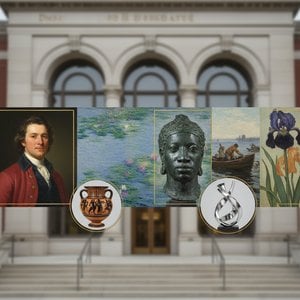
25 Arcydzieł Muzeum Sztuk Pięknych w Bostonie: Historia, Artyści i Inspiracje dla Domu
Odkryj 25 arcydzieł Muzeum Sztuk Pięknych w Bostonie! Poznaj historie słynnych artystów, impresjonizmu, Van Gogha i Maneta. Inspiracje wnętrzarskie & reprodukcje obrazów najwyższej jakości na ArtsDot.com

Minimalizm w Sztuce: 10 Arcydzieł dla Eleganckiego Wnętrza | ArtsDot
Odkryj 10 arcydzieł minimalizmu! Poznaj historię Rothko, Mondriana i Maleвича. Abstrakcja, proste formy i eleganckie wnętrza – inspiracje od ArtsDot.com. Reprodukcje obrazów najwyższej jakości.

John Constable: 25 Najlepszych Obrazów Mistrza Angielskiego Krajobrazu | ArtsDot
Odkryj 25 arcydzieł Johna Constable'a – mistrza angielskiego krajobrazu! Poznaj romantyczne pejzaże, technikę malarską i inspiracje z Dedham Vale. Reprodukcje obrazów najwyższej jakości na ArtsDot.com. Eksploruj pełną kolekcję online!