

 Podgląd w skali 1:1
 Wyślij jako kartkę
 Udostępnij
 Szczegóły dzieła
 Przewodnik

 Pobierz obraz
 Podobne obiekty
 RTG
RTG Pokaz slajdów
 Pytania i odpowiedzi
 Statystyki
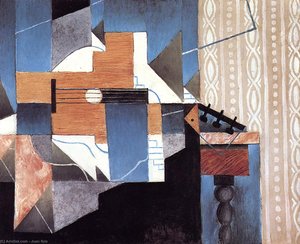
The Siphon

- 81.0 x 65.0 cm


 Rozwiń treść
Giclée / Wydruk artystyczny
Wydruki giclée lub płótna o jakości muzealnej, szybka realizacja i szeroki wybór opcji wykończenia. ( Zamów ręcznie malowaną reprodukcję Przejdź do wersji cyfrowej)




P118B zł10

P118H zł10

P118W zł10

P438Z zł10

P508JH zł12

P508YH zł12

P805H zł10

P805Z zł10

P919BZ zł10

P919G zł10

P919XJ zł10

P959ZH zł10

P968JZ zł12

W106C zł8

W218G zł10

W218JH zł8

W218Y zł10

W307PJ zł10

W316G zł10

W316PJ zł8

W316Y zł10

W398PJ zł8

W4111J zł10

W500HY zł15

W500JH zł15

W692G zł12

W849H zł8

W940BG zł15

W953PJ zł8




Wybierz spośród naszych standardowych rozmiarów, które zachowują oryginalne proporcje dzieła sztuki.

Wpisz wymaganą szerokość i wysokość, aby dopasować grafikę do ramy lub ściany. Wydruk można jedynie przyciąć, nigdy nie powiększając go poza oryginalny obraz, dlatego format o innych proporcjach spowoduje utratę części kompozycji. Przed rozpoczęciem druku prześlemy Ci cyfrowy podgląd do zatwierdzenia. Obraz wyświetlany na tej stronie nie pokazuje rzeczywistego przycięcia — jedynie podgląd oddaje ten efekt.
Dostawa na cały świat () w ciągu 2 tygodni zamiast standardowych 4/5 tygodni. (16 Listopad)

Bezpłatna ekspresowa wysyłka na cały świat

Wysokiej jakości płótno lniane

Pełne ubezpieczenie przesyłki

Gwarancja zwrotu należności celnych i podatków importowych

Gwarancja wiernego odwzorowania kolorów

100-dniowa polityka zwrotów (tylko w przypadku wad)

Gwarancja 100% zwrotu pieniędzy

Zniżka przy zakupie wielu sztuk
 Opcja ze szkłem jest dostępna wyłącznie w rozmiarach poniżej 110 cm

The Siphon
Giclée / Wydruk artystyczny
Wymiary reprodukcji
-


Cena całkowita
zł 245
The Siphon: A Synthesis of Form and Everyday Life
Juan Gris's "The Siphon," created in 1913, stands as a pivotal work within the Synthetic Cubist movement. This oil on canvas (81 x 65 cm), currently residing at the Rose Art Museum, exemplifies Gris’s unique approach to abstraction – one that grounded itself in recognizable objects while dismantling traditional representational techniques. The painting depicts a commonplace kitchen scene—a vase, bottles, cups, and a chair—rendered through a fractured lens of geometric shapes and muted colors.
Composition and Style: Deconstructing Reality
The artwork's power lies in its deliberate fragmentation. Gris doesn’t aim to depict the objects as they appear from a single viewpoint; instead, he presents them simultaneously from multiple perspectives, breaking them down into interlocking planes and geometric forms. This technique, characteristic of Synthetic Cubism, moves beyond the Analytical Cubism that preceded it by incorporating simpler shapes and flatter areas of color. The monochromatic palette—primarily blues, grays, and whites with subtle accents of red and brown—contributes to a sense of harmony and balance despite the apparent chaos of fragmented forms. Overlapping planes create an illusion of depth within the flattened picture plane, while sharply defined lines add dynamism and visual interest.
Historical Context: The Rise of Synthetic Cubism
"The Siphon" emerged during a period of radical artistic experimentation in the early 20th century. Following the pioneering work of Pablo Picasso and Georges Braque in Analytical Cubism, Gris spearheaded the development of Synthetic Cubism. This new phase emphasized simplification, collage elements (though absent here), and a greater emphasis on color. Gris’s approach was notably more structured and mathematically precise than that of his contemporaries, reflecting his engineering background. He sought to create a rational order within abstraction, using geometric forms to construct a coherent visual language.
Symbolism and Emotional Impact: Everyday Objects, Elevated
While seemingly depicting mundane objects—a kitchen still life—"The Siphon" transcends mere representation. The fragmentation of these familiar items invites viewers to reconsider their perception of reality. The geometric abstraction evokes a sense of intellectual engagement rather than purely emotional response. There's a quiet dignity in the way Gris elevates everyday objects to the realm of high art, transforming them into complex visual puzzles. The muted color palette and carefully balanced composition create an atmosphere of contemplative stillness, inviting viewers to pause and appreciate the beauty inherent in deconstructed form.
Juan Gris: A Legacy of Geometric Precision
Juan Gris (1887-1927) was a Spanish painter who became a central figure in the Cubist movement. Born José Victoriano González-Pérez, he adopted the pseudonym Juan Gris and moved to Paris in 1906, where he encountered influential artists like Matisse, Braque, and Picasso. His unique contribution lay in his systematic approach to Cubism, emphasizing geometric precision and a more structured composition than many of his contemporaries. Other notable works by Gris include "Glass of beer and playing cards" and "Newspaper and Fruit Dish," further demonstrating his mastery of Synthetic Cubism and his ability to transform ordinary subjects into extraordinary works of art.
Pytania i odpowiedzi
Jaki jest dominujący kolor dzieła „The Siphon” – Juan Gris?
Dominującym odcieniem dzieła „The Siphon” – Juan Gris jest Warm Sunset Tones. Odcień ten stanowi bazową tonację palety barw.
Kiedy powstało i w jakim nurcie utrzymane jest dzieło „The Siphon” – Juan Gris?
"The Siphon" powstało w 1913 roku jako dzieło należące do nurtu Synthetic Cubism. Data powstania oraz przynależność do tego kierunku osadzają dzieło w kontekście historii sztuki.
Kto stworzył "The Siphon"?
Autorstwo dzieła "The Siphon" przypisuje się Juan Gris.
Podobne dzieła




Biografia artysty
Wczesne lata, rodzina i kształcenie
Urodzony 23 marca 1887 roku w Madrycie jako José Victoriano González-Pérez, człowiek, który miał stać się znany jako Juan Gris, dorastał w licznej i pełnej życia rodzinie. Był trzynastym z czternauciga dzieci. Jego ojciec, Gregorio Gonzalez, był majętnym przedsiębiorcą, a domowe zacisze zapewniło mu stabilny fundament podczas kluczowych lat formacyjnych spędzonych w hiszpańskiej stolicy.
Jego wczesna edukacja nabrała technicznego charakteru w Madrycie, w Szkole Sztuk i Nauk, gdzie zgłębiał tajniki inżynierii. Ten okres studiów zaszczepił w nim poczucie strukturalnej logiki, która w późniejszych latach miała wyraźnie przejawiać się w jego twórczości wizualnej. Choć jego uwaga skupiona była na mechanice projektowania, twórczy impuls był już wówczas obecny. Między 1904 a 1905 rokiem zaczął formalizować swoje artystyczne wykształcenie, studiując malarstwo pod okiem akademickiego artysty, jakim był José Moreno Carbonero. Ten krótki, lecz znaczący okres nauki pomógł zasypać przepaść między studiami technicznymi a rozwijającym się językiem wizualnym.
W 1905 roku nastąpiła jednak głęboka przemiana tożsamościowa, gdy przyjął on imię Juan Gris. Ta zmiana stanowiła odejście od jego korzeni jako José Victoriano González-Pérez i zwiastowała zupełnie nowy kierunek w jego życiu. Porzucił on sztywne rygory inżynierii na rzecz bardziej płynnego, choć równie uporządkowanego świata reprezentacji wizualnej.
Paryskie przebudzenie i kubizm
Przeprowadzka do Paryża w 1906 roku nieodwracalnie zmieniła bieg jego życia. Do 1909 roku mieszkał w słynnym atelier Bateau-Lavoir przy 13 Rue Ravignan – miejscu tętniącym nieustannym ruchem, pełnym wspólnych przestrzeni i artystycznego fermentu. Choć spędził tamte lata, pracując jako karykaturzysta satyryczny, to dopiero około 1911 roku nastąpił jego prawdziwy zwrot ku malarstwu. Porzucił świat ilustracji, by w pełni oddać się płótnu, poszukując bardziej uporządkowanego, strukturalnego sposobu patrzenia na otaczające go przedmioty.
Jego obecność na paryskiej scenie artystycznej stała się oficjalna w 1912 roku, kiedy to po raz pierwszy zaprezentował swoje prace na Salon des Indépendants. Był to czas gwałtownego rozwoju; artysta odchodził od ekspresyjnych jakości fowizmu w stronę pofragmentowanej, intelektualnej logiki kubizmu. Jego twórczość szybko wykraczyła poza granice Francji, co zaowocowało wystawą na Exposició d'art cubista w Galeries Dalmau w Barcelonie. Jeszcze w 1912 roku podpisał kontrakt z Daniel-Henry Kahnweilerem, co ostatecznie ugruntowało jego pozycję w kręgu artystów redefiniujących pojęcie przestrzeni malarskiej.
Technika i styl artystyczny
Sposób, w jaki buduje płótno, opiera się na swoistej, matematycznej logice. Jego inżynieryjskie wykształcenie objawia się w sposobie, w jaki operuje geometrycznymi kształtami i pofragmentowanymi formami, traktując kompozycję z cichą, wyliczoną precyzją. Nie ogranicza się on do prostego rozbijania przedmiotu na części; on rekonstruuje go poprzez serię przecinających się płaszczyzn. W wielu swoich dziełach odchodzi od chaotycznej, roztrzaskanej abstrakcji widocznej we wczesnym kubizmie, wybierając zamiast tego bardziej uporządkowaną i czytelną strukturę. Ta klarowność często wynika z dyscypliny palety barw, opartej na szarościach, czerniach i bieli, co zmusza oko widza do skupienia się na ciężarze i rozmieszczeniu każdego kształtu.
Jego dłonie wykazywały niezwykłą biegłość w pracy z teksturami codzienności. Był wirtuozem w operowaniu materiałami, które większość mogłaby przeoczyć, włączając wycinki z gazet, tapety oraz inne przedmioty drukowane komercyjnie lub znalezione, bezpośrednio w swoje kompozycje. Posiadał specyficzny sposób traktowania tych elementów, używając czarnej masy w miejscach styku różnych papierów, aby ukryć szwy. Technika ta pozwalała mu tworzyć iluzję bezszwowości, sprawiając, że odrębne warstwy jawiły się jako pojedyncza, jednolita powierzchnia, a nie zbiór skrawków. Potrafił nawet z niezwykłą starannością dopasowywać wzory na drukowanym papierze, aby krawędzie całkowicie zniknęły wewnątrz dzieła.
Kluczowe dzieła i arcydzieła
W 1914 roku na światło dzienne ujrzały Kwiaty, które obok dzieła The Sunblind ukazały niezwykłą fascynację artysty sposobem, w jaki światło i przedmioty anektują przestrzeń. Już w czerwcu 1915 roku ukończona została kompozycja Still Life before an Open Window, Place Ravignan. To płótno wykorzystuje przecinające się płaszczyzny, aby zbudować poczucie głębi, wciągając widza w uporządkowaną, pełną spokoju scenę. Sposób, w jaki nakładają się na siebie kształty, tworzy specyficzny rodzaj ładu, w którym okno i znajdujące się w nim przedmioty zostają zrekonstruowane poprzez serię ostrych, geometrycznych kątów.
Lata następujące przyniosły zwrot ku bardziej osobistym tematom i złożonym teksturom. W październiku 1916 roku powstał Portrait of Josette Gris, uwieczniający podmiot poprzez zdyscyplinowane, niemal monochromatyczne spojrzenie. To podejście odrzuca zbędne detale, aby skupić się na rytmie linii. Później, w 1919 roku, Harlequin at a Table wprowadził na płótno zupełnie inną energię, wykorzystując fragmentaryczny język kubizmu do uporządkowania sceny. Pod koniec życia, około 1927 roku, stworzył Guitar and Music Paper – dzieło opierające się na interakcji prostych form i dotykowym sugestywnym charakterze papieru.
- Still Life before an Open Window, Place Ravignan (1915)
- Flowers (1914)
- The Sunblind (1914)
- Portrait of Josette Gris (1916)
- Harlequin at a Table (1919)
- Guitar and Music Paper (ok. 1927)
Krąg, rywale i inspiracje
Juan Gris poruszał się w ścisłych kręgach paryskiej awangardy, w świecie pełnym wspólnych idei i nieustannie zmieniających się perspektyw. Jego twórczość wyrastała z fundamentów położonych przez Paula Cézanne'a, a konkretnie z sposobu, w jaki ten starszy mistrz zgłębiał ukrytą strukturę formy i przestrzeni. To intelektualne podejście pozwoliło Juan Gris na odnalezienie własnej drogi u boku głównych wizjonerów ruchu. Stał się jedną z trzech czołowych postaci kubizmu, tworząc w tej samej orbicie co Pablo Picasso i Georges Braque. Choć czerpał z ich dokonań, jego ścieżka nie była jedynie prostą imitacją; wniósł on na płótno matematyczną precyzję, która wyraźnie odróżniała się od bardziej intuicyjnych eksperymentów jego rówieśników.
Relacje wewnątrz tego artystycznego kręgu bywały niezwykle skomplikowane. Mimo głębokich wpływów, jakie wywarł na niego Picasso, między artystami wyczuwalne było napięcie. Jeden z obserwatorów zauważył nawet, że Juan Gris był jedyną osobą, której obecność Picasso chciałby wymazać – szczegół ten doskonale oddaje konkurencyjny i intensywny charakter tamtej epoki. Mimo to, Juan Gris pozostał kluczową postacią w rozwoju tego nurtu, pomagając wyprowadzić kubizm z jego wczesnych, analitycznych faz ku bardziej ustrukturyzowanym, syntetycznym kompozycjom, które zdefiniowały późniejsze lata tego kierunku. Nie ograniczał się jedynie do podążania śladami innych; to on pomógł skierować ruch ku bardziej uporządkowanej i czytelnej logice.
Dziedzictwo i trwały wpływ
Juan Gris zrobił znacznie więcej niż tylko podążał ścieżkami wytyczonymi przez innych. Choć budował na fundamentach wczesnego kubizmu, nadał ruchowi zupełnie nowe kierunki, odchodząc od rozbijającej percepcję abstrakcji, którą prezentowali jego rówieśnicy. Jego obrazy posiadają odważny, graficzny wyraz, który sprawia, że są one natychmiast rozpoznawalne i odróżnialne od dzieł Picassa czy Braque’a. W sposobie, w jaki operuje kompozycją, wyczuwalna jest specyficzna, wręcz matematyczna klarowność – cecha ta wywodzi się bezpośrednio z jego wcześniejszych studiów inżynieryjnych. Nie ograniczał się on do prostego rozbijania przedmiotów na części; on rekonstruował je na nowo, niosąc ze sobą poczucie ładu i strukturalnej logiki.
Jego wpływ jest wyraźnie odczuwalny w sposobie, w jaki przeprowadził kubizm przez transformację z fazy analitycznej ku podejściu bardziej syntetycznemu. Poprzez wprowadzanie tekstur i wzorów, pomógł zdefiniować nowy sposób patrzenia, który kładł nacisk na płaskość płótna, zamiast dążyć do iluzji głębokiej przestrzeni. Ta metoda zmieniła akt malarski w precyzyjną aranżację geometrycznych płaszczyzn i koloru. Jego twórczość pozostaje fascynującym studium tego, jak umiejętnie równoważyć fragmentację z poczuciem spójnego, harmonijnego projektu.
- Homage à Pablo Picasso (1912)
- Still Life before an Open Window (1915)
- Guitar with inlays (1925)
Gdzie dziś można podziwiać jego dzieła
Śledzenie fizycznej obecności twórczości tego artysty wymaga podróży przez kilka najważniejszych światowych kolekcji. W Madrycie Museo Nacional Centro de Arte Reina Sofía przechowuje trzynaście jego dzieł, oferując niezwykle istotny wgląd w proces jego artystycznego rozwoju. Z kolei Muzeum Thyssen-Bornemisza w tym samym mieście posiada dwa wybitne prace. Te hiszpańskie zbiory pozwalają dostrzec, jak jego madryckie korzenie ostatecznie przeobraziły się w radykalne struktury późniejszych lat twórczości.
Większość dorobku artysty pozostała we Francji, co stanowi żywe świadectwo lat spędzonych w Paryżu. Centre Pompidou posiada cztery dzieła, podczas gdy Muzeum Kröller-Müller w Otterlo skrywa aż dziewięć prac. To właśnie w tych salach można odnaleźć jego eksperymenty z teksturą i kolorem, gdzie zachowano ostre krawędzie geometrycznych form oraz unikalny sposób, w jaki nakładał papier i farbę, by budować iluzję głębi.
Po drugiej stronie Atlantyku Muzeum Sztuki w Filadelfii przechowuje trzy dzieła. Obcowanie z jego malarstwem w tak zróżnicowanych kontekstach ukazuje, jak jego podejście do przestrzeni i światła ewoluowało w zależności od wybranych materiałów. Niektóre z tych płócien zachwycają swoją monumentalnością, podczas gdy inne skupiają się na cichej, niemal intymnej aranżacji przedmiotów codziennego użytku.
- Martwa natura z kwiatami (1912)
- Butelka Anís del Mono (1914)
- Gitara na tle morza (1925)
- Portret Madame Josette Gris (1916)
- Szachownica (1915)

Juan Gris
1887 - 1927 , Hiszpania
Krótka nota
- Artistic Movement Or Style: Kubizm, kubizm syntetyczny, kubizm analityczny
- Artists Or Movements Influenced By This Artist: ['Puryzm']
- Artists Who Influenced This Artist:
- Paul Cézanne
- Pablo Picasso
- Georges Braque
- Date Of Birth: 1887
- Date Of Death: 1927
- Full Name: José Victoriano González-Pérez
- Nationality: Hiszpańska
- Notable Artworks:
- Martwa natura z kwiatami
- Mężczyzna w kawiarni
- Skrzypce i gitara
- Butelka Anís del Mono
- Martwa natura przed otwartym oknem
- Place Of Birth: Madryt, Hiszpania
Powiązane artykuły
Juan Gris: Cubist Deconstruction & Synthesis – A Comprehensive Exploration
Explore the revolutionary art of Juan Gris – a master of Cubism. Discover his unique approach to deconstruction, vibrant Synthetic Cubist works, and lasting influence on modern art. Expert analysis for collectors.

Trzy płótna, trzy emocje: Rola wyboru w kształtowaniu odbioru dzieła sztuki
Odkryj fascynujący świat sztuki! Poznaj neuroestetyczne podstawy odbioru dzieł, wpływ kontekstu i techniki malarskiej na emocje. Analiza obrazów i interpretacja z perspektywy eksperta.

Uncovering Where Was Juan Gris Born: The Spanish Roots of a Cubist Master
Discover the Madrid origins of Juan Gris and learn how his engineering studies in Spain helped shape the geometric precision of his Cubist works.

Dekonstrukcja Rzeczywistości: Rewolucyjny Wpływ Kubizmu na Sztukę XX Wieku
Odkryj rewolucyjny wpływ kubizmu na sztukę XX wieku! Analiza dzieł Picassa i Braque’a, historia nurtu, techniki oraz dziedzictwo. Ekspercka wiedza dla kolekcjonerów i miłośników sztuki.
Dekonstrukcja Rzeczywistości: Kompleksowa Eksploracja Martwej Natury w Kubizmie
Odkryj fascynujący świat kubizmu! Kompleksowa analiza martwej natury w twórczości Picassa i Braque’a. Historia, techniki, wpływ na sztukę współczesną – wszystko, co musisz wiedzieć.


