


 Zobacz w skali 1:1
 Wyślij
 Udostępnij
 Szczegóły
 Przewodnik

 Pobierz plik obrazu
 Podobne obiekty
 RTG
RTG Pokaz slajdów
 Statystyki
Erwinna
 1957
1957 50.0 x 61.0 cm
 Czytaj więcej
Dzieło sztuki prezentowane na tej stronie podlega ochronie prawem autorskim, co oznacza, że nie mamy prawa do tworzenia ani sprzedaży jego identycznej reprodukcji. Ochrona ta jest egzekwowana na mocy umów międzynarodowych, takich jak Konwencja berneńska oraz przez przepisy prawa krajowego, w tym te określone w Prawo autorskie USA – Tytuł 17.
Jako pełną szacunku i legalną alternatywę oferujemy personalizowane, malowane ręcznie dzieła sztuki inspirowane oryginałem. Nasi wykwalifikowani i profesjonalni artyści starannie analizują styl, nastrój oraz artystyczną esencję pierwowzoru, aby stworzyć nowe, unikalne dzieło, które przywołuje te same emocje – pozostając jednocześnie w pełni oryginalną kreacją.
Metoda ta jest w pełni zgodna z przepisami prawa autorskiego, ponieważ nie polega na kopiowaniu ani powielaniu chronionego dzieła. Stanowi ona kreatywną reinterpretację – nowy obraz, który czerpie inspirację z oryginału, ale nie jest z nim tożsamy.
Ręcznie malowana reprodukcja olejowa
Ręcznie malowany obraz olejny na płótnie, wykonany na zamówienie przez naszych artystów w wybranym przez Ciebie wymiarze i oprawie. ( Przełącz na wersję drukowaną Przełącz na wersję cyfrową)




































Wybierz spośród naszych standardowych rozmiarów, które zachowują oryginalne proporcje dzieła sztuki.

Wpisz wymaganą szerokość i wysokość, aby obraz pasował do Twojej ramy lub ściany. Ponieważ jest to dzieło malowane ręcznie, w przypadku rozmiaru o innym proporcji artysta może domalować nieco więcej wokół obrazu lub przyciąć fragmenty — wybór należy do Ciebie. Przed rozpoczęciem pracy prześlemy Ci cyfrową wizualizację do zatwierdzenia. Obraz widoczny na tej stronie nie przedstawia rzeczywistego efektu — jedynie wizualizacja oddaje realny rezultat.
Po złożeniu zamówienia zespół ArtsDot.com skontaktuje się z klientem drogą mailową w celu uzyskania instrukcji i prześle wizualizację projektu
Dostawa na całym świecie () w ciągu 3–4 tygodni zamiast standardowych 5 tygodni. (22 Październik). Bez kompromisów w kwestii jakości.

Bezpłatna ekspresowa wysyłka na cały świat

Wysokiej jakości płótno lniane

Pełne ubezpieczenie transportowe

Gwarancja zwrotu należności celnych i podatków importowych

Gwarancja idealnego odwzorowania barw

100-dniowy okres na zwrot dzieła w przypadku wykrycia wad produkcyjnych

Gwarancja 100% zwrotu pieniędzy

Oferta przy zakupie wielu sztuk
 Opcja ze szkłem jest dostępna wyłącznie w rozmiarach poniżej 110 cm

Erwinna
Technika wykonania
Rozmiar reprodukcji
-


Suma do zapłaty
zł 999
Artistic Inspiration and Style
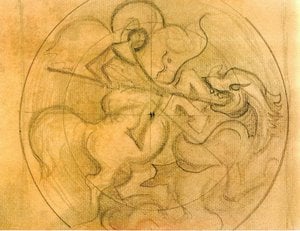
Glasco's artistic journey was influenced by prominent figures such as Alfonso Ossorio, Jackson Pollock, and Lee Krasner. His work also reflects the impact of Jean Dubuffet and Hans Hofmann. The Erwinna painting, in particular, showcases Glasco's ability to deconstruct the figure and develop non-objective paintings that build upon the abstraction of the 1950s. Key Features of the Painting The Erwinna painting is characterized by its vibrant colors, intricate textures, and complex composition. The use of oil on linen creates a sense of depth and dimensionality, drawing the viewer into the world of the artwork. The painting's abstract nature invites interpretation, making it a thought-provoking piece that continues to fascinate art enthusiasts.- The Smithsonian Museum of American Art has an impressive collection of Glasco's works, including the Erwinna painting.
- Glasco's artistic style is also reflected in his other notable works, such as Big Sitting Cat and Reclining Figure, which can be found at the Museum of Modern Art New York and the Metropolitan Museum of Art, respectively.
- For more information on Joseph Glasco and his artwork, visit ArtsDot.com or Wikipedia.
The Erwinna painting is a remarkable example of Joseph Glasco's innovative style and artistic vision. As a masterpiece of abstract expressionism, it continues to inspire and captivate art enthusiasts around the world.
Pytania i odpowiedzi
Jaki jest dominujący kolor w „Erwinna” autorstwa Joseph Glasco?
Dominującym kolorem dzieła „Erwinna” autorstwa Joseph Glasco jest Putty (#d5bfaa).
Jakie kolory dominują w „Erwinna” autorstwa Joseph Glasco?
„Erwinna” charakteryzuje się paletą Dark, w której dominuje Putty (#d5bfaa).
Na czym polega kompozycja kolorystyczna dzieła „Erwinna” autorstwa Joseph Glasco?
Analiza kolorystyczna dzieła „Erwinna” autorstwa Joseph Glasco rejestruje Gentle kontrast oraz Strong Color Unity harmonię.
Podobne dzieła


Biografia artysty
Joseph Glasco: Pioneer of Textured Abstraction
Joseph Glasco (1925 – 1996) stands as a singular figure in American Abstract Expressionism, an artist whose distinctive approach to painting—characterized by layered textures and monumental scale—earned him recognition within the vanguard of postwar art. Born in Pauls Valley, Oklahoma, Glasco’s formative years were spent amidst the sprawling landscapes of Texas, shaping his artistic sensibility from an early age. His family comprised Lowell and Pauline Glasco, alongside three brothers and two sisters, fostering a rich familial environment that nurtured his creative pursuits. He pursued higher education at the University of Texas at Austin before enlisting in the United States Army during World War II, serving bravely in the Battle of the Bulge—a testament to his commitment to duty and resilience. Following the war, Glasco embarked on an artistic journey fueled by intellectual curiosity and exploration. He enrolled at Portsmouth Art School in Bristol, England, immersing himself in European artistic traditions and honing his technical skills. Simultaneously, he studied at the École Supérieure des Beaux-Arts in San Miguel de Allende, Mexico, absorbing influences from Mexican muralism and engaging with diverse cultural perspectives. Further refining his craft at the Art Students League of New York solidified his position within the burgeoning New York art scene of the 1950s and 60s. Glasco’s artistic vision was profoundly impacted by collaborations with luminaries like Jackson Pollock and Alfonso Ossorio, as well as by the groundbreaking theories of Hans Hofmann—a teacher who championed spontaneous gesture and color exploration. Hofmann's emphasis on “psychological abstraction” resonated deeply with Glasco, guiding him toward a style that prioritized emotional expression over representational accuracy. Glasco’s canvases became monumental explorations of texture and pigment, often incorporating burlap or other materials to create palpable surfaces that conveyed depth and dynamism. He drew inspiration from the work of Jean Dubuffet, whose “primitive art” championed unfiltered emotion and challenged conventional artistic standards—a conviction that permeated Glasco's oeuvre. Glasco’s prolific output spanned decades, producing canvases ranging in size from modest portraits to colossal works measuring over eight feet wide. His paintings are housed in prestigious institutions worldwide, including the Metropolitan Museum of Art, MoMA, Guggenheim Museum, Whitney Museum of American Art, Hirshhorn Museum and Smithsonian American Art Museum—a testament to his enduring legacy as a master of abstract expressionism. Beyond his artistic achievements, Glasco established the Joseph Glasco Charitable Foundation, demonstrating his dedication to supporting artistic endeavors and fostering creativity within younger generations. Notably, he had a significant relationship with William Goyen, documented in Clark Davis’ biography “It Starts With Trouble,” offering insight into his personal life alongside his professional accomplishments. He retired to Galveston, Texas in 1972, maintaining a studio on the Strand near the Strand Emporium and retreating from public life—leaving behind an indelible mark on the art world. Glasco passed away peacefully in Galveston on May 31, 1996.
Joseph Glasco
1925 - 1996
Najważniejsze informacje
- Artistic Movement Or Style: Abstract Expressionism
- Artists Or Movements Influenced By This Artist: ['Dubuffet']
- Artists Who Influenced This Artist:
- Jackson Pollock
- Jean Dubuffet
- Hans Hofmann
- Date Of Birth: 1925
- Date Of Death: 1996
- Full Name: Joseph Glasco
- Nationality: American
- Notable Artworks:
- Standing Man
- Erwinna
- Head
- Place Of Birth: Paulsville, Oklahoma