


 Podgląd w skali 1:1
 Wyślij jako kartkę
 Udostępnij
 Szczegóły dzieła
 Przewodnik

 Pobierz obraz
 Podobne obiekty
 RTG
RTG Pokaz slajdów
 Statystyki
Hard Candy

 Rozwiń treść
Ręcznie malowana reprodukcja olejowa
Ręcznie malowany obraz olejny na płótnie, wykonany na zamówienie przez naszych artystów w wybranym przez Ciebie wymiarze i oprawie. ( Przełącz na wydania drukowane Przejdź do wersji cyfrowej)




P118B zł10

P118H zł10

P118W zł10

P438Z zł10

P508JH zł12

P508YH zł12

P805H zł10

P805Z zł10

P919BZ zł10

P919G zł10

P919XJ zł10

P959ZH zł10

P968JZ zł12

W106C zł8

W218G zł10

W218JH zł8

W218Y zł10

W307PJ zł10

W316G zł10

W316PJ zł8

W316Y zł10

W398PJ zł8

W4111J zł10

W500HY zł15

W500JH zł15

W692G zł12

W849H zł8

W940BG zł15

W953PJ zł8




Wybierz spośród naszych standardowych rozmiarów, które zachowują oryginalne proporcje dzieła sztuki.

Wpisz wymaganą szerokość i wysokość, aby obraz pasował do Twojej ramy lub ściany. Ponieważ jest to dzieło malowane ręcznie, w przypadku rozmiaru o innych proporcjach artysta może domalować nieco więcej wokół obrazu lub przyciąć jego fragmenty — wybór należy do Ciebie. Przed rozpoczęciem pracy prześlemy Ci cyfrową wizualizację do zatwierdzenia. Obraz widoczny na tej stronie nie przedstawia rzeczywistego efektu — jedynie wizualizacja oddaje realny rezultat.
Po złożeniu zamówienia zespół ArtsDot.com skontaktuje się z klientem drogą mailową w celu uzyskania instrukcji i prześle wizualizację projektu
Dostawa na całym świecie () w ciągu 3–4 tygodni zamiast standardowych 5 tygodni. (25 Październik). Bez kompromisów w kwestii jakości.

Bezpłatna ekspresowa wysyłka na cały świat

Wysokiej jakości płótno lniane

Pełne ubezpieczenie przesyłki

Gwarancja zwrotu należności celnych i podatków importowych

Gwarancja wiernego odwzorowania kolorów

100-dniowa polityka zwrotów (tylko w przypadku wad)

Gwarancja 100% zwrotu pieniędzy

Zniżka przy zakupie wielu sztuk
 Opcja ze szkłem jest dostępna wyłącznie w rozmiarach poniżej 110 cm

Hard Candy
Technika reprodukcji
Wymiary reprodukcji
-


Cena całkowita
zł 1009
Podobne dzieła


Biografia artysty
The Luminous World of Joseph Decker
Joseph Decker (1853–1924) was a master of the quiet moment, an artist capable of transforming the simplest edible subjects into profound meditations on light and texture. Born in the Kingdom of Württemberg, Germany, Decker’s journey to the United States as a young boy in 1867 set the stage for a career that would bridge European technical rigor with American artistic innovation. While his early years were marked by practical labor—apprenticing as a house painter in Brooklyn and working as a sign painter—his true calling lay in the delicate nuances of the still life. His evolution from a craftsman to a sophisticated painter is a testament to a lifelong devotion to the fine details of the natural world, capturing not just objects, but the very atmosphere that surrounds them.
The foundation of Decker’s technical prowess was built upon a rigorous academic lineage. After honing his skills in Brooklyn, he sought formal instruction at the National Academy of Design, where it is believed he studied under John George Brown. This American training was later enriched by a transformative year in Munich in 1879, studying under the history painter Wilhelm Lindenschmit. This exposure to European traditions instilled in him a reverence for the Old Master techniques of glazing and layering. As his career progressed, Decker’s work began to exhibit a remarkable shift; while he initially gained recognition for portraits and landscapes exhibited at prestigious venues like the Brooklyn Art Association and the Art Institute of Chicago, he eventually found his most enduring voice in the realm of still lifes. His compositions often focused on organic, edible subjects—vibrant fruits, sweet confections, and luscious textures—rendered with an ethereal glow that seems to emanate from within the canvas itself.
Technique, Light, and the Art of Observation
What distinguishes a Decker painting is the palpable sense of tranquility and the meticulous attention to the interplay of light and shadow. His style is characterized by a soft, evocative quality that avoids harsh outlines in favor of atmospheric depth. This technique allowed him to capture the moisture on a piece of fruit or the delicate translucency of a sugar coating with breathtaking realism. In works such as 'Hard Candy' or 'Strawberries in a Cut Glass Bowl', the viewer is invited into a sensory experience where the tactile nature of the subject matter becomes almost palpable. This mastery of light was not merely a technical feat but a way to elevate the mundane to the level of the sublime, turning a simple bowl of fruit into a moment of spiritual contemplation.
Later in his life, Decker’s palette and tone underwent further refinement, moving toward a softer, more atmospheric approach that some scholars suggest may have been influenced by the landscape painter George Inness. This period saw him experimenting with genre scenes and even unique novelties shaped like an artist's palette. Even when his subjects were as small as his pet squirrel, Bonnie, or as intricate as the restoration of fine porcelain for his patron Thomas B. Clarke, Decker maintained a consistent commitment to precision and beauty. Though much of his work fell into obscurity following his death in a Brooklyn hospital in 1924, the mid-20th century revival led by art historians like Alfred Frankenstein brought his luminous talent back to the light, ensuring that his contribution to the American still-life tradition would never be forgotten.

Joseph Decker
1853 - 1924
Krótka nota
- Artistic Movement Or Style: Still Life Painting
- Artists Or Movements Influenced By This Artist: ['Art Renewal Center']
- Artists Who Influenced This Artist: ['Gustav Klimt']
- Date Of Birth: 1853
- Date Of Death: 1924
- Full Name: Joseph Decker
- Nationality: German American
- Notable Artworks: ['In the Woods']
- Place Of Birth: Germany
Powiązane artykuły

Echoes of Time: Nostalgia, Technique & Cultural Significance in Vintage Paintings
Explore the captivating world of vintage paintings! Discover key styles, cultural significance & collecting tips from art experts at ArtsDot. Find authentic reproductions and elevate your home décor.

Clyfford Still's Abstract Expressionism: A Study of Color, Form & the Existential Landscape
Explore the profound world of Clyfford Still's Abstract Expressionism with ArtsDot. Discover his unique style, existential themes & investment potential. Expert analysis for discerning collectors.
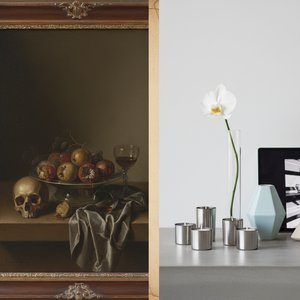
Martwa natura w sztuce: od starożytności do współczesności – historia, symbolika i trwały urok
Odkryj fascynującą historię martwej natury w sztuce – od antycznych początków po współczesne reinterpretacje. Poznaj mistrzów, symbolikę i techniki malarskie. Ekskluzywne artykuły na ArtsDot.com!

Od Klasycznej Natury Martwej do Współczesnej Abstrakcji: Podnoszenie Prestiżu Przestrzeni Rezydencji Poprzez Artystyczne Reprodukcje
Odkryj historię martwej natury i jak artystyczne reprodukcje podnoszą prestiż Twojej rezydencji. Eksperckie porady, najwyższa jakość obrazów od ArtsDot.com – Cézanne, Matisse i inni mistrzowie.

Silent Narratives: Exploring the Enduring Appeal of Still Life Painting Across Centuries
Explore the rich history of still life painting with ArtsDot. Discover Dutch Masters, decode vanitas symbolism & learn about collecting timeless art. Expert insights and museum-quality reproductions.