


Obraz dostosowuje się do Twoich wyborów: , .
Opis obiektu
Experience 'La Comparsa' by José Gutiérrez Solana – a haunting Expressionist painting capturing Spanish social life. Explore this iconic work & discover more art history.
Biografia artysty
"meta_description": "José Gutiérrez Solana (1886-1945) – hiszpański malarz ekspresjonizmu tragicznego. Znany z mrocznych obrazów Madrytu, karnawałów i życia marginalnych grup społecznych, inspirowany El Greko i Goyą."
 Rozwiń treść
Ręcznie malowana reprodukcja olejowa
Ręcznie malowany obraz olejny na płótnie, wykonany na zamówienie przez naszych artystów w wybranym przez Ciebie wymiarze i oprawie. ( Przełącz na wydania drukowane Przejdź do wersji cyfrowej)
Więcej o tym obrazie
 Podgląd w skali 1:1
 Wyślij jako kartkę
 Udostępnij
 Szczegóły dzieła
 Przewodnik

 Pobierz obraz
 Podobne obiekty
 RTG
RTG Pokaz slajdów
 Pytania i odpowiedzi
 Statystyki
Zamów swój obraz w czterech prostych krokach
Nie spiesz się. Możesz zmienić każdą odpowiedź; cena w Twoim koszyku będzie aktualizowana po każdym wyborze.
1 Pierwszy z czterech kroków
Który rozmiar wybierasz?
Te rozmiary zachowują proporcje oryginalnego obrazu. Rysunek przedstawia wybrany przez Ciebie format na ścianie, nad dwumetrową sofą.
lub podaj własne wymiary
Wybierz spośród naszych standardowych rozmiarów, które zachowują oryginalne proporcje dzieła sztuki.

Wpisz wymaganą szerokość i wysokość, aby obraz pasował do Twojej ramy lub ściany. Ponieważ jest to dzieło malowane ręcznie, w przypadku rozmiaru o innych proporcjach artysta może domalować nieco więcej wokół obrazu lub przyciąć jego fragmenty — wybór należy do Ciebie. Przed rozpoczęciem pracy prześlemy Ci cyfrową wizualizację do zatwierdzenia. Obraz widoczny na tej stronie nie przedstawia rzeczywistego efektu — jedynie wizualizacja oddaje realny rezultat.
2 Drugi z czterech kroków
W jaki sposób przygotować dzieło: w formie tuby, na krosnach czy w ramie?
Poniższe ceny dotyczą rozmiaru wybranego w pierwszym kroku.
Wybierz krawędzie płótna naciągniętego na ramę
Wybierz ramę

Białe krawędzie zł1

rozmyte krawędzie zł1

Przedłużony zł1

P118B zł10

P118H zł10

P118W zł10

P438Z zł10

P508JH zł12

P508YH zł12

P805H zł10

P805Z zł10

P919BZ zł10

P919G zł10

P919XJ zł10

P959ZH zł10

P968JZ zł12

W106C zł8

W218G zł10

W218JH zł8

W218Y zł10

W307PJ zł10

W316G zł10

W316PJ zł8

W316Y zł10

W398PJ zł8

W4111J zł10

W500HY zł15

W500JH zł15

W692G zł12

W849H zł8

W940BG zł15

W953PJ zł8

H24-GOLD zł30

H24-SILVER zł30

H36-GOLD zł45

H36-SILVER zł45
W oprawie
Profil: . Wymiar całkowity w ramie: .
3 Trzeci z czterech kroków
Czy chcieliby Państwo wprowadzić jakieś zmiany w obrazie?
Większość osób odpowiada przecząco. Ponieważ każdy obraz jest tworzony ręcznie, nasz artysta może również dostosować go do Twoich potrzeb.
Po złożeniu zamówienia zespół ArtsDot.com skontaktuje się z klientem drogą mailową w celu uzyskania instrukcji i prześle podgląd projektu
4 Krok czwarty z czterech
Kilka opcji wykończenia
Wszystkie są opcjonalne. Wybrane już odpowiedzi nie wiążą się z żadnymi dodatkowymi kosztami.
Kto jest autorem?
Dostawa na całym świecie () w ciągu 3–4 tygodni zamiast standardowych 5 tygodni. (4 Listopad). Bez kompromisów w kwestii jakości.
Tabliczka informacyjna, jak w muzeum?
Szczegóły grawerowanej brązowej tabliczki
This elegant plaque features the artist's name and the title of the artwork, finely engraved for a timeless presentation.
It is made from bronze with a refined, elegant finish. The text is precisely laser-engraved for a sharp and permanent result. Measuring 9x2 cm, the plaque is compact yet easy to read. It's built to be durable and scratch-resistant, offering a professional, museum-quality look. Mounting is simple thanks to the included adhesive backing.
Szczegóły przezroczystej tabliczki akrylowej
The plaque includes essential engraved details such as the artist's name, the title of the artwork, the date it was created, the type of media used-like oil on canvas or watercolor-a brief description of the piece, and a QR code that links to the complete artwork information.
It is crafted from clear acrylic, offering a sleek, modern appearance. The text is UV-engraved in black to ensure strong visual contrast. With a size of 10x15 cm, it ensures optimal readability. It comes equipped with two metal hooks for secure wall mounting. The plaque is designed to be weather-resistant, making it suitable for various environments, and it includes interactive features that work seamlessly with smartphone scanning.
Szczegóły czarnej tabliczki akrylowej
This elegant plaque includes engraved information such as the artist's name, the title of the artwork, the date it was created, the type of media used (like oil on canvas or watercolor), a short description of the artwork, and a QR code for quick access to more information.
The plaque itself is made from refined black acrylic with a premium finish. The text is laser-engraved in white for high contrast and readability. Its size is 10x15 cm, designed to be easy to read. It comes with two metal hooks for professional mounting. The design is sleek and fits any interior style. It is also weather-resistant and durable, with built-in digital integration for mobile compatibility.
Werniks ochronny?
Kiedy potrzebujesz dostawy?
✓ Sprawdź i zamów
Twoje dzieło, dokładnie tak, jak zamówiłeś

La comparsa
Technika reprodukcji
Wymiary reprodukcji
-

Wybitny mistrz artystyczny
Większa szczegółowość, finezja i dodatkowy czas na realizację
-

Opcje oprawy reprodukcji
-
-
W przypadku dzieł sztuki lub reprodukcji, których którykolwiek z boków przekracza 105 cm (około 41 cali), rama zostanie wysłana w formie zestawu do samodzielnego montażu. Metoda ta zapewnia bezpieczną dostawę i zapobiega uszkodzeniom podczas transportu.
Wymagany profesjonalny montaż – nie jest to produkt typu DIY.
Zestaw musi zostać złożony, a płótno naciągnięte przez doświadczonego profesjonalnego ramiarza, przy użyciu kleju do drewna (brak w zestawie), kleszczy do naciągania płótna oraz ścisków, które utrzymają krosna w równej pozycji podczas schnięcia kleju. Nieprawidłowy montaż lub nierównomierne napięcie płótna może trwale uszkodzić dzieło sztuki i nie podlega naszej gwarancji.
 W przypadku dzieł sztuki lub reprodukcji, których którykolwiek z boków przekracza 105 cm (około 41 cali), rama zostanie wysłana w formie zestawu do samodzielnego montażu. Metoda ta zapewnia bezpieczną dostawę i zapobiega uszkodzeniom podczas transportu.
W zestawie znajdują się wszystkie listwy z litego drewna, precyzyjnie docięte do wymiarów.
Montaż odbywa się przy użyciu dołączonych wkrętów oraz kleju do drewna do łączenia narożników, którego zestaw nie zawiera i który musi zostać dostarczony przez ramiarza.
Wymagane są profesjonalne narzędzia, których nie ma w zestawie: kleszcze do naciągania płótna (napinacz) oraz zaciski, które pozwolą utrzymać listwy w równej pozycji podczas schnięcia kleju.
Ważne:
Do połączenia narożników niezbędny jest klej do drewna, listwy należy unieruchomić za pomocą ścisków do momentu całkowitego wyschnięcia kleju, a naciągnięcie płótna na złożoną ramę wymaga użycia kleszczy do naciągania płótna. Żaden z tych elementów nie jest dołączony do zestawu. Przed zamówieniem tego rozmiaru zalecamy konsultację z doświadczonym ramiarzem.

Etykieta obiektu
-
-

Lakier ochronny
Lakier z połyskiem (pogłębia kolory, chroni przed światłem i wilgocią)
-

Personalizacja dzieła
Przykłady możliwości personalizacji: zastąp twarz zdjęciem klienta; dodaj zwierzę domowe (np. zamień kota na psa); umieść ukrytą wiadomość w tle; zmień krajobraz lub elementy tła.
-

Ekspresowa
Dostawa na cały świat () w ciągu 3–4 tygodni zamiast standardowych 5 tygodni. (4 Listopad). Bez kompromisów w kwestii jakości.
-
Przesyłka ekspresowa
Dostawa na cały świat () w ciągu 5 tygodni. (11 Listopad).
W cenie
Cena całkowita
zł 1028
Opcja ze szkłem jest dostępna wyłącznie w rozmiarach poniżej 110 cm
W każdym zamówieniu
- Bezpłatna ekspresowa wysyłka na cały świat
- Wysokiej jakości płótno lniane
- Pełne ubezpieczenie przesyłki
- Gwarancja zwrotu należności celnych i podatków importowych
- Gwarancja wiernego odwzorowania kolorów
- 100-dniowa polityka zwrotów (tylko w przypadku wad)
- Gwarancja 100% zwrotu pieniędzy
- Zniżka przy zakupie wielu sztuk


Podobne dzieła


José Gutiérrez Solana
1886 - 1945, Hiszpania
Biografia artysty
A Shadowy Vision of Spain
José Gutiérrez Solana, a name that resonates with the dark heart of early 20th-century Spanish art, was far more than simply an Expressionist painter; he was a chronicler of a nation’s soul. Born in Madrid in 1886, Solana emerged as a pivotal figure during a period of intense cultural and social upheaval. His artistic journey began under the tutelage of his uncle, José Díez Palma, a professor at the University of Salamanca, instilling in him a foundational understanding of draftsmanship. Formal studies followed at the Escuela de Bellas Artes de San Fernando from 1900 to 1904, culminating in an honorable mention at the prestigious Exposición Nacional de Bellas Artes in 1906 – early recognition that hinted at the powerful force he would become. However, it wasn’t merely academic training that shaped Solana's vision; it was a deep immersion into the underbelly of Spanish life, a fascination with its shadows and forgotten corners. He roamed the slums and suburbs of Madrid, ventured into the Cantabrian harbors, and journeyed through the landscapes of La Mancha, Aragón, and Andalucía, meticulously sketching and absorbing the essence of a Spain often overlooked by polite society. This relentless exploration of the marginalized and the melancholic would become the defining characteristic of his oeuvre.Echoes of Masters and the Birth of a Unique Style
Solana’s artistic style wasn't born in a vacuum. He stood firmly within the lineage of Spanish masters, drawing profound inspiration from the haunting intensity of El Greco, the bleak power of Goya’s “Black Paintings,” and the evocative realism of Eugenio Lucas Velázquez. Yet, he didn’t simply imitate; he synthesized these influences into something entirely his own. While often categorized as an Expressionist, Solana transcended easy labels. His canvases pulsate with a raw emotionality characteristic of the movement, but they are tempered by a distinctly Spanish sensibility—a blend of religious fervor, macabre humor, and unflinching social commentary. He possessed a remarkable ability to capture not just what he saw, but *how* it felt – the weight of poverty, the desperation of faith, the unsettling energy of popular festivals. His palette favored somber earth tones punctuated by flashes of crimson, creating an atmosphere of brooding intensity that draws the viewer into his world. He wasn’t interested in idyllic landscapes or flattering portraits; he sought to portray the truth, however harsh and uncomfortable it might be. This commitment to authenticity is what sets him apart, forging a style uniquely his own.Themes of Darkness and Social Commentary
The subject matter Solana chose further cemented his reputation as a painter of “La España negra” – the dark Spain. His canvases are populated by marginalized figures: beggars, prostitutes, bullfighters, and the devoutly religious caught in moments of ecstasy or despair. Taverns, carnivals, processions, and scenes of everyday life become stages for exploring themes of mortality, social injustice, and the complexities of human nature. “La Tertulia del Café de Pombo”, a masterpiece housed at the Museo Nacional Centro de Arte Reina Sofía, is a prime example—a vibrant yet unsettling depiction of Madrid’s literary elite, capturing their intellectual energy alongside an undercurrent of melancholy. “La Procesión de la Muerte” exemplifies his fascination with mortality and religious fervor, portraying a somber procession that feels both ancient and immediate. Even seemingly innocuous subjects like clowns – as seen in “Payasos” – are imbued with a sense of pathos and unease. Solana’s work wasn’t merely about depicting these scenes; it was about forcing viewers to confront the realities they often preferred to ignore, holding a mirror up to Spanish society and revealing its hidden wounds.Exploring the Influences and Development
Solana's artistic development can be traced back to his early exposure to the works of El Greco and Goya. The elongated figures and intense emotions of El Greco’s religious paintings deeply affected him, while Goya’s “Black Paintings” instilled a sense of darkness and psychological torment that would become a recurring motif in Solana’s work. He also drew inspiration from the realism of Eugenio Lucas Velázquez, particularly his depictions of Spanish life. However, Solana didn't simply replicate these influences; he transformed them into something uniquely his own. His style evolved over time, becoming increasingly expressive and emotionally charged as he spent more time observing and documenting the realities of Spanish society. The years he spent wandering through the provinces – from the impoverished villages of La Mancha to the bustling ports of Santander – profoundly shaped his artistic vision, imbuing his paintings with a sense of authenticity and immediacy. His early work was influenced by academic traditions, but as he matured, he began to break free from these constraints, developing a more personal and expressive style.Recognition, Legacy, and Lasting Influence
Solana’s path to widespread recognition wasn’t immediate. His first exhibition in Paris in 1928 met with initial indifference, but he persevered, and by 1936, his work had gained acclaim throughout Europe. He became a central figure in the vibrant intellectual circles of Madrid, frequenting the legendary Café de Pombo alongside writers and artists who shaped the cultural landscape of Spain. Despite achieving considerable success, Solana remained a somewhat enigmatic figure, preferring a solitary existence dedicated to his art and writing. He passed away in Madrid in 1945, leaving behind a body of work that continues to captivate and disturb audiences today. His legacy extends beyond his paintings; he was also a prolific writer, producing insightful essays and novels that further explored the themes present in his visual art. Solana’s influence can be seen in subsequent generations of Spanish artists who sought to grapple with the complexities of their nation's identity and history. He remains a vital voice—a shadowy prophet who dared to look into the darkness and reveal what he found, ensuring his place as one of Spain’s most important modernist masters. His art serves as a potent reminder that true beauty can often be found in the most unexpected and unsettling places.Exploring Solana's World Further
For those seeking to delve deeper into the world of José Gutiérrez Solana, numerous resources are available. His works can be found in prominent collections such as the Museo del Prado and the National Archaeological Museum in Madrid. The Colección Andrés Blaisten in Mexico also features a selection of his paintings. Online platforms offer high-quality reproductions, allowing art enthusiasts to experience the power of Solana’s vision firsthand. Further research into his life and work can be found through resources such as Wikipedia and Britannica, providing valuable context and insight into this remarkable artist's enduring legacy.- Key Influences: El Greco, Francisco Goya, Eugenio Lucas Velázquez
- Major Themes: Social injustice, mortality, religious fervor, the underbelly of Spanish life.
- Signature Style: Somber palette, raw emotionality, unflinching realism.
Powiązane artykuły

Złoty Wiek Odnowiony: Dramatyczny Realizm i Duchowny Zapał w Sztuce Hiszpańskiego Baroku
Poznaj fascynujący świat baroku hiszpańskiego! Analiza dramatycznego realizmu Velázqueza, Zurbarána i Ribery oraz wpływu kontrreformacji na sztukę. Ekspercka wiedza dla kolekcjonerów i miłośników historii malarstwa.

Francisco Goya: 25 Arcydzieł Genialnego Malarza Hiszpańskiego | ArtsDot.pl
Odkryj 25 arcydzieł Francisco Goyi – od portretów królewskich po dramatyczne 'Czarne Malowidła'. Poznaj historię, technikę i emocje hiszpańskiego mistrza. Reprodukcje obrazów najwyższej jakości na ArtsDot.com! Eksploruj kolekcję online.
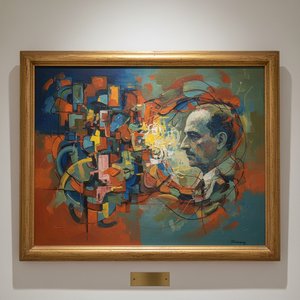
Jorge José Castillo Casalderrey: A Spanish Abstract Expressionist's Evolving Vision
Explore the captivating world of Jorge José Castillo Casalderrey, a leading Spanish Abstract Expressionist. Discover his unique style, market value & legacy. Expert insights for discerning collectors.