

 Podgląd w skali 1:1
 Wyślij jako kartkę
 Udostępnij
 Szczegóły dzieła
 Przewodnik

 Pobierz obraz
 Podobne obiekty
 RTG
RTG Pokaz slajdów
 Q&A
Q&A Statystyki
Sir John Robinson

- 71.0 x 56.0 cm
 Rozwiń treść
Giclée / Wydruk artystyczny
Wydruki giclée lub płótna o jakości muzealnej, szybka realizacja i szeroki wybór opcji wykończenia. ( Zamów ręcznie malowaną reprodukcję Przejdź do wersji cyfrowej)




































Wybierz spośród naszych standardowych rozmiarów, które zachowują oryginalne proporcje dzieła sztuki.

Wpisz wymaganą szerokość i wysokość, aby dopasować grafikę do ramy lub ściany. Wydruk można jedynie przyciąć, nigdy nie powiększając go poza oryginalny obraz, dlatego format o innych proporcjach spowoduje utratę części kompozycji. Przed rozpoczęciem druku prześlemy Ci cyfrowy podgląd do zatwierdzenia. Obraz wyświetlany na tej stronie nie pokazuje rzeczywistego przycięcia — jedynie podgląd oddaje ten efekt.
Dostawa na cały świat () w ciągu 2 tygodni zamiast standardowych 4/5 tygodni. (2 Listopad)

Bezpłatna ekspresowa wysyłka na cały świat

Wysokiej jakości płótno lniane

Pełne ubezpieczenie przesyłki

Gwarancja zwrotu należności celnych i podatków importowych

Gwarancja wiernego odwzorowania kolorów

100-dniowa polityka zwrotów (tylko w przypadku wad)

Gwarancja 100% zwrotu pieniędzy

Zniżka przy zakupie wielu sztuk
 Opcja ze szkłem jest dostępna wyłącznie w rozmiarach poniżej 110 cm

Sir John Robinson
Giclée / Wydruk artystyczny
Wymiary reprodukcji
-


Cena całkowita
zł 241
Podobne dzieła


Biografia artysty
John James Napier (1831–1877): A Victorian Painter of Domestic Intimacy
John James Napier, born in Edinburgh in 1831, emerged as a prominent Victorian portrait painter during a period marked by significant social and artistic change. His distinctive style—characterized by meticulous detail and an unwavering focus on capturing the essence of familial relationships—established him as one of London’s most celebrated artists of his time. While biographical information remains somewhat sparse, Napier's legacy rests firmly upon his captivating depictions of everyday life within affluent Victorian households. Napier’s artistic journey began with formal training at the Edinburgh School of Art and Design, where he honed his technical skills before relocating to London in 1859. Immediately immersing himself in the vibrant art scene of the capital, he quickly gained recognition for his ability to portray subjects with remarkable sensitivity and psychological insight. Unlike many contemporaries who favored grand historical narratives or mythological themes, Napier deliberately chose to depict scenes from domestic interiors—often featuring mothers and children—offering viewers a glimpse into the private sphere of Victorian society. His artistic influences were diverse, drawing inspiration from artists such as Sir Thomas Lawrence and Frederic Leighton, both masters of portraiture known for their idealized representations of nobility. However, Napier’s approach differed markedly from these figures; he eschewed overtly decorative flourishes in favor of understated elegance and a profound understanding of human emotion. He meticulously observed his subjects—capturing subtle expressions and gestures that conveyed unspoken feelings—resulting in portraits imbued with an unparalleled sense of warmth and authenticity. Napier's prolific output included numerous commissions for wealthy families throughout London, securing him a place among the Royal Academy and British Institution’s most esteemed painters. His paintings consistently garnered critical acclaim, praised for their technical virtuosity and emotional resonance. Notable works include “Janet Parker Langmuir” (1867), a poignant portrayal of a mother cradling her child—a piece that exemplifies Napier's signature style and continues to resonate with audiences today. Furthermore, his inclusion in the British Institution’s annual exhibitions solidified his reputation as a leading voice within Victorian artistic discourse. Ultimately, John James Napier’s contribution to art history transcends mere stylistic innovation; he championed a humanist vision that prioritized portraying the complexities of human experience—specifically familial bonds—within the context of Victorian society. His enduring influence can be seen in subsequent generations of portrait painters who sought to emulate his meticulous technique and empathetic gaze. Napier's legacy persists as a testament to the power of art to illuminate the quiet dramas unfolding within ordinary lives, securing him a place among the icons of Victorian artistic achievement.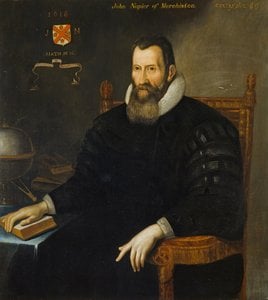
John James Napier
1831 - 1877
Krótka nota
- Full Name: John James Napier
- Nationality: British
- Date Of Birth: 1831
- Date Of Death: 1877
- Place Of Birth: London, England
- Notable Artworks:
- Janet Parker Langmuir
- Highgate Cemetery
- Artistic Movement Or Style: Victorian Portraiture