
- Strona główna

- Reprodukcja obrazu olejnego
- Joan Miró
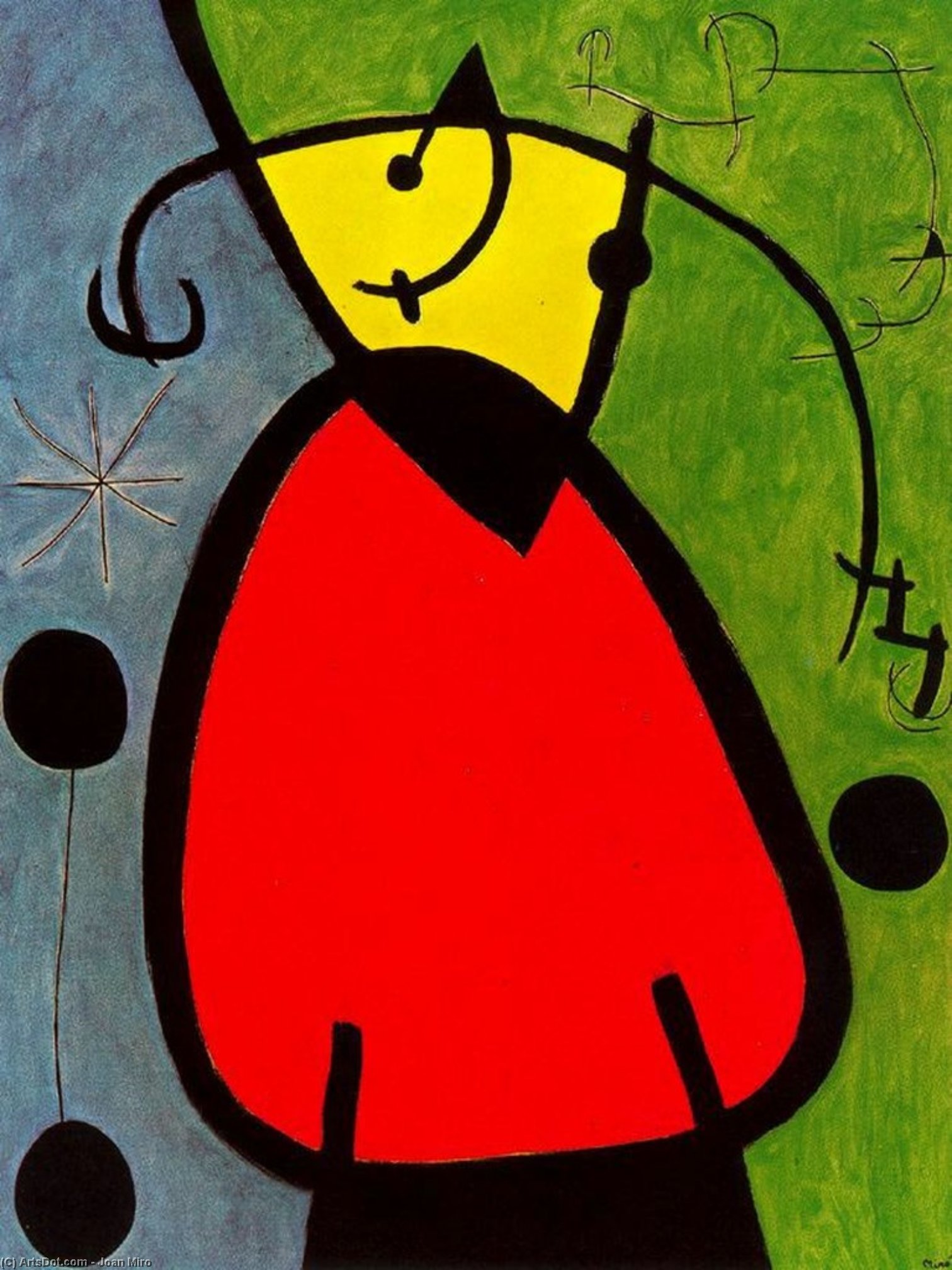
- El nacimiento del día
 Zamów wydruk Kup cyfrowy obraz
 Udostępnij
 Udostępnij
 Szczegóły
 Dodaj do ulubionych

 Pobierz
 Podobne obiekty
 RTG
RTG
 Pokaz slajdów
El nacimiento del día


 Rozwiń treść
Ręcznie malowana reprodukcja olejowa
Ręcznie malowany olej na płótnie w Twoim wymiarze i ramie, tworzony na zamówienie przez naszych artystów.




P118B $10

P118H $10

P118W $10

P438Z $10

P508JH $12

P508YH $12

P805H $10

P805Z $10

P919BZ $10

P919G $10

P919XJ $10

P959ZH $10

P968JZ $12

W106C $8

W218G $10

W218JH $8

W218Y $10

W307PJ $10

W316G $10

W316PJ $8

W316Y $10

W398PJ $8

W4111J $10

W500HY $15

W500JH $15

W692G $12

W849H $8

W940BG $15

W953PJ $8




Wybierz spośród naszych predefiniowanych rozmiarów, które zachowują oryginalne proporcje dzieła sztuki.

Możesz wprowadzić własne wymiary, aby dopasować obraz do konkretnej ramy lub przestrzeni. Jeśli wybrany rozmiar nie będzie odpowiadał proporcjom oryginału, przytniecie dzieło sztuki lub rozszerzymy je o dodatkowe elementy, ręcznie domalowane przez artystę. Przed rozpoczęciem produkcji wyślemy projekt cyfrowy do Twojej akceptacji.
Należy pamiętać, że podgląd na ekranie nie odzwierciedla rzeczywistego przycinania ani rozszerzania obrazu. Tylko projekt dokładnie pokaże ostateczną kompozycję.
Choć oferujemy możliwość zamówienia niestandardowych rozmiarów, zalecamy wybór wymiaru z gotowej listy, aby zachować oryginalne proporcje dzieła.
Po złożeniu zamówienia zespół ArtsDot.com skontaktuje się z klientem drogą mailową w celu uzyskania instrukcji i prześle wizualizację projektu
Dostawa na całym świecie () w ciągu 3/4 tygodni zamiast standardowych 5 tygodni. (2 Lipiec). Bez kompromisów w kwestii jakości.

Bezpłatna ekspresowa wysyłka na cały świat

Wysokiej jakości płótno lniane

Pełne ubezpieczenie przesyłki

Gwarancja zwrotu należności celnych

Gwarancja pełnego zgodności kolorystycznej

Polityka 60-dniowego zwrotu (tylko w przypadku wad)

Gwarancja 100% zwrotu pieniędzy

Zniżka przy większych zamówieniach
 Opcja szkła jest dostępna wyłącznie w rozmiarach poniżej 110 cm

El nacimiento del día
Technika reprodukcji
Wymiary reprodukcji
-


Cena całkowita
-
Opis dzieła
A Dreamscape of Catalan Identity
Joan Miró’s “El nacimiento del día” (The Birth of the Day), painted in 1925, isn't merely a visual representation; it’s an immersion into the artist’s deeply personal and profoundly symbolic world. Emerging from the fertile ground of Surrealism while retaining a distinctly Catalan core, this oil painting pulsates with a vibrant energy that belies its deceptively simple composition. Miró, grappling with questions of identity, memory, and the subconscious, created a work that feels both childlike in its spontaneity and intensely complex in its layered meanings. The scene unfolds within a luminous, almost dreamlike space—a field bathed in an ethereal green light, punctuated by bursts of scarlet and gold. At its heart stands a figure, clad in a striking red coat adorned with yellow accents, holding aloft a pair of scissors. This isn’t a portrait of a specific person but rather a distillation of Miró's own experiences, emotions, and the spirit of his homeland.
The painting’s genesis lies within Miró’s formative years in Catalonia, a region steeped in tradition yet perpetually yearning for artistic expression. Influenced by the organic forms of Antoni Gaudí’s architecture and the rich folklore of his native land, Miró sought to capture the essence of Catalan identity—its resilience, its passion, and its inherent contradictions—within his art. “El nacimiento del día” can be interpreted as a visual metaphor for this process of creation, a symbolic representation of the birth of a new era or a fresh perspective. The scissors themselves are particularly intriguing; they suggest both the act of cutting away the old and the potential to shape something entirely new.
A Symphony of Color and Form
Miró’s technique is characterized by its bold, expressive brushstrokes and an unapologetic embrace of abstraction. He eschewed meticulous realism in favor of a more intuitive approach, allowing color and form to communicate directly with the viewer's emotions. The dominant hues—vibrant greens, fiery reds, and shimmering golds—create a dynamic visual rhythm that draws the eye across the canvas. Scattered throughout the scene are numerous stars, rendered in delicate white strokes, adding an element of wonder and suggesting a connection to the cosmos. These aren’t simply decorative elements; they represent Miró's fascination with mythology, folklore, and the mysteries of the universe.
The figure at the center is deliberately ambiguous, its features simplified and almost childlike. This deliberate lack of specificity allows viewers to project their own interpretations onto the image, fostering a sense of personal connection. The composition itself—a flattened perspective, asymmetrical arrangements, and a playful disregard for conventional spatial relationships—further contributes to the painting’s dreamlike quality. Miró masterfully employs these techniques to create an atmosphere of both tranquility and excitement, inviting the viewer to lose themselves in the depths of his imagination.
A Legacy Preserved: Reproduction and Artistic Context
The Fundació Joan Miró in Barcelona, a cornerstone of the artist’s legacy, houses a comprehensive collection of Miró's works, including “El nacimiento del día.” This museum provides invaluable insight into his artistic journey and the cultural context that shaped his vision. Miró’s collaboration with ceramist Joan Gardy Artigas further enriched his creative process, resulting in a shared exploration of symbolism and form. The painting exemplifies Miró’s ongoing dialogue with Surrealism while firmly establishing his unique artistic voice.
For those seeking to experience the captivating beauty of “El nacimiento del día” firsthand, ArtsDot.com offers meticulously crafted oil painting reproductions that faithfully capture the original's vibrant colors and expressive brushstrokes. Each reproduction is created by skilled artists who have a deep appreciation for Miró’s work, ensuring that every detail—from the delicate stars to the bold red coat—is rendered with precision and care. These reproductions are not merely copies; they are artistic interpretations that honor Miró's legacy while bringing his visionary world into your home.
- Joan Miró: El nacimiento del día
- Victor Vasarely: Sphere
- Joan Miró: Pájaro en la noche
- Joan Miró: Tirador in the Arc
A Window into a Master’s Soul
“El nacimiento del día” is more than just a painting; it's a portal to the inner world of Joan Miró—a testament to his boundless imagination, his deep connection to Catalonia, and his unwavering commitment to artistic innovation. Whether you are an art enthusiast, a collector seeking a unique addition to your collection, or simply someone who appreciates beauty and symbolism, this masterpiece offers a profound and unforgettable experience.
Podobne dzieła sztuki


Biografia artysty
A Catalan Visionary: The Life and Art of Joan Miró
Joan Miró i Ferrà, born in Barcelona in 1893, stands as one of the most significant figures in 20th-century art. His journey was not merely a progression through styles but an exploration of inner worlds, translating dreams, memories, and Catalan identity onto canvas with a uniquely poetic visual language. From humble beginnings marked by illness and initial parental reservations about his artistic pursuits, Miró persevered, driven by an innate need to express the intangible—the emotions, sensations, and subconscious currents that lie beneath the surface of reality. His early life was steeped in the traditions of Barcelona, a city brimming with architectural marvels thanks to Antoni Gaudí, whose organic forms would subtly influence Miró’s later abstractions. The goldsmithing profession of his father instilled an appreciation for meticulous craftsmanship, while the rugged Catalan landscape became a recurring motif and source of inspiration throughout his career.Early Influences and the Path to Surrealism
Miró's formal artistic training began at La Llotja in Barcelona, where he honed his skills in traditional techniques. However, it was exposure to the avant-garde movements sweeping through Paris that truly ignited his creative evolution. The vibrant colors of Fauvism and the fragmented forms of Cubism resonated deeply, prompting him to move to Paris in 1920. This period proved pivotal as he encountered artists like Pablo Picasso and began experimenting with increasingly abstract compositions. Yet, Miró didn’t simply adopt these styles; he synthesized them, forging a path toward his own distinctive aesthetic. He sought to distill forms to their essence, stripping away representational details in favor of symbolic shapes and evocative colors. This exploration led him to the Surrealist group in 1924, aligning him with artists such as Max Ernst and Salvador Dalí. While embracing the Surrealist interest in the subconscious, Miró maintained a unique sensibility—his work was less about shocking imagery or Freudian symbolism than it was about creating a world of playful forms and poetic suggestion. He famously recounted that he returned to his Parisian studio at Rue Blomet without dinner and began sketching in his notebook, stating: “Those shapes appeared to me on the ceiling.”The Language of Symbols: Key Works and Artistic Innovations
Throughout the 1920s and 30s, Miró developed his signature visual vocabulary—a universe populated by biomorphic shapes, floating forms, and vibrant colors. The Farm (1922) exemplifies this transition. It’s not merely a depiction of rural life but an evocation of Catalan identity and a symbolic representation of the natural world. His collaborative spirit led to innovative techniques like *grattage*, pioneered with Max Ernst in 1926 for designs intended for Sergei Diaghilev's ballet, where textures were revealed by scraping paint across canvas. The Dutch Interiors (1928) series demonstrated his ability to reinterpret the Old Masters through a distinctly modern lens, transforming domestic scenes into dreamlike abstractions. Painting (1933) encapsulates Miró’s exploration of the subconscious and his rejection of conventional artistic boundaries—bold colors and simplified forms conveying a profound emotional resonance. Beyond painting, Miró fearlessly experimented with sculpture, ceramics, and printmaking, expanding his creative horizons and demonstrating a remarkable versatility.Legacy and Enduring Influence
Joan Miró's impact on 20th-century art is undeniable. He wasn’t simply a painter; he was a visionary who challenged the very definition of artistic expression. His work paved the way for abstract expressionism and continues to inspire artists across disciplines. He established two foundations—the Fundació Joan Miró in Barcelona (1975) and the Fundació Pilar i Joan Miró in Palma de Mallorca (1981)—ensuring that his legacy would endure, providing spaces for artistic exploration and education. Throughout his long career, he remained committed to pushing boundaries, questioning conventions, and exploring the depths of human imagination. Miró’s art is a testament to the power of abstraction, symbolism, and poetic expression—a vibrant celebration of life, dreams, and the enduring spirit of Catalan culture. His work continues to resonate with audiences worldwide, inviting us to enter a world where anything is possible and the boundaries between reality and fantasy blur into a captivating dance of color and form.
Joan Miró
1893 - 1983 , Hiszpania
Kluczowe informacje
- Artistic Movement Or Style: Surrealizm
- Artists Who Influenced This Artist:
- Pablo Picasso
- Wasilij Kandinskij
- Date Of Birth: 20 kwietnia 1893
- Date Of Death: 25 grudnia 1983
- Full Name: Joan Miró i Ferrà
- Nationality: Hiszpanka
- Notable Artworks:
- Farm
- Dutch Interiors
- Painting
- Place Of Birth: Barcelona, Hiszpania
Powiązane artykuły

Kazimir Malevich: 25 Arcydzieł Suprematyzmu dla Miłośników Sztuki i Wystroju Domu
Odkryj 25 arcydzieł Kazimira Malevicha – pioniera suprematyzmu i abstrakcji. Poznaj historie, techniki i inspiracje za 'Czarnym Kwadratem' i innymi kultowymi dziełami. Reprodukcje najwyższej jakości na ArtsDot.com.
André Masson: Automatism, Surrealism & Primal Expression in 20th-Century Art
Explore the revolutionary art of André Masson – pioneer of automatism & Surrealist expression. Discover his powerful imagery, innovative techniques, and lasting influence on modern art. Learn more at ArtsDot.
Max Ernst: 25 Arcydzieł Surrealizmu dla Kolekcjonerów i Miłośników Sztuki | ArtsDot
Odkryj 25 najbardziej fascynujących dzieł Maxa Ernsta – pioniera surrealizmu. Poznaj historię, techniki i inspiracje tego niemieckiego artysty. Reprodukcje obrazów najwyższej jakości na ArtsDot.com. Eksploruj pełną kolekcję online!

Joan Miró: 25 Najlepszych Dzieł Genialnego Katalońskiego Artysty | ArtsDot.com
Odkryj 25 arcydzieł Joan Miró – katalońskiego mistrza surrealizmu! Poznaj historie, techniki i inspiracje za jego kolorowymi, abstrakcyjnymi obrazami. Reprodukcje najwyższej jakości na ArtsDot.com. Eksploruj pełną kolekcję online!

Surrealizm w sztuce: 10 arcydzieł, które zmieniły postrzeganie rzeczywistości | ArtsDot.com
Odkryj 10 arcydzieł surrealizmu! Poznaj historie Dalí, Magritte'a i innych mistrzów tego ruchu. Inspiracje wnętrzarskie i reprodukcje obrazów najwyższej jakości na ArtsDot.com. Eksploruj pełną kolekcję online!



