

 Podgląd w skali 1:1
 Wyślij jako kartkę
 Udostępnij
 Szczegóły dzieła
 Przewodnik

 Pobierz obraz
 Podobne obiekty
 RTG
RTG Pokaz slajdów
 Pytania i odpowiedzi
 Statystyki
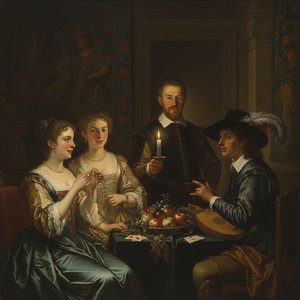
James Cuthbert (?)

- 87.0 x 75.0 cm

 Rozwiń treść
Giclée / Wydruk artystyczny
Wydruki giclée lub płótna o jakości muzealnej, szybka realizacja i szeroki wybór opcji wykończenia. ( Zamów ręcznie malowaną reprodukcję Przejdź do wersji cyfrowej)




































Wybierz spośród naszych standardowych rozmiarów, które zachowują oryginalne proporcje dzieła sztuki.

Wpisz wymaganą szerokość i wysokość, aby dopasować grafikę do ramy lub ściany. Wydruk można jedynie przyciąć, nigdy nie powiększając go poza oryginalny obraz, dlatego format o innych proporcjach spowoduje utratę części kompozycji. Przed rozpoczęciem druku prześlemy Ci cyfrowy podgląd do zatwierdzenia. Obraz wyświetlany na tej stronie nie pokazuje rzeczywistego przycięcia — jedynie podgląd oddaje ten efekt.
Dostawa na cały świat () w ciągu 2 tygodni zamiast standardowych 4/5 tygodni. (9 Listopad)

Bezpłatna ekspresowa wysyłka na cały świat

Wysokiej jakości płótno lniane

Pełne ubezpieczenie przesyłki

Gwarancja zwrotu należności celnych i podatków importowych

Gwarancja wiernego odwzorowania kolorów

100-dniowa polityka zwrotów (tylko w przypadku wad)

Gwarancja 100% zwrotu pieniędzy

Zniżka przy zakupie wielu sztuk
 Opcja ze szkłem jest dostępna wyłącznie w rozmiarach poniżej 110 cm

James Cuthbert (?)
Giclée / Wydruk artystyczny
Wymiary reprodukcji
-


Cena całkowita
zł 246
Podobne dzieła


Biografia artysty
Jeremiah Theus: Charleston’s Quintessential Portraitist
Jeremiah Theus (1716 – 1774) stands as a singular figure in the artistic landscape of colonial South Carolina, recognized primarily for his masterful portraits that captured the essence of aristocratic society during the Enlightenment. Born in Chur, Switzerland—the eldest child of Simeon and Anna Walser Theüs—his early life remains shrouded in relative obscurity, yet his emigration to Charleston in 1735 marked a pivotal moment shaping his career and legacy. Driven by religious fervor and propelled by land grants offered by the South Carolina General Assembly, Theus established himself as Charleston’s foremost limner (portrait painter), dominating the artistic scene for nearly four decades. ### Early Life and Artistic Training Details regarding Theus' formal artistic training are scarce—a reflection of the limited opportunities available to aspiring artists in Charleston at the time. However, circumstantial evidence suggests he honed his skills during his formative years in Switzerland, absorbing influences from Rococo art prevalent on the continent. This stylistic sensibility would subsequently permeate his oeuvre, characterized by elegant compositions and meticulous attention to detail. His penchant for capturing idealized beauty—particularly evident in depictions of women—demonstrates a deep understanding of prevailing aesthetic conventions. ### Charleston and Artistic Practice By 1740, Theus had firmly rooted himself in Charleston’s burgeoning commercial hub, advertising his services prominently in the *South Carolina Gazette*. Recognizing the importance of establishing credibility within the community, he diligently cultivated relationships with prominent families—the Elliots, Grimball, Heyward, Izard, Manigault, Mazyck and Ravenel—resulting in a prolific output of portraits reflecting Charleston’s social hierarchy. Notably, Theus skillfully adapted English mezzotint prints—a technique favored by artists like John Singleton Copley—incorporating elements of English style into his own compositions. This stylistic fusion underscores the interconnectedness of artistic traditions during the period and reflects Theus' commitment to upholding standards of excellence. ### Notable Commissions and Influences Among Theus’s most ambitious undertakings were the portraits of Colonel Barnard Elliott Jr. and his wife—considered among Charleston’s finest artworks—and Mrs. Peter Manigault, commissioned by Charleston’s wealthiest family. These works exemplify Theus' meticulous approach to portraiture, meticulously studying English prints for inspiration and incorporating stylistic cues that mirrored contemporary artistic trends. His collaborations with fellow artists like John Wollaston further broadened his artistic horizons and fostered intellectual exchange within the Charleston art community. ### Legacy and Significance Jeremiah Theus’s enduring influence extends beyond his individual artworks—he established an evening drawing school, fostering artistic talent among aspiring painters in Charleston. His meticulous documentation of Charleston society—through a vast collection of portraits—provides invaluable insight into the social dynamics and cultural values of colonial America. Furthermore, recent scholarship has illuminated the significance of Theus’s work as a symbol of aristocratic privilege and as a testament to the enduring power of artistic patronage. Today, his paintings reside in museums across North America and Europe, ensuring that Jeremiah Theus' contribution to American art history continues to inspire admiration and scholarly inquiry.
Jeremiaś Theus
1716 - 1774 , Szwajcaria
Krótka nota
- Artistic Movement Or Style: Rococo
- Artists Or Movements Influenced By This Artist: ['English Rococo']
- Artists Who Influenced This Artist:
- John Singleton Copley
- Francis Cotes
- Date Of Birth: April 5, 1716
- Date Of Death: May 17, 1774
- Full Name: Jeremiah Theüs
- Nationality: Swiss
- Notable Artworks:
- Portrait of Elizabeth Manigault
- Portrait of Barnard Elliott Jr.
- Portrait of Mrs. Peter Manigault
- Place Of Birth: Chur, Switzerland
Powiązane artykuły
Gerard van Honthorst: Illuminating the Dutch Golden Age with Caravaggism & Courtly Grace
Explore the captivating world of Gerard van Honthorst, a Dutch Golden Age master renowned for his dramatic chiaroscuro & courtly portraits. Discover his life, art, and lasting influence on Baroque painting.
