

 Zamów wydruk Kup cyfrowy obraz
 Udostępnij
 Udostępnij
 Details
 Dodaj do ulubionych

 Pobierz
 Podobne obiekty
 X-Ray
X-Ray
 Pokaz slajdów
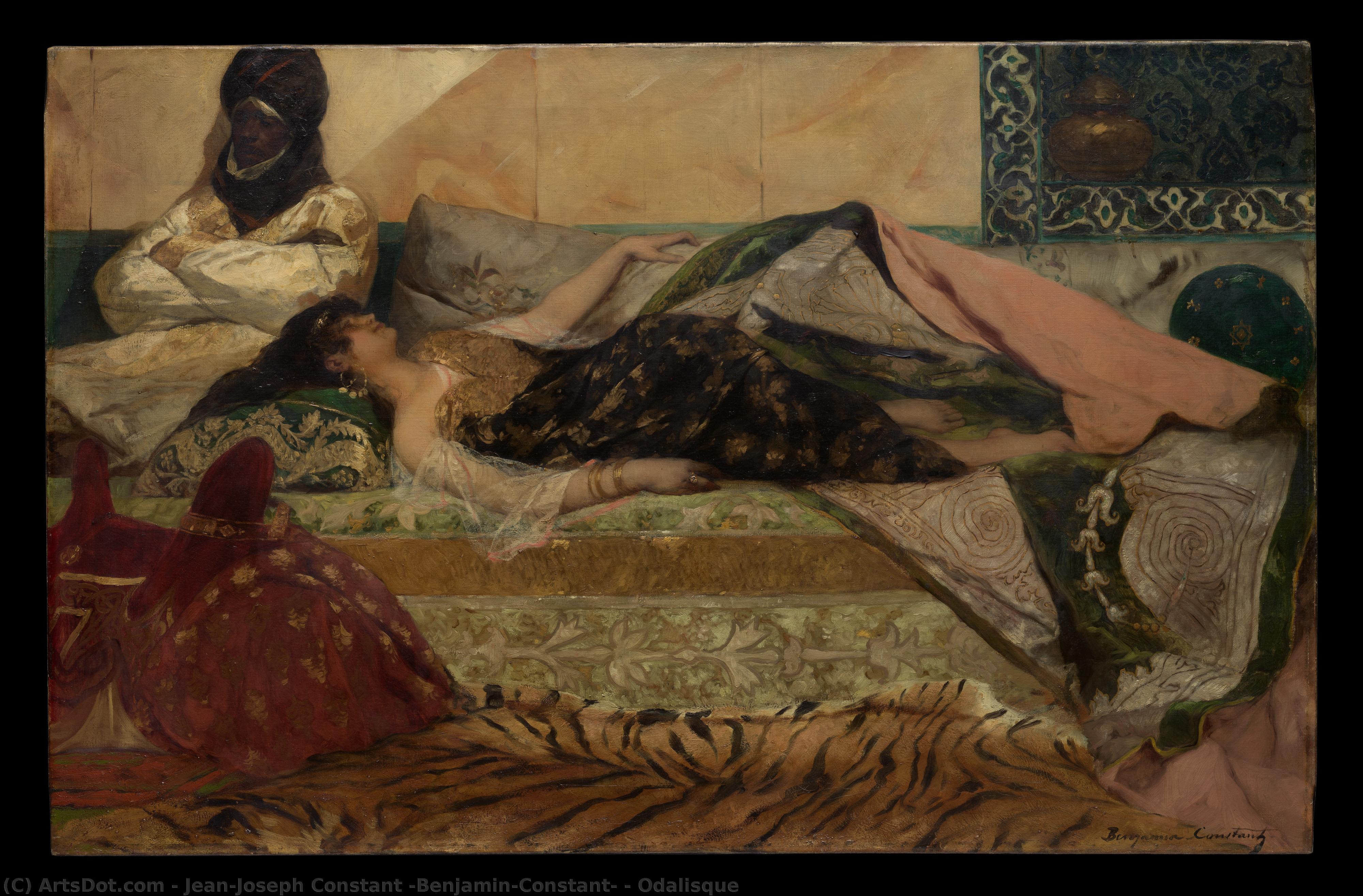
Odalisque
 89.0 x 139.0 cm
Ręcznie malowana reprodukcja olejowa
Ręcznie malowany olej na płótnie w Twoim wymiarze i ramie, tworzony na zamówienie przez naszych artystów.




































 Dowiedz się więcej
Wybierz spośród naszych predefiniowanych rozmiarów, które zachowują oryginalne proporcje dzieła sztuki.

Możesz wprowadzić własne wymiary, aby dopasować obraz do konkretnej ramy lub przestrzeni. Jeśli wybrany rozmiar nie będzie odpowiadał proporcjom oryginału, przytniecie dzieło sztuki lub rozszerzymy je o dodatkowe elementy, ręcznie domalowane przez artystę. Przed rozpoczęciem produkcji wyślemy projekt cyfrowy do Twojej akceptacji.
Należy pamiętać, że podgląd na ekranie nie odzwierciedla rzeczywistego przycinania ani rozszerzania obrazu. Tylko projekt dokładnie pokaże ostateczną kompozycję.
Choć oferujemy możliwość zamówienia niestandardowych rozmiarów, zalecamy wybór wymiaru z gotowej listy, aby zachować oryginalne proporcje dzieła.
Po złożeniu zamówienia zespół ArtsDot.com skontaktuje się z klientem drogą mailową w celu uzyskania instrukcji i prześle wizualizację projektu
Dostawa na całym świecie () w ciągu 3/4 tygodni zamiast standardowych 5 tygodni. (1 Lipiec). Bez kompromisów w kwestii jakości.

Bezpłatna ekspresowa wysyłka na cały świat

Wysokiej jakości płótno lniane

Pełne ubezpieczenie przesyłki

Gwarancja zwrotu należności celnych

Gwarancja pełnego zgodności kolorystycznej

Polityka 60-dniowego zwrotu (tylko w przypadku wad)

Gwarancja 100% zwrotu pieniędzy

Zniżka przy większych zamówieniach
 Opcja szkła jest dostępna wyłącznie w rozmiarach poniżej 110 cm

Odalisque
Technika reprodukcji
Wymiary reprodukcji
-


Cena całkowita
-
Opis dzieła
Biografia artysty
Jean-Joseph Benjamin-Constant: A Master of Orientalism and Academic Precision
Jean-Joseph Benjamin-Constant, a name synonymous with the captivating allure of the Orient and the rigorous discipline of academic art, stands as a pivotal figure in 19th-century French painting. Born in Paris in 1845, his artistic journey began within the hallowed halls of the École des Beaux-Arts in Toulouse, under the tutelage of Alexandre Cabanel – an experience that instilled within him a profound respect for classical techniques and a meticulous attention to detail. This foundational training shaped his early works, which initially reflected a dedication to historical painting, showcasing a talent for dramatic composition rooted in established artistic traditions. However, it was a transformative voyage to Morocco in 1872 that irrevocably altered the course of Benjamin-Constant’s artistic vision, igniting an enduring passion for the exotic and setting him on a path toward becoming one of the most celebrated Orientalist painters of his time. This journey wasn't merely a change of scenery; it was an immersive experience—a plunge into a world brimming with vibrant colors, unfamiliar customs, and a unique, captivating light – elements that would forever inform his artistic expression.The Allure of the Orient: Capturing Moroccan Life
Upon returning from Morocco, Benjamin-Constant’s artistic focus underwent a dramatic shift. He began to produce a series of paintings that transcended mere documentation; they were evocative interpretations of Moroccan life and culture. These weren't simply depictions of landscapes or individuals; they were attempts to capture the *feeling* of being immersed in this new world – the scent of spices hanging heavy in the air, the warmth of the North African sun on skin, the intricate patterns woven into textiles. Paintings such as “Last Rebels,” “Justice in the Harem,” and “Moroccan Prisoners” quickly garnered attention, not just for their technical brilliance but also for their ability to transport viewers to a distant land. He possessed an extraordinary gift for translating the sensory richness of Morocco onto canvas – a remarkable feat achieved through his masterful use of color, light, and composition. Beyond these intimate scenes of daily life, Benjamin-Constant also demonstrated his capacity for grand historical narratives, as evidenced by his monumental painting “The Entrance of Mahomet II into Constantinople,” a work that secured his place within the Parisian art world and solidified his reputation. His Orientalist works weren’t merely about portraying a different culture; they were explorations of universal themes – power, justice, and the human condition – set against a backdrop of breathtaking beauty and profound mystery.Influences and Artistic Development
Benjamin-Constant's artistic development was shaped by a confluence of influences. His early training under Alexandre Cabanel provided him with a solid foundation in academic techniques—a mastery of perspective, anatomy, and color theory. However, it was his exposure to the art of Eugène Delacroix, a Romantic painter known for his dramatic compositions and vibrant use of color, that profoundly impacted his artistic sensibilities. Benjamin-Constant’s work began to incorporate elements of Romanticism – heightened emotion, dynamic movement, and an emphasis on subjective experience—while retaining the precision and control characteristic of academic painting. He also drew inspiration from Rubens and Watteau, masters of classical composition and elegant rendering. These influences combined to create a unique artistic style that was both technically proficient and emotionally resonant. His early works demonstrate a clear debt to these predecessors, but he quickly developed his own distinctive voice—one characterized by a romantic sensibility tempered by academic rigor.A Versatile Hand: From Murals to Portraiture
Around 1880, Benjamin-Constant’s artistic trajectory underwent a significant shift. While his Orientalist paintings had established him as a rising star, he began to dedicate himself increasingly to mural decorations and portraiture, demonstrating an impressive versatility and adaptability. This transition wasn't a departure from his core artistic principles but rather an expansion of them—a testament to his intellectual curiosity and willingness to embrace new challenges. He brought the same meticulous attention to detail and dramatic flair that characterized his earlier work to these new endeavors. His large-scale paintings, such as “Paris Convening the World,” exhibited at the Musée de la Ville, showcased his skill in depicting complex scenes with numerous figures, creating dynamic compositions that drew viewers into a world of bustling activity and civic pride. This ability to handle grand scale and intricate detail led to commissions from some of the most prominent figures of the era—including Pope Leo XIII, Queen Alexandra of the United Kingdom, and Lord John Lumley-Savile – further cementing his reputation as a skilled portraitist capable of capturing not just physical likeness but also the essence of his subjects’ personalities.Recognition and Legacy: A Lasting Impression
Throughout his career, Benjamin-Constant received numerous accolades for his artistic achievements. He was awarded a medal of honor at the Salon in 1896 for “Mons Fils André,” a testament to his enduring skill and innovation. His election to the Institute in 1893 and subsequent appointment as a Commander of the Legion of Honor further underscored his standing within the French art establishment. Today, his work is represented in prestigious collections worldwide—including the Metropolitan Museum of Art, the Musée des Augustins in Toulouse, and the U.S. National Gallery of Art in Washington D.C.—ensuring that his artistic vision continues to inspire and captivate audiences for generations to come. Benjamin-Constant’s legacy lies not only in his technical mastery but also in his ability to synthesize academic training with a romantic sensibility. He created compelling works that captured both the grandeur of historical narratives and the alluring mystique of distant lands, establishing himself as an important figure in 19th-century French art. He remains celebrated for his evocative depictions of Orientalist themes and his remarkable versatility as an artist.
Jean-Joseph Benjamin-Constant
1845 - 1902 , Francja
Kluczowe informacje
- Artistic Movement Or Style: Orientalizm, Akademicka sztuka
- Artists Or Movements Influenced By This Artist:
- Rubens
- Watteau
- Artists Who Influenced This Artist:
- Delacroix
- Cabanel
- Date Of Birth: 10 czerwca 1845
- Date Of Death: 26 maja 1902
- Full Name: Jean-Joseph Benjamin-Constant
- Nationality: Francuz
- Notable Artworks:
- Ostatni rebeli
- Sprawiedliwość w haremie
- Marokański więzień
- Place Of Birth: Paryż, Francja


