


 Podgląd w skali
 Wyślij jako kartkę
 Udostępnij
 Szczegóły dzieła

 Pobierz
 Podobne obiekty
 RTG
RTG Pokaz slajdów
Perfect Harmony
 Post-Impressionism
 1932
1932 75.0 x 90.0 cm
 Rozwiń treść
Giclée / Wydruk artystyczny
Druk giclée lub płótno o jakości muzealnej, szybka realizacja i szeroki wybór opcji wykończenia. ( Zamów ręcznie malowaną reprodukcję Kup obraz wysokiej rozdzielczości)




































Wybierz spośród naszych standardowych rozmiarów, które zachowują oryginalne proporcje dzieła sztuki.

Możesz wprowadzić własne wymiary, aby dopasować dzieło do konkretnej ramy lub przestrzeni. Jeśli wybrany rozmiar nie będzie odpowiadał proporcjom oryginalnego obrazu, przytniecie dzieło lub rozszerzymy obraz za pomocą odbicia lustrzanego lub jednolitego wypełnienia krawędzi. Przed rozpoczęciem produkcji prześlemy cyfrową wizualizację do Twojej akceptacji.
Prosimy pamiętać, że podgląd na ekranie nie odzwierciedla faktycznego przycinania ani rozszerzania. Tylko wizualizacja dokładnie pokaże końcową kompozycję.
Mimo dostępności niestandardowych rozmiarów, zalecamy wybór wymiaru z listy zdefiniowanej, aby zachować oryginalne proporcje.
Dostawa na cały świat () w ciągu 2 tygodni zamiast standardowych 4/5 tygodni. (7 Wrzesień)

Bezpłatna ekspresowa wysyłka na cały świat

Wysokiej jakości płótno lniane

Pełne ubezpieczenie przesyłki

Gwarancja zwrotu należności celnych i podatków importowych

Gwarancja wiernego odwzorowania kolorów

100-dniowa polityka zwrotów (tylko w przypadku wad)

Gwarancja 100% zwrotu kosztów

Zniżka przy zamówieniu wielu produktów
 Opcja ze szkłem jest dostępna wyłącznie w rozmiarach poniżej 110 cm

Perfect Harmony
Giclée / Wydruk artystyczny
Wymiary reprodukcji
-


Cena całkowita
$ 62
Composition and Elements
The scene depicts a group of people gathered in a room, surrounded by furniture pieces such as chairs and tables. A fireplace serves as a focal point, with a dining table and chairs placed in the background. The presence of two vases adds a touch of elegance to the setting. As discussed on ArtsDot.com's Post-Impressionism Art Movement Introduction, this style emphasizes the emotional and psychological depth of the subjects, which is evident in Vuillard's work.Light and Color
The use of light in Perfect Harmony is reminiscent of the principles outlined on Wikipedia's Light in Painting page. The play of light and shadow creates a sense of depth and volume, drawing the viewer's eye through the composition. The color palette is characterized by soft, muted tones, which adds to the overall sense of warmth and intimacy.Artistic Style
Vuillard's style is often associated with Post-Impressionism, a movement that emerged as a reaction against the naturalistic depiction of light and color. As seen in other works by Vuillard, such as Luncheon at Les Clayes, his use of geometric forms and emphasis on pattern and texture creates a unique visual language. For more information on Vuillard's style, visit ArtsDot.com's Jean Edouard Vuillard page.- Size: 75 x 90 cm
- Medium: Oil On Canvas
- Style: Post-Impressionism
- Date: 1932
Podobne dzieła


O artyście
**early life and artistic beginnings**
Jean-Édouard Vuillard, a luminary of French art, was born on November 11, 1868, in the quaint village of Cuiseaux, nestled within the Bourgogne-Franche-Comté region of France. His early years were marked by a quiet domesticity—a life deeply intertwined with his mother’s profession as a seamstress and dressmaker. This intimate connection to textiles and domestic interiors would profoundly shape his artistic vision later in life. His father, an officer in the French army, had tragically passed away before Jean-Édouard's birth, leaving his mother to raise him alone. This formative experience instilled within him a sensitivity to the textures of everyday life and a profound appreciation for the beauty found in the commonplace. In 1878, the family relocated to Paris, immersing young Jean-Édouard into the vibrant heart of French culture. This move proved pivotal, exposing him to the burgeoning artistic scene and setting the stage for his future endeavors. He enrolled at Lycée Condorcet, where he encountered a kindred spirit in Kéra Xavier Roussel, a fellow student who would later become a prominent figure in the art world. It was through Roussel’s guidance that Vuillard discovered his passion for painting, abandoning his initial aspirations of joining the military and dedicating himself to artistic pursuits. His studies at the École des Beaux-Arts followed, providing him with formal training while simultaneously fostering an independent spirit—a characteristic that would define much of his career.**the nabis movement and its influence**
Vuillard’s artistic trajectory took a significant turn in 1888 when he joined the ranks of Les Nabis, a collective of young artists who sought to break free from the constraints of traditional academic art. This group, comprised of figures like Maurice Denis, Pierre Bonnard, and Félix Vallotton, embraced a radical approach to painting—one that prioritized color, emotion, and symbolism over strict representation. Inspired by the Japanese woodblock prints that were gaining popularity in Europe, the Nabis experimented with flattened planes of color, simplified forms, and an emphasis on decorative patterns. Vuillard’s work became inextricably linked with this movement, characterized by a distinctive use of muted tones, subtle gradations of color, and a remarkable ability to capture the essence of his subjects—often domestic interiors and portraits of women. The Nabis philosophy, rooted in the positivist theories of Auguste Comte and Hippolyte Taine, encouraged artists to find beauty and meaning in everyday life, translating their observations into evocative works of art. Their shared belief in the power of symbolism and the importance of subjective experience profoundly influenced Vuillard’s artistic practice.**vuillard's later work and legacy**
Following the dissolution of Les Nabis in 1900, Vuillard continued to paint with remarkable consistency and innovation. While retaining his signature style—characterized by delicate color palettes and intimate compositions—he gradually shifted towards a more realistic approach, meticulously rendering landscapes and interiors with increased detail and vividness. In the 1920s and 30s, he produced a series of portraits capturing prominent figures in French industry and the arts, often depicting them within their familiar surroundings. These works offer a glimpse into the lives of influential individuals—a testament to Vuillard’s keen eye for character and his ability to convey subtle nuances of personality. Notably, Vuillard's later career was marked by significant commissions from wealthy patrons, including the Natanson brothers and members of Parisian society. He designed theater sets, created decorative panels for private residences, and produced exquisite stained glass—demonstrating his versatility as a visual artist. His final major commission, undertaken in 1937 alongside Pierre Bonnard, involved decorating the Palais de Chaillot in Paris, a project that solidified his reputation as one of France’s most celebrated artists. Jean-Édouard Vuillard passed away on June 21, 1940, leaving behind a legacy of understated elegance and profound artistic insight.**key works and exhibitions**
Vuillard's paintings are held in prestigious museums worldwide, offering viewers an opportunity to immerse themselves in his unique artistic vision. The Musée de la Révolution Française in Paris boasts a particularly rich collection of Vuillard’s work, including “La Patrie en Danger” (1892), a poignant depiction of a young man condemned to death during the French Revolution—a subject that reflects Vuillard's interest in social commentary and historical narratives. Other notable works include "Jean de la Barre" (1893), a portrait of a young woman accused of heresy, and numerous interior scenes capturing the quiet beauty of domestic life. His later portraits, such as those depicting French industrialists and artists within their familiar settings, are also significant contributions to his oeuvre. Vuillard’s art has been featured in numerous exhibitions throughout France and internationally, solidifying his place as a pivotal figure in modern art history.**conclusion**
Jean-Édouard Vuillard remains an enigmatic yet profoundly influential artist—a master of understatement and subtle observation. His distinctive style, characterized by delicate color palettes, intimate compositions, and a profound sensitivity to the textures of everyday life, continues to captivate audiences today. As a pioneer of modernism, Vuillard’s work paved the way for subsequent generations of artists—influencing movements such as Cubism and Fauvism. His legacy endures not only through his remarkable paintings but also through their ability to evoke a sense of quiet contemplation and profound beauty. Explore the world of Jean-Édouard Vuillard further on ArtsDot, discovering the depth and richness of his artistic vision.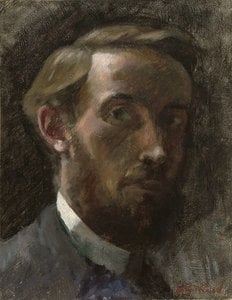
Jean-Édouard Vuillard
1868 - 1940 , Francja
Krótka nota
- Artistic Movement Or Style: Nabis
- Artists Or Movements Influenced By This Artist:
- Cubizm
- Fauvizm
- Artists Who Influenced This Artist: ['Paul Gauguin']
- Date Of Birth: 11 listopada 1868
- Date Of Death: 21 czerwca 1940
- Full Name: Jean-Édouard Vuillard
- Nationality: Francuz
- Notable Artworks:
- Matka
- Sunlit Interior
- Place Of Birth: Cuiseaux, Francja


