


Obraz dostosowuje się do Twoich wyborów: , .
Opis obiektu
Elegancka rzeźba Sabiny Houdon autorstwa Jean-Antoine Houdona, przedstawiająca młodą dziewczynę w stylu neoklasycznym. Uwieczniono jej piękno i młodość z dbałością o detale.
 Rozwiń treść
Biografia artysty
Odkryj monumentalne dzieła Jean-Antoine Houdona (1741–1828), francuskiego rzeźbiarza neoklasycznego, który zdominował sztukę portretową epoki Oświecenia i stworzył ikoniczne postaci takich jak George Washington oraz Voltaire.
Ręcznie malowana reprodukcja olejowa
Ręcznie malowany obraz olejny na płótnie, wykonany na zamówienie przez naszych artystów w wybranym przez Ciebie wymiarze i oprawie. ( Przełącz na wydania drukowane Przejdź do wersji cyfrowej)
Więcej o tym obrazie
 Wyślij jako kartkę
 Udostępnij
 Szczegóły dzieła
 Przewodnik

 Pobierz obraz
 Podobne obiekty
 Pokaz slajdów
 Pytania i odpowiedzi
 Statystyki
Zamów swój obraz w czterech prostych krokach
Nie spiesz się. Możesz zmienić każdą odpowiedź; cena w Twoim koszyku będzie aktualizowana po każdym wyborze.
1 Pierwszy z czterech kroków
Który rozmiar wybierasz?
Te rozmiary zachowują proporcje oryginalnego obrazu. Rysunek przedstawia wybrany przez Ciebie format na ścianie, nad dwumetrową sofą.
lub podaj własne wymiary
Wybierz spośród naszych standardowych rozmiarów, które zachowują oryginalne proporcje dzieła sztuki.

Wpisz wymaganą szerokość i wysokość, aby obraz pasował do Twojej ramy lub ściany. Ponieważ jest to dzieło malowane ręcznie, w przypadku rozmiaru o innych proporcjach artysta może domalować nieco więcej wokół obrazu lub przyciąć jego fragmenty — wybór należy do Ciebie. Przed rozpoczęciem pracy prześlemy Ci cyfrową wizualizację do zatwierdzenia. Obraz widoczny na tej stronie nie przedstawia rzeczywistego efektu — jedynie wizualizacja oddaje realny rezultat.
2 Drugi z czterech kroków
W jaki sposób przygotować dzieło: w formie tuby, na krosnach czy w ramie?
Poniższe ceny dotyczą rozmiaru wybranego w pierwszym kroku.
Wybierz krawędzie płótna naciągniętego na ramę
Wybierz ramę

Białe krawędzie zł1

rozmyte krawędzie zł1

Przedłużony zł1

P118B zł10

P118H zł10

P118W zł10

P438Z zł10

P508JH zł12

P508YH zł12

P805H zł10

P805Z zł10

P919BZ zł10

P919G zł10

P919XJ zł10

P959ZH zł10

P968JZ zł12

W106C zł8

W218G zł10

W218JH zł8

W218Y zł10

W307PJ zł10

W316G zł10

W316PJ zł8

W316Y zł10

W398PJ zł8

W4111J zł10

W500HY zł15

W500JH zł15

W692G zł12

W849H zł8

W940BG zł15

W953PJ zł8

H24-GOLD zł30

H24-SILVER zł30

H36-GOLD zł45

H36-SILVER zł45
W oprawie
Profil: . Wymiar całkowity w ramie: .
3 Trzeci z czterech kroków
Czy chcieliby Państwo wprowadzić jakieś zmiany w obrazie?
Większość osób odpowiada przecząco. Ponieważ każdy obraz jest tworzony ręcznie, nasz artysta może również dostosować go do Twoich potrzeb.
Po złożeniu zamówienia zespół ArtsDot.com skontaktuje się z klientem drogą mailową w celu uzyskania instrukcji i prześle podgląd projektu
4 Krok czwarty z czterech
Kilka opcji wykończenia
Wszystkie są opcjonalne. Wybrane już odpowiedzi nie wiążą się z żadnymi dodatkowymi kosztami.
Kto jest autorem?
Dostawa na całym świecie () w ciągu 3–4 tygodni zamiast standardowych 5 tygodni. (12 Listopad). Bez kompromisów w kwestii jakości.
Tabliczka informacyjna, jak w muzeum?
Szczegóły grawerowanej brązowej tabliczki
This elegant plaque features the artist's name and the title of the artwork, finely engraved for a timeless presentation.
It is made from bronze with a refined, elegant finish. The text is precisely laser-engraved for a sharp and permanent result. Measuring 9x2 cm, the plaque is compact yet easy to read. It's built to be durable and scratch-resistant, offering a professional, museum-quality look. Mounting is simple thanks to the included adhesive backing.
Szczegóły przezroczystej tabliczki akrylowej
The plaque includes essential engraved details such as the artist's name, the title of the artwork, the date it was created, the type of media used-like oil on canvas or watercolor-a brief description of the piece, and a QR code that links to the complete artwork information.
It is crafted from clear acrylic, offering a sleek, modern appearance. The text is UV-engraved in black to ensure strong visual contrast. With a size of 10x15 cm, it ensures optimal readability. It comes equipped with two metal hooks for secure wall mounting. The plaque is designed to be weather-resistant, making it suitable for various environments, and it includes interactive features that work seamlessly with smartphone scanning.
Szczegóły czarnej tabliczki akrylowej
This elegant plaque includes engraved information such as the artist's name, the title of the artwork, the date it was created, the type of media used (like oil on canvas or watercolor), a short description of the artwork, and a QR code for quick access to more information.
The plaque itself is made from refined black acrylic with a premium finish. The text is laser-engraved in white for high contrast and readability. Its size is 10x15 cm, designed to be easy to read. It comes with two metal hooks for professional mounting. The design is sleek and fits any interior style. It is also weather-resistant and durable, with built-in digital integration for mobile compatibility.
Werniks ochronny?
Kiedy potrzebujesz dostawy?
✓ Sprawdź i zamów
Twoje dzieło, dokładnie tak, jak zamówiłeś

Sabina Houdon
Technika reprodukcji
Wymiary reprodukcji
-

Wybitny mistrz artystyczny
Większa szczegółowość, finezja i dodatkowy czas na realizację
-

Opcje oprawy reprodukcji
-
-
W przypadku dzieł sztuki lub reprodukcji, których którykolwiek z boków przekracza 105 cm (około 41 cali), rama zostanie wysłana w formie zestawu do samodzielnego montażu. Metoda ta zapewnia bezpieczną dostawę i zapobiega uszkodzeniom podczas transportu.
Wymagany profesjonalny montaż – nie jest to produkt typu DIY.
Zestaw musi zostać złożony, a płótno naciągnięte przez doświadczonego profesjonalnego ramiarza, przy użyciu kleju do drewna (brak w zestawie), kleszczy do naciągania płótna oraz ścisków, które utrzymają krosna w równej pozycji podczas schnięcia kleju. Nieprawidłowy montaż lub nierównomierne napięcie płótna może trwale uszkodzić dzieło sztuki i nie podlega naszej gwarancji.
 W przypadku dzieł sztuki lub reprodukcji, których którykolwiek z boków przekracza 105 cm (około 41 cali), rama zostanie wysłana w formie zestawu do samodzielnego montażu. Metoda ta zapewnia bezpieczną dostawę i zapobiega uszkodzeniom podczas transportu.
W zestawie znajdują się wszystkie listwy z litego drewna, precyzyjnie docięte do wymiarów.
Montaż odbywa się przy użyciu dołączonych wkrętów oraz kleju do drewna do łączenia narożników, którego zestaw nie zawiera i który musi zostać dostarczony przez ramiarza.
Wymagane są profesjonalne narzędzia, których nie ma w zestawie: kleszcze do naciągania płótna (napinacz) oraz zaciski, które pozwolą utrzymać listwy w równej pozycji podczas schnięcia kleju.
Ważne:
Do połączenia narożników niezbędny jest klej do drewna, listwy należy unieruchomić za pomocą ścisków do momentu całkowitego wyschnięcia kleju, a naciągnięcie płótna na złożoną ramę wymaga użycia kleszczy do naciągania płótna. Żaden z tych elementów nie jest dołączony do zestawu. Przed zamówieniem tego rozmiaru zalecamy konsultację z doświadczonym ramiarzem.

Etykieta obiektu
-
-

Lakier ochronny
Lakier z połyskiem (pogłębia kolory, chroni przed światłem i wilgocią)
-

Personalizacja dzieła
Przykłady możliwości personalizacji: zastąp twarz zdjęciem klienta; dodaj zwierzę domowe (np. zamień kota na psa); umieść ukrytą wiadomość w tle; zmień krajobraz lub elementy tła.
-

Ekspresowa
Dostawa na cały świat () w ciągu 3–4 tygodni zamiast standardowych 5 tygodni. (12 Listopad). Bez kompromisów w kwestii jakości.
-
Przesyłka ekspresowa
Dostawa na cały świat () w ciągu 5 tygodni. (19 Listopad).
W cenie
Cena całkowita
zł 1028
Opcja ze szkłem jest dostępna wyłącznie w rozmiarach poniżej 110 cm
W każdym zamówieniu
- Bezpłatna ekspresowa wysyłka na cały świat
- Wysokiej jakości płótno lniane
- Pełne ubezpieczenie przesyłki
- Gwarancja zwrotu należności celnych i podatków importowych
- Gwarancja wiernego odwzorowania kolorów
- 100-dniowa polityka zwrotów (tylko w przypadku wad)
- Gwarancja 100% zwrotu pieniędzy
- Zniżka przy zakupie wielu sztuk


Sabine Houdon: A Glimpse of Innocence in Marble
Jean-Antoine Houdon’s “Sabine Houdon,” a captivating marble bust created around 1787, offers more than just a portrait; it's a profound meditation on childhood, beauty, and the enduring power of artistic observation. This exquisite sculpture, part of Houdon’s celebrated series of portraits capturing the essence of his subjects – their intellect, character, and inner lives – stands as a testament to his unparalleled skill in rendering human form with remarkable sensitivity and detail. The photograph we examine today allows us to appreciate not only the technical mastery involved but also the profound emotional resonance captured within this small, yet remarkably expressive, work.
Houdon’s neoclassical style is immediately apparent. The piece embodies the ideals of the Enlightenment – a focus on reason, observation, and the celebration of human potential. The pose itself, with Sabine's head tilted slightly towards the viewer, creates an intimate connection, drawing us into her gaze. This isn’t merely a likeness; it’s an attempt to capture a fleeting moment of youthful contemplation, a suggestion of inner life beneath the surface. The overall composition is remarkably balanced, mirroring the classical principles that informed Houdon's work and reflecting a desire for harmony and order – values central to Neoclassical aesthetics.
The Language of Marble: Technique and Texture
The remarkable realism achieved in “Sabine Houdon” stems directly from Houdon’s meticulous carving techniques. He was renowned for his ability to coax an astonishing level of detail from marble, capturing the subtle nuances of skin texture, the delicate curve of a cheekbone, and the soft fuzz of hair with breathtaking precision. The photograph reveals the polished surface of the marble, a testament to the sculptor's patient hand and skillful use of abrasives. Notice how light plays across the surface, highlighting the subtle variations in tone – areas of shadow that deepen the sense of volume and create an illusion of three-dimensionality. The contrast between the smooth, almost luminous skin and the slightly rougher texture of the pedestal further emphasizes the bust’s form.
The choice of materials is also significant. Marble, prized for its purity and ability to capture light, was the medium of choice for a work intended to celebrate beauty and innocence. The dark stone pedestal provides a dramatic backdrop, drawing attention to the delicate figure above and reinforcing the sense of contrast between youth and experience. Houdon’s careful selection of materials speaks volumes about his artistic vision – he wasn't simply creating an image; he was crafting an object imbued with meaning and emotion.
A Portrait of a Daughter, A Reflection of an Era
Beyond its technical brilliance, “Sabine Houdon” offers a poignant glimpse into the world of 18th-century France. Houdon’s portraits were commissioned by prominent figures – philosophers, inventors, and political leaders – reflecting the intellectual ferment of the Enlightenment. However, his depictions of children, particularly those of his own family, are exceptionally rare. This suggests a deeply personal approach to portraiture, an attempt to capture not just physical likeness but also the essence of familial love and connection. The fact that this bust was presented at the Salon of 1789, without identifying the sitter, underscores Houdon’s desire to protect his daughter's privacy – a testament to the profound bond between artist and subject.
The sculpture evokes feelings of innocence, youthfulness, and perhaps even nostalgia. The meticulous craftsmanship suggests admiration for the subject, while the tilt of her head hints at a quiet contemplation—a moment frozen in time. “Sabine Houdon” is more than just a beautiful object; it’s a window into the past, offering us a rare and intimate glimpse of a young girl from a bygone era. It's a reminder of the power of art to capture not only appearances but also the very soul of humanity.
Reproductions: Bringing Houdon’s Vision to Life
ArtsDot offers meticulously crafted hand-painted reproductions of “Sabine Houdon,” allowing you to experience the beauty and artistry of this iconic sculpture in stunning detail. Our skilled artists replicate Houdon's techniques, capturing the nuances of marble texture, light, and shadow with unparalleled accuracy. Whether displayed as a centerpiece in your home or incorporated into an interior design scheme, a ArtsDot reproduction will bring a touch of timeless elegance and intellectual depth to any space.
Pytania i odpowiedzi
Jakie emocje przekazuje „Sabina Houdon” – Jean-Antoine Houdon?
Emocjonalny ton przypisany do „Sabina Houdon” – Jean-Antoine Houdon to Nostalgiczny. Oddaje on emocje, jakie wyraża to dzieło.
Jaki nastrój oddaje „Sabina Houdon” – Jean-Antoine Houdon w ramach nurtu Neoclassical Style?
"Sabina Houdon" emanuje Nostalgiczny emocjonalnym ładunkiem, wpisując się w nurt Neoclassical Style.
Co przedstawia "Sabina Houdon" i jaką ma atmosferę?
"Sabina Houdon" przedstawia portrait bust, neoclassicism, childhood, sculpture, houdon, marble, youth, french art, a jego nastrojowy charakter można określić jako Elegancja.
Podobne dzieła


Jean-Antoine Houdon
1741 - 1828, Francja
Biografia artysty
A Sculptor of the Enlightenment
Jean-Antoine Houdon, born in Versailles in 1741, stands as a pivotal figure bridging the Rococo and Neoclassical eras—a sculptor whose work embodies the intellectual fervor and evolving aesthetic sensibilities of the eighteenth century. His life unfolded amidst dramatic shifts in French society, from the waning opulence of the monarchy through the revolutionary upheaval and Napoleonic ascendance. Yet, Houdon remained remarkably consistent in his artistic vision: to capture not merely a likeness, but the very essence of his subjects—their intellect, character, and inner lives—in enduring marble and bronze. This dedication stemmed from an early aptitude for sculpture, nurtured by formal training at the Académie Royale de Peinture et de Sculpture beginning in 1752 under esteemed sculptors like René-Michel Slodtz, Jean-Baptiste Lemoyne, and Jean-Baptiste Pigalle. His subsequent enrollment at the École Royale des Élèves Protégés from 1761 to 1764 solidified his foundation, culminating in a triumphant win of the Prix de Rome competition in 1761—an award that granted him invaluable study time with classical art firsthand in Italy, an experience profoundly shaping his aesthetic sensibilities.The Art of Verisimilitude and Psychological Insight
Houdon’s sculptures are immediately recognizable for their breathtaking realism and meticulous attention to detail. He wasn't content with simply replicating physical features; he sought to penetrate the surface, revealing the personality and intellect within. This commitment to verisimilitude arose from a deep fascination with anatomy—evident in his celebrated *Muscleman Sideview* bronze sculpture—and an unwavering dedication to observation. Unlike many contemporaries who idealized their subjects, Houdon embraced imperfections, believing they contributed to a more truthful and compelling portrayal. He employed innovative techniques, including taking casts directly from life, allowing him to capture remarkable nuance and subtlety that distinguished his work from others of the time. This approach was particularly evident in his portrait busts, which became his signature achievement. These weren’t merely static representations; they were dynamic studies of character, imbued with psychological depth and emotional resonance. Houdon's ability to convey not just *how* someone looked, but *who* they were—their virtues, their passions, their anxieties—was a revolutionary departure from prevailing artistic conventions. He achieved this through subtle nuances in expression, posture, and the rendering of details like the eyes—often carved with a slight concavity to capture the play of light and suggest inner thought. This meticulous attention to detail wasn’t merely stylistic; it reflected Houdon's conviction that sculpture could illuminate the human condition and communicate profound truths about human nature.Immortalizing an Era: A Pantheon of Enlightenment Figures
The breadth of Houdon’s clientele reads as a veritable who’s who of the Enlightenment. He immortalized some of the most influential thinkers, writers, politicians, and leaders of his time—individuals who championed reason, liberty, and progress amidst the turbulent currents of European history. His terracotta portrait of Denis Diderot captures the philosopher’s intellectual intensity and unconventional spirit with remarkable sensitivity, reflecting his belief in the power of critical inquiry and challenging established dogma. Benjamin Franklin, portrayed during his diplomatic mission to France, appears as a man of wisdom and pragmatism, his gaze both shrewd and benevolent—a testament to his astute understanding of politics and diplomacy. Jean-Jacques Rousseau, sculpted with characteristic empathy, embodies both the passion and melancholy that defined his philosophy—a poignant portrayal of human vulnerability and moral responsibility. Perhaps most famously, Houdon sculpted Voltaire—creating multiple versions of the celebrated writer, including a dynamic seated figure for the Comédie-Française that captures his wit and intellectual energy. This sculpture exemplifies Houdon’s masterful ability to distill complex ideas into tangible form, conveying Voltaire's philosophical convictions with arresting clarity. Beyond these intellectual giants, Houdon also received commissions from royalty, notably Louis XVI—a symbol of the waning grandeur of the Bourbon monarchy—and rising political figures like Napoleon Bonaparte—marking a pivotal moment in French history.Key Characteristics of Houdon’s Style
- Neoclassical Realism: Houdon's sculptures are characterized by their exceptional realism and attention to detail, rooted in classical principles but infused with a commitment to portraying subjects as they truly were.
- Psychological Depth: He meticulously captured not only the physical features but also the psychological essence of his subjects—their intellect, character, and inner lives—moving beyond mere likeness to convey personality and intellect.
- Historical Significance: His portraits offer invaluable glimpses into the lives and times of influential figures like Washington, Franklin, Voltaire, and Rousseau, serving as important historical documents.
- Innovative Techniques: Houdon pioneered techniques such as taking casts directly from life—a groundbreaking practice that ensured unparalleled accuracy in capturing anatomical detail and conveying emotional nuance.
Legacy and Enduring Influence
Jean-Antoine Houdon’s impact on the world of sculpture is undeniable. He elevated portraiture to an art form capable of profound psychological insight and historical documentation, establishing a new standard for sculptural representation that continues to inspire artists today. His dedication to realism—combined with his ability to capture the essence of his subjects—set him apart from many of his contemporaries and cemented his place as one of history’s greatest portrait sculptors. Throughout his life, he received widespread recognition, being named a Chevalier de la Légion d'honneur in 1804 and a Chevalier de l'Empire in 1809—testaments to his esteemed status within French society. His sculptures remain highly valued today, not only for their artistic merit but also for the invaluable glimpses they provide into the lives and times of the Enlightenment era. Houdon’s legacy extends far beyond his own lifetime, influencing generations of sculptors who followed him—a testament to his enduring contribution to the history of art. Houdon's work serves as a powerful reminder of the enduring power of art to capture the human spirit and preserve it for generations to come.


Powiązane artykuły
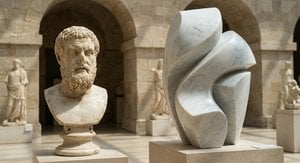
Urok marmuru w historii sztuki: od klasycznej rzeźby do nowoczesnej abstrakcji
Odkryj fascynującą historię rzeźby marmurowej – od klasycznych arcydzieł po nowoczesną abstrakcję. Poznaj techniki, artystów i wartość kolekcjonerską tego wyjątkowego medium. Ekspercka analiza dla miłośników sztuki.

Trwałe Formy: Ewolucja Technik i Tematów w Rzeźbie Przez Wieki – Od Antyku do Renesansu
Poznaj fascynującą historię rzeźby od antyku do renesansu! Odkryj techniki, wybitnych artystów i wpływ na współczesną sztukę. Ekspercka analiza dla kolekcjonerów i miłośników.

Trwała Forma: Rzeźba w Historii – Technika i Rezonans Emocjonalny
Poznaj historię rzeźby od antyku do współczesności! Ekspercka analiza technik, stylów i emocjonalnego wpływu arcydzieł. Inspiracje dla kolekcjonerów i miłośników sztuki.