

- 78.0 x 98.0 cm


Obraz dostosowuje się do Twoich wyborów: , .
Opis obiektu
Explore Jan Toorop's Symbolist masterpiece, The Three Brides (1893), featuring intricate lines and deep psychological themes; discover this vision today.
 Rozwiń treść
Biografia artysty
Discover Jan Toorop (1858-1928), a Dutch Symbolist painter known for his unique blend of Javanese motifs, Art Nouveau lines, and Pointillism. Explore his captivating works reflecting mysticism, social commentary, and religious themes.
Ręcznie malowana reprodukcja olejowa
Ręcznie malowany obraz olejny na płótnie, wykonany na zamówienie przez naszych artystów w wybranym przez Ciebie wymiarze i oprawie. ( Przełącz na wydania drukowane Przejdź do wersji cyfrowej)
Więcej o tym obrazie
 Podgląd w skali 1:1
 Wyślij jako kartkę
 Udostępnij
 Szczegóły dzieła
 Przewodnik

 Pobierz obraz
 Podobne obiekty
 RTG
RTG Pokaz slajdów
 Pytania i odpowiedzi
 Statystyki
Zamów swój obraz w czterech prostych krokach
Nie spiesz się. Możesz zmienić każdą odpowiedź; cena w Twoim koszyku będzie aktualizowana po każdym wyborze.
1 Pierwszy z czterech kroków
Który rozmiar wybierasz?
Te rozmiary zachowują proporcje oryginalnego obrazu. Rysunek przedstawia wybrany przez Ciebie format na ścianie, nad dwumetrową sofą.
lub podaj własne wymiary
Wybierz spośród naszych standardowych rozmiarów, które zachowują oryginalne proporcje dzieła sztuki.

Wpisz wymaganą szerokość i wysokość, aby obraz pasował do Twojej ramy lub ściany. Ponieważ jest to dzieło malowane ręcznie, w przypadku rozmiaru o innych proporcjach artysta może domalować nieco więcej wokół obrazu lub przyciąć jego fragmenty — wybór należy do Ciebie. Przed rozpoczęciem pracy prześlemy Ci cyfrową wizualizację do zatwierdzenia. Obraz widoczny na tej stronie nie przedstawia rzeczywistego efektu — jedynie wizualizacja oddaje realny rezultat.
2 Drugi z czterech kroków
W jaki sposób przygotować dzieło: w formie tuby, na krosnach czy w ramie?
Poniższe ceny dotyczą rozmiaru wybranego w pierwszym kroku.
Wybierz krawędzie płótna naciągniętego na ramę
Wybierz ramę

Białe krawędzie zł1

rozmyte krawędzie zł1

Przedłużony zł1

P118B zł10

P118H zł10

P118W zł10

P438Z zł10

P508JH zł12

P508YH zł12

P805H zł10

P805Z zł10

P919BZ zł10

P919G zł10

P919XJ zł10

P959ZH zł10

P968JZ zł12

W106C zł8

W218G zł10

W218JH zł8

W218Y zł10

W307PJ zł10

W316G zł10

W316PJ zł8

W316Y zł10

W398PJ zł8

W4111J zł10

W500HY zł15

W500JH zł15

W692G zł12

W849H zł8

W940BG zł15

W953PJ zł8

H24-GOLD zł30

H24-SILVER zł30

H36-GOLD zł45

H36-SILVER zł45
W oprawie
Profil: . Wymiar całkowity w ramie: .
3 Trzeci z czterech kroków
Czy chcieliby Państwo wprowadzić jakieś zmiany w obrazie?
Większość osób odpowiada przecząco. Ponieważ każdy obraz jest tworzony ręcznie, nasz artysta może również dostosować go do Twoich potrzeb.
Po złożeniu zamówienia zespół ArtsDot.com skontaktuje się z klientem drogą mailową w celu uzyskania instrukcji i prześle podgląd projektu
4 Krok czwarty z czterech
Kilka opcji wykończenia
Wszystkie są opcjonalne. Wybrane już odpowiedzi nie wiążą się z żadnymi dodatkowymi kosztami.
Kto jest autorem?
Dostawa na całym świecie () w ciągu 3–4 tygodni zamiast standardowych 5 tygodni. (13 Listopad). Bez kompromisów w kwestii jakości.
Tabliczka informacyjna, jak w muzeum?
Szczegóły grawerowanej brązowej tabliczki
This elegant plaque features the artist's name and the title of the artwork, finely engraved for a timeless presentation.
It is made from bronze with a refined, elegant finish. The text is precisely laser-engraved for a sharp and permanent result. Measuring 9x2 cm, the plaque is compact yet easy to read. It's built to be durable and scratch-resistant, offering a professional, museum-quality look. Mounting is simple thanks to the included adhesive backing.
Szczegóły przezroczystej tabliczki akrylowej
The plaque includes essential engraved details such as the artist's name, the title of the artwork, the date it was created, the type of media used-like oil on canvas or watercolor-a brief description of the piece, and a QR code that links to the complete artwork information.
It is crafted from clear acrylic, offering a sleek, modern appearance. The text is UV-engraved in black to ensure strong visual contrast. With a size of 10x15 cm, it ensures optimal readability. It comes equipped with two metal hooks for secure wall mounting. The plaque is designed to be weather-resistant, making it suitable for various environments, and it includes interactive features that work seamlessly with smartphone scanning.
Szczegóły czarnej tabliczki akrylowej
This elegant plaque includes engraved information such as the artist's name, the title of the artwork, the date it was created, the type of media used (like oil on canvas or watercolor), a short description of the artwork, and a QR code for quick access to more information.
The plaque itself is made from refined black acrylic with a premium finish. The text is laser-engraved in white for high contrast and readability. Its size is 10x15 cm, designed to be easy to read. It comes with two metal hooks for professional mounting. The design is sleek and fits any interior style. It is also weather-resistant and durable, with built-in digital integration for mobile compatibility.
Werniks ochronny?
Kiedy potrzebujesz dostawy?
✓ Sprawdź i zamów
Twoje dzieło, dokładnie tak, jak zamówiłeś

The three brides
Technika reprodukcji
Wymiary reprodukcji
-

Wybitny mistrz artystyczny
Większa szczegółowość, finezja i dodatkowy czas na realizację
-

Opcje oprawy reprodukcji
-
-
W przypadku dzieł sztuki lub reprodukcji, których którykolwiek z boków przekracza 105 cm (około 41 cali), rama zostanie wysłana w formie zestawu do samodzielnego montażu. Metoda ta zapewnia bezpieczną dostawę i zapobiega uszkodzeniom podczas transportu.
Wymagany profesjonalny montaż – nie jest to produkt typu DIY.
Zestaw musi zostać złożony, a płótno naciągnięte przez doświadczonego profesjonalnego ramiarza, przy użyciu kleju do drewna (brak w zestawie), kleszczy do naciągania płótna oraz ścisków, które utrzymają krosna w równej pozycji podczas schnięcia kleju. Nieprawidłowy montaż lub nierównomierne napięcie płótna może trwale uszkodzić dzieło sztuki i nie podlega naszej gwarancji.
 W przypadku dzieł sztuki lub reprodukcji, których którykolwiek z boków przekracza 105 cm (około 41 cali), rama zostanie wysłana w formie zestawu do samodzielnego montażu. Metoda ta zapewnia bezpieczną dostawę i zapobiega uszkodzeniom podczas transportu.
W zestawie znajdują się wszystkie listwy z litego drewna, precyzyjnie docięte do wymiarów.
Montaż odbywa się przy użyciu dołączonych wkrętów oraz kleju do drewna do łączenia narożników, którego zestaw nie zawiera i który musi zostać dostarczony przez ramiarza.
Wymagane są profesjonalne narzędzia, których nie ma w zestawie: kleszcze do naciągania płótna (napinacz) oraz zaciski, które pozwolą utrzymać listwy w równej pozycji podczas schnięcia kleju.
Ważne:
Do połączenia narożników niezbędny jest klej do drewna, listwy należy unieruchomić za pomocą ścisków do momentu całkowitego wyschnięcia kleju, a naciągnięcie płótna na złożoną ramę wymaga użycia kleszczy do naciągania płótna. Żaden z tych elementów nie jest dołączony do zestawu. Przed zamówieniem tego rozmiaru zalecamy konsultację z doświadczonym ramiarzem.

Etykieta obiektu
-
-

Lakier ochronny
Lakier z połyskiem (pogłębia kolory, chroni przed światłem i wilgocią)
-

Personalizacja dzieła
Przykłady możliwości personalizacji: zastąp twarz zdjęciem klienta; dodaj zwierzę domowe (np. zamień kota na psa); umieść ukrytą wiadomość w tle; zmień krajobraz lub elementy tła.
-

Ekspresowa
Dostawa na cały świat () w ciągu 3–4 tygodni zamiast standardowych 5 tygodni. (13 Listopad). Bez kompromisów w kwestii jakości.
-
Przesyłka ekspresowa
Dostawa na cały świat () w ciągu 5 tygodni. (20 Listopad).
W cenie
Cena całkowita
zł 1028
Opcja ze szkłem jest dostępna wyłącznie w rozmiarach poniżej 110 cm
W każdym zamówieniu
- Bezpłatna ekspresowa wysyłka na cały świat
- Wysokiej jakości płótno lniane
- Pełne ubezpieczenie przesyłki
- Gwarancja zwrotu należności celnych i podatków importowych
- Gwarancja wiernego odwzorowania kolorów
- 100-dniowa polityka zwrotów (tylko w przypadku wad)
- Gwarancja 100% zwrotu pieniędzy
- Zniżka przy zakupie wielu sztuk


Jan Toorop’s “The Three Brides”: A Symbolist Exploration of Choice and Desire
Jan Toorop (1858–1928), a Dutch painter who defied convention and forged his own distinctive path within the artistic landscape of the late nineteenth century, stands as a pivotal figure in Symbolism—a movement that sought to transcend mere representation and delve into the realm of psychological introspection. “The Three Brides,” completed in 1893, exemplifies Toorop’s signature style: dynamic lines inspired by Javanese motifs interwoven with stylized willow figures and intricate curvilinear designs—a bold departure from Impressionistic realism and a testament to his unwavering fascination with Eastern aesthetics blended seamlessly with Western artistic innovation.
Historical Context & Influences
Symbolism emerged as a reaction against the materialism and scientific rationalism prevalent in Victorian society. Artists like Toorop rejected literal depiction, prioritizing instead the conveyance of inner emotions and spiritual truths. The movement drew heavily from Nietzschean philosophy—particularly the concept of Will to Power—and embraced esoteric traditions, including Kabbalah and Tarot. Toorop’s exposure to these influences profoundly shaped his artistic vision, informing his preoccupation with themes of duality, sacrifice, and transcendence.
Composition & Technique
“The Three Brides” is rendered in monochrome—a deliberate choice that underscores its symbolic significance. Toorop employs a Pointillist technique—applying tiny dots of color to create an optical illusion of texture and luminosity—resulting in a surface shimmering with subtle hues. The composition itself is carefully constructed, featuring three women positioned against a backdrop of stylized willow trees and a choir singing about the dangers awaiting the bride. The central figure dominates the canvas, embodying innocence and spiritual aspiration, while her counterparts represent earthly desire and evil.
Symbolism & Interpretation
The painting operates on multiple levels of symbolic interpretation. The Madonna-like woman on the left symbolizes piety and abstinence—the pursuit of divine grace. Conversely, the woman on the right embodies sensual indulgence and demonic influence—representing the antithesis of spiritual purity. The string of skulls adorning her chest serves as a stark reminder of mortality and the inevitability of suffering. The handmaidens bearing bells and lilies symbolize fertility and rebirth, highlighting the overarching theme of choice: the bride must decide between embracing asceticism or succumbing to worldly temptations.
Emotional Impact & Legacy
"The Three Brides" resonates with viewers through its exploration of fundamental human dilemmas—the conflict between spiritual aspiration and sensual desire. Toorop’s masterful use of line and color creates a palpable sense of tension and drama, capturing the psychological complexities inherent in the female experience. Considered one of Toorop's most ambitious works, it continues to inspire artists and scholars alike, cementing his place as a pioneer of Symbolist vision and a champion of artistic innovation.
Pytania i odpowiedzi
Jaki nastrój oddaje „The three brides” – Jan Toorop w ramach nurtu Symbolist Painting?
"The three brides" emanuje Mysterious emocjonalnym ładunkiem, wpisując się w nurt Symbolist Painting.
Jaki kolor najbardziej dominuje w "The three brides"?
Dominującym kolorem dzieła „The three brides” – Jan Toorop jest Clay (#8b6d42).
Jaki rozmiar wydruku jest zalecany dla dzieła "The three brides"?
Dla dzieła „The three brides” – Jan Toorop sugerowana jest reprodukcja w formacie Medium. Rozmiar można dostosować, zachowując proporcje.
Podobne dzieła


Jan Toorop
1858 - 1928, Indonesia
Biografia artysty
A Tapestry of East and West: The Visionary World of Jan Toorop
Johannes Theodorus Toorop, known to the world as Jan Toorop, was an artist whose soul seemed to exist in the delicate space between continents. Born in 1858 in Purworejo, on the lush island of Java in the Dutch East Indies, his early years were steeped in the vibrant cultural textures of Indonesia. This foundational connection to the East would later become the heartbeat of his most profound works. As a child, he moved from the island of Bangka to the bustling streets of Batavia, before eventually embarking on a transformative journey to the Netherlands in 1869. This migration was more than a change of geography; it was the beginning of a lifelong artistic dialogue between the rhythmic, calligraphic traditions of his birthplace and the burgeoning avant-garde movements of Europe.
Toorop’s formal education in Delft and Amsterdam provided him with a rigorous classical foundation, yet his spirit remained restless, seeking something far beyond mere academic realism. During his time at the Rijksakademie, he was exposed to the shimmering light of Impressionism, an influence that initially colored his early canvases with a soft, atmospheric quality. However, as he matured, Toorop began to move away from the objective recording of light and toward a deeper, more psychological exploration of the human condition. His encounter with the Belgian painter William Degouve de Nuncques proved to be a pivotal moment, sparking a collaborative energy that would lead him into the heart of the Symbolist movement.
The Language of Lines and Symbolism
By the 1880s, Toorop had emerged as a leading figure in the Symbolist circle, joining influential groups such as L'Essor and Les XX in Brussels. It was during this period that his signature style truly began to crystallize—a breathtaking synthesis of disparate worlds. He moved away from the fleeting moments of Impressionism toward a more structured, yet intensely emotive, aesthetic. His work became characterized by long, sinuous, and unpredictable lines that seemed to dance across the canvas with a life of their and. These curvilinear designs were not merely decorative; they were deeply rooted in Javanese motifs and calligraphy, lending his paintings an almost hypnotic, rhythmic quality.
In this Symbolist phase, Toorop utilized highly stylized, willow-like figures to convey profound spiritual and psychological states. His canvases became landscapes of the mind, where mysticism and social commentary intertwined. He explored themes of religious devotion, mortality, and the subconscious, often using intricate patterns to create a sense of enclosure or infinite expansion. This period saw him experimenting with various techniques, including Pointillism and Neo-Impressionism, yet he always maintained that unique, flowing line that made a Toorop masterpiece instantly recognizable. His ability to blend the decorative elegance of Art Nouveau with the heavy emotional weight of Symbolism allowed him to capture the anxieties and aspirations of a changing fin de siècle Europe.
Legacy and Artistic Significance
The breadth of Jan Toorop’s career is a testament to his refusal to be confined by a single movement. He navigated through Realism, Impressionism, and Symbolism with the grace of a master weaver, constantly pulling new threads into his creative tapestry. His later years, spent in places like Domburg, saw him working alongside other luminaries such as Piet Mondrian, proving that his influence extended into the very foundations of modern abstraction. While his work often touched upon the mystical and the religious, it remained grounded in a profound humanism, reflecting the complex social shifts of the late nineteenth and early twentieth centuries.
Today, Toorop is remembered not just as a Dutch painter, but as a pioneer of a truly global aesthetic. His legacy lies in his successful bridge-building:
- Cultural Synthesis: He seamlessly integrated Eastern Javanese aesthetics with Western European modernism.
- Stylistic Versatility: His mastery over diverse techniques, from the delicate dots of Pointillism to the bold strokes of Art Nouveau.
- Emotional Depth: His ability to use decorative line and form to communicate complex psychological and spiritual truths.
Powiązane artykuły
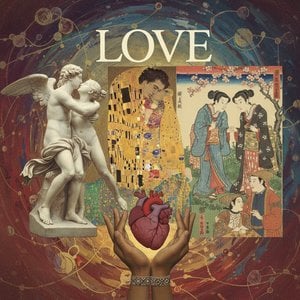
The Enduring Motif of Love in Art History: A Cross-Cultural Exploration of Representation and Emotion
Explore the rich history of love in art! Discover iconic masterpieces, artistic techniques & cultural symbolism from antiquity to modern times. Expert analysis for collectors.

Olej na płótnie: Historia, techniki i ponadczasowy urok malarskiego medium
Poznaj historię i techniki malarstwa olejowego! Od renesansowych mistrzów po współczesne zastosowania – wszystko o oleju na płótnie. Poradniki, konserwacja i inspiracje dla pasjonatów sztuki.
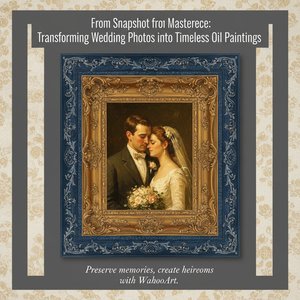
From Snapshot to Masterpiece: Transforming Wedding Photos into Timeless Oil Paintings
Transform your cherished wedding photos into stunning, heirloom-quality oil paintings. Our skilled artists create bespoke portraits that capture the emotion & legacy of your special day. Discover the art of preserving memories with ArtsDot.