


 Zobacz w skali 1:1
 Wyślij
 Udostępnij
 Szczegóły
 Przewodnik

 Pobierz plik obrazu
 Podobne obiekty
 RTG
RTG Pokaz slajdów
 Statystyki
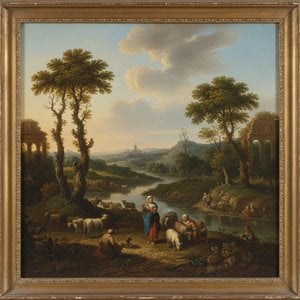
Forest Landscape
 Etching
- Baroque
 1643
1643- Early Modern
 27.0 x 32.0 cm
 Muzeum Sztuki w Budapeszcie
 Czytaj więcej
Ręcznie malowana reprodukcja olejowa
Ręcznie malowany obraz olejny na płótnie, wykonany na zamówienie przez naszych artystów w wybranym przez Ciebie wymiarze i oprawie. ( Przełącz na wersję drukowaną Przełącz na wersję cyfrową)




P118B zł10

P118H zł10

P118W zł10

P438Z zł10

P508JH zł12

P508YH zł12

P805H zł10

P805Z zł10

P919BZ zł10

P919G zł10

P919XJ zł10

P959ZH zł10

P968JZ zł12

W106C zł8

W218G zł10

W218JH zł8

W218Y zł10

W307PJ zł10

W316G zł10

W316PJ zł8

W316Y zł10

W398PJ zł8

W4111J zł10

W500HY zł15

W500JH zł15

W692G zł12

W849H zł8

W940BG zł15

W953PJ zł8




Wybierz spośród naszych standardowych rozmiarów, które zachowują oryginalne proporcje dzieła sztuki.

Wpisz wymaganą szerokość i wysokość, aby obraz pasował do Twojej ramy lub ściany. Ponieważ jest to dzieło malowane ręcznie, w przypadku rozmiaru o innym proporcji artysta może domalować nieco więcej wokół obrazu lub przyciąć fragmenty — wybór należy do Ciebie. Przed rozpoczęciem pracy prześlemy Ci cyfrową wizualizację do zatwierdzenia. Obraz widoczny na tej stronie nie przedstawia rzeczywistego efektu — jedynie wizualizacja oddaje realny rezultat.
Po złożeniu zamówienia zespół ArtsDot.com skontaktuje się z klientem drogą mailową w celu uzyskania instrukcji i prześle wizualizację projektu
Dostawa na całym świecie () w ciągu 3–4 tygodni zamiast standardowych 5 tygodni. (23 Październik). Bez kompromisów w kwestii jakości.

Bezpłatna ekspresowa wysyłka na cały świat

Wysokiej jakości płótno lniane

Pełne ubezpieczenie transportowe

Gwarancja zwrotu należności celnych i podatków importowych

Gwarancja idealnego odwzorowania barw

100-dniowy okres na zwrot dzieła w przypadku wykrycia wad produkcyjnych

Gwarancja 100% zwrotu pieniędzy

Oferta przy zakupie wielu sztuk
 Opcja ze szkłem jest dostępna wyłącznie w rozmiarach poniżej 110 cm

Forest Landscape
Technika wykonania
Rozmiar reprodukcji
-


Suma do zapłaty
zł 1109
A Journey into the Italianate Dream
To gaze upon this depiction of a forest landscape is to step across the threshold of time, transported to the sun-dappled, yet subtly shadowed corners of Italia in the early seventeenth century. This piece captures the very essence of the Dutch fascination with the Mediterranean world—a yearning for the classical grandeur and luminous atmosphere that beckoned Northern European artists away from their familiar northern skies. It speaks volumes about the cultural currents of the time, when study trips to Italy were not merely leisure pursuits but vital academic pilgrimages for painters seeking mastery.
The Hand of Jan Both: Mastering Mediterranean Light
Created around 1643 by Jan Both, this work places us squarely within his mature period. Both was a key figure in the "Dutch Italianate" movement, an artistic current defined by its deep absorption of Roman and Venetian landscape ideals. While the subject matter is profoundly natural—a gently sloping hillside descending toward placid waters, framed by dense, brooding foliage—the execution reveals a meticulous technical prowess. The style leans heavily into the detailed realism characteristic of Dutch Golden Age drawing or etching. Notice how the lines themselves become carriers of light and shadow; they are not merely outlines but carefully modulated tonal passages built through expert hatching and cross-hatching.
Technique and Atmosphere: An Etcher's Precision
The physical evidence suggests a technique rooted in drypoint or fine etching upon copper plate. This medium allowed Both to achieve an astonishing level of linear precision, giving the forest its palpable texture. The light is not harsh; rather, it is diffused, suggesting the soft veil of an overcast day or the deep cool shade beneath a canopy. This masterful handling of shadow creates an incredible sense of depth—a visual recession where foreground details give way to atmospheric haze in the distance. The organic shapes of the trees and the water’s edge are rendered with such care that one can almost hear the quiet murmur of the stream.
Symbolism of Solitude and Nature's Embrace
Beyond its technical brilliance, the painting resonates with profound emotional undertones. The subtle inclusion of small figures wandering through the woods transforms the scene from a mere topographical study into a meditation on human experience. These travelers seem absorbed in their own contemplation, dwarfed by the immensity and tranquility of nature. This quietude speaks to an era grappling with both intense artistic patronage (as Both himself experienced) and a growing appreciation for the sublime power of the natural world—a refuge from the bustling life of the city.
Bringing the Italianate Spirit Home
For the collector or designer, this reproduction offers more than just decoration; it offers an atmosphere. It is a window into scholarly aspiration, a celebration of masterful draftsmanship, and an invitation to pause. The deep greens, muted earth tones, and the silvery quality of the water lend themselves beautifully to creating a space that feels both historically rich and serenely contemporary—a perfect anchor for any room seeking the quiet dignity of a classical landscape.
Pytania i odpowiedzi
Jaki jest dominujący kolor w „Forest Landscape” autorstwa Jan Both?
Dominującym kolorem dzieła „Forest Landscape” autorstwa Jan Both jest Black (#050504).
Jaką tematykę i atmosferę łączy „Forest Landscape” autorstwa Jan Both?
„Forest Landscape” autorstwa Jan Both łączy w sobie forest landscape, dutch art, 17th century scene, serene nature, detailed drawing, italian influence, monochromatic tone z Serene atmosferą.
Z jakiego okresu pochodzi „Forest Landscape” autorstwa Jan Both?
Okres historyczny dzieła „Forest Landscape” autorstwa Jan Both to Early Modern. Ta klasyfikacja pozwala umiejscowić pracę w historii sztuki.
Podobne dzieła


Biografia artysty
Jan Both (1610-1652): Mistrz śródziemnomorskiego światła
Jan Dirksz Both był holenderskim malarzem, rysownikiem i rytownikiem, który wyłonił się jako jedna z czołowym postaci rozwijającego się nurtu krajobrazu „italiańskiego” w okresie Złotego Wieku Holandii. Urodzony około 1615/1618 roku w Utrechtu, był młodszym bratem Andriesa Both; ich ojciec, Dirck Both, malarz szkła i glazur, zaszczepił w nich wczesne zamiłowanie do artystycznego rzemiosła. Choć szczegóły biograficzne pozostają dość skąpe, badania naukowe sugerują, że edukacja Jana obejmowała nauki u Abrahama Bloemaerta i Gerrita van Honthorsta, co sytuowało go wśród najbardziej wpływowych artystów swoich czasów.- Wczesne lata i szkolenie: Formacyjne lata Botha upłynęły w Utrechtu, gdzie doskonalił swoje umiejętności u boku brata Andriesa, chłonąc techniki wywodzące się z rzemiosła glazurniczego swojego ojca – profesji głęboko zakorzenionej w tradycjach flamandzkich.
- Rzymskie wpływy: Około 1638 roku Jan i Andries wyruszyli w przełomową podróż do Rzymu przez Francję, zanurzając się w artystycznym żarze dworu papieskiego i spotykając luminarzy takich jak Bloemaert czy Gerrit van Honthorst. To doświadczenie głęboko ukształtowało ich wrażliwość stylistyczną.
Styl rzymski i współpraca z Lorrainem
Rzym okazał się tyglem dla artystycznego rozwoju Botha. Podczas gdy Andries skupiał się na scenach rodzajowych w duchu Pieters van Laera, Jan poświęcił się przede wszystkim malarstwu pejzażowemu – stylowi silnie zadłużonemu u Claude’a Lorraina – chwytając eteryczne piękno regionu Morza Śródziemnego z niespotykaną biegłością w operowaniu światłem i kolorem. Warto zaznaczyć, że blisko współpracował z Hermanem van Swaneveltem przy monumentalnym projekcie dla pałacu Buen Retiro w Madrycie, demonstrując swoją ambicję i kunszt artystyczny w najwyższych kręgach europejskiego mecenatu. To partnerstwo ugruntowało reputację Botha jako wiodącego innowatora w dziedzinie pejzażu.Wybitne dzieła i cechy artystyczne
Twórczość Botha charakteryzuje się rozległymi, pełnymi wyobraźni krajobrazami skąpanymi w świetlistym, złotym blasku – co stanowiło znak rozpoznawczy stylu Lorraina i było odzwierciedleniem szerszych prądów artystycznych krążących wówczas po całej Europie. Jego arcydzieło, „Pejzaż z bandytami prowadzącymi więźniów” (Museum of Fine Arts, Boston), stanowi doskonały przykład tego estetycznego blasku. Diagonalna droga przyciąga wzrok widza w głąb sceny, zestawiając realistyczne postaci z tłem idyllicznych widoków wypełnionych pieczołowicie oddaną roślinnością. Powracającymi motywami są postacie religijne lub mitologiczne – jak widać w „Sądzie Parysa” (Londyn, National Gallery) – często kreślone przez innych artystów z Utrechtu, takich jak Cornelis van Poelenburch, co podkreśla zaangażowanie Botha w ideały humanistyczne i konwencje artystyczne.Dziedzictwo i wpływ
Brat Jana, Andries, tragicznie zmarł na chorobę w Wenecji podczas ich powrotnej podróży z Rzymu. Mimo krótkiego życia, Andries zapisał się jako szanowany artysta specjalizujący się w scenach chłopskich – gatunku odzwierciedlającym ówczesne realia społeczne. Artystyczne dziedzictwo Jana Botha wykracza jednak poza pojedyncze płótna; był on nauczycielem utalentowanych uczniów, takich jak Barend Bispinck i Willem de Heusch, dbając o to, by jego stylistyczne innowacje inspirowały kolejne pokolenia twórców. Jego dzieła pozostają cenione za ewokatywną atmosferę, mistrzowską technikę oraz wkład w rozwój holenderskiego malarstwa pejzażowego – co stanowi świadectwo trwałego wpływu Botha na historię sztuki europejskiej.Kolekcje
- Fitzwilliam Museum w Cambridge
- Ermitaż, Sankt Petersburg
- Kunsthistorisches Museum, Wiedeń
- Luwr, Paryż
- Mauritshuis Royal Picture Gallery

Jan Both
1610 - 1652 , Holandia
Najważniejsze informacje
- Artistic Movement Or Style: Malarstwo pejzażowe w stylu włoskim
- Artists Or Movements Influenced By This Artist: ['Claude Lorrain']
- Artists Who Influenced This Artist:
- Abraham Bloemaert
- Gerrit van Honthorst
- Date Of Birth: Utrecht, Holandia (1610)
- Date Of Death: 9 sierpnia 1652
- Full Name: Jan Dirksz Both
- Nationality: Holender
- Notable Artworks:
- Święta Anna z Maryją i Dzieciątkiem
- Pejzaż z bandytami prowadzącymi więźniów
- Wyrok Parysa
- Place Of Birth: Utrecht
Zobacz także powiązane artykuły

Złoty Wiek Holandii: 10 arcydzieł, które zmieniły historię sztuki | ArtsDot.com
Odkryj 10 arcydzieł Złotego Wieku Holandii! Poznaj historię Rembrandta, Vermeera i innych mistrzów. Reprodukcje obrazów najwyższej jakości do Twojego wnętrza – ArtsDot.com.

Golden Light & Dutch Skies: Bringing the Magic of Dutch Golden Age Landscapes into Your Home
Transform your home with the breathtaking light of Dutch Golden Age landscapes. Discover how hand-painted oil reproductions of masterworks like Ruisdael and Vermeer bring timeless elegance, atmosphere, and soulful texture to modern interiors. Elevate your space with museum-quality art.

Charles Leickert: Capturing the Dutch Golden Age Light – A Comprehensive Study of Technique, Context, and Legacy
Explore the captivating winter landscapes of Charles Leickert, a master of Dutch Golden Age light & atmosphere. Discover his techniques, symbolism, and lasting legacy – a comprehensive study for art enthusiasts and collectors.
Nicolaes Berchem: Dutch Golden Age Pastoralism & the Evolution of Landscape Painting
Explore the captivating world of Nicolaes Berchem, a leading Dutch Golden Age painter. Discover his idyllic landscapes, masterful technique & lasting influence on art history. Learn more at ArtsDot.

Złoty Wiek Niderlandów: Światło, Realizm i Kulturowe Innowacje w Malarstwie Barokowym
Odkryj fascynujący świat malarstwa holenderskiego Złotego Wieku! Poznaj arcydzieła Rembrandta, Vermeera i innych mistrzów. Analiza technik, gatunków i wpływu na sztukę europejską.
