


 Podgląd w skali
 Wyślij jako kartkę
 Udostępnij
 Szczegóły dzieła

 Pobierz
 Podobne obiekty
 RTG
RTG Pokaz slajdów
 Statystyki
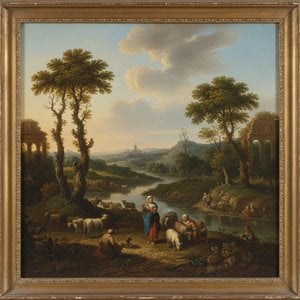
Imaginary Italian Landscape


 Rozwiń treść
Giclée / Wydruk artystyczny
Druk giclée lub płótno o jakości muzealnej, szybka realizacja i szeroki wybór opcji wykończenia. ( Zamów ręcznie malowaną reprodukcję Przełącz na obraz cyfrowy)




P118B $10

P118H $10

P118W $10

P438Z $10

P508JH $12

P508YH $12

P805H $10

P805Z $10

P919BZ $10

P919G $10

P919XJ $10

P959ZH $10

P968JZ $12

W106C $8

W218G $10

W218JH $8

W218Y $10

W307PJ $10

W316G $10

W316PJ $8

W316Y $10

W398PJ $8

W4111J $10

W500HY $15

W500JH $15

W692G $12

W849H $8

W940BG $15

W953PJ $8




Wybierz spośród naszych standardowych rozmiarów, które zachowują oryginalne proporcje dzieła sztuki.

Możesz wprowadzić własne wymiary, aby dopasować dzieło do konkretnej ramy lub przestrzeni. Jeśli wybrany rozmiar nie będzie odpowiadał proporcjom oryginalnego obrazu, przytniecie dzieło lub rozszerzymy obraz za pomocą odbicia lustrzanego lub jednolitego wypełnienia krawędzi. Przed rozpoczęciem produkcji prześlemy cyfrową wizualizację do Twojej akceptacji.
Prosimy pamiętać, że podgląd na ekranie nie odzwierciedla faktycznego przycinania ani rozszerzania. Tylko wizualizacja dokładnie pokaże końcową kompozycję.
Mimo dostępności niestandardowych rozmiarów, zalecamy wybór wymiaru z listy zdefiniowanej, aby zachować oryginalne proporcje.
Dostawa na cały świat () w ciągu 2 tygodni zamiast standardowych 4/5 tygodni. (11 Wrzesień)

Bezpłatna ekspresowa wysyłka na cały świat

Wysokiej jakości płótno lniane

Pełne ubezpieczenie przesyłki

Gwarancja zwrotu należności celnych i podatków importowych

Gwarancja wiernego odwzorowania kolorów

100-dniowa polityka zwrotów (tylko w przypadku wad)

Gwarancja 100% zwrotu kosztów

Zniżka przy zamówieniu wielu produktów
 Opcja ze szkłem jest dostępna wyłącznie w rozmiarach poniżej 110 cm

Imaginary Italian Landscape
Giclée / Wydruk artystyczny
Wymiary reprodukcji
-


Cena całkowita
$ 62
Jan Asselijn’s Imaginary Italian Landscape: A Reflection of Faith and Artistic Innovation
The year is 1652. Amsterdam thrives as a center of artistic brilliance, yet Jan Asselijn’s gaze turned south – specifically to Italy – where he embarked on a transformative journey that irrevocably shaped his artistic sensibilities and cemented his place within the pantheon of Dutch Golden Age painters.
Asselijn's work embodies the spirit of the era, capturing not merely visual beauty but also profound emotional resonance. “Imaginary Italian Landscape,” housed in private collections worldwide, exemplifies this characteristic. It’s a scene brimming with life – figures strolling along a waterfront promenade amidst statues and accompanied by dogs, all bathed in the diffused glow of an expansive sky dotted with clouds.
Style and Technique: Embracing Atmospheric Perspective
Unlike the rigid conventions of earlier Baroque landscapes, Asselijn eschewed dramatic chiaroscuro—the stark contrasts between light and dark—favoring instead a technique that prioritizes atmospheric perspective. This masterful approach skillfully renders depth and distance through subtle gradations of color and tonal variation. Notice how blues deepen into indigo as they recede into the background, creating an illusion of vastness and conveying a sense of serenity.
Historical Context: The Huguenot Diaspora and Artistic Renaissance
Asselijn’s artistic development coincided with the turbulent period of Huguenot emigration from France. Forced to flee religious persecution, his family sought refuge in Amsterdam, exposing him to an environment acutely aware of intellectual ferment and artistic revival. This backdrop fueled Asselijn's fascination with Italian landscape painting—a genre that had experienced a resurgence during the Renaissance, championed by artists like Leonardo da Vinci and Raphael.
The influence of these masters is palpable in Asselijn’s composition. The careful placement of statues – symbols of classical ideals – underscores the humanist ethos prevalent at the time. Furthermore, the inclusion of dogs—often interpreted as emblems of loyalty and companionship—adds a layer of narrative complexity to the scene.
Symbolism: Light, Tranquility, and Spiritual Reflection
Beyond its visual splendor, “Imaginary Italian Landscape” speaks volumes about Asselijn’s artistic vision. The dominant use of light – soft, diffused, reminiscent of Florentine skies – symbolizes enlightenment and spiritual contemplation. It invites the viewer to pause and appreciate the beauty of the natural world as a reflection of divine grace.
The tranquil promenade depicted suggests an idealized vision of human existence—a harmonious coexistence with nature underpinned by moral virtue. Asselijn’s ability to convey such profound emotion through meticulous observation and skillful execution distinguishes him as one of the most accomplished landscape painters of his generation.
Podobne dzieła


O artyście
A Life Forged in Landscape: The World of Jan Asselijn
Born Jean Asselin around 1610 in Dieppe, France, Jan Asselijn’s life unfolded against the backdrop of religious upheaval and artistic transformation—a formative experience that would ultimately define his distinctive contribution to the Dutch Golden Age. His family, Huguenots fleeing persecution, relocated to Amsterdam in 1621, a vibrant epicenter of commerce and burgeoning artistic innovation during this period. This pivotal move immersed young Jean into an environment where landscape painting was undergoing a profound metamorphosis, surpassing traditional representations toward scenes imbued with heightened atmospheric intensity and emotional resonance. Initially apprenticed under Jan Martszen the Younger, Asselijn honed his skills in battle paintings before discovering his true vocation—the art of capturing the splendor and drama inherent in both natural vistas and animal life. The Dutch light – expansive skies brimming with color and luminosity – swiftly became a cornerstone of his artistic vision, an element that would permeate his oeuvre throughout his career.The Italianate Embrace & The Bentvueghels
Like many ambitious Northern European painters of the era, Asselijn recognized the importance of refinement in Italy, likely arriving sometime after 1635. This journey proved transformative, propelling him into the orbit of the *Bentvueghels*, a remarkable society comprised of Dutch and Flemish artists operating in Rome. These “Birds of a Feather,” as they affectionately termed themselves, defied convention with their unorthodox behavior—characterized by spirited nicknames and unwavering dedication to painting directly from observation—rejecting the constraints imposed by studio practice. Within this lively community, Asselijn earned the moniker "Krabbetje" (little crab) due to a congenital deformity affecting his left hand, yet he persevered creatively, absorbing influences from luminaries such as Pieter van Laer (Bamboccio), whose depictions of Roman peasant life and landscapes resonated deeply with Asselijn’s evolving aesthetic sensibilities. This period solidified his mastery of capturing light and color—a technique that would become synonymous with the Italianate style and distinguish his work from many contemporaries.Mastering Light & Symbolism: Key Works
Asselijn's artistic output reflected a profound engagement with both formal innovation and symbolic interpretation. His paintings are distinguished by remarkable clarity of execution and an unparalleled sensitivity to light—qualities that swiftly garnered him acclaim among fellow artists and critics alike. While he produced historical and battle scenes, it was his landscapes and animal paintings that truly cemented his reputation as one of the era’s foremost practitioners. The Threatened Swan, completed around 1645-1652, stands as Asselijn's most celebrated masterpiece—a work that transcends mere visual representation to embody a powerful allegory of Dutch national resilience against external pressures. More than simply depicting a bird defending its nest against a predator, this painting became a poignant emblem of Johan de Witt’s leadership during the siege of Dunkirk—a moment of crisis that galvanized patriotic fervor. The swan's defiant posture and unwavering determination mirrored the spirit of resistance prevalent throughout the Netherlands at the time, prompting scholarly debate regarding its symbolic significance. Further exemplifying his artistic prowess is Cavalry Charge at Sunset, showcasing his formative training in battle painting with dramatic flair—a testament to his ability to convey movement and emotion through meticulous detail. Asselijn’s explorations of rural life extended beyond mere topographical accuracy; he sought to infuse his canvases with a sense of atmosphere and narrative—characteristics that elevated his work above the commonplace and imbued it with enduring artistic merit. Notable among his landscapes are depictions of serene waterways, expansive meadows dotted with wildflowers, and dramatic mountain vistas—each rendered with meticulous observation and infused with subtle tonal harmonies.Influence & Legacy: A Lasting Impression
Jan Asselijn’s influence extended far beyond his own prolific output, shaping the artistic landscape of his time and inspiring subsequent generations of painters. He was particularly admired by Rembrandt van Rijn, who even created an etching portraying Asselijn at work—a gesture that subtly acknowledged the artist's physical disability while simultaneously recognizing his exceptional talent. Furthermore, Asselijn served as a mentor to Frederik de Moucheron, another prominent Dutch landscape painter whose style mirrored Asselijn’s own distinctive approach. His unwavering commitment to capturing the beauty and drama of nature established him as a pivotal figure within the Italianate tradition—a movement that championed idealized vistas and luminous color palettes. Today, Asselijn's paintings reside in prestigious collections worldwide—most notably the Rijksmuseum in Amsterdam—ensuring his legacy endures as a cornerstone of Dutch Golden Age art and cementing his place among the most accomplished artists of his era.
Jan Asselijn
1610 - 1652 , Francja
Krótka nota
- Artistic Movement Or Style: Italianate pejzażysty
- Artists Or Movements Influenced By This Artist: ['Rembrandt']
- Artists Who Influenced This Artist:
- Esaias van de Velde
- Claude Lorraine
- Pieter van Laer
- Date Of Birth: ok. 1610
- Date Of Death: 1652
- Full Name: Jan Asselijn
- Nationality: Holenderski
- Notable Artworks:
- Świętego Antoniego Dykę Przepięć nad Amsterdami
- Żołnierze przy sztandarze
- Atak kawalerii
- Place Of Birth: Dieppe, Francja
Powiązane artykuły

Jan Jansz Wijnants: A Study in Dutch Golden Age Still Life & Floral Transience
Explore the captivating world of Jan Wijnants and Dutch Golden Age still life painting. Discover symbolism, masterful techniques & lasting influence on floral art history. Learn more!

Golden Light & Dutch Skies: Bringing the Magic of Dutch Golden Age Landscapes into Your Home
Transform your home with the breathtaking light of Dutch Golden Age landscapes. Discover how hand-painted oil reproductions of masterworks like Ruisdael and Vermeer bring timeless elegance, atmosphere, and soulful texture to modern interiors. Elevate your space with museum-quality art.

Złoty Wiek Holandii: 10 arcydzieł, które zmieniły historię sztuki | ArtsDot.com
Odkryj 10 arcydzieł Złotego Wieku Holandii! Poznaj historię Rembrandta, Vermeera i innych mistrzów. Reprodukcje obrazów najwyższej jakości do Twojego wnętrza – ArtsDot.com.

Charles Leickert: Capturing the Dutch Golden Age Light – A Comprehensive Study of Technique, Context, and Legacy
Explore the captivating winter landscapes of Charles Leickert, a master of Dutch Golden Age light & atmosphere. Discover his techniques, symbolism, and lasting legacy – a comprehensive study for art enthusiasts and collectors.
Nicolaes Berchem: Dutch Golden Age Pastoralism & the Evolution of Landscape Painting
Explore the captivating world of Nicolaes Berchem, a leading Dutch Golden Age painter. Discover his idyllic landscapes, masterful technique & lasting influence on art history. Learn more at ArtsDot.
