


 Podgląd w skali 1:1
 Wyślij jako kartkę
 Udostępnij
 Szczegóły dzieła
 Przewodnik

 Pobierz obraz
 Podobne obiekty
 RTG
RTG Pokaz slajdów
 Statystyki
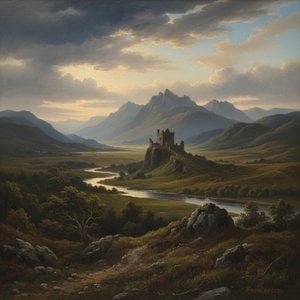
Landscape
 Acrylic On Canvas
- WallArt
- Romanticism
 1885
1885 14.0 x 19.0 cm
 Royal Scottish Academy of Art - Architecture
 Rozwiń treść
Ręcznie malowana reprodukcja olejowa
Ręcznie malowany obraz olejny na płótnie, wykonany na zamówienie przez naszych artystów w wybranym przez Ciebie wymiarze i oprawie. ( Przełącz na wydania drukowane Przejdź do wersji cyfrowej)




P118B zł10

P118H zł10

P118W zł10

P438Z zł10

P508JH zł12

P508YH zł12

P805H zł10

P805Z zł10

P919BZ zł10

P919G zł10

P919XJ zł10

P959ZH zł10

P968JZ zł12

W106C zł8

W218G zł10

W218JH zł8

W218Y zł10

W307PJ zł10

W316G zł10

W316PJ zł8

W316Y zł10

W398PJ zł8

W4111J zł10

W500HY zł15

W500JH zł15

W692G zł12

W849H zł8

W940BG zł15

W953PJ zł8




Wybierz spośród naszych standardowych rozmiarów, które zachowują oryginalne proporcje dzieła sztuki.

Wpisz wymaganą szerokość i wysokość, aby obraz pasował do Twojej ramy lub ściany. Ponieważ jest to dzieło malowane ręcznie, w przypadku rozmiaru o innych proporcjach artysta może domalować nieco więcej wokół obrazu lub przyciąć jego fragmenty — wybór należy do Ciebie. Przed rozpoczęciem pracy prześlemy Ci cyfrową wizualizację do zatwierdzenia. Obraz widoczny na tej stronie nie przedstawia rzeczywistego efektu — jedynie wizualizacja oddaje realny rezultat.
Po złożeniu zamówienia zespół ArtsDot.com skontaktuje się z klientem drogą mailową w celu uzyskania instrukcji i prześle wizualizację projektu
Dostawa na całym świecie () w ciągu 3–4 tygodni zamiast standardowych 5 tygodni. (25 Październik). Bez kompromisów w kwestii jakości.

Bezpłatna ekspresowa wysyłka na cały świat

Wysokiej jakości płótno lniane

Pełne ubezpieczenie przesyłki

Gwarancja zwrotu należności celnych i podatków importowych

Gwarancja wiernego odwzorowania kolorów

100-dniowa polityka zwrotów (tylko w przypadku wad)

Gwarancja 100% zwrotu pieniędzy

Zniżka przy zakupie wielu sztuk
 Opcja ze szkłem jest dostępna wyłącznie w rozmiarach poniżej 110 cm

Landscape
Technika reprodukcji
Wymiary reprodukcji
-


Cena całkowita
zł 1009
James Nasmyth: Pioneer of Steam Power and Landscape Painting
James Nasmyth (1808–1890) stands as an extraordinary figure—a Scottish engineer, philosopher, artist, and inventor whose legacy extends far beyond the realm of mechanics. While celebrated for his groundbreaking contribution to industrial innovation, particularly the steam hammer, Nasmyth’s artistic pursuits reveal a profound appreciation for the beauty of nature and a masterful ability to translate that observation onto canvas. This dual vocation—scientific ingenuity coupled with artistic sensibility—defines him as one of Scotland's most remarkable cultural innovators.- Early Life & Education: Born in Edinburgh, Nasmyth’s formative years were shaped by his father’s passion for landscape painting and his own burgeoning fascination with mechanics. His apprenticeship at Henry Maudslay’s workshop instilled a disciplined approach to craftsmanship and fostered an understanding of precision engineering—skills that would prove invaluable throughout his life.
- Engineering Achievements: Nasmyth revolutionized iron forging with the invention of the steam hammer, dramatically reducing processing time and elevating quality standards. He spearheaded the construction of numerous locomotives for prominent railways like the Great Western Railway, demonstrating a commitment to technological advancement that benefited both Scotland and Britain.
- Landscape Painting Style & Influences: Nasmyth’s artistic style was deeply rooted in Romanticism, mirroring the movement's emphasis on emotion and the sublime experience of confronting nature’s grandeur. He drew inspiration from artists like Peder Mork Monsted and Paul Gauguin, whose explorations of color and technique resonated with his own aesthetic sensibilities.
- Notable Works: Among Nasmyth’s most enduring achievements are Rosneath House and Dunglass Castle—architectural projects that showcased his artistic vision alongside his engineering prowess. His landscapes capture the essence of Scotland's dramatic scenery, conveying a sense of tranquility and awe through meticulous detail and harmonious color palettes.
- Symbolism & Emotional Impact: Nasmyth’s paintings aren’t merely representations of places; they are meditations on the relationship between humanity and the natural world. The use of muted earthy tones evokes feelings of warmth and contemplation, inviting viewers to immerse themselves in the serene beauty of his compositions—a testament to his belief that art could elevate the human spirit.
The Landscape Painting Technique: Romanticism Revisited
Nasmyth’s approach to landscape painting reflected the core tenets of Romanticism, prioritizing emotional response over purely descriptive accuracy. He meticulously studied geological formations and atmospheric conditions—a practice informed by his scientific background—to capture the essence of a scene's mood and grandeur. Like Monsted and Gauguin, Nasmyth skillfully employed color palettes that prioritized tonal harmony and subtle gradations to convey depth and atmosphere. The inclusion of distant mountains and hazy skies created an illusion of vastness, mirroring the Romantic fascination with sublime landscapes capable of inspiring awe and wonder.Connections to Other Artists: Monsted & Gauguin
Peder Mork Monsted’s paintings exemplify a similar stylistic trajectory—a dedication to portraying natural beauty with unwavering realism while maintaining an artistic sensibility. His works share Nasmyth's commitment to capturing the textures and colors of the Scottish Highlands, reflecting a shared appreciation for observation and meticulous detail. Paul Gauguin, on the other hand, pushed beyond mere representation, experimenting with bold color combinations and simplified forms—a stylistic divergence from Nasmyth’s more restrained palette but nonetheless united by a desire to express profound emotion through visual imagery.James Nasmyth's Legacy: Beyond Steam Power
James Nasmyth’s contribution to engineering history is undeniable, transforming iron forging and propelling the railway age forward. However, his artistic legacy—particularly his landscape paintings—offers a glimpse into a more contemplative side of this brilliant innovator. These works stand as enduring symbols of Scotland's natural heritage and demonstrate Nasmyth’s conviction that art could enrich human experience by fostering appreciation for beauty and tranquility—a timeless message conveyed through masterful technique and evocative imagery.Pytania i odpowiedzi
Czy mogę przyjrzeć się bliżej dziełu "Landscape"?
Widok rentgenowski dzieła „Landscape” – James Nasmyth jest dostępny na stronie Analiza rentgenowska: to interaktywna analiza obrazu obejmująca jedenaście warstw optycznych.
Jak zbudowana jest kompozycja kolorystyczna „Landscape” – James Nasmyth?
Analiza kolorystyczna dzieła „Landscape” – James Nasmyth ukazuje Bold kontrast oraz Discordant Palette harmonię.
Czy dzieło „Landscape” – James Nasmyth, znajdujące się w zbiorach Royal Scottish Academy of Art - Architecture, może być legalnie reprodukowane?
Oryginał dzieła „Landscape” znajduje się w Royal Scottish Academy of Art - Architecture, a utwór jest należy do domeny publicznej – autorskie prawa majątkowe wygasły.
Podobne dzieła


Biografia artysty
Early Life and Education
- Born: August 19, 1808, Edinburgh, United Kingdom
- Died: May 7, 1890
- Parents: Alexander Nasmyth (painter) and Barbara Foulis
- Early exposure to mechanics through his father’s workshop.
- Attended the Royal High School in Edinburgh.
- Studied at the Edinburgh School of Arts (later Heriot-Watt University), demonstrating early mechanical aptitude.
- Constructed a working model of a high-pressure steam engine at age 17, showcasing his skills.
Career and Inventions
- Apprenticed to Henry Maudslay in London, gaining experience in machine manufacturing.
- Established his own machine shop in Manchester in 1834.
- Founded Nasmyth, Gaskell and Company (Bridgewater Foundry) in 1836, specializing in machine tools and steam engines.
- Major Invention: The Steam Hammer – revolutionized iron forging by significantly reducing processing time and improving quality. Patented in 1842.
- Manufactured over 100 steam locomotives and various other machines like pumps and hydraulic presses.
- Developed pile drivers for marine construction projects.
Artistic Pursuits and Later Life
- Retired at age 48 to Penshurst, Kent in 1856.
- Dedicated himself to hobbies including astronomy, photography, and painting.
- Authored "The Moon: Considered as a Planet, a World, and a Satellite" (1874), demonstrating his interest in astronomical observation.
- Created detailed drawings and illustrations of machinery throughout his career, showcasing artistic talent alongside engineering skills.
Influences and Historical Significance
- Influence: Henry Maudslay – Nasmyth’s apprenticeship under Maudslay provided crucial experience in precision machining.
- Impact: The steam hammer significantly advanced the Industrial Revolution, enabling larger-scale metalworking operations.
- Contribution to Engineering: Emphasized efficiency and control in machinery design.
- Legacy: Recognized as a key figure in British engineering and innovation during the Victorian era.
Philosophical Views and Opposition to Organized Labor
- Nasmyth held strong views on labor, opposing organized labor movements.
- He believed in individual effort and responsibility rather than collective bargaining.
- His philosophical stance reflected a broader perspective prevalent among industrialists of his time.
- These beliefs shaped his approach to managing his workforce and contributed to his overall legacy.

James Nasmyth
1808 - 1890 , United Kingdom
Krótka nota
- Full Name: James Hall Nasmyth
- Nationality: Scottish
- Date Of Birth: 1808
- Date Of Death: 1890
- Place Of Birth: Edinburgh, United Kingdom
- Artistic Movement Or Style: Engineer and Inventor
- Artists Who Influenced This Artist: ['Henry Maudslay']
Powiązane artykuły

James Abbott McNeill Whistler: 25 Arcydzieł Sztuki Pejzażowej i Portretowej | ArtsDot
Odkryj 25 arcydzieł Jamesa Abbotta McNeilla Whistler'a! Poznaj historię impresjonistycznych pejzaży, portretów i słynnych 'Nokturnów'. Reprodukcje obrazów najwyższej jakości na ArtsDot.com – inspiracje dla Twojego wnętrza.

Patrick Nasmyth: A Scottish Romantic's Vision of History & the Grand Manner
Explore the captivating landscapes of Patrick Nasmyth, a key figure in Scottish Romanticism. Discover his Dutch influences, embrace of the Grand Manner, and lasting artistic legacy. Learn more at ArtsDot.

Sir Alfred James Munnings: 25 Arcydzieł Malarstwa Koni i Angielskiej Wsi | ArtsDot.com
Odkryj 25 arcydzieł Sir Alfreda Jamesa Munningsa – mistrza malarstwa koni i angielskiego krajobrazu. Poznaj historię, technikę i piękno jego obrazów. Reprodukcje najwyższej jakości na ArtsDot.com! Eksploruj pełną kolekcję online.

James Giles: Capturing Scottish Life Through the Lens of British Realism
Explore the life & work of James Giles (1801-1870), a master of Scottish landscape painting and favored artist of Queen Victoria. Discover his atmospheric realism & royal commissions.
Alexander Nasmyth: Picturing Scotland's Romantic Landscape – Innovation & Identity
Explore the life & art of Alexander Nasmyth, a pivotal figure in Scottish Romantic landscape painting. Discover his iconic works, including portraits of Robert Burns, and learn about his lasting influence on national identity. Fine art reproductions available.
