


 Zobacz w skali 1:1
 Wyślij
 Udostępnij
 Szczegóły
 Przewodnik

 Pobierz plik obrazu
 Podobne obiekty
 RTG
RTG Pokaz slajdów
 Statystyki
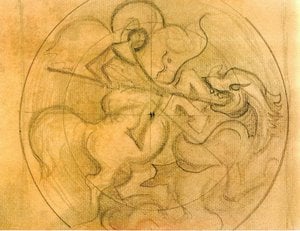
Untitled (976)
 Czytaj więcej
Giclée / Wydruk artystyczny
Wydruki giclée lub płótna o jakości muzealnej, szybka realizacja i szeroki wybór opcji wykończenia. ( Kup ręcznie malowany obraz Przełącz na wersję cyfrową)




































Wybierz spośród naszych standardowych rozmiarów, które zachowują oryginalne proporcje dzieła sztuki.

Możesz wprowadzić własne wymiary, aby dopasować dzieło do konkretnej ramy lub przestrzeni. Jeśli wybrany rozmiar nie będzie odpowiadał proporcjom oryginalnego obrazu, przytniecie dzieło lub rozszerzymy obraz za pomocą odbicia lustrzanego lub jednolitego wypełnienia krawędzi. Przed rozpoczęciem produkcji prześlemy cyfrową wizualizację do Twojej akceptacji.
Prosimy pamiętać, że podgląd na ekranie nie odzwierciedla faktycznego przycinania ani rozszerzania. Tylko wizualizacja dokładnie pokaże końcową kompozycję.
Mimo dostępności niestandardowych rozmiarów, zalecamy wybór wymiaru z listy zdefiniowanej, aby zachować oryginalne proporcje.
Dostawa na cały świat () w ciągu 2 tygodni zamiast standardowych 4/5 tygodni. (23 Wrzesień)

Bezpłatna ekspresowa wysyłka na cały świat

Wysokiej jakości płótno lniane

Pełne ubezpieczenie transportowe

Gwarancja zwrotu należności celnych i podatków importowych

Gwarancja idealnego odwzorowania barw

100-dniowy okres na zwrot dzieła w przypadku wykrycia wad produkcyjnych

Gwarancja 100% zwrotu pieniędzy

Oferta przy zakupie wielu sztuk
 Opcja ze szkłem jest dostępna wyłącznie w rozmiarach poniżej 110 cm

Untitled (976)
Giclée / Wydruk artystyczny
Rozmiar reprodukcji
-


Suma do zapłaty
$ 62
Podobne dzieła


Biografia artysty
James Gleeson: Architekt Australijskiego Surrealizmu
James Timothy Gleeson (1915-2008) nie był jedynie artystą; był zaklinaczem krajobrazów, tkaczem koszmarów i snów, a bez wątpienia pierwszym prawdziwym surrealistą w Australii. Wyłaniając się z powojennego pejzażu artystycznego, Gleeson wykuł unikalną wizję – świat przesiąknięty pierwotnymi lękami, echem mitologii i psychoanalizy – która do dziś budzi silne emocje. Jego twórczość wymyka się prostym klasyfikacjom; to potężna mieszanka australijskiej tożsamoł, europejskich wpływów i głęboko osobistego symbolizmu, ujętego w odważnych, impastowych płótnach, które domagają się uwagi i zapraszają do kontemplacji.
Urodzony w Hornsby, w Nowej Południowej Walii, Gleeson wczesne lata życia naznaczone były głębokim poczuciem wyobcowania. Prowadzenie hotelu przez jego rodzinę pozwoliło mu zajrzeć w mroczniejsze zakamarki australijskiego społeczeństwa, podczas gdy jego artystyczne skłonności zostały pielęgnowane dzięki kontaktom z wpływowymi postaciami, takimi jak May Marsden, która skierowała go ku malarstwu jako ujściu dla narastających niepokojów. Ten formacyjny okres zaszczepił w nim fascynację podświadomością oraz pragnienie konfrontacji z niewygodną prawdą – motyw, który stał się centralnym punktem jego całego dorobku. Choć początkowe szkolenie w East Sydney Technical College położyło fundamenty pod jego warsztat, to dopiero zanurzenie w dziełach Dalego, Massona, Freuda i Junga prawdziwie rozbudziło jego surrealistyczną wrażliwość.
Geneza Wizji
Artystyczna podróż Gleessona rozpoczęła się od świadatego odrzucenia konwencjonalnej reprezentacji. Zainspirowany europejskimi surrealistami – w szczególności badaniem oniryzmu przez Dalego oraz organiczną abstrakcją Massona – dążył do obejścia ograniczeń percepcji wzrokowej, pragnąc uchwycić surową energię nieświadomego umysłu. Jego wczesne prace, takie jak „Siewca” (1944), już wówczas zwiastowały te ambicje, prezentując zdeformowany krajobraz zamieszkany przez enigmatyczne postaci, zdające się wyłaniać z wirującego wiru barw i form. Było to odejście od tradycyjnej sztuki australijskiej, skupionej zazwyczaj na scenach pasterskich i idealizowanych pejzażach; Gleeson wytyczał zupełnie nową ścieżkę.
Era powojenna, z jej lękami dotyczącymi faszyzmu i wiszącym zagrożeniem globalnego konfliktu, głęboko ukształtowała jego artystyczne zainteresowania. Te obawy przekuł w potężną, apokaliptyczną twórczość – rozległe, jałowe krajobrazy zdominowane przez monumentalne formacje skalne, zatopione postacie i niepokojące zestawienia. Nie były to zwykłe przedstawienia natury; stanowiły one symboliczne reprezentacje kruchej pozycji ludzkości w chaotycznym wszechświecie. Jego malarstwo stało się wizualną medytacją nad śmiertelnością, nietrwałością istnienia i nieprzemijającą siłą pierwotnych instynktów.
Język Symbolizmu
Obrazy Gleessona są nasycone symboliką, czerpiąc z mitologii, folkloru i teorii psychoanalitycznej, by tworzyć wielowarstwowe znaczenia. Powracający motyw męskiego aktu – często przedstawianego jako samotna postać wyłaniająca się z wzburzonych wód lub kruszejących ruin – reprezentuje bezbronność, śmiertelność i walkę o samowiedzę. Wykorzystanie ochrowych tonów, przywodzących na myśl australijski outback, tworzy poczucę jednocześnie swojskości i obcości, osadzając jego surrealistyczne wizje w krajobrazie ojczyzny, a jednocześnie nadając im ponadczasowy, niemal biblijny charakter.
Jego późniejsze dzieła, w szczególności diptyki „Ubu” (lata 70.), stanowią doskonały przykład tego symbolicznego języka. Te monumentalne płótna przedstawiają zatopione postacie i niszczejące struktury, sugerując upadek cywilizacji i nieuchronny powrót do pierwotnego chaosu. Jednak pośród tej destrukcji kryje się dziwne piękno – poczucie odporności i trwania ducha – które przemawia do ludzkiej zdolności do przetrwania i odrodzenia.
Dziedzictwo i Uznanie
Wpływ Jamesa Gleessona na sztukę australijską jest niezaprzeczalny. Był pionierem w ustanawianiu surrealizmu jako pełnoprawnego ruchu artystycznego w kraju, rzucając wyzwanie tradycyjnym pojęciom piękna i reprezentacji. Jego twórczość jest nadal studiowana i podziwiana za emocjonalną intensywność, symboliczną głębię i unikalny język wizualny.
W 2004 roku National Gallery of Australia zorganizowała kompleksową wystawę retrospektywną pt. „Beyond the Screen of Sight”, która ugruntowała jego pozycję jako jednego z najważniejszych artystów Australii. Wystawa ta przyciągnęła ogromną uwagę publiczną i podkreśliła ponadczasową aktualność jego dzieł. Jego dziedzictwo wykracza jednak poza malarstwo; był również szanowanym krytykiem sztuki, wykładowcą, kuratorem i pisarzem, wnosząc znaczący wkład w rozwój historii sztuki australijskiej. Jego kolekcja została przekazana Narodowej Galerii Australii w 2007 roku, co gwarantuje, że jego wizjonerskie prace będą nadal inspirować kolejne pokolenia artystów i widzów.
Trwałe Wrażenie
Obrazy Jamesa Gleessona to nie tylko piękne obrazy; to głębokie manifesty dotyczące ludzkiej kondycji. Konfrontują nas z naszymi lękami, niepokojami i śmiertelnością, oferując jednocześnie wgląd w ukryte głębie nieświadomego umysłu. Jego twórczość pozostaje potężnym świadectwem trwałej mocy sztuki, która potrafi rzucić wyzwanie, sprowokować, a ostatecznie – rozświetlić tajemnice istnienia.

James Gleeson
1915 - 2008 , Australia
Najważniejsze informacje
- Artistic Movement Or Style: Surrealizm
- Artists Or Movements Influenced By This Artist:
- Robert Klippel
- Australijski surrealizm
- Artists Who Influenced This Artist:
- Salvador Dalí
- Max Ernst
- Sigmund Freud
- Carl Jung
- Date Of Birth: 21 listopada 1915
- Date Of Death: 20 października 2008
- Full Name: James Timothy Gleeson
- Nationality: Australijczyk
- Notable Artworks:
- Bez tytułu (530)
- Bez tytułu (723)
- Bez tytułu (973)
- Place Of Birth: Sydney, Australia