

 Podgląd w skali 1:1
 Wyślij jako kartkę
 Udostępnij
 Szczegóły dzieła
 Przewodnik

 Pobierz obraz
 Podobne obiekty
 RTG
RTG Pokaz slajdów
 Q&A
Q&A Statystyki
Crevettes et coquillages


 Rozwiń treść
Giclée / Wydruk artystyczny
Wydruki giclée lub płótna o jakości muzealnej, szybka realizacja i szeroki wybór opcji wykończenia. ( Zamów ręcznie malowaną reprodukcję Przejdź do wersji cyfrowej)




P118B zł10

P118H zł10

P118W zł10

P438Z zł10

P508JH zł12

P508YH zł12

P805H zł10

P805Z zł10

P919BZ zł10

P919G zł10

P919XJ zł10

P959ZH zł10

P968JZ zł12

W106C zł8

W218G zł10

W218JH zł8

W218Y zł10

W307PJ zł10

W316G zł10

W316PJ zł8

W316Y zł10

W398PJ zł8

W4111J zł10

W500HY zł15

W500JH zł15

W692G zł12

W849H zł8

W940BG zł15

W953PJ zł8




Wybierz spośród naszych standardowych rozmiarów, które zachowują oryginalne proporcje dzieła sztuki.

Wpisz wymaganą szerokość i wysokość, aby dopasować grafikę do ramy lub ściany. Wydruk można jedynie przyciąć, nigdy nie powiększając go poza oryginalny obraz, dlatego format o innych proporcjach spowoduje utratę części kompozycji. Przed rozpoczęciem druku prześlemy Ci cyfrowy podgląd do zatwierdzenia. Obraz wyświetlany na tej stronie nie pokazuje rzeczywistego przycięcia — jedynie podgląd oddaje ten efekt.
Dostawa na cały świat () w ciągu 2 tygodni zamiast standardowych 4/5 tygodni. (2 Listopad)

Bezpłatna ekspresowa wysyłka na cały świat

Wysokiej jakości płótno lniane

Pełne ubezpieczenie przesyłki

Gwarancja zwrotu należności celnych i podatków importowych

Gwarancja wiernego odwzorowania kolorów

100-dniowa polityka zwrotów (tylko w przypadku wad)

Gwarancja 100% zwrotu pieniędzy

Zniżka przy zakupie wielu sztuk
 Opcja ze szkłem jest dostępna wyłącznie w rozmiarach poniżej 110 cm

Crevettes et coquillages
Giclée / Wydruk artystyczny
Wymiary reprodukcji
-


Cena całkowita
zł 241
James Ensor's Depiction of Oceanic Abundance: *Crevettes et Coquillages*
James Ensor’s Crevettes et Coquillages, a captivating tableau of marine life, offers a profound glimpse into the artist’s uniquely unsettling vision. Executed around 1898 and closely related to Ensor's celebrated "Still Life with Fish and Shells" held at The Art Institute of Chicago, this work transcends a simple depiction of crustaceans and mollusks; it is a meticulously constructed exploration of anxiety, decay, and the hidden darkness lurking beneath the surface of everyday life. Ensor’s fascination with the macabre – evident in his extensive use of masks and shadows – finds its most potent expression here, transforming a seemingly commonplace subject into a deeply unsettling meditation on mortality and the fragility of existence.
- Subject Matter & Composition: The painting is dominated by a dense arrangement of crabs and shellfish, meticulously rendered with a precise yet slightly distorted realism. The composition deliberately lacks a clear focal point, mirroring the chaotic nature of the underwater world and contributing to the overall sense of unease. The large crab on the left, positioned prominently, acts as an unsettling anchor within this swirling mass, while smaller specimens are scattered throughout, emphasizing the overwhelming abundance – and potential threat – of the marine environment.
- Technique & Style: Ensor’s technique is characterized by a meticulous attention to detail combined with a deliberately jarring use of color. He employs thick impasto in areas, particularly around the shells, creating a tactile surface that draws the viewer closer while simultaneously amplifying the sense of claustrophobia. The palette leans heavily into earthy tones – browns, ochres, and muted greens – punctuated by flashes of crimson and purple, colors often associated with death and decay within Ensor’s oeuvre. This deliberate chromatic discordance further enhances the painting's unsettling effect.
A Window into Ensor's World: Symbolism and Context
Understanding *Crevettes et Coquillages* requires acknowledging James Ensor’s broader artistic concerns. Born in Ostend, Belgium, in 1860, Ensor was profoundly influenced by his upbringing amidst a vibrant coastal resort town filled with carnival imagery and exotic objects – a direct reflection of his father's souvenir shop. This environment fostered an early preoccupation with disguise, illusion, and the unsettling juxtaposition of beauty and horror. The shells themselves, frequently associated with death and burial rituals, carry significant symbolic weight within Ensor’s work, representing not just marine life but also the transient nature of human existence.
- Symbolic Resonance: The abundance of shellfish can be interpreted as a metaphor for the overwhelming forces of nature – both beautiful and destructive. The crabs, with their sideways movement and predatory instincts, represent hidden dangers lurking beneath the surface.
- Historical Context: Ensor’s work emerged during a period of significant social and artistic change in Europe. The late 19th century witnessed growing anxieties about industrialization, urbanization, and the decline of traditional values – themes that resonate powerfully within Ensor's unsettling imagery.
Emotional Impact & Artistic Legacy
Crevettes et Coquillages is not a painting to be admired for its beauty alone; it demands engagement on an emotional level. Ensor’s masterful manipulation of color, composition, and subject matter creates a profoundly unsettling experience, forcing the viewer to confront uncomfortable truths about mortality, decay, and the hidden darkness within human nature. This work exemplifies Ensor's unique contribution to modern art – his ability to transform everyday objects into powerful symbols of psychological unease. Its influence can be seen in subsequent generations of artists who sought to challenge conventional notions of beauty and explore the darker aspects of the human condition.
A hand-painted reproduction of *Crevettes et Coquillages* offers a remarkable opportunity to bring this iconic work into your home or office, allowing you to experience its profound emotional impact firsthand. Each reproduction is meticulously crafted by skilled artisans, ensuring an authentic representation of Ensor’s original vision and preserving the painting's enduring power for generations to come.
Pytania i odpowiedzi
Jakie emocje budzi "Crevettes et coquillages"?
„Crevettes et coquillages” – James Ensor emanuje Melancholic emocjonalnym nastrojem.
Jaki nastrój i emocje wyraża „Crevettes et coquillages” – James Ensor?
Nastrój utrwalony w „Crevettes et coquillages” – James Ensor to Dramatic, a jego ton emocjonalny to Melancholic.
Z jakich materiałów wykonano "Crevettes et coquillages" i w jakim stylu?
W "Crevettes et coquillages" technika Acrylic On Canvas łączy się z nurtem Symbolism.
Podobne dzieła


Biografia artysty
A Life Immersed in Masks and Shadows: The World of James Ensor
James Sidney Edouard Ensor, urodzony w Ostendzie w 1860 roku, wyłonił się z fascynującego połączenia kultur – jego ojciec był Anglem, a matka Belgiszką. Ta dwójność prawdopodobnie zapowiedziała jego życiu pasję do masek i przebierania, motywów, które miały dominować w jego niepokojącym, lecz hipnotyzującym dorobku artystycznym. Dorastając w tętniącej życiem atmosferze nadmorskiego kurortu, młody James głęboko ukształtował się przez klimat karnawałów i niezwykłości. Jego rodzice prowadzili sklep pamiątkarski, w którym sprzedawano muszle, maski karnevalowe i dziwaczne przedmioty – niemalże gabinet cudów, który rozbudził jego wyobraźnię i dostarczył bogate wizualne źródło dla przyszłej sztuki. Początkowo niechętnie przyjmując tradycyjne studia akademickie, Ensor ostatecznie zapisał się do Akademii Sztuk Pięknych w Brukseli, ale uważał jej sztywne struktury za stłumiające jego rozwijające się wizje artystyczne. Szybko zdał sobie sprawę, że musi wytyczyć własną drogę, jedną, która poprowadzi go daleko poza konwencjonalne granice.From Somber Realism to Grotesque Visions
Wczesne obrazy Ensora odzwierciedlały bardziej tradycyjny styl, przedstawiając sceny z życia codziennego w ponurych barwach. Dzieła takie jak *Muzyka Rosyjska* (1881) i *Pijacy* (1883) ujawniają talent dopiero rozwijający się, walczący z realizmem, ale nawet w tych wczesnych dziełach obecne są wskazówki dotyczące niepokojących obrazów, które miały pojawić się później. Przewrót nastąpił, gdy paleta Ensora rozjaśniła się, a jego motywy stały się coraz bardziej dziwaczne. Zaczął wypełniać swoje płótna karnawałami, szkieletami, kukłami i alegorycznymi postaciami – światem zanurzanym w fantazji i często graniczącym z groteską. Nie była to jedynie zmiana stylistyczna; była to celowe badanie ciemniejszych aspektów ludzkiego istnienia, odrzucenie norm społecznych i przyjęcie irracjonalności. Jego styl natychmiast stał się rozpoznawalny dzięki zdecydowanym pociągnięciom pędzlem, jaskrawym kolorom i teatralnej jakości – unikalnemu językowi wizualnemu. Wpływ otaczającego go dzieciństwa był niepodważalny: maski karnevalowe nie były jedynie elementami dekoracyjnymi; były symbolami ukrytych tożsamości, krytyki społecznej i kruchości pozorów.Masterpieces of Disquiet: Key Works and Recurring Themes
Przez całą karierę Ensor tworzył serię dzieł, które nadal szokują i fascynują odbiorców. *Maski Zdezorientowane* (1883) stanowi wczesne świadectwo jego fascynacji mocą przebierania i zdolnością do ujawniania ukrytych emocji. Być może najbardziej kontrowersyjnym dziełem jest *Wejście Chrystusa do Brukseli* (1888-1889), które pozostaje potężną satyrą religijnej hipokryzji i obojętności społecznej – obraz, który początkowo spotkał się z surowymi krytykami, ale dziś jest uznawany za arcydzieło. Niepokojący obraz Chrystusa wchodzącego do miasta pełnego groteskowych, zamaskowanych postaci stanowi potężną refleksję nad rozłamem między idealami duchowymi a ludzkim zachowaniem. *Szkielety Walczące o Zawieszonego Człowieka* (1891) oferuje ponure medytacje na temat śmierci, rozkładu i absurdu życia, podczas gdy *Uciszenie Świętego Antoniego* (1887) zagłębia się w złożone tematy alegoryczne dotyczące pokusy, grzechu i walki duchowej. Powtarzają się one we wszystkich jego dziełach: eksploracje śmierci, krytyki społecznej, satyry religijnej i nieograniczonej mocy wyobraźni – motywy, które rezonują z ponadczasową istotnością.A Pioneer of Modernism: Influences and Legacy
Chociaż Ensor opierał się na łatwym przypisaniu go do konkretnych nurtów, jego dziedzina artystyczna jest złożona i fascynująca. Przyznawał wpływy od mistrzów takich jak Pieter Bruegel the Elder, których zatłoczone sceny i moralizujące narracje rezonowały z jego własną wizją, a także Francisco Goi, którego mroczna poczucia humoru i bezkompromisowe przedstawienia ludzkiego cierpienia pozostawiły trwałe wrażenie. Wpływ Jamesa Abbott McNeilla Whistlera, który kładł nacisk na estetyzm, również wpłynął na jego wyobraźnię artystyczną. Jednak Ensor nie był jedynie imitatorem; syntetyzował te wpływy w coś zupełnie nowego i oryginalnego. Jest powszechnie uznawany za kluczową postać w przejściu z XIX-wiecznego Symbolizmu do wczesnego ekspresjonizmu i surrealizmu – prawdziwego pioniera sztuki nowoczesnej. Jego odważne badanie podświadomości, przyjęcie groteskowych obrazów i odrzucenie konwencji akademickich wytyczyli drogę dla przyszłych pokoleń artystów, którzy ośmieli się kwestionować normy artystyczne. Pomimo początkowego oporu, Ensor ostatecznie zyskał uznanie w swoim późniejszym życiu, otrzymując tytuł barona przez króla Alberta I w 1929 roku i Legję Honoru w 1933 roku. Zmarł w Ostendzie w 1949 roku, pozostawiając po sobie dorobek artystyczny, który nadal fascynuje, szokuje i inspiruje. *Jego dziedzictwo trwa jako świadectwo siły sztuki do konfrontacji z niepokojącymi prawdami i badania głębin ludzkiego istnienia.*
James Ensor
1860 - 1949 , Belgia
Krótka nota
- Artistic Movement Or Style: Ekspresjonizm, Surrealizm
- Artists Or Movements Influenced By This Artist:
- Ekspresjonizm
- Surrealizm
- Artists Who Influenced This Artist:
- Bruegel
- Goya
- Whistler
- Date Of Birth: 13 kwietnia 1860
- Date Of Death: 19 listopada 1949
- Full Name: James Sidney Edouard Ensor
- Nationality: Belgijski
- Notable Artworks:
- Wjazd Chrystusa
- Intryga
- Maski i śmierć
- Place Of Birth: Ostend, Belgia
Powiązane artykuły

Echoes of Time: Exploring the Enduring Appeal & Historical Context of Vintage Art Prints
Explore the captivating world of vintage art prints! Discover their history, collecting tips & enduring appeal. Expert insights on chromolithography and building a legacy collection with ArtsDot.

The Enduring Legacy of Fine Art Prints: Technique, History & Aesthetic Impact
Explore the rich history & techniques of fine art prints. Discover investment potential, assess authenticity, and learn how to preserve your collection with expert guidance. Trusted insights for discerning collectors.
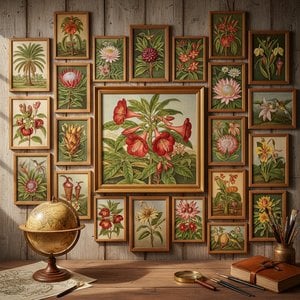
Marianne North: 25 Najpiękniejszych Obrazów Botanicznych i Krajobrazów – Kolekcja ArtsDot
Odkryj 25 fascynujących obrazów Marianne North – wiktoriańskiej artystki i botaniczki. Egzotyczne krajobrazy, kolorowe kwiaty i inspiracje wnętrzarskie. Reprodukcje najwyższej jakości na ArtsDot.com! Poznaj pełną kolekcję online.

Szare arcydzieła: 10 słynnych obrazów w odcieniach ciemnego szarości | ArtsDot.pl
Odkryj 10 arcydzieł malarstwa w odcieniach szarości! Poznaj historie Rembrandta, Goi i Muncha. Inspiracje wnętrzarskie i reprodukcje obrazów najwyższej jakości na ArtsDot.com – sztuka dla Twojego domu.

Odbitki Giclée: Jakość Archiwalna i Estetyczne Niuanse dla Wymagającego Kolekcjonera
Poznaj sekrety druku giclée – technologii zapewniającej najwyższą jakość reprodukcji sztuki i trwałość archiwalaną. Poradnik dla wymagających kolekcjonerów o wyborze papieru, tuszy i profilach kolorystycznych.


