


 Zobacz w skali 1:1
 Wyślij
 Udostępnij
 Szczegóły
 Przewodnik

 Pobierz plik obrazu
 Podobne obiekty
 RTG
RTG Pokaz slajdów
 Statystyki
Tea
 Oil On Canvas
- WallArt
- Realism
 1872
1872- 19th Century
 66.0 x 48.0 cm
 Metropolitan Museum of Art
 Czytaj więcej
Ręcznie malowana reprodukcja olejowa
Ręcznie malowany obraz olejny na płótnie, wykonany na zamówienie przez naszych artystów w wybranym przez Ciebie wymiarze i oprawie. ( Przełącz na wersję drukowaną Przełącz na wersję cyfrową)




P118B zł10

P118H zł10

P118W zł10

P438Z zł10

P508JH zł12

P508YH zł12

P805H zł10

P805Z zł10

P919BZ zł10

P919G zł10

P919XJ zł10

P959ZH zł10

P968JZ zł12

W106C zł8

W218G zł10

W218JH zł8

W218Y zł10

W307PJ zł10

W316G zł10

W316PJ zł8

W316Y zł10

W398PJ zł8

W4111J zł10

W500HY zł15

W500JH zł15

W692G zł12

W849H zł8

W940BG zł15

W953PJ zł8




Wybierz spośród naszych standardowych rozmiarów, które zachowują oryginalne proporcje dzieła sztuki.

Wpisz wymaganą szerokość i wysokość, aby obraz pasował do Twojej ramy lub ściany. Ponieważ jest to dzieło malowane ręcznie, w przypadku rozmiaru o innym proporcji artysta może domalować nieco więcej wokół obrazu lub przyciąć fragmenty — wybór należy do Ciebie. Przed rozpoczęciem pracy prześlemy Ci cyfrową wizualizację do zatwierdzenia. Obraz widoczny na tej stronie nie przedstawia rzeczywistego efektu — jedynie wizualizacja oddaje realny rezultat.
Po złożeniu zamówienia zespół ArtsDot.com skontaktuje się z klientem drogą mailową w celu uzyskania instrukcji i prześle wizualizację projektu
Dostawa na całym świecie () w ciągu 3–4 tygodni zamiast standardowych 5 tygodni. (23 Październik). Bez kompromisów w kwestii jakości.

Bezpłatna ekspresowa wysyłka na cały świat

Wysokiej jakości płótno lniane

Pełne ubezpieczenie transportowe

Gwarancja zwrotu należności celnych i podatków importowych

Gwarancja idealnego odwzorowania barw

100-dniowy okres na zwrot dzieła w przypadku wykrycia wad produkcyjnych

Gwarancja 100% zwrotu pieniędzy

Oferta przy zakupie wielu sztuk
 Opcja ze szkłem jest dostępna wyłącznie w rozmiarach poniżej 110 cm

Tea
Technika wykonania
Rozmiar reprodukcji
-


Suma do zapłaty
zł 1009
A Moment Frozen in Victorian Elegance
In the quiet, sun-dappled atmosphere of James Jacques Joseph Tissot’s Tea, we are invited into a private sanctuary of nineteenth-century refinement. This exquisite oil painting, dating from 1872, serves as more than just a depiction of a domestic ritual; it is a window into the soul of the Victorian era. The scene centers on a woman poised with grace in a tea room, her presence commanding yet serene. Clad in a sophisticated black dress accented by a delicate yellow ribbon at her throat, she embodies the meticulous fashion and social etiquette of her time. As she tends to the teapot, surrounded by the fine porcelain of cups and bowls, there is an intimate sense of stillness, as if the bustling world outside has momentarily ceased to exist.
The composition masterfully balances the intimacy of the interior with a breathtaking glimpse of the wider world. Beyond the immediate warmth of the tea service, the eye is drawn through the window to the dense, sprawling cityscape and the shimmering waters of the Thames. This juxtaposition between the sheltered, domestic sphere and the industrial vitality of London creates a profound narrative tension. It reminds the viewer that even in our most private moments of repose, the pulse of the modern city beats just beyond the glass. The inclusion of a distant boat on the river adds a layer of movement and life, grounding this elegant portrait within the real, breathing geography of Tissot’s adopted home.
Mastery of Realism and Light
Tissot, a painter who bridged the gap between the meticulous detail of Realism and the atmospheric light of Impressionism, demonstrates his technical prowess through the textures present in this work. Every element—from the reflective surface of the tea service to the heavy, luxurious fabric of the woman’s gown—is rendered with an almost tactile precision. His ability to capture the play of light across different surfaces creates a sense of depth that draws the collector into the room. The artist uses light not merely to illuminate, but to sculpt the scene, highlighting the delicate contours of the porcelain and the soft shadows that dance within the tea room.
For the discerning art lover or interior designer, Tea offers a versatile emotional resonance. It possesses a quiet dignity that can anchor a sophisticated living space, providing a focal point of calm and historical depth. The painting’s palette, rich with deep blacks, warm yellows, and the soft blues of the distant London sky, makes it an ideal piece for those looking to introduce a sense of timeless luxury and narrative complexity into a room. To possess a reproduction of this work is to hold a fragment of history—a beautifully preserved moment of Victorian grace that continues to inspire awe and contemplation in the modern age.
Pytania i odpowiedzi
Jak opisany jest nastrój dzieła „Tea” autorstwa James Tissot?
Ogólny nastrój dzieła „Tea” autorstwa James Tissot to Elegant. Nastrój ten oddaje ogólną atmosferę pracy.
W jaki sposób "Tea" wpisuje się w tematykę i styl twórczości James Tissot?
"Tea" dzieli z innymi dziełami James Tissot styl właściwy dla Realism oraz powracające motywy: realism and impressionism, victorian social elegance, london urban life, domestic genre painting, refined society scenes.
Jak intensywne są kolory w „Tea” autorstwa James Tissot?
Nasycenie barw w dziele „Tea” wynosi Monochromatic. Intensywność określa, jak mocne wydają się kolory.
Podobne dzieła


Biografia artysty
James Jacques Joseph Tissot (1836-1902): Wiktoriański wizjoner łączący realizm z impresjonizmem
James Jacques Joseph Tissot, urodzony 15 października 1836 roku w Paryżu, był niezwykle płodnym malarzem, którego wieloletnia kariera ugruntowała jego pozycję jako jednego z najsławniejszych artystast ery wiktoriańskiej. Choć początkowo kształcił się jako architekt, Tissot szybko porzucił tę ścieżkę dla urzekającego czaru malarstwa, poświęcając się utrwalaniu przepychu i zawiłości paryskiego społeczeństwa, a także głębokich narracji biblijnych. Jego charakterystyczny styl — mistrzowskie połączenie realizmu z technikami impresjonistycznymi — nieustannie fascynuje historyków sztuki oraz kolekcjonerów.- Wczesne lata i edukacja artystyczna: Formacyjne lata Tissota zostały naznaczone uprzywilejowanym wychowaniem w zamożnej rodzinie, co zapewniło mu dostęp do wyjątkowych nauk artystycznych. Studiował architekturę w École Polytechnique, zanim przeszedł do nauki rysunku pod okiem Alexandre Cabanela i Jean-Léona Gérôme, chłonąc stylistyczne wpływy realizmu akademickiego, który dominował w jego czasach. Te fundamentalne doświadczenia zaszczepiły w nim niezwykłą dbałość o szczegół oraz zdyscyplinowane podejście do kompozycji — cechy, które zdefiniowały całe jego dzieło.
- Wiktoriański Paryż i portretowanie społeczeństwa: Artystyczny przełom Tissota nastąpił wraz z jego przedstawieniami paryskiego życia w epoce Belle Époque. Z niezwykłą precyzją dokumentował sceny z teatrów, oper i modnych zgromadzeń, chwytając nie tylko wizualny przepych, ale także subtelne niuanse zachowań społecznych. Jego płótna — takie jak „Kapelusz Rubensa” czy „Herbata” — stały się ikonicznymi reprezentacjami wiktoriańskiej elegancji i wyrafinowania, odzwierciedlając niepokoje oraz aspiracje szybko zmieniającego się społeczeństwa.
- Narracje biblijne i dramatyczna kompozycja: Poza pejzażami miejskimi, Tissot doskonalał się w przedstawianiu historii biblijnych z niezwykłą teatralnością. Podchodził do tych opowieści z niezachwianym przywiązaniem do dokładności historycznej, łącząc ją z ekspresyjnym pociągnięciem pędzla — znakiem rozpoznawczym impresjonizmu — co pozwalało tworzyć emocjonalnie rezonujące obrazy, które porywały widzów. Do jego godnych uwagi dzieł należą „Odnalezienie Świętego Graala” oraz „Ostatnia Wieczerza”, demonstrujące jego zdolność do przekazywania duchowej głębi przy jednoczesnym zachowaniu wizualnego dynamizmu.
- Technika i ewolucja artystyczna: Technika artystyczna Tissota znacząco ewoluowała w trakcie jego kariery. Początkowo faworyzując realizm akademicki, stopniowo przyjął wpływy impresjonistyczne, eksperymentując z luźniejszymi pociągnięciami pędzla i chwytaniem ulotnych momentów światła oraz koloru. Ta zmiana stylistyczna pozwoliła mu nasycić swoje obrazy wyczuwalnym sensem atmosfery i emocji — odejściem od statycznej formalności jego wcześniejszych prac.
- Dziedzictwo i znaczenie historyczne: Jacques Joseph Tissot zmarł 8 sierpnia 1902 roku, pozostawiając po sobie imponujący dorobek, który nieustannie budzi podziw. Jego obrazy znajdują się w najważniejszych muzeach na całym świecie, w tym w Bibliothèque Nationale Centrale oraz Getty Museum, co stanowi świadectwo jego trwałego dziedzictwa artystycznego. Bardziej niż tylko dokumentując swoją epokę, Tissot wyniósł malarstwo do rangi opowiadania historii — potężnej mieszanki obserwacji i wyobraźni, która ugruntowała jego pozycję jako jednego z najbardziej wpływowych artystów okresu wiktoriańskiego.
Dalsza eksploracja
Możesz zgłębić artystyczną podróż Tissota, odwiedzając poniższe zasoby:- James Tissot - Wikipedia:https://en.wikipedia.org/wiki/James_Tissot
- Jacques Joseph Tissot - Getty Museum:https://www.getty.edu/art/collection/person/103KY1
- Jacques Joseph Tissot: Kronika życia paryskiego i ewolucja narracji:/en/articles/jacques-joseph-tissot-a-chronicle-of-parisian-life-narrative-evolution-en/
- James Tissot (1836-1902), Ambiwalentnie nowoczesny | Musée d’Orsay:https://www.musee-orsay.fr/en/whats-on/exhibitions/presentation/james-tissot-1836-1902-ambiguously-modern

James Tissot
1836 - 1902 , Francja
Najważniejsze informacje
- Artistic Movement Or Style: Realizm i impresjonizm
- Artists Or Movements Influenced By This Artist: ['Impresjonizm']
- Artists Who Influenced This Artist:
- Gustave Courbet
- Jean-François Millet
- Date Of Birth: 15 października 1836
- Date Of Death: 8 sierpnia 1902
- Full Name: Jacques Joseph Tissot
- Nationality: Francuz
- Notable Artworks:
- Kapelusz Rubensa
- Herbata
- Place Of Birth: Paryż, Francja
Zobacz także powiązane artykuły

James Abbott McNeill Whistler: 25 Arcydzieł Sztuki Pejzażowej i Portretowej | ArtsDot
Odkryj 25 arcydzieł Jamesa Abbotta McNeilla Whistler'a! Poznaj historię impresjonistycznych pejzaży, portretów i słynnych 'Nokturnów'. Reprodukcje obrazów najwyższej jakości na ArtsDot.com – inspiracje dla Twojego wnętrza.

Romantic Realism's Finest: 10 Masterpieces for Your Home | ArtsDot
Explore 10 defining masterpieces of Romantic Realism! Discover Courbet, Millet & Daumier's powerful paintings—capturing emotion and social realities. Find museum-quality reproductions for your home at ArtsDot.com.

Sir Alfred James Munnings: 25 Arcydzieł Malarstwa Koni i Angielskiej Wsi | ArtsDot.com
Odkryj 25 arcydzieł Sir Alfreda Jamesa Munningsa – mistrza malarstwa koni i angielskiego krajobrazu. Poznaj historię, technikę i piękno jego obrazów. Reprodukcje najwyższej jakości na ArtsDot.com! Eksploruj pełną kolekcję online.
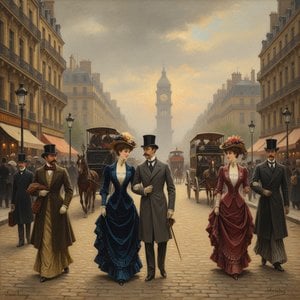
Jacques Joseph Tissot: A Chronicle of Parisian Life & Narrative Evolution
Explore the captivating world of Jacques Joseph Tissot, a master painter of Belle Époque society. Discover his realism, Impressionistic style, and lasting influence on art history. Learn more at ArtsDot.

Oblicze Zmieniającego się Świata: Realizm Wiktoriański i Życie Nowoczesne w Sztuce
Poznaj fascynujący świat realizmu wiktoriańskiego! Analiza literatury i malarstwa XIX wieku, portrety społeczne Dickensa i Thackeraya. Ekspercka wiedza o wpływie epoki na sztukę.