


 Zobacz w skali 1:1
 Wyślij
 Udostępnij
 Szczegóły
 Przewodnik

 Pobierz plik obrazu
 Podobne obiekty
 RTG
RTG Pokaz slajdów
 Statystyki
Toyota Ipsum


 Czytaj więcej
Dzieło sztuki prezentowane na tej stronie podlega ochronie prawem autorskim, co oznacza, że nie mamy prawa do tworzenia ani sprzedaży jego identycznej reprodukcji. Ochrona ta jest egzekwowana na mocy umów międzynarodowych, takich jak Konwencja berneńska oraz przez przepisy prawa krajowego, w tym te określone w Prawo autorskie USA – Tytuł 17.
Jako pełną szacunku i legalną alternatywę oferujemy personalizowane, malowane ręcznie dzieła sztuki inspirowane oryginałem. Nasi wykwalifikowani i profesjonalni artyści starannie analizują styl, nastrój oraz artystyczną esencję pierwowzoru, aby stworzyć nowe, unikalne dzieło, które przywołuje te same emocje – pozostając jednocześnie w pełni oryginalną kreacją.
Metoda ta jest w pełni zgodna z przepisami prawa autorskiego, ponieważ nie polega na kopiowaniu ani powielaniu chronionego dzieła. Stanowi ona kreatywną reinterpretację – nowy obraz, który czerpie inspirację z oryginału, ale nie jest z nim tożsamy.
Ręcznie malowana reprodukcja olejowa
Ręcznie malowany obraz olejny na płótnie, wykonany na zamówienie przez naszych artystów w wybranym przez Ciebie wymiarze i oprawie. ( Przełącz na wersję drukowaną Przełącz na wersję cyfrową)




P118B zł10

P118H zł10

P118W zł10

P438Z zł10

P508JH zł12

P508YH zł12

P805H zł10

P805Z zł10

P919BZ zł10

P919G zł10

P919XJ zł10

P959ZH zł10

P968JZ zł12

W106C zł8

W218G zł10

W218JH zł8

W218Y zł10

W307PJ zł10

W316G zł10

W316PJ zł8

W316Y zł10

W398PJ zł8

W4111J zł10

W500HY zł15

W500JH zł15

W692G zł12

W849H zł8

W940BG zł15

W953PJ zł8




Wybierz spośród naszych standardowych rozmiarów, które zachowują oryginalne proporcje dzieła sztuki.

Wpisz wymaganą szerokość i wysokość, aby obraz pasował do Twojej ramy lub ściany. Ponieważ jest to dzieło malowane ręcznie, w przypadku rozmiaru o innym proporcji artysta może domalować nieco więcej wokół obrazu lub przyciąć fragmenty — wybór należy do Ciebie. Przed rozpoczęciem pracy prześlemy Ci cyfrową wizualizację do zatwierdzenia. Obraz widoczny na tej stronie nie przedstawia rzeczywistego efektu — jedynie wizualizacja oddaje realny rezultat.
Po złożeniu zamówienia zespół ArtsDot.com skontaktuje się z klientem drogą mailową w celu uzyskania instrukcji i prześle wizualizację projektu
Dostawa na całym świecie () w ciągu 3–4 tygodni zamiast standardowych 5 tygodni. (22 Październik). Bez kompromisów w kwestii jakości.

Bezpłatna ekspresowa wysyłka na cały świat

Wysokiej jakości płótno lniane

Pełne ubezpieczenie transportowe

Gwarancja zwrotu należności celnych i podatków importowych

Gwarancja idealnego odwzorowania barw

100-dniowy okres na zwrot dzieła w przypadku wykrycia wad produkcyjnych

Gwarancja 100% zwrotu pieniędzy

Oferta przy zakupie wielu sztuk
 Opcja ze szkłem jest dostępna wyłącznie w rozmiarach poniżej 110 cm

Toyota Ipsum
Technika wykonania
Rozmiar reprodukcji
-


Suma do zapłaty
zł 1009
Pytania i odpowiedzi
Pod jakimi innymi nazwiskami znany jest Ishida Tetsuya?
Ishida Tetsuya jest znany/a również jako Tetsuya Ishida.
Na którym etapie kariery Ishida Tetsuya znajduje się dzieło „Toyota Ipsum”, biorąc pod uwagę jego datę powstania?
Data 1996 sytuuje "Toyota Ipsum" w Contemporary rozwoju twórczości Ishida Tetsuya.
Jaki jest dominujący odcień dzieła „Toyota Ipsum” autorstwa Ishida Tetsuya?
„Toyota Ipsum” skłania się ku Amber to Saffron tonacji.
Podobne dzieła


Biografia artysty
A Haunting Vision of Modern Japan: The Life and Art of Tetsuya Ishida
Tetsuya Ishida, born in 1973 in Yaizu, Shizuoka Prefecture, emerged as a singular voice within the Japanese contemporary art scene—a voice tragically silenced by his untimely death in 2005. His paintings are not merely depictions of life in late-20th and early-21st century Japan; they are unsettling allegories of isolation, consumerism, and the anxieties that permeated a nation grappling with economic stagnation and societal shifts. Ishida’s work quickly garnered attention for its hyperrealistic style, yet it was the surrealist integration of human figures into everyday objects—machinery, architecture, even animal forms—that truly captivated and disturbed viewers. He offered a glimpse into a world where the boundaries between self and environment blurred, reflecting a profound sense of alienation in an increasingly technological age.- Early Influences & Artistic Awakening: Ishida’s path to becoming an artist was sparked by early exposure to Social Realist art, particularly the illustrations of Ben Shahn. An exhibition of Shahn's work in Yaizu when Ishida was just a child proved pivotal, especially images depicting the aftermath of the Lucky Dragon Incident—a nuclear fallout tragedy that deeply affected him. This encounter instilled a desire to use art as a vehicle for social commentary, a theme that would remain central throughout his career. Even during his youth, he actively participated in creative contests, submitting works focused on human rights and anti-bullying themes, foreshadowing the mature concerns of his later paintings.
- Education & Early Career: Ishida pursued formal art training at Musashino Art University in Tokyo after graduating from Shizuoka Prefectural Yaizu Central High School. Following graduation, he dedicated himself to painting, rapidly establishing a presence within the vibrant Ginza gallery scene. His work quickly distinguished itself through its meticulous detail and unsettling subject matter.
The Lost Generation & The Language of Anxiety
Ishida’s artistic development was inextricably linked to his experience as a member of Japan's “Lost Generation”—those who came of age during the economic recession of the 1990s. This period, marked by high unemployment and social uncertainty, profoundly shaped his worldview and found direct expression in his art. His paintings often feature young men—expressionless or melancholic—fused with inanimate objects, suggesting a loss of identity and agency within a technologically driven society. The integration of bodies into machinery isn’t simply about depicting the physical environment; it's a metaphor for being consumed by work, trapped within systems beyond individual control. “Toyota Ipsum” (1997), one of his most iconic works, exemplifies this theme. A young man is seamlessly incorporated into the interior of a car, becoming part of the vehicle itself—a haunting commentary on consumer culture and the dehumanizing aspects of modern life. Similarly, paintings like “Rise and Shine” (1997), depict figures melded with dump trucks, evoking feelings of isolation and urban decay. These aren’t scenes of futuristic dystopia; they are reflections of a present reality—a bleak outlook on the near-future where individuals feel increasingly disconnected from their surroundings and each other.Themes & Symbolism: Isolation, Consumerism, and Urban Banality
The recurring motifs in Ishida's work speak to a deeper exploration of societal anxieties. The human body, often fragmented or distorted, represents vulnerability and loss of self. Everyday objects—appliances, buildings, industrial machinery—become symbols of consumerism and the overwhelming presence of technology. His paintings frequently depict figures trapped within these structures, unable to escape their confines. The urban landscape itself is rendered with a sense of coldness and alienation. Buildings are often faceless and imposing, reflecting the anonymity of modern city life. The integration of animal forms—crabs, seahorses—adds another layer of symbolism, suggesting a primal connection to nature that has been lost in the face of technological advancement. Ishida’s use of hyperrealism is not about celebrating beauty; it's about creating an unsettling sense of verisimilitude—forcing viewers to confront the uncomfortable realities he depicts.Legacy & Historical Significance
Despite his tragically short career, Tetsuya Ishida left an indelible mark on contemporary art. His work resonated with a generation grappling with similar anxieties and continues to captivate audiences today. He was among the first artists to gain recognition in Christie’s auction of East Asian avant-garde art alongside Takashi Murakami in 1998, solidifying his position within the Japanese art world. Ishida's paintings offer a poignant critique of modern society—a warning about the dangers of unchecked consumerism, technological dependence, and the loss of individual identity. His work is often compared to that of artists like Edward Hopper, known for their depictions of urban alienation, but Ishida’s unique blend of surrealism and hyperrealism sets him apart. In recent years, there has been a renewed interest in his art, with major exhibitions showcasing his work to wider audiences. The Gagosian Gallery's 2023 exhibition, “My Anxious Self,” marked the artist’s New York solo debut—a testament to his enduring legacy and the timeless relevance of his haunting vision. Ishida’s paintings serve as a powerful reminder of the human cost of progress and the importance of preserving our connection to ourselves and the world around us.
Ishida Tetsuya
1973 - 2005 , Japan
Najważniejsze informacje
- Full Name: Tetsuya Ishida
- Nationality: Japanese
- Date Of Birth: 1973
- Date Of Death: 2005
- Place Of Birth: Yaizu, Japan
- Notable Artworks:
- Toyota Ipsum
- Rise and Shine
- Artistic Movement Or Style: Surrealism, Hyperrealism
- Artists Who Influenced This Artist: ['Ben Shahn']
Zobacz także powiązane artykuły

Léonard Foujita: A Poetic Synthesis of Japanese Sensibility & European Modernism
Discover the captivating world of Léonard Foujita, a master bridging Japanese aesthetics & European Modernism. Explore his signature style, diverse works, and enduring legacy – essential reading for discerning art collectors.

Floating World: The Captivating Art and Legacy of Japanese Ukiyo-e
Explore the profound beauty of Japanese Ukiyo-e. Discover the history, masters like Hokusai, and the enduring legacy of the 'Floating World' through an expert art-historical lens.
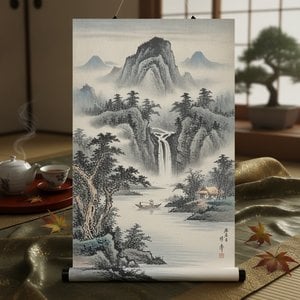
Serenity on Canvas: A Guide to the Timeless Beauty of Japanese Landscape Painting
Discover the serene beauty of Japanese landscape painting. From Hokusai's iconic woodblock prints to meditative sumi-e ink washes, explore a visual journey through the 'floating world' and learn how to bring this timeless Zen aesthetic into your modern home decor.

Japonisme: How Japanese Woodblock Prints Revolutionized Western Art
Explore the profound impact of Japonisme on Western art. Discover how Japanese ukiyo-e woodblock prints revolutionized perspective, color, and composition for masters like Monet and Van Gogh, forever changing the course of modern art history.

Katsushika Hokusai: 25 Arcydzieł Sztuki Japońskiej dla Kolekcjonerów i Miłośników Dekoracji
Odkryj 25 arcydzieł Katsushika Hokusai, mistrza ukiyo-e! Poznaj historię Wielkiej Fali i innych ikonicznych drzeworytów. Inspiracje wnętrzarskie i reprodukcje obrazów najwyższej jakości na ArtsDot.com – sztuka japońska dla Twojego domu.