


 Zobacz w skali 1:1
 Wyślij
 Udostępnij
 Szczegóły
 Przewodnik

 Pobierz plik obrazu
 Podobne obiekty
 RTG
RTG Pokaz slajdów
 Statystyki
Nude Reaching


 Czytaj więcej
Dzieło sztuki prezentowane na tej stronie podlega ochronie prawem autorskim, co oznacza, że nie mamy prawa do tworzenia ani sprzedaży jego identycznej reprodukcji. Ochrona ta jest egzekwowana na mocy umów międzynarodowych, takich jak Konwencja berneńska oraz przez przepisy prawa krajowego, w tym te określone w Prawo autorskie USA – Tytuł 17.
Metoda ta jest w pełni zgodna z przepisami prawa autorskiego, ponieważ nie polega na kopiowaniu ani powielaniu chronionego dzieła. Stanowi ona kreatywną reinterpretację – nowy obraz, który czerpie inspirację z oryginału, ale nie jest z nim tożsamy.
Giclée / Wydruk artystyczny
Wydruki giclée lub płótna o jakości muzealnej, szybka realizacja i szeroki wybór opcji wykończenia. ( Kup ręcznie malowany obraz Przełącz na wersję cyfrową)




P118B zł10

P118H zł10

P118W zł10

P438Z zł10

P508JH zł12

P508YH zł12

P805H zł10

P805Z zł10

P919BZ zł10

P919G zł10

P919XJ zł10

P959ZH zł10

P968JZ zł12

W106C zł8

W218G zł10

W218JH zł8

W218Y zł10

W307PJ zł10

W316G zł10

W316PJ zł8

W316Y zł10

W398PJ zł8

W4111J zł10

W500HY zł15

W500JH zł15

W692G zł12

W849H zł8

W940BG zł15

W953PJ zł8




Wybierz spośród naszych standardowych rozmiarów, które zachowują oryginalne proporcje dzieła sztuki.

Wpisz wymaganą szerokość i wysokość, aby dopasować grafikę do ramy lub ściany. Wydruk można jedynie przyciąć, nigdy nie powiększając go poza oryginalny obraz, dlatego format o innym proporcji spowoduje utratę części kompozycji. Przed rozpoczęciem druku prześlemy Ci cyfrowy podgląd do zatwierdzenia. Obraz wyświetlany na tej stronie nie pokazuje rzeczywistego przycięcia — jedynie podgląd oddaje ten efekt.
Dostawa na cały świat () w ciągu 2 tygodni zamiast standardowych 4/5 tygodni. (22 Październik)

Bezpłatna ekspresowa wysyłka na cały świat

Wysokiej jakości płótno lniane

Pełne ubezpieczenie transportowe

Gwarancja zwrotu należności celnych i podatków importowych

Gwarancja idealnego odwzorowania barw

100-dniowy okres na zwrot dzieła w przypadku wykrycia wad produkcyjnych

Gwarancja 100% zwrotu pieniędzy

Oferta przy zakupie wielu sztuk
 Opcja ze szkłem jest dostępna wyłącznie w rozmiarach poniżej 110 cm

Nude Reaching
Giclée / Wydruk artystyczny
Rozmiar reprodukcji
-


Suma do zapłaty
zł 238
Podobne dzieła


Biografia artysty
Isabel Bishop: A Life in Urban Realism
Early Life and Education
- Born: 1902, Cincinnati, Ohio.
- Isabel Bishop came from a background of intellectual privilege; her parents descended from established East Coast mercantile families. Her father was a scholar of Greek and Latin, while her mother pursued writing and early women’s suffrage activism.
- The family relocated to Detroit, where Bishop began formal art training at age 12 with life drawing classes at the John Wicker Art School.
- She initially moved to New York City at 16 to study illustration at the New York School of Applied Design for Women, but quickly transitioned to painting.
- Bishop attended the Art Students League from 1920-1924, studying with influential artists like Guy Pène du Bois and Kenneth Hayes Miller. From Miller, she adopted techniques rooted in Baroque Flemish painting.
- She also studied with Max Weber and Robert Henri, absorbing elements of early modernism. Time spent painting in Woodstock, New York during the 1920s further shaped her artistic development.
Artistic Development and Style
- Throughout the 1920s and 30s, Bishop developed a distinctive realist style focused on depicting women in their everyday lives within the bustling streets of Manhattan.
- Her work was deeply influenced by Old Masters, particularly Peter Paul Rubens and other Dutch and Flemish painters discovered during European travels. This influence is evident in her sensitive modeling of form and atmospheric density.
- Bishop’s style is characterized by a focus on capturing “unfixity”—the sense of movement, mobility, and fleeting moments within the urban landscape.
- She explored the interaction between form and ground, creating compositions that convey a dynamic energy. Her paintings often possess what has been described as "a submarine pearliness and density of atmosphere."
Themes and Subject Matter
- Urban Life: Bishop’s primary subject matter was the vibrant life of New York City, particularly around Union Square.
- Women in Modernity: She is celebrated for her sensitive and insightful portrayals of American women navigating modern urban existence. Her work often depicts their interactions and experiences within public spaces.
- Portraits & Nudes: Bishop created both individual portraits, emphasizing the subject’s expression, and solitary nude studies.
- Multiple-Figure Compositions: She pioneered compositions featuring two or more women engaged in everyday activities.
Career and Recognition
- Bishop began exhibiting frequently in the midtown galleries of New York City in 1932, establishing a consistent presence throughout her career.
- She maintained a loft studio near Union Square at 9 West Fourteenth Street from 1934 until 1984, despite residing in Riverdale with her husband, Dr. Harold G. Wolff (a neurologist), whom she married in 1934.
- Bishop was included in the first three Whitney Biennials (1932, 1934, and 1936) and participated in ten subsequent annual exhibitions at the Whitney Museum of American Art.
- She taught at the Art Students League from 1936 to 1937.
- In 1940, she was elected an associate member of the National Academy of Design and became a full member in 1941.
- Bishop created a post office mural, Great Men Came from the Hills, for New Lexington, Ohio, in 1938 through the Section of Painting and Sculpture.
Legacy and Historical Significance
- Isabel Bishop is a significant figure within the Fourteenth Street School, a loosely affiliated group of artists working around Union Square, including Reginald Marsh and the Soyer brothers.
- Her work contributes to discussions surrounding feminism and the representation of the “new woman” emerging in urban landscapes during the 20th century.
- In the mid-1940s, she illustrated a new edition of Jane Austen’s Pride and Prejudice, with her original drawings now held at the Pierpont Morgan Library.
- Bishop's paintings offer valuable insights into American social life during the 1930s-1970s, capturing the energy and complexities of a rapidly changing urban environment.
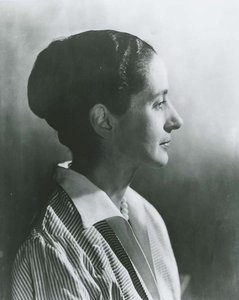
Isabel Bishop
1902 - 1988
Najważniejsze informacje
- Name: Isabel Bishop
- Movement: Fourteenth Street School, American Realism
- Birth Date: 1902
- Death Date: 1988
- Birth Place: Cincinnati, Ohio
- Nationality: American
- Date Of Birth: 1902
- Date Of Death: 1988
- Influenced By: Guy Pène du Bois, Kenneth Hayes Miller, Peter Paul Rubens, Dutch and Flemish painters
- Notable Works: Paintings of Union Square scenes, depictions of women in urban settings
Zobacz także powiązane artykuły

Concrete Visions: Exploring the Urban Landscape in Painting – From Realism to Contemporary Art
Explore the evolution of cityscape painting from Realism to contemporary art with ArtsDot. Discover key artists & invest in timeless urban visions. Expert guidance, museum-quality reproductions.

Urok Nagiego Ciała w Sztuce: Historyczna i Artystyczna Eksploracja Aktu
Poznaj fascynującą historię aktu w sztuce – od starożytnych korzeni po współczesne interpretacje. Analiza technik, wybitnych artystów i wpływu anatomii na przedstawianie ludzkiego ciała. Ekskluzywne artykuły dla miłośników sztuki.

Betonowe Wizje: Studium Reprezentacji Życia Miejskiego w Sztuce Nowoczesnej i Współczesnej
Analiza reprezentacji życia miejskiego w sztuce nowoczesnej i współczesnej – od realizmu socjalistycznego po awangardę. Eksperckie spojrzenie na ideologię, urbanizm i krytykę społeczną w malarstwie i fotografii miejskiej.
Betonowe Narracje: Miasto w Sztuce Nowoczesnej – Od Realizmu do Interpretacji Artystycznej
Odkryj ewolucję wizualnej reprezentacji miasta w sztuce nowoczesnej i współczesnej. Analiza kluczowych nurtów – od realizmu do surrealizmu – dla kolekcjonerów i pasjonatów.

Nagość w Sztuce: Od Klasycznej Harmonii do Współczesnych Interpretacji
Odkryj fascynującą historię nagiego ciała w sztuce – od antycznych ideałów piękna po współczesne interpretacje. Analiza symboliki, wpływ humanizmu i klasycyzmu na przedstawianie formy ludzkiej. Ekspercka analiza obrazów.