


 Podgląd w skali
 Wyślij jako kartkę
 Udostępnij
 Szczegóły dzieła

 Pobierz
 Podobne obiekty
 RTG
RTG Pokaz slajdów
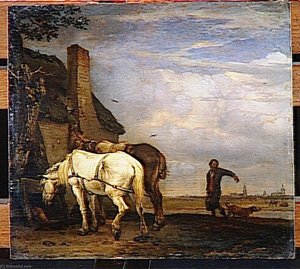
LES CHANTEURS AMBULANTS


 Rozwiń treść
Giclée / Wydruk artystyczny
Druk giclée lub płótno o jakości muzealnej, szybka realizacja i szeroki wybór opcji wykończenia. ( Zamów ręcznie malowaną reprodukcję Kup obraz wysokiej rozdzielczości)




P118B $10

P118H $10

P118W $10

P438Z $10

P508JH $12

P508YH $12

P805H $10

P805Z $10

P919BZ $10

P919G $10

P919XJ $10

P959ZH $10

P968JZ $12

W106C $8

W218G $10

W218JH $8

W218Y $10

W307PJ $10

W316G $10

W316PJ $8

W316Y $10

W398PJ $8

W4111J $10

W500HY $15

W500JH $15

W692G $12

W849H $8

W940BG $15

W953PJ $8




Wybierz spośród naszych standardowych rozmiarów, które zachowują oryginalne proporcje dzieła sztuki.

Możesz wprowadzić własne wymiary, aby dopasować dzieło do konkretnej ramy lub przestrzeni. Jeśli wybrany rozmiar nie będzie odpowiadał proporcjom oryginalnego obrazu, przytniecie dzieło lub rozszerzymy obraz za pomocą odbicia lustrzanego lub jednolitego wypełnienia krawędzi. Przed rozpoczęciem produkcji prześlemy cyfrową wizualizację do Twojej akceptacji.
Prosimy pamiętać, że podgląd na ekranie nie odzwierciedla faktycznego przycinania ani rozszerzania. Tylko wizualizacja dokładnie pokaże końcową kompozycję.
Mimo dostępności niestandardowych rozmiarów, zalecamy wybór wymiaru z listy zdefiniowanej, aby zachować oryginalne proporcje.
Dostawa na cały świat () w ciągu 2 tygodni zamiast standardowych 4/5 tygodni. (17 Sierpień)

Bezpłatna ekspresowa wysyłka na cały świat

Wysokiej jakości płótno lniane

Pełne ubezpieczenie przesyłki

Gwarancja zwrotu należności celnych i podatków importowych

Gwarancja wiernego odwzorowania kolorów

Polityka 60-dniowego zwrotu (tylko w przypadku wad)

Gwarancja 100% zwrotu kosztów

Zniżka przy zamówieniu wielu produktów
 Opcja ze szkłem jest dostępna wyłącznie w rozmiarach poniżej 110 cm

LES CHANTEURS AMBULANTS
Giclée / Wydruk artystyczny
Wymiary reprodukcji
-


Cena całkowita
$ 62
Opis kolekcjonerski
Hubert Robert’s Roman Reveries: A Journey Through Time and Illusion
Hubert Robert's "Les Chanteurs Ambulants" (The Wandering Musicians) isn’t merely a depiction of a street scene; it’s an invitation to step back in time, a carefully constructed illusion that masterfully blends observation with the romanticism of the late 18th century. Painted around 1790, this artwork transports us to an imagined Roman setting – a place where antiquity and everyday life intertwine, creating a poignant tableau of beauty, decay, and the enduring power of human connection. Robert, a name intrinsically linked with the evocative allure of ruins and the art of ‘capriccio,’ possessed a unique ability to capture not just the appearance of a landscape but its emotional resonance. His work transcends simple documentation; it’s an exploration of memory, history, and the artist's own imaginative vision.
The composition itself is a testament to Robert’s skill. The monumental stone building on the left immediately establishes a strong vertical axis, anchoring the scene while simultaneously drawing the eye upwards towards the arched window – a portal through which we glimpse a musician lost in his performance. Below, a diverse group of figures gathers, their postures suggesting rapt attention and quiet enjoyment. The background, deliberately hazy and layered with hints of distant ruins and verdant foliage, creates a sense of depth that extends far beyond the immediate scene. This strategic division – building/window, audience, background – isn’t arbitrary; it's a deliberate orchestration designed to guide the viewer’s eye and immerse them in Robert’s carefully crafted world.
A Palette of Earth and Memory
The color palette of “Les Chanteurs Ambulants” is deliberately muted, dominated by earthy browns, tans, and subtle greens. This isn't a vibrant celebration of color; rather, it speaks to the passage of time, suggesting an aged and weathered world. The occasional flash of red in the clothing of some figures – perhaps a cloak or scarf – provides a delicate contrast, adding a touch of warmth without disrupting the overall sense of melancholy. Robert’s masterful use of light is equally subtle, creating a diffused glow that seems to emanate from the left side of the composition, illuminating the building and its inhabitants while leaving the background shrouded in gentle shadow. This soft lighting contributes significantly to the artwork's dreamlike quality.
Technique and the Illusion of Depth
Robert’s technique is characterized by a remarkable attention to detail combined with a loose, expressive brushwork. He employed a layering method – thin washes of paint applied over an underpainting – which creates a soft, blended effect that enhances the sense of atmosphere. While linear perspective is skillfully utilized to establish depth and create a believable spatial arrangement, atmospheric perspective—the subtle blurring and desaturation of distant elements—further reinforces this illusion. Notice how the details on the building diminish as they recede into the background, while the foliage in the distance appears softer and less defined. The visible brushstrokes themselves contribute to the artwork’s aged appearance, suggesting a surface worn by time and experience.
Symbolism of Ruin and Renewal
“Les Chanteurs Ambulants” is rich with symbolic meaning. The presence of classical architecture and ruins immediately evokes themes of history, time, and the inevitable decay of civilizations. Robert wasn’t simply depicting a picturesque scene; he was engaging with the Romantic fascination with the past – a desire to recapture lost glories and contemplate the fleeting nature of human endeavors. The wandering musicians themselves can be interpreted as symbols of art's enduring power—a reminder that beauty, entertainment, and connection can transcend temporal boundaries. The overall mood is one of quiet contemplation, tinged with a sense of nostalgia for a bygone era. It’s a poignant meditation on the relationship between memory, artistry, and the human spirit.
Bringing Robert's Vision Home
ArtsDot offers meticulously crafted hand-painted reproductions of Hubert Robert’s “Les Chanteurs Ambulants,” allowing you to experience the beauty and emotional depth of this captivating artwork in your own space. Each reproduction is created using traditional techniques and high-quality materials, ensuring a faithful representation of Robert's original vision. Whether you are an art collector, interior designer, or simply someone seeking a touch of timeless elegance, a ArtsDot reproduction of “Les Chanteurs Ambulants” will bring a sense of history, romance, and artistic inspiration to your home.
Podobne dzieła




O artyście
Hubert Robert: A Painter of Ruins and Visions
Hubert Robert, a name inextricably linked to the evocative beauty of decaying grandeur, stands as a pivotal figure in 18th-century French art. Born in Paris in 1733, his life unfolded against a backdrop of profound artistic transformation—a journey from the playful elegance of Rococo to the nascent spirit of Neoclassicism, all while navigating the dramatic upheavals of the French Revolution. Robert’s genius lay not merely in depicting ruins; he possessed an extraordinary ability to conjure visions, seamlessly blending meticulous observation with boundless imagination to create scenes that resonated with a poignant nostalgia for the past and a tantalizing anticipation of the future. His artistic odyssey began within the structured confines of formal training, initially under the tutelage of sculptor Michel-Ange Slodtz, who recognized Robert’s innate talent but wisely steered him towards painting, sensing an unparalleled capacity to capture light, atmosphere, and the subtle poetry inherent in form.Roman Reveries: Shaping an Artistic Identity
The defining moment in Robert's artistic development arrived with his extended sojourn to Rome between 1754 and 1765. Accompanying Étienne-François de Choiseul, a key figure in the French diplomatic service, he immersed himself completely within the ancient city’s captivating world—a realm steeped in history, architectural magnificence, and the palpable weight of centuries past. This wasn't simply an act of observation; it was a profound transformation. For eleven years, Rome became Robert’s open-air studio, its crumbling temples, majestic arches, and overgrown gardens fueling his artistic imagination with unparalleled intensity. He didn’t merely replicate what he saw; he actively reimagined it, imbuing the ruins with a sense of melancholic beauty—a poignant awareness of time's relentless passage. His early works, often categorized as *capriccio* compositions, exemplify this approach. These fantastical views skillfully juxtaposed classical ruins with contemporary life, creating dreamlike scenarios that blurred the boundaries between past and present. A crucial influence during this period was Giovanni Paolo Panini, a renowned landscape painter known for his meticulous depictions of Roman architecture. Robert absorbed Panini’s techniques—particularly his mastery of atmospheric perspective—and integrated them into his own distinctive style. His sketchbook pages from this era are invaluable records, revealing not just the physical details of Rome but also his artistic process – countless studies of architectural nuances and landscape compositions, demonstrating a keen eye for detail and an understanding of how light interacts with form.Parisian Acclaim and Royal Patronage
Robert’s return to Paris in 1765 marked a significant shift in his career trajectory. He swiftly gained recognition within the artistic establishment, securing admission to the Académie Royale de Peinture et de Sculpture—a prestigious institution that served as the gatekeeper of artistic legitimacy. His debut exhibition at the Salon showcased “The Port of Rome, Ornamented with Different Monuments of Architecture, Ancient and Modern,” a work immediately lauded for its dramatic composition and evocative atmosphere. This success propelled Robert to the forefront of Parisian art circles, attracting the attention of influential critics and collectors alike. Denis Diderot, a leading figure of the Enlightenment and a prominent member of the *Encyclopédie*, famously praised Robert’s paintings, recognizing his ability to transport viewers to another time and place—to evoke a sense of history and mystery through his masterful use of light, color, and composition. This acclaim led to royal patronage, with commissions from King Louis XV for decorative projects within Versailles and other royal residences. He was subsequently appointed “Designer of the King’s Gardens,” a position that allowed him to shape the aesthetic landscape of some of France's most magnificent estates. Robert’s work resonated deeply with the prevailing taste for *capriccio* painting—a genre that captured the imagination of collectors fascinated by history, archaeology, and the romantic allure of the picturesque—but he elevated it beyond mere decorative art, imbuing it with a unique sensibility rooted in his profound understanding of Roman ruins.Revolution, Resilience, and Lasting Legacy
The French Revolution presented an unprecedented challenge to Robert’s artistic career. As the monarchy crumbled and societal norms were overturned, many artists found themselves struggling to navigate the turbulent political climate. Robert, however, demonstrated remarkable resilience, continuing to paint prolifically despite the upheaval. He even endured a brief period of imprisonment during the Reign of Terror—a harrowing experience that undoubtedly informed his later works, which often explored themes of loss and transience. Following the Revolution, Robert was appointed curator of the newly established Muséum Central des Arts—the future Musée du Louvre—a testament to his expertise and dedication to preserving France’s artistic heritage. He played a crucial role in organizing and cataloging the museum's vast collection, ensuring that its treasures were safeguarded for generations to come. Hubert Robert died in Paris in 1808, leaving behind an extraordinary body of work that continues to captivate viewers with its evocative beauty and profound insights into the nature of time and memory. His legacy extends beyond his technical mastery—his ability to seamlessly blend historical accuracy with imaginative vision solidified his place as a pivotal figure bridging the Rococo and Neoclassical periods, anticipating aspects of Romanticism through his fascination for history and the sublime.- Key Influences: Giovanni Paolo Panini, Piranesi, the architectural landscape of Rome.
- Major Themes: Ruins, landscapes, *capriccio* paintings, historical memory, the passage of time.
- Artistic Style: Meticulous detail, atmospheric perspective, evocative lighting, blending observation with imagination.

Hubert Robert
1733 - 1808 , Francja
Krótka nota
- Artistic Movement Or Style: Rokokizm, Neoklasycyzm
- Artists Or Movements Influenced By This Artist: ['Rokokizm']
- Artists Who Influenced This Artist:
- Giovanni Panini
- Piranesi
- Date Of Birth: 22 maja 1733
- Date Of Death: 15 kwietnia 1808
- Full Name: Hubert Robert
- Nationality: Francuz
- Notable Artworks:
- Port Rzymu
- Lot Galatei
- Galerie Luwr
- Place Of Birth: Paryż, Francja
Powiązane artykuły

Hubert Robert: Picturing Ruins, Preserving Memory – A Study of Romantic Antiquarianism & Artistic Innovation
Explore the captivating world of Hubert Robert, master of Romantic landscape painting & 'capriccio' ruins. Discover his historical context, artistic innovations, and collecting insights with ArtsDot.

Krajobraz w sztuce: 10 arcydzieł, które inspirują (malarstwo, dekoracje wnętrz)
Odkryj 10 arcydzieł krajobrazu w sztuce! Poznaj historie Moneta, van Gogha i Turnera. Inspiracje pejzażami, techniki malarskie i reprodukcje najwyższej jakości na ArtsDot.com. Znajdź idealny obraz do Twojego wnętrza!

Romantyczny Krajobraz w Malarstwie: 10 Arcydzieł, Które Zdefiniowały Epokę | ArtsDot.com
Odkryj 10 arcydzieł romantyzmu w malarstwie! Poznaj historie Caspara Davida Friedricha, Turnera i innych mistrzów. Inspiracje wnętrzarskie & reprodukcje obrazów najwyższej jakości na ArtsDot.com. Eksploruj kolekcję online!

Evocations of Place: A Historical Journey Through Landscape Art
Explore the rich history of landscape art with ArtsDot. Discover renowned artists, movements like Impressionism & Romanticism, and expert guidance for collecting timeless pieces. Find your perfect serene escape today!

John Constable: 25 Najlepszych Obrazów Mistrza Angielskiego Krajobrazu | ArtsDot
Odkryj 25 arcydzieł Johna Constable'a – mistrza angielskiego krajobrazu! Poznaj romantyczne pejzaże, technikę malarską i inspiracje z Dedham Vale. Reprodukcje obrazów najwyższej jakości na ArtsDot.com. Eksploruj pełną kolekcję online!



