

 Podgląd w skali
 Wyślij jako kartkę
 Udostępnij
 Szczegóły dzieła

 Pobierz
 Podobne obiekty
 RTG
RTG Pokaz slajdów
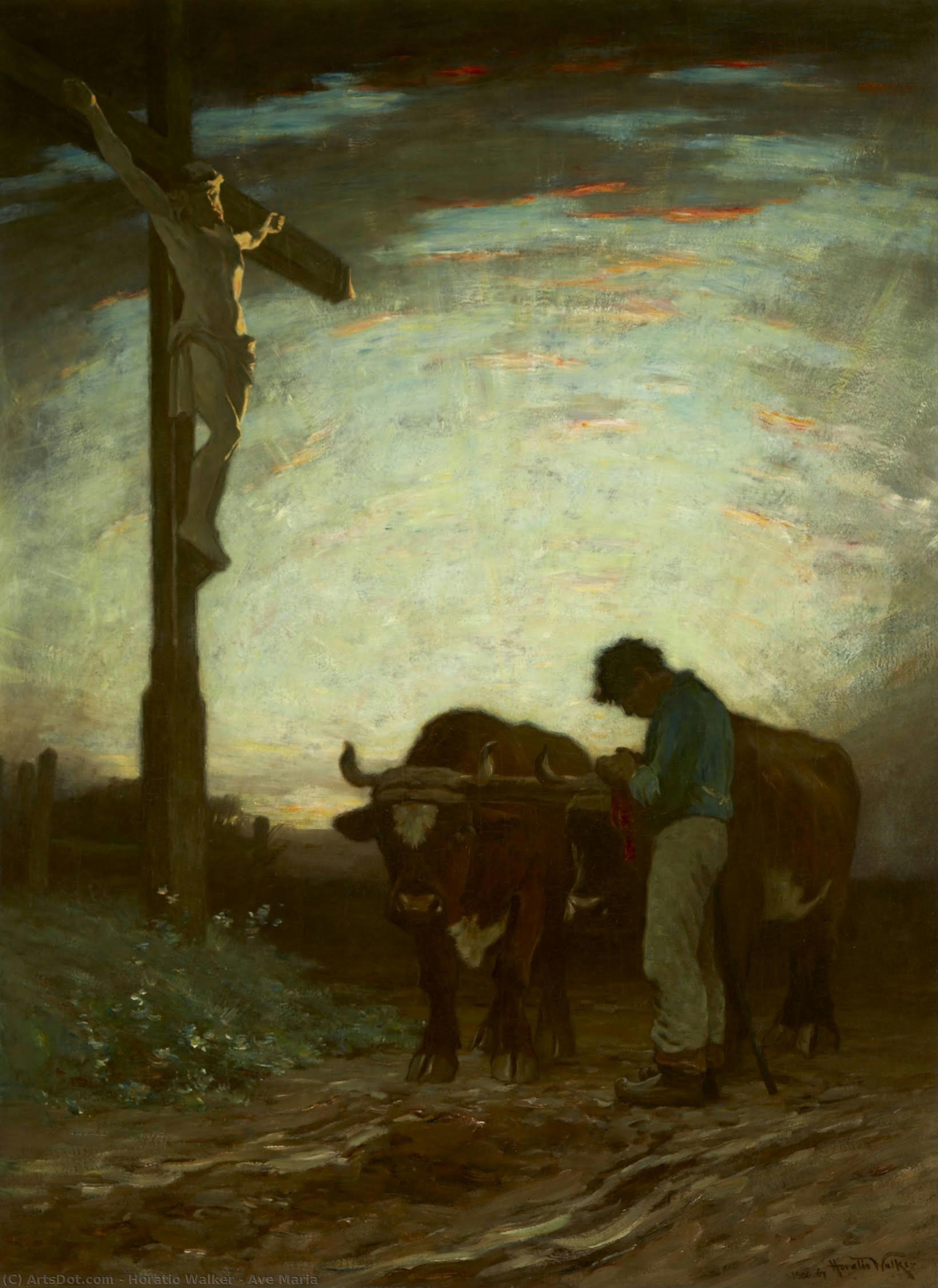
Ave Maria


 Rozwiń treść
Ręcznie malowana reprodukcja olejowa
Ręcznie malowany obraz olejny na płótnie, wykonany na zamówienie przez naszych artystów w wybranym przez Ciebie wymiarze i oprawie. ( Zamów wydruk Kup obraz wysokiej rozdzielczości)




P118B $10

P118H $10

P118W $10

P438Z $10

P508JH $12

P508YH $12

P805H $10

P805Z $10

P919BZ $10

P919G $10

P919XJ $10

P959ZH $10

P968JZ $12

W106C $8

W218G $10

W218JH $8

W218Y $10

W307PJ $10

W316G $10

W316PJ $8

W316Y $10

W398PJ $8

W4111J $10

W500HY $15

W500JH $15

W692G $12

W849H $8

W940BG $15

W953PJ $8




Wybierz spośród naszych standardowych rozmiarów, które zachowują oryginalne proporcje dzieła sztuki.

Możesz wprowadzić własne wymiary, aby dopasować obraz do konkretnej ramy lub przestrzeni. Jeśli wybrany rozmiar nie będzie odpowiadał proporcjom oryginału, przytniecie dzieło sztuki lub rozszerzymy je o dodatkowe elementy, ręcznie domalowane przez artystę. Przed rozpoczęciem produkcji wyślemy projekt cyfrowy do Twojej akceptacji.
Należy pamiętać, że podgląd na ekranie nie odzwierciedla rzeczywistego przycinania ani rozszerzania obrazu. Tylko projekt dokładnie pokaże ostateczną kompozycję.
Choć oferujemy możliwość zamówienia niestandardowych rozmiarów, zalecamy wybór wymiaru z gotowej listy, aby zachować oryginalne proporcje dzieła.
Po złożeniu zamówienia zespół ArtsDot.com skontaktuje się z klientem drogą mailową w celu uzyskania instrukcji i prześle wizualizację projektu
Dostawa na całym świecie () w ciągu 3–4 tygodni zamiast standardowych 5 tygodni. (16 Sierpień). Bez kompromisów w kwestii jakości.

Bezpłatna ekspresowa wysyłka na cały świat

Wysokiej jakości płótno lniane

Pełne ubezpieczenie przesyłki

Gwarancja zwrotu należności celnych i podatków importowych

Gwarancja wiernego odwzorowania kolorów

Polityka 60-dniowego zwrotu (tylko w przypadku wad)

Gwarancja 100% zwrotu kosztów

Zniżka przy zamówieniu wielu produktów
 Opcja ze szkłem jest dostępna wyłącznie w rozmiarach poniżej 110 cm

Ave Maria
Technika reprodukcji
Wymiary reprodukcji
-


Cena całkowita
$ 263
Opis dzieła
Horatio Walker – Pionier Francuskiego Realizmu i Inspiracji Ruralną Estetyką
Horatio Walker (1858–1938) był kanadyjskim malarzem znanym przede wszystkim z obrazów przedstawiających życie wiejskie w Quebecu, które zainspirowane były szkołą Barbizon i francuską tradycją realizmu. Jego twórczość wyróżnia się niezwykłą szczegółowością techniczną oraz głębokim zrozumieniem kultury francuskiego chłopstwa XIX wieku – obszarem zainteresowań wielu innych artystów tamtej epoki. Walker nie posiadał formalnego wykształcenia akademickiego, lecz nauczył się malować dzięki praktyce zawodowej w renomowanym studiu fotograficznym Notman & Fraser oraz pod wpływem doświadczeń związanych z podróżami po Europie i kontaktami z najlepszymi twórcami sztuki francuskiej. Jego obraz „Ave Maria” stał się jednym z najbardziej rozpoznawalnych dzieł jego twórczości, ukazując jednocześnie piękno krajobrazu francuskiego oraz głębokie emocje związane z wierą katolicką.- Styl: Barbizon – szkoła malarska skupiona na wiernym odwzorowaniu rzeczywistości przy użyciu jasnych kolorów i miękkich faktur, inspirowana impresjonizmem i zainteresowaniem naturą
- Technika: Olej na płótnie – Walker wykorzystywał technikę olejową, która pozwalała osiągnąć doskonałą trwałość obrazu oraz uzyskać efekt głębi i atmosfery charakterystyczny dla stylu Barbizon. Szczególną uwagę zwracał na szczegółowe odwzorowanie tekstur powierzchni – drewnianych elementów konstrukcji budynków wiejskich oraz liści drzew i kwiatów
- Materiał: Płótno bawełniane – Wykorzystywane płótna były wybierane z uwzględnieniem ich właściwości technicznych oraz odporności na działanie czynników atmosferycznych. Materiał był przygotowywany specjalnie przez lokalnych tkaczy i posiadał odpowiednią gramaturę oraz fakturę
- Kolorystyka: Ciepłe barwy ziemne – Dominującą kolorystykę obrazu stanowiły ciepłe odcienie ziemi – ochra, pomarańczowego oraz czerwonego – które miały oddawać atmosferę francuskiego krajobrazu wiejskiego oraz emocje związane z religijnym kultem
Podobne dzieła


O artyście
Early Life and Artistic Foundations
Horatio Walker, born in Listowel, Upper Canada, in 1858, emerged from a modest background where the seeds of artistic inclination were nonetheless carefully nurtured. His parents, Thomas and Jeanne Maurice Walker, instilled a value for education and creative expression that would profoundly shape his life’s path. Though his father pursued various trades – cabinetmaking, timber trading, and even dabbling in sculpture – he consistently encouraged young Horatio's burgeoning talent for drawing. Early trips with his father to the Quebec City region introduced him to Île d’Orléans, a landscape that would become inextricably linked with his artistic identity. This initial exposure sparked a lifelong fascination with rural life and the picturesque beauty of the Canadian countryside. In 1873, Walker moved to Toronto, beginning an apprenticeship at the renowned Notman & Fraser photographic studio. This formative experience proved invaluable, providing him not only with technical skills in composition and lighting but also exposing him to a vibrant artistic milieu. It was here he studied under Robert Ford Gagen and John Arthur Fraser, honing his abilities in watercolour and miniature portraiture.European Influences and the Shaping of a Style
Driven by an ambition to refine his skills and broaden his artistic horizons, Walker embarked on a journey to Europe in 1876. He immersed himself in the art world of France, studying the works of both the Barbizon painters and the emerging Impressionists. The Barbizon school’s emphasis on realism, their dedication to depicting rural scenes with honesty and sensitivity, resonated deeply with Walker's own artistic sensibilities. Simultaneously, he absorbed elements of Impressionist technique, particularly their innovative use of light and color, which began to subtly infuse his work. This period was crucial in solidifying his aesthetic direction, blending a commitment to realistic representation with an increasingly nuanced understanding of atmospheric effects. Upon returning to North America, Walker actively sought connection within the artistic community, joining organizations like the American Watercolor Society, fostering opportunities for exhibition and collaboration. His marriage to Jeanette Pretty in 1883 marked a period of personal stability, allowing him to further dedicate himself to his craft.Mature Period: Capturing the Essence of Rural Canada
The years following 1883 witnessed the full flowering of Walker’s distinctive style. He developed a remarkable ability to capture the beauty and tranquility of the Canadian landscape, particularly the agrarian scenes of Quebec. His paintings are characterized by meticulous attention to detail, a soft and harmonious color palette, and a profound sense of atmosphere. The influence of his early photographic training is evident in the carefully composed arrangements and sharp focus found in many of his works. However, it was his deep connection to Île d’Orléans that truly defined his artistic vision. He purchased a home there in 1888, establishing a permanent base from which to observe and document the rhythms of rural life. Walker's paintings weren’t merely depictions of scenery; they were celebrations of a way of life – the hard work, the quiet dignity, and the enduring connection between people and the land. His success grew steadily, with exhibitions throughout North America and Europe garnering critical acclaim and numerous awards. A significant milestone arrived in 1913 when he was elected a full member of the Royal Canadian Academy, solidifying his position as one of Canada’s leading artists.Legacy and Historical Significance
In 1928, Horatio Walker retired to Sainte-Pétronille, Quebec, but even in retirement, he continued to paint occasionally, remaining an active participant in the art community until his death in 1938. Though his fame waned somewhat after his passing, particularly during the shifts in artistic taste that followed the Quiet Revolution in Quebec, a renewed appreciation for his work emerged in recent decades. Walker is now recognized as a pivotal figure in Canadian art history – a master of landscape painting who captured the essence of rural Canada with unparalleled sensitivity and skill. He bridged the gap between European traditions like the Barbizon school and a uniquely Canadian artistic vision. His paintings offer not only beautiful depictions of the natural world but also valuable insights into the social and cultural life of French-Canadian communities in the late 19th and early 20th centuries. Oxen Drinking and Ploughing – The First Gleam, remain iconic representations of his artistic achievement, testaments to a talent that continues to resonate with audiences today. He is remembered as “the herald of Île d’Orléans,” an artist who dedicated his life to celebrating the beauty and dignity of rural Canada.
Horatio Walker
1858 - 1938 , Canada
Krótka nota
- Artistic Movement Or Style: Barbizon School, Realism
- Artists Or Movements Influenced By This Artist: Canadian landscape painting
- Artists Who Influenced This Artist:
- Barbizon painters
- Jean-François Millet
- Gainsborough
- Constable
- Date Of Birth: May 12, 1858
- Date Of Death: September 27, 1938
- Full Name: Horatio Walker
- Nationality: Canadian
- Notable Artworks:
- Sheepyard, Moonlight
- Ave Maria
- Oxen Drinking
- Ploughing—The First Gleam
- Place Of Birth: Listowel, Canada
Powiązane artykuły

George Agnew Reid: A Canadian Impressionist's Pursuit of Light, Colour, and National Identity
Explore the life & work of George Agnew Reid, a pivotal figure in Canadian Impressionism. Discover his genre paintings, mural commissions, and lasting influence on art education & national identity. A comprehensive guide for collectors & enthusiasts.

Szkoła z Barbizon: Narodziny Realizmu i Pastoralna Wizja w Malarstwie Francuskim XIX Wieku
Poznaj historię Szkoły z Barbizon – przełomowego ruchu artystycznego XIX wieku, który zrewolucjonizował malarstwo krajobrazowe. Analiza twórczości barbizończyków, ich wpływ na realizm i impresjonizm. Ekspercka analiza ArtsDot.

Arthur Lismer: A Pioneer of Canadian Modernism & the Group of Seven's Visionary Spirit
Explore the life & art of Arthur Lismer, a pivotal figure in Canadian Modernism and founding member of the Group of Seven. Discover his landscapes, teaching legacy & lasting influence on Canadian art history.

Echoes of Rural Life: Art's Enduring Representations of the Countryside
Odkryj fascynującą historię sztuki wiejskiej! Analizujemy poetyckie krajobrazy, fotografie i malarstwo od XIX wieku do współczesności. Ekspercka analiza dzieł Bloomfielda, Olszyńskiego i Hirszenbergów. Znajdź inspirację i reprodukcje na ArtsDot.

Szkoła Haska: Realizm, Atmosfera i Świt Holenderskiego Impresjonizmu – Przewodnik dla Koneserów Sztuki
Poznaj fascynującą historię Szkoły Haskiej – przełomowego ruchu artystycznego łączącego realizm z impresjonizmem. Analiza kluczowych artystów, atmosfery i wpływu na holenderską sztukę. Ekskluzywny przewodnik dla koneserów.


