


 Podgląd w skali
 Wyślij jako kartkę
 Udostępnij
 Szczegóły dzieła

 Pobierz
 Podobne obiekty
 RTG
RTG Pokaz slajdów
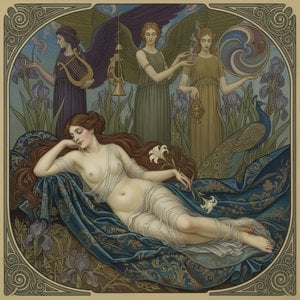
Oil Study

 Rozwiń treść
Ręcznie malowana reprodukcja olejowa
Ręcznie malowany obraz olejny na płótnie, wykonany na zamówienie przez naszych artystów w wybranym przez Ciebie wymiarze i oprawie. ( Zamów wydruk Kup obraz wysokiej rozdzielczości)




































Wybierz spośród naszych standardowych rozmiarów, które zachowują oryginalne proporcje dzieła sztuki.

Możesz wprowadzić własne wymiary, aby dopasować obraz do konkretnej ramy lub przestrzeni. Jeśli wybrany rozmiar nie będzie odpowiadał proporcjom oryginału, przytniecie dzieło sztuki lub rozszerzymy je o dodatkowe elementy, ręcznie domalowane przez artystę. Przed rozpoczęciem produkcji wyślemy projekt cyfrowy do Twojej akceptacji.
Należy pamiętać, że podgląd na ekranie nie odzwierciedla rzeczywistego przycinania ani rozszerzania obrazu. Tylko projekt dokładnie pokaże ostateczną kompozycję.
Choć oferujemy możliwość zamówienia niestandardowych rozmiarów, zalecamy wybór wymiaru z gotowej listy, aby zachować oryginalne proporcje dzieła.
Po złożeniu zamówienia zespół ArtsDot.com skontaktuje się z klientem drogą mailową w celu uzyskania instrukcji i prześle wizualizację projektu
Dostawa na całym świecie () w ciągu 3–4 tygodni zamiast standardowych 5 tygodni. (16 Sierpień). Bez kompromisów w kwestii jakości.

Bezpłatna ekspresowa wysyłka na cały świat

Wysokiej jakości płótno lniane

Pełne ubezpieczenie przesyłki

Gwarancja zwrotu należności celnych i podatków importowych

Gwarancja wiernego odwzorowania kolorów

Polityka 60-dniowego zwrotu (tylko w przypadku wad)

Gwarancja 100% zwrotu kosztów

Zniżka przy zamówieniu wielu produktów
 Opcja ze szkłem jest dostępna wyłącznie w rozmiarach poniżej 110 cm

Oil Study
Technika reprodukcji
Wymiary reprodukcji
-


Cena całkowita
$ 288
Podobne dzieła


O artyście
Herbert James Draper (1863-1920): A Life Immersed in Myth and Beauty
Herbert James Draper, a name resonating with the echoes of Victorian and Edwardian artistry, was born in London in 1863, a city brimming with both industrial progress and a fervent revival of classical ideals. The son of a fruit merchant, his path diverged from commerce towards the realm of aesthetic expression—a decision that would ultimately define his artistic career. His early education at Bruce Castle School instilled him with foundational knowledge, but it was within the hallowed halls of the Royal Academy Schools that Draper’s artistic destiny truly began to unfold. He demonstrated an immediate aptitude and ambition, qualities recognized in 1889 when he secured both the prestigious Royal Academy Gold Medal and a Travelling Studentship—a remarkable accomplishment for a young man at the time. This invaluable opportunity propelled him on formative journeys through Rome and Paris between 1888 and 1892, experiences that indelibly shaped his artistic sensibility. These European sojourns weren’t merely geographical shifts; they were immersions into the heart of classical tradition, fostering an appreciation for idealized form and graceful composition—principles he would tirelessly champion throughout his life.The Classical Influence: Shaping Draper's Artistic Vision
Draper’s formative years in Rome and Paris proved pivotal in establishing his artistic worldview. He spent considerable time studying sculptures by Michelangelo and Bernini, absorbing the grandeur of Roman architecture and immersing himself in the intellectual currents of the Aesthetic movement. This exposure profoundly impacted his stylistic choices, prioritizing beauty and sensual appeal alongside meticulous attention to detail—a hallmark that would characterize his oeuvre. The influence of classical sculpture is palpable in Draper’s compositions; he sought to emulate the serene dignity and harmonious balance found in masterpieces like Apollo Belvedere and Venus Pudica. Furthermore, he embraced the Aesthetic movement's emphasis on emotional expression and subjective experience, rejecting academic conventions in favor of a more personal artistic voice. This fusion resulted in an aesthetic that captivated audiences during his lifetime and continues to resonate with scholars today.The Mythological Narrative: Draper’s Artistic Obsession
Around 1894, Draper decisively turned his gaze towards mythological narratives drawn from the rich tapestry of ancient Greek stories—a fascination that would dominate his artistic output for decades to come. He wasn't merely illustrating myths; he was reimagining them through a distinctly personal lens, imbued with psychological depth and emotional intensity. His style is undeniably Neoclassical, yet it transcends mere imitation, skillfully integrating elements of the Aesthetic movement’s sensual exploration of form and color. Draper’s depictions of mythological figures—particularly women—were particularly noteworthy. He approached these subjects with reverence and sensitivity, capturing their ethereal beauty while simultaneously hinting at hidden passions and desires. The Lament for Icarus exemplifies this artistic ethos perfectly; it portrays a poignant scene of grief amidst breathtaking visual splendor, reflecting Draper's profound understanding of human emotion and his masterful command of artistic technique.Notable Achievements: Recognition and Artistic Legacy
Draper’s talent garnered considerable acclaim during his lifetime. He regularly exhibited at the Royal Academy from 1890 onwards—a testament to his unwavering dedication to his craft—and became a sought-after portrait painter among London's elite, securing commissions from prominent figures of the era. Despite this success, he never achieved membership or associateship within the Royal Academy—an intriguing omission considering his prolific output and artistic reputation. However, Draper’s legacy extends beyond individual artworks; it resides in his contribution to British art during a period of significant cultural transformation. His pioneering exploration of mythological themes paved the way for subsequent generations of artists, influencing stylistic trends and fostering an enduring appreciation for classical inspiration. The gold medal awarded at the Exposition Universelle in Paris in 1900 solidified his position as one of Britain’s foremost artistic voices—a recognition that underscored the transformative power of his vision.A Lasting Impression: Draper's Artistic Technique and Enduring Appeal
Draper’s technique was characterized by meticulous attention to detail, achieved through painstaking layering of glazes and pigments—a hallmark of Neoclassical painting. He sought to capture the luminosity of skin and drapery with remarkable accuracy, creating surfaces that seemed to shimmer with life—a feat accomplished through masterful manipulation of light and color. His ability to convey emotion through visual imagery remains profoundly compelling today, demonstrating the enduring power of art to transcend time and cultural boundaries. Draper’s paintings continue to inspire admiration for their beauty, psychological depth, and unwavering commitment to classical ideals—a testament to his artistic genius and a lasting contribution to British art history.
Herbert James Draper
1863 - 1920 , Wielka Brytania
Krótka nota
- Artistic Movement Or Style: Neoclassical
- Date Of Birth: November 26, 1863
- Date Of Death: September 22, 1920
- Full Name: Herbert James Draper
- Nationality: British
- Notable Artworks:
- The Lament for Icarus
- Ulysses and the Sirens
- The Kelpie
- Ariadne
- Place Of Birth: London, UK
Powiązane artykuły

Sir Alfred James Munnings: 25 Arcydzieł Malarstwa Koni i Angielskiej Wsi | ArtsDot.com
Odkryj 25 arcydzieł Sir Alfreda Jamesa Munningsa – mistrza malarstwa koni i angielskiego krajobrazu. Poznaj historię, technikę i piękno jego obrazów. Reprodukcje najwyższej jakości na ArtsDot.com! Eksploruj pełną kolekcję online.
Herbert James Draper: Symbolism, Sensuality & the Aesthetic Movement
Explore the captivating world of Herbert James Draper, a master of Victorian Neoclassical painting. Discover his sensual mythological scenes, symbolic depth & influence on the Aesthetic Movement. Learn more at ArtsDot.

James Abbott McNeill Whistler: 25 Arcydzieł Sztuki Pejzażowej i Portretowej | ArtsDot
Odkryj 25 arcydzieł Jamesa Abbotta McNeilla Whistler'a! Poznaj historię impresjonistycznych pejzaży, portretów i słynnych 'Nokturnów'. Reprodukcje obrazów najwyższej jakości na ArtsDot.com – inspiracje dla Twojego wnętrza.

Trwała Spuścizna Malarstwa Olejnego: Technika, Historia i Estetyczny Wpływ
Poznaj historię i technikę malarstwa olejnego! Eksperckie artykuły o konserwacji, renowacji oraz współczesnych zastosowaniach. Dowiedz się więcej o mistrzach i trwałości obrazów olejnych.

Olej na płótnie: Historia, techniki i ponadczasowy urok malarskiego medium
Poznaj historię i techniki malarstwa olejowego! Od renesansowych mistrzów po współczesne zastosowania – wszystko o oleju na płótnie. Poradniki, konserwacja i inspiracje dla pasjonatów sztuki.

