


 Zobacz w skali 1:1
 Wyślij
 Udostępnij
 Szczegóły
 Przewodnik

 Pobierz plik obrazu
 Podobne obiekty
 RTG
RTG Pokaz slajdów
 Statystyki
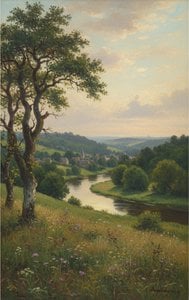
The Lake
 Acrylic On Canvas
- WallArt
- Barbizon School
 1897
1897- 19th Century
 27.0 x 41.0 cm
 Fitzwilliam College
 Czytaj więcej
Giclée / Wydruk artystyczny
Wydruki giclée lub płótna o jakości muzealnej, szybka realizacja i szeroki wybór opcji wykończenia. ( Kup ręcznie malowany obraz Przełącz na wersję cyfrową)




P118B $10

P118H $10

P118W $10

P438Z $10

P508JH $12

P508YH $12

P805H $10

P805Z $10

P919BZ $10

P919G $10

P919XJ $10

P959ZH $10

P968JZ $12

W106C $8

W218G $10

W218JH $8

W218Y $10

W307PJ $10

W316G $10

W316PJ $8

W316Y $10

W398PJ $8

W4111J $10

W500HY $15

W500JH $15

W692G $12

W849H $8

W940BG $15

W953PJ $8




Wybierz spośród naszych standardowych rozmiarów, które zachowują oryginalne proporcje dzieła sztuki.

Możesz wprowadzić własne wymiary, aby dopasować dzieło do konkretnej ramy lub przestrzeni. Jeśli wybrany rozmiar nie będzie odpowiadał proporcjom oryginalnego obrazu, przytniecie dzieło lub rozszerzymy obraz za pomocą odbicia lustrzanego lub jednolitego wypełnienia krawędzi. Przed rozpoczęciem produkcji prześlemy cyfrową wizualizację do Twojej akceptacji.
Prosimy pamiętać, że podgląd na ekranie nie odzwierciedla faktycznego przycinania ani rozszerzania. Tylko wizualizacja dokładnie pokaże końcową kompozycję.
Mimo dostępności niestandardowych rozmiarów, zalecamy wybór wymiaru z listy zdefiniowanej, aby zachować oryginalne proporcje.
Dostawa na cały świat () w ciągu 2 tygodni zamiast standardowych 4/5 tygodni. (26 Wrzesień)

Bezpłatna ekspresowa wysyłka na cały świat

Wysokiej jakości płótno lniane

Pełne ubezpieczenie transportowe

Gwarancja zwrotu należności celnych i podatków importowych

Gwarancja idealnego odwzorowania barw

100-dniowy okres na zwrot dzieła w przypadku wykrycia wad produkcyjnych

Gwarancja 100% zwrotu pieniędzy

Oferta przy zakupie wielu sztuk
 Opcja ze szkłem jest dostępna wyłącznie w rozmiarach poniżej 110 cm

The Lake
Giclée / Wydruk artystyczny
Rozmiar reprodukcji
-


Suma do zapłaty
$ 62
A Moment Frozen in Time: The Essence of the Barbizon School
Henri-Joseph Harpignies’ “The Lake,” painted in 1897, isn't merely a landscape; it’s an immersion into a profound sense of serenity. This evocative work, rendered with the meticulous detail characteristic of the Barbizon School, captures a fleeting moment on the shores of a still lake nestled within a dense, verdant forest. The scene unfolds beneath a diffuse, almost ethereal light – not the harsh glare of midday, but rather the soft, pearlescent glow that suggests twilight or early morning. This subtle illumination is key to the painting’s power; it washes over the trees and water with an otherworldly quality, creating an atmosphere of quiet contemplation.
The Barbizon School, a movement that emerged in the mid-19th century, represented a deliberate rebellion against the rigid academic traditions of the Salon. Rejecting idealized forms and theatrical compositions, these artists sought to capture the essence of nature as they experienced it – directly from life, often painting outdoors (en plein air). Harpignies’ work exemplifies this philosophy; he eschews dramatic perspective or elaborate ornamentation, instead focusing on the subtle nuances of light, color, and texture. The trees themselves are not sharply defined but rather suggested through a layering of greens and browns, conveying their mass and volume with remarkable sensitivity.
The Language of Light and Color: Harpignies’ Technique
Harpignies' mastery lies in his ability to translate the ephemeral qualities of light onto canvas. He employs a broken brushstroke technique – short, distinct marks that build up layers of color rather than blending them seamlessly. This creates a shimmering effect, particularly noticeable on the surface of the lake, where reflections dance and ripple with an almost palpable energy. The palette is restrained yet rich, dominated by muted greens, browns, and blues, punctuated by flashes of golden light filtering through the trees. Notice how he uses variations in tone – from deep shadows to vibrant highlights – to create a sense of depth and volume, drawing the viewer into the heart of the scene.
The artist’s attention to detail is equally impressive. The delicate branches of the trees, the subtle ripples on the water's surface, and even the suggestion of birds in flight are rendered with remarkable precision. Yet, despite this meticulousness, the painting never feels cluttered or overly detailed; rather, it exudes a sense of effortless grace and spontaneity – as if Harpignies captured a fleeting moment of beauty without hesitation.
Symbolism and Emotional Resonance: A Sanctuary of Peace
“The Lake” transcends a simple depiction of a landscape. It’s imbued with a powerful sense of tranquility and solitude, inviting the viewer to step into its serene embrace. The lake itself can be interpreted as a symbol of reflection – a mirror reflecting not only the surrounding environment but also the inner state of the observer. The dense forest provides a sense of enclosure and protection, suggesting a retreat from the complexities of modern life.
Furthermore, the painting’s muted color palette and soft light evoke feelings of nostalgia and longing – a yearning for simpler times and a connection with nature. It's a scene that speaks to our innate desire for peace and quiet, reminding us of the restorative power of the natural world. The inclusion of birds adds a touch of life and movement, hinting at the beauty and vitality that still exist within this secluded sanctuary.
Bringing “The Lake” Home: A Reproduction Worth Cherishing
ArtsDot offers exquisite hand-painted reproductions of Harpignies’ "The Lake," meticulously crafted to capture the essence of the original masterpiece. Each reproduction is created by skilled artists using archival-quality materials, ensuring that it will retain its beauty and vibrancy for generations to come. Whether you're seeking a stunning addition to your living room, bedroom, or office, this painting will undoubtedly bring a sense of tranquility and inspiration into your space.
Podobne dzieła


Biografia artysty
Henri Harpignies – A Master of Barbizon Landscape
Henri-Joseph Harpignies (ur. 28 czerwca 1819 w Valenciennes, zm. 28 sierpnia 1916 w Saint-Privé) – francuski malarz i grafik związany ze barbizończykami. Urodził się w zamożnej rodzinie mieszczańskiej, gdy zdecydował się na karierę artystyczną został odtrącony przez bliskich i poszedł na piechotę do Paryża, by realizować swoje plany życiowe. Początkowo pracował jako nauczyciel rysunku, uczył się w paryskim atelier malarza Jeana Acharda, gdzie rozwijał swoje umiejętności rysunkowe. Po powrocie z podróży do Włoch zaprzyjaźnił się z Jeanem Corotem i zainteresował twórczością barbizończyków. Pierwszy duży sukces Harpignies odniósł późno, bo dopiero w 1861 w paryskim Salonie zauważono jego obraz Lisière de bois sur les bords de l'Allier. Od tego roku artysta systematycznie wystawiał w Paryżu, kilkakrotnie otrzymując medale. W 1878 przeniósł się na stałe do Auxerre, gdzie dożył późnej starości. W 1911 otrzymał Krzyż Wielki Legii Honorowej.- Early Life and Training: Harpignies’s upbringing instilled in him a desire for independence and artistic pursuits despite familial expectations. His formal training began in Paris with Jean Achard, focusing on mastering draughtsmanship – a foundational skill that would define his approach to landscape painting.
The Barbizon School and Italian Influence
His formative encounter with the Barbizon School’s philosophy profoundly impacted Harpignies' artistic vision. Artists like Jean-Baptiste-Camille Corot championed direct observation of nature and realistic depictions of rural life, principles that resonated deeply within Harpignies’s soul. The trip to Italy in 1848 solidified his connection with these influential painters and broadened his artistic horizons.- Collaborative Journey: Harpignies embarked on a memorable expedition with Corot to Italy in 1860, immersing himself in the landscapes and traditions of the Renaissance.
Artistic Development and Style
Harpignies’s distinctive style is characterized by serene and idyllic portrayals of the French countryside. He skillfully captured subtle nuances of light and atmosphere, creating landscapes that evoke tranquility and harmony. His technique involved meticulous observation combined with a refined understanding of composition. Harpignies developed his own artistic voice while retaining the Barbizon School's commitment to realism.- Technique: Harpignies favored oil paints and aquarelle, allowing him to convey textures and moods with remarkable precision.
Notable Works
- Soir sur les bords de la Loire (Evening on the Banks of the Loire): This iconic painting exemplifies Harpignies’s mastery of atmospheric perspective, capturing the golden hues of twilight over the Loire Valley.
- Les Corbeaux (The Ravens): Demonstrating his ability to convey emotion and detail within a natural setting, “Les Corbeaux” remains one of Harpignies' most recognizable pieces.
- Le Soir (Evening): Harpignies’s depiction of dusk is imbued with a palpable sense of stillness and beauty.
- La Loire (The Loire): Another stunning portrayal of the Loire River, showcasing Harpignies’s exceptional skill in capturing water reflections and light effects.
- Vue de Saint-Privé (View of Saint-Privé): This picturesque scene captures the charm of a French village with delicate brushstrokes and harmonious color palettes.
Legacy and Influence
Harpignies’s artistic legacy extends beyond his own paintings. He served as a dedicated teacher, nurturing talent in numerous students who would carry on his artistic traditions. His influence can be seen in the subsequent generations of landscape painters who embraced his approach to capturing nature's grandeur with honesty and sensitivity. Harpignies’s work continues to inspire admiration for its beauty and technical excellence.Historical Significance
Henri-Joseph Harpignies stands as a pivotal figure in the history of French landscape painting, representing a culmination of Barbizon ideals. His unwavering devotion to observation and artistic integrity cemented his place among the most respected artists of his era. Today, Harpignies’s paintings reside in prominent museums across Europe and America, ensuring that his enduring contribution to art history is recognized worldwide.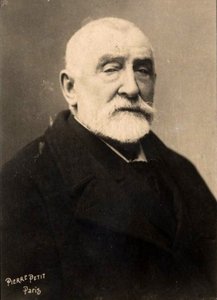
Henri-Joseph Harpignies
1819 - 1916 , Francja
Najważniejsze informacje
- Artistic Movement Or Style: Barbizonizm
- Artists Or Movements Influenced By This Artist: ['Jean Baptiste Camille Corot']
- Artists Who Influenced This Artist: ['Jean Achard']
- Date Of Birth: 28 czerwca 1819
- Date Of Death: 28 sierpnia 1916
- Full Name: Henri-Joseph Harpignies
- Nationality: Francuz
- Notable Artworks:
- Soir sur les bords de la Loire
- Les Corbeaux
- Le Soir
- Place Of Birth: Walencja, Francja
Zobacz także powiązane artykuły

John Constable: 25 Najlepszych Obrazów Mistrza Angielskiego Krajobrazu | ArtsDot
Odkryj 25 arcydzieł Johna Constable'a – mistrza angielskiego krajobrazu! Poznaj romantyczne pejzaże, technikę malarską i inspiracje z Dedham Vale. Reprodukcje obrazów najwyższej jakości na ArtsDot.com. Eksploruj pełną kolekcję online!

Henri Matisse: 25 Arcydzieł Koloru i Inspiracji | ArtsDot.com
Odkryj 25 arcydzieł Henri Matisse’a – od żywych kolorów fauwizmu po ikoniczne kompozycje. Poznaj historię, technikę i inspiracje malarstwa francuskiego. Reprodukcje obrazów najwyższej jakości na ArtsDot.com! Eksploruj kolekcję online.

Romantyczny Krajobraz w Malarstwie: 10 Arcydzieł, Które Zdefiniowały Epokę | ArtsDot.com
Odkryj 10 arcydzieł romantyzmu w malarstwie! Poznaj historie Caspara Davida Friedricha, Turnera i innych mistrzów. Inspiracje wnętrzarskie & reprodukcje obrazów najwyższej jakości na ArtsDot.com. Eksploruj kolekcję online!

Evocations of Place: A Historical Journey Through Landscape Art
Explore the rich history of landscape art with ArtsDot. Discover renowned artists, movements like Impressionism & Romanticism, and expert guidance for collecting timeless pieces. Find your perfect serene escape today!
Henri-Joseph Harpignies: Capturing the Poetic Essence of the French Landscape
Explore the serene landscapes of Henri-Joseph Harpignies, a master of the Barbizon School. Discover his atmospheric paintings, recurring themes & enduring legacy in 19th-century French art. Learn more at ArtsDot.