

 Podgląd w skali 1:1

 Wyślij jako kartkę
 Udostępnij
 Szczegóły dzieła
 Przewodnik


 Pobierz obraz
 Podobne obiekty
 RTG
 Pokaz slajdów
 Pytania i odpowiedzi
 Statystyki
Harbour Town

- 96.0 x 130.0 cm


 Rozwiń treść
Dzieło sztuki prezentowane na tej stronie podlega ochronie prawem autorskim, co oznacza, że nie mamy prawa do tworzenia ani sprzedaży jego identycznej reprodukcji. Ochrona ta jest egzekwowana na mocy umów międzynarodowych, takich jak Konwencja berneńska oraz przez przepisy prawa krajowego, w tym te określone w Prawo autorskie USA – Tytuł 17.
Metoda ta jest w pełni zgodna z przepisami prawa autorskiego, ponieważ nie polega na kopiowaniu ani powielaniu chronionego dzieła. Stanowi ona kreatywną reinterpretację – nowy obraz, który czerpie inspirację z oryginału, ale nie jest z nim tożsamy.
Giclée / Wydruk artystyczny
Wydruki giclée lub płótna o jakości muzealnej, szybka realizacja i szeroki wybór opcji wykończenia. ( Zamów ręcznie malowaną reprodukcję Przejdź do wersji cyfrowej)




































Wybierz spośród naszych standardowych rozmiarów, które zachowują oryginalne proporcje dzieła sztuki.

Wpisz wymaganą szerokość i wysokość, aby dopasować grafikę do ramy lub ściany. Wydruk można jedynie przyciąć, nigdy nie powiększając go poza oryginalny obraz, dlatego format o innych proporcjach spowoduje utratę części kompozycji. Przed rozpoczęciem druku prześlemy Ci cyfrowy podgląd do zatwierdzenia. Obraz wyświetlany na tej stronie nie pokazuje rzeczywistego przycięcia — jedynie podgląd oddaje ten efekt.
Dostawa na cały świat () w ciągu 2 tygodni zamiast standardowych 4/5 tygodni. (16 Listopad)

Bezpłatna ekspresowa wysyłka na cały świat

Wysokiej jakości płótno lniane

Pełne ubezpieczenie przesyłki

Gwarancja zwrotu należności celnych i podatków importowych

Gwarancja wiernego odwzorowania kolorów

100-dniowa polityka zwrotów (tylko w przypadku wad)

Gwarancja 100% zwrotu pieniędzy

Zniżka przy zakupie wielu sztuk
 Opcja ze szkłem jest dostępna wyłącznie w rozmiarach poniżej 110 cm

Harbour Town
Giclée / Wydruk artystyczny
Wymiary reprodukcji
-


Cena całkowita
zł 245
Podobne dzieła


Biografia artysty
Harry Morton Colvile (1905–1992): A Painter's Embrace of Light and Landscape
Harry Morton Colvile (1905–1992) remains a celebrated figure in British landscape painting, remembered not merely for his captivating canvases but also for his unwavering dedication to exploring the profound connection between art and nature. Born in Preston, Lancashire, he possessed an innate curiosity about the natural world from infancy—a fascination that would permeate his artistic life and guide him toward crafting landscapes imbued with both luminous color and understated geometric precision. His formative years at Slade School of Fine Art in London provided invaluable technical grounding while simultaneously exposing him to the groundbreaking ideas championed by André Lhote, whose geometric abstraction revolutionized painting by prioritizing expressive visual elements over meticulous realism.Early Influences: Monet and Pissarro’s Legacy
Colvile's artistic sensibilities were profoundly shaped by encounters with Impressionist masters Claude Monet and Camille Pissarro—artists who fundamentally challenged the conventions of academic art by emphasizing fleeting impressions of light and color. Recognizing the transformative potential of these pioneering approaches, Colvile deliberately distanced himself from traditional techniques, adopting a palette brimming with vibrant hues and employing loose brushstrokes that captured the ephemeral qualities of atmospheric conditions. This stylistic decision reflected a broader artistic ethos—one rooted in a belief that art should strive to convey not just what is seen but also how it feels.Parisian Exploration: The Crucible of Artistic Innovation
In 1932, Colvile embarked on a transformative journey to Paris—a city renowned for its vibrant cultural landscape and its role as a vanguard of artistic experimentation. Recognizing the dynamism of Parisian artistic culture, he immersed himself in the milieu of avant-garde painting, forging connections with fellow artists who embraced Lhote’s reductive aesthetic. This period proved pivotal in solidifying Colvile's stylistic identity—a style characterized by luminous color palettes and simplified forms that would become his trademark throughout his career. The influence of Lhote’s geometric abstraction is palpable in Colvile’s compositions, demonstrating his willingness to engage with innovative visual languages and pushing the boundaries of artistic convention.Style Development: Synthesizing Luminosity and Geometry
Colvile's distinctive style evolved over time—reflecting a deepening understanding of perceptual processes and compositional principles. He skillfully blended Impressionistic luminosity with geometric simplification, creating landscapes that resonated with both atmospheric depth and structural clarity. This synthesis—a hallmark of Colvile’s oeuvre—represented a significant departure from traditional landscape painting while simultaneously upholding the core values of Impressionism: an appreciation for beauty and an exploration of sensory experience. His canvases frequently showcased the subtle interplay between color and form, conveying not only visual information but also emotional resonance—a testament to his artistic mastery.Notable Works and Exhibitions: Capturing Coastal Visions
Colvile’s prolific output encompassed numerous paintings depicting coastal vistas—particularly those bathed in the golden light of sunset—and serene Mediterranean fruit orchards. His canvases were imbued with emotive color harmonies that captured the essence of these landscapes—a testament to his meticulous attention to detail and his unwavering commitment to artistic excellence. Major exhibitions featuring Colvile’s artwork included the Royal Academy Summer Exhibition in London (starting from 1938), where his paintings garnered critical acclaim and solidified his reputation as a respected figure within the European art world, and Salon d’Automne in Paris—a prestigious event that showcased his talent alongside luminaries of the avant-garde movement.- “Harbour Town”: This evocative landscape captures the serene beauty of a coastal harbour at dusk, utilizing vibrant blues and oranges to convey both atmospheric haze and radiant sunlight—a testament to Colvile’s masterful command of color theory.
- “Mediterranean Fruit”: A still life depicting luscious peaches and plums bathed in warm afternoon light exemplifies Colvile's ability to distill complex visual information into simplified geometric forms, prioritizing expressive color over precise representation.
Legacy and Historical Significance: An Enduring Influence
Harry Morton Colvile’s contribution to British landscape painting extends beyond his individual artworks; he championed a stylistic approach that resonated with the broader artistic currents of the mid-century period—a style characterized by geometric simplification inspired by André Lhote. His embrace of geometric abstraction signaled a move toward more conceptual concerns within visual art—reflecting a profound engagement with philosophical ideas and challenging conventional notions of representation. Colvile’s enduring influence can be discerned in subsequent generations of artists who sought to synthesize Impressionistic luminosity with structural clarity—a legacy that continues to inspire creativity and dialogue about the expressive possibilities of painting. His paintings were showcased at Harris Museum & Art Gallery, highlighting the importance of public access to art and enriching Preston’s cultural heritage.
Harry Morton Colvile
Anglia
Krótka nota
- Artistic Movement Or Style: Impressionizm
- Artists Who Influenced This Artist: ['André Lhote']
- Date Of Birth: 1905
- Date Of Death: 1992
- Full Name: Harry Morton Colvile
- Nationality: Brytyjski
- Notable Artworks:
- Harbour Town
- Śródziemięski Owoc
- Andaluzyjczycy
- Place Of Birth: Londyn, Anglia
Powiązane artykuły
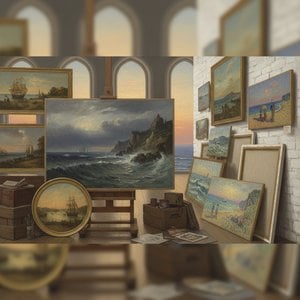
Evoking the Horizon: A Historical & Artistic Exploration of Coastal Scenes in Painting
Explore the rich history of coastal scenes in painting! Discover Impressionist masterpieces, American realism & contemporary visions. Learn about renowned artists and find your perfect seascape at ArtsDot.

Edward Hopper: 25 Arcydzieł Malarstwa Pełnych Emocji i Amerykańskiej Duszy | ArtsDot.com
Odkryj 25 arcydzieł Edwarda Hoppera – malarstwa pełnych samotności, realizmu i amerykańskiej duszy. Poznaj historie kultowych obrazów, inspiracje wnętrzarskie i wyjątkową atmosferę jego dzieł. Reprodukcje najwyższej jakości na ArtsDot.com