

 Podgląd w skali 1:1
 Wyślij jako kartkę
 Udostępnij
 Szczegóły dzieła
 Przewodnik

 Pobierz obraz
 Podobne obiekty
 RTG
RTG Pokaz slajdów
 Statystyki
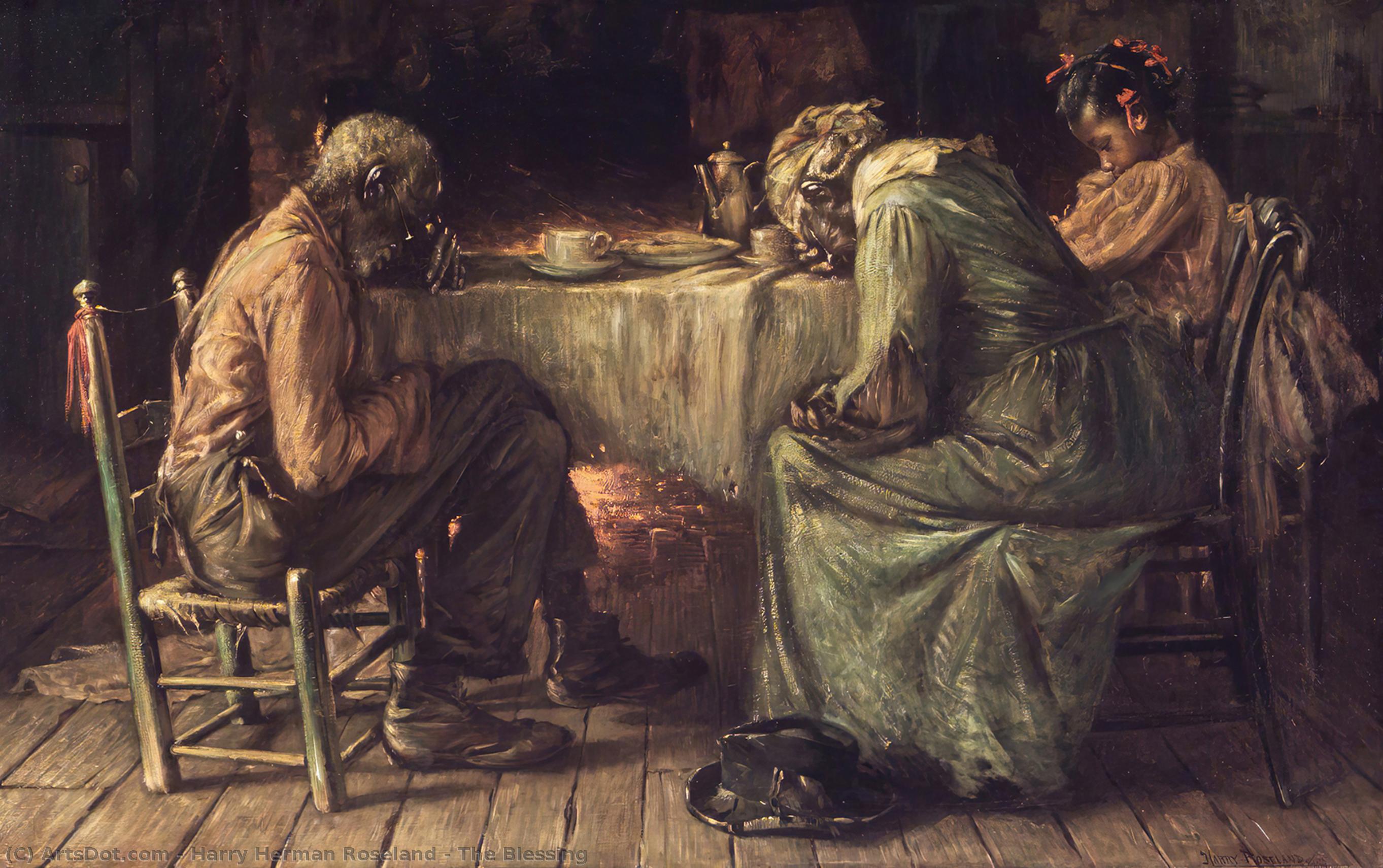
The Blessing

 Rozwiń treść
Ręcznie malowana reprodukcja olejowa
Ręcznie malowany obraz olejny na płótnie, wykonany na zamówienie przez naszych artystów w wybranym przez Ciebie wymiarze i oprawie. ( Przełącz na wydania drukowane Przejdź do wersji cyfrowej)




P118B zł10

P118H zł10

P118W zł10

P438Z zł10

P508JH zł12

P508YH zł12

P805H zł10

P805Z zł10

P919BZ zł10

P919G zł10

P919XJ zł10

P959ZH zł10

P968JZ zł12

W106C zł8

W218G zł10

W218JH zł8

W218Y zł10

W307PJ zł10

W316G zł10

W316PJ zł8

W316Y zł10

W398PJ zł8

W4111J zł10

W500HY zł15

W500JH zł15

W692G zł12

W849H zł8

W940BG zł15

W953PJ zł8




Wybierz spośród naszych standardowych rozmiarów, które zachowują oryginalne proporcje dzieła sztuki.

Wpisz wymaganą szerokość i wysokość, aby obraz pasował do Twojej ramy lub ściany. Ponieważ jest to dzieło malowane ręcznie, w przypadku rozmiaru o innych proporcjach artysta może domalować nieco więcej wokół obrazu lub przyciąć jego fragmenty — wybór należy do Ciebie. Przed rozpoczęciem pracy prześlemy Ci cyfrową wizualizację do zatwierdzenia. Obraz widoczny na tej stronie nie przedstawia rzeczywistego efektu — jedynie wizualizacja oddaje realny rezultat.
Po złożeniu zamówienia zespół ArtsDot.com skontaktuje się z klientem drogą mailową w celu uzyskania instrukcji i prześle wizualizację projektu
Dostawa na całym świecie () w ciągu 3–4 tygodni zamiast standardowych 5 tygodni. (28 Październik). Bez kompromisów w kwestii jakości.

Bezpłatna ekspresowa wysyłka na cały świat

Wysokiej jakości płótno lniane

Pełne ubezpieczenie przesyłki

Gwarancja zwrotu należności celnych i podatków importowych

Gwarancja wiernego odwzorowania kolorów

100-dniowa polityka zwrotów (tylko w przypadku wad)

Gwarancja 100% zwrotu pieniędzy

Zniżka przy zakupie wielu sztuk
 Opcja ze szkłem jest dostępna wyłącznie w rozmiarach poniżej 110 cm

The Blessing
Technika reprodukcji
Wymiary reprodukcji
-


Cena całkowita
zł 1013
Podobne dzieła


Biografia artysty
A Life Depicted: The Evocative World of Harry Herman Roseland
Harry Herman Roseland, born in Brooklyn, New York around 1867 and passing away in 1950, occupies a fascinating, often-overlooked space within the landscape of early 20th-century American art. While not formally trained abroad like many of his contemporaries, Roseland forged a distinctive path, becoming renowned for his poignant depictions of African American life—a subject matter that resonated deeply with a public increasingly captivated by social realities yet still largely segregated in its artistic representations. His canvases weren’t grand historical narratives or idealized portraits; instead, they offered intimate glimpses into the everyday lives of Black Americans, often focusing on scenes of fortune telling, family moments, and quiet contemplation. Roseland's life was rooted in Brooklyn, where he spent his entire career, a testament to his dedication to observing and interpreting the world immediately around him. He became an active member of prominent art societies like the Salmagundi Club and the Brooklyn Society of Artists, demonstrating a commitment to the artistic community even as his subject matter often challenged conventional norms.Early Influences and Artistic Development
Roseland’s artistic journey began with self-study, supplemented by instruction from John Bernard Whittaker and later James Carroll Beckwith. This unconventional training allowed him a freedom to develop his unique style, unburdened by the rigid academic traditions prevalent at the time. Initially exploring landscapes and still lifes, Roseland gradually gravitated towards genre painting—scenes of everyday life. It was in this realm that he discovered his true passion: portraying African Americans. His choice of subject matter wasn’t merely a stylistic preference; it reflected a keen observational eye and an emerging desire to capture the nuances of a community often marginalized or misrepresented in art. He didn't shy away from depicting poverty, but did so with dignity and empathy, avoiding caricature and instead focusing on the humanity of his subjects. This approach set him apart from many artists of his era who tended towards stereotypical portrayals.Themes of Fortune, Family, and Social Commentary
Roseland’s most recognizable works center around Black women fortune tellers reading palms or tea leaves for white clients. These paintings are particularly compelling because they subtly address the complex social dynamics of the time. While seemingly innocuous scenes, they hint at a power imbalance—a white woman seeking guidance from a Black woman—and offer a glimpse into the cultural exchange and hidden interactions that existed despite societal barriers. Beyond fortune telling, Roseland’s canvases frequently depict intimate family moments: mothers with children, couples sharing quiet conversations, individuals lost in thought. These scenes are imbued with a sense of realism and emotional depth, capturing the resilience, strength, and dignity of Black families. To the Highest Bidder, perhaps his most famous work—and a favorite of Oprah Winfrey—is a particularly striking example of this sensitivity, portraying an auction scene that speaks to themes of vulnerability and societal pressures.Popularity and Reproduction: Reaching a Wider Audience
Roseland’s art gained significant popularity through widespread reproduction. His paintings were frequently featured on postcards and large-scale prints distributed as Sunday supplements in newspapers, bringing his work into the homes of countless Americans. This accessibility was crucial to his success; it allowed him to reach an audience far beyond the confines of galleries and museums. While some critics may have dismissed his work as sentimental or overly commercial, the sheer volume of reproductions suggests a deep resonance with the public. The widespread circulation of his images contributed to a broader understanding—albeit often romanticized—of African American life during this period. He wasn’t simply creating art for an elite audience; he was engaging in a dialogue with everyday people, prompting reflection and sparking conversations about race, class, and society.Legacy and Historical Significance
Harry Herman Roseland's legacy is one of quiet observation and empathetic portrayal. Though not as widely celebrated as some of his contemporaries, his work offers a valuable window into the early 20th-century American experience. He challenged conventional artistic norms by focusing on African American life with dignity and respect, paving the way for future generations of artists to explore similar themes.- His paintings provide important visual documentation of a community often overlooked in historical narratives.
- He subtly addressed complex social issues through seemingly innocuous scenes, prompting viewers to question existing power dynamics.
- His widespread reproduction ensured that his work reached a broad audience, contributing to a wider—though imperfect—understanding of African American life.

Harry Herman Roseland
1867 - 1950 , United States of America
Krótka nota
- Full Name: Harry Herman Roseland
- Nationality: American
- Date Of Birth: 1867
- Date Of Death: 1950
- Place Of Birth: Brooklyn, United States of America
- Notable Artworks:
- He Loves Me
- The Blessing
- To the Highest Bidder
- Artistic Movement Or Style: Genre painting, Realism
- Artists Who Influenced This Artist:
- John B. Whittaker
- James C. Beckwith
Powiązane artykuły

Czarne arcydzieła: Top 10 słynnych obrazów pełnych mroku i ekspresji | ArtsDot.com
Odkryj 10 słynnych obrazów, w których czerń króluje! Poznaj historie artystów, ekspresjonizm i mroczną paletę barw. Reprodukcje dzieł sztuki najwyższej jakości na ArtsDot.com – inspiracje do wnętrz i kolekcjonerstwo.

Echa Miejsca: Regionalizm i Amerykańska Tożsamość w Sztuce Międzywojennej
Odkryj fascynujący świat regionalizmu amerykańskiego! Analiza dzieł Wooda, Bentona i Curry'ego w kontekście historycznym i politycznym. Ekspercka analiza dla miłośników sztuki.

Amerykański Realizm: 10 Arcydzieł, Które Zdefiniowały Epokę | ArtsDot
Poznaj 10 arcydzieł amerykańskiego realizmu! Odkryj historie Winslowa Homera, Edwarda Hoppera i innych mistrzów. Reprodukcje obrazów najwyższej jakości – inspiracje do Twojego wnętrza na ArtsDot.com

Amerykański Realizm: Społeczny Komentarz i Artystyczna Reprezentacja Początku XX Wieku
Odkryj amerykański realizm! Poznaj historie mistrzów i ich arcydzieła odzwierciedlające życie codzienne, pracę i zmieniającą się Amerykę. Inspiracje do Twojego wnętrza na ArtsDot.com.

Grant Wood & American Regionalism: Identity, Myth & the Rural Landscape
Explore the world of Grant Wood & American Regionalism with ArtsDot. Discover the symbolism behind 'American Gothic', recurring themes, and the movement's lasting impact on art history. High-quality reproductions available.