


 Zobacz w skali 1:1
 Wyślij
 Udostępnij
 Szczegóły
 Przewodnik

 Pobierz plik obrazu
 Podobne obiekty
 RTG
RTG Pokaz slajdów
 Statystyki
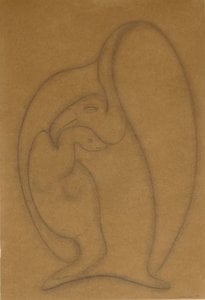
Three Generations
 Czytaj więcej
Ręcznie malowana reprodukcja olejowa
Ręcznie malowany obraz olejny na płótnie, wykonany na zamówienie przez naszych artystów w wybranym przez Ciebie wymiarze i oprawie. ( Przełącz na wersję drukowaną Przełącz na wersję cyfrową)




































Wybierz spośród naszych standardowych rozmiarów, które zachowują oryginalne proporcje dzieła sztuki.

Możesz wprowadzić własne wymiary, aby dopasować obraz do konkretnej ramy lub przestrzeni. Jeśli wybrany rozmiar nie będzie odpowiadał proporcjom oryginału, przytniecie dzieło sztuki lub rozszerzymy je o dodatkowe elementy, ręcznie domalowane przez artystę. Przed rozpoczęciem produkcji wyślemy projekt cyfrowy do Twojej akceptacji.
Należy pamiętać, że podgląd na ekranie nie odzwierciedla rzeczywistego przycinania ani rozszerzania obrazu. Tylko projekt dokładnie pokaże ostateczną kompozycję.
Choć oferujemy możliwość zamówienia niestandardowych rozmiarów, zalecamy wybór wymiaru z gotowej listy, aby zachować oryginalne proporcje dzieła.
Po złożeniu zamówienia zespół ArtsDot.com skontaktuje się z klientem drogą mailową w celu uzyskania instrukcji i prześle wizualizację projektu
Dostawa na całym świecie () w ciągu 3–4 tygodni zamiast standardowych 5 tygodni. (10 Październik). Bez kompromisów w kwestii jakości.

Bezpłatna ekspresowa wysyłka na cały świat

Wysokiej jakości płótno lniane

Pełne ubezpieczenie transportowe

Gwarancja zwrotu należności celnych i podatków importowych

Gwarancja idealnego odwzorowania barw

100-dniowy okres na zwrot dzieła w przypadku wykrycia wad produkcyjnych

Gwarancja 100% zwrotu pieniędzy

Oferta przy zakupie wielu sztuk
 Opcja ze szkłem jest dostępna wyłącznie w rozmiarach poniżej 110 cm

Three Generations
Technika wykonania
Rozmiar reprodukcji
-


Suma do zapłaty
zł 979
Podobne dzieła



Biografia artysty
A Life Forged in Wood and War
The life of Gyula Derkovits was a profound struggle between the heavy reality of manual labor and the ethereal call of artistic expression. Born in Szombathely, Hungary, his early years were defined by the scent of sawdust and the discipline of craftsmanship, as he was initially apprenticed to his father’s carpentry workshop. This foundation in physical labor would later haunt and inform the very texture of his visual language. Despite a burgeoning talent nurtured by a sign painter, Derkovical's path was diverted by the onset of World War I. He volunteered for service, a decision that left him with lasting scars: a paralyzed left hand and a debilitating lung condition. These physical hardships did not stifle his spirit but rather redirected it toward the pursuit of art through night schools and private instruction, eventually leading him to study under Károly Kernstok.
The Evolution of a Visual Language
As Derkovits navigated the turbulent political landscape of early 20th-century Hungary, his artistic style underwent a remarkable metamorphosis. His early works, shaped by his time in Budapest and later in Vienna, vibrated with the energy of Expressionism, Cubism, and Constructivism. During his years in Vienna, the influence of German expressionist painting became palpable, lending a certain raw intensity to his compositions. However, as he matured, his work moved away from purely formal experimentation toward a deeply personal and eccentric style. He began to favor tempera, utilizing it to create larger, almost monumental paintings that captured the essence of daily life with a unique blend of strict image editing and lyrical color.
Social Consciousness and Graphic Mastery
Beyond the canvas, Derkovits was a master of graphic arts, using printmaking to voice his profound social critiques. His connection to the political movements of his time—including his period of involvement with the Hungarian Communist Party—deeply permeated his subject matter. One of his most significant achievements remains his series of twelve woodcuts depicting the peasant revolt of 1514, a work that solidified his reputation through its powerful depiction of historical struggle. His graphic output often served as a biting satire of bourgeois society, utilizing sharp lines and stark contrasts to highlight the plight of the common person. Through both his monumental paintings and his intricate etchings, Derkovits left an indelible mark on Hungarian visual arts, blending social criticism with an unmistakable, individual formal language.

Gyula Derkovits
1894 - 1934 , Hungary
Najważniejsze informacje
- Artistic Movement Or Style: Expressionism, Cubism and Constructivism
- Artists Who Influenced This Artist: ['Károly Kernstok']
- Full Name: Gyula Derkovits
- Nationality: Hungarian
- Notable Artworks:
- The Last Supper
- Sleeping Woman
- Boat Smith
- Mother
- 1514 woodcuts
- Place Of Birth: Szombathely, Hungary
- Date Of Birth: 1894
- Date Of Death: 1934