


Obraz dostosowuje się do Twoich wyborów: , .
Opis obiektu
Wspaniały obraz Gustave Moreau'a – "Phaeton". Symbolistyczna wizja mitu o Phaetonie, pełna dramatyzmu i symboliki. Odkryj bogactwo detali i emocji w tym arcydzieło!
 Rozwiń treść
Biografia artysty
Mistrz symbolizmu znany z Salome. Odkryj jego oniryczny świat mitu i tajemnicy.
Ręcznie malowana reprodukcja olejowa
Ręcznie malowany obraz olejny na płótnie, wykonany na zamówienie przez naszych artystów w wybranym przez Ciebie wymiarze i oprawie. ( Przełącz na wydania drukowane Przejdź do wersji cyfrowej)
Więcej o tym obrazie
 Podgląd w skali 1:1
 Wyślij jako kartkę
 Udostępnij
 Szczegóły dzieła
 Przewodnik

 Pobierz obraz
 Podobne obiekty
 RTG
RTG Pokaz slajdów
 Pytania i odpowiedzi
 Statystyki
Zamów swój obraz w czterech prostych krokach
Nie spiesz się. Możesz zmienić każdą odpowiedź; cena w Twoim koszyku będzie aktualizowana po każdym wyborze.
1 Pierwszy z czterech kroków
Który rozmiar wybierasz?
Te rozmiary zachowują proporcje oryginalnego obrazu. Rysunek przedstawia wybrany przez Ciebie format na ścianie, nad dwumetrową sofą.
lub podaj własne wymiary
Wybierz spośród naszych standardowych rozmiarów, które zachowują oryginalne proporcje dzieła sztuki.

Wpisz wymaganą szerokość i wysokość, aby obraz pasował do Twojej ramy lub ściany. Ponieważ jest to dzieło malowane ręcznie, w przypadku rozmiaru o innych proporcjach artysta może domalować nieco więcej wokół obrazu lub przyciąć jego fragmenty — wybór należy do Ciebie. Przed rozpoczęciem pracy prześlemy Ci cyfrową wizualizację do zatwierdzenia. Obraz widoczny na tej stronie nie przedstawia rzeczywistego efektu — jedynie wizualizacja oddaje realny rezultat.
2 Drugi z czterech kroków
W jaki sposób przygotować dzieło: w formie tuby, na krosnach czy w ramie?
Poniższe ceny dotyczą rozmiaru wybranego w pierwszym kroku.
Wybierz krawędzie płótna naciągniętego na ramę
Wybierz ramę

Białe krawędzie zł1

rozmyte krawędzie zł1

Przedłużony zł1

P118B zł10

P118H zł10

P118W zł10

P438Z zł10

P508JH zł12

P508YH zł12

P805H zł10

P805Z zł10

P919BZ zł10

P919G zł10

P919XJ zł10

P959ZH zł10

P968JZ zł12

W106C zł8

W218G zł10

W218JH zł8

W218Y zł10

W307PJ zł10

W316G zł10

W316PJ zł8

W316Y zł10

W398PJ zł8

W4111J zł10

W500HY zł15

W500JH zł15

W692G zł12

W849H zł8

W940BG zł15

W953PJ zł8

H24-GOLD zł30

H24-SILVER zł30

H36-GOLD zł45

H36-SILVER zł45
W oprawie
Profil: . Wymiar całkowity w ramie: .
3 Trzeci z czterech kroków
Czy chcieliby Państwo wprowadzić jakieś zmiany w obrazie?
Większość osób odpowiada przecząco. Ponieważ każdy obraz jest tworzony ręcznie, nasz artysta może również dostosować go do Twoich potrzeb.
Po złożeniu zamówienia zespół ArtsDot.com skontaktuje się z klientem drogą mailową w celu uzyskania instrukcji i prześle podgląd projektu
4 Krok czwarty z czterech
Kilka opcji wykończenia
Wszystkie są opcjonalne. Wybrane już odpowiedzi nie wiążą się z żadnymi dodatkowymi kosztami.
Kto jest autorem?
Dostawa na całym świecie () w ciągu 3–4 tygodni zamiast standardowych 5 tygodni. (16 Listopad). Bez kompromisów w kwestii jakości.
Tabliczka informacyjna, jak w muzeum?
Szczegóły grawerowanej brązowej tabliczki
This elegant plaque features the artist's name and the title of the artwork, finely engraved for a timeless presentation.
It is made from bronze with a refined, elegant finish. The text is precisely laser-engraved for a sharp and permanent result. Measuring 9x2 cm, the plaque is compact yet easy to read. It's built to be durable and scratch-resistant, offering a professional, museum-quality look. Mounting is simple thanks to the included adhesive backing.
Szczegóły przezroczystej tabliczki akrylowej
The plaque includes essential engraved details such as the artist's name, the title of the artwork, the date it was created, the type of media used-like oil on canvas or watercolor-a brief description of the piece, and a QR code that links to the complete artwork information.
It is crafted from clear acrylic, offering a sleek, modern appearance. The text is UV-engraved in black to ensure strong visual contrast. With a size of 10x15 cm, it ensures optimal readability. It comes equipped with two metal hooks for secure wall mounting. The plaque is designed to be weather-resistant, making it suitable for various environments, and it includes interactive features that work seamlessly with smartphone scanning.
Szczegóły czarnej tabliczki akrylowej
This elegant plaque includes engraved information such as the artist's name, the title of the artwork, the date it was created, the type of media used (like oil on canvas or watercolor), a short description of the artwork, and a QR code for quick access to more information.
The plaque itself is made from refined black acrylic with a premium finish. The text is laser-engraved in white for high contrast and readability. Its size is 10x15 cm, designed to be easy to read. It comes with two metal hooks for professional mounting. The design is sleek and fits any interior style. It is also weather-resistant and durable, with built-in digital integration for mobile compatibility.
Werniks ochronny?
Kiedy potrzebujesz dostawy?
✓ Sprawdź i zamów
Twoje dzieło, dokładnie tak, jak zamówiłeś

Phaeton
Technika reprodukcji
Wymiary reprodukcji
-

Wybitny mistrz artystyczny
Większa szczegółowość, finezja i dodatkowy czas na realizację
-

Opcje oprawy reprodukcji
-
-
W przypadku dzieł sztuki lub reprodukcji, których którykolwiek z boków przekracza 105 cm (około 41 cali), rama zostanie wysłana w formie zestawu do samodzielnego montażu. Metoda ta zapewnia bezpieczną dostawę i zapobiega uszkodzeniom podczas transportu.
Wymagany profesjonalny montaż – nie jest to produkt typu DIY.
Zestaw musi zostać złożony, a płótno naciągnięte przez doświadczonego profesjonalnego ramiarza, przy użyciu kleju do drewna (brak w zestawie), kleszczy do naciągania płótna oraz ścisków, które utrzymają krosna w równej pozycji podczas schnięcia kleju. Nieprawidłowy montaż lub nierównomierne napięcie płótna może trwale uszkodzić dzieło sztuki i nie podlega naszej gwarancji.
 W przypadku dzieł sztuki lub reprodukcji, których którykolwiek z boków przekracza 105 cm (około 41 cali), rama zostanie wysłana w formie zestawu do samodzielnego montażu. Metoda ta zapewnia bezpieczną dostawę i zapobiega uszkodzeniom podczas transportu.
W zestawie znajdują się wszystkie listwy z litego drewna, precyzyjnie docięte do wymiarów.
Montaż odbywa się przy użyciu dołączonych wkrętów oraz kleju do drewna do łączenia narożników, którego zestaw nie zawiera i który musi zostać dostarczony przez ramiarza.
Wymagane są profesjonalne narzędzia, których nie ma w zestawie: kleszcze do naciągania płótna (napinacz) oraz zaciski, które pozwolą utrzymać listwy w równej pozycji podczas schnięcia kleju.
Ważne:
Do połączenia narożników niezbędny jest klej do drewna, listwy należy unieruchomić za pomocą ścisków do momentu całkowitego wyschnięcia kleju, a naciągnięcie płótna na złożoną ramę wymaga użycia kleszczy do naciągania płótna. Żaden z tych elementów nie jest dołączony do zestawu. Przed zamówieniem tego rozmiaru zalecamy konsultację z doświadczonym ramiarzem.

Etykieta obiektu
-
-

Lakier ochronny
Lakier z połyskiem (pogłębia kolory, chroni przed światłem i wilgocią)
-

Personalizacja dzieła
Przykłady możliwości personalizacji: zastąp twarz zdjęciem klienta; dodaj zwierzę domowe (np. zamień kota na psa); umieść ukrytą wiadomość w tle; zmień krajobraz lub elementy tła.
-

Ekspresowa
Dostawa na cały świat () w ciągu 3–4 tygodni zamiast standardowych 5 tygodni. (16 Listopad). Bez kompromisów w kwestii jakości.
-
Przesyłka ekspresowa
Dostawa na cały świat () w ciągu 5 tygodni. (23 Listopad).
W cenie
Cena całkowita
zł 1121
Opcja ze szkłem jest dostępna wyłącznie w rozmiarach poniżej 110 cm
W każdym zamówieniu
- Bezpłatna ekspresowa wysyłka na cały świat
- Wysokiej jakości płótno lniane
- Pełne ubezpieczenie przesyłki
- Gwarancja zwrotu należności celnych i podatków importowych
- Gwarancja wiernego odwzorowania kolorów
- 100-dniowa polityka zwrotów (tylko w przypadku wad)
- Gwarancja 100% zwrotu pieniędzy
- Zniżka przy zakupie wielu sztuk


Gustave Moreau’s *Phaeton*: A Symphony of Myth and Human Ambition
The world of Gustave Moreau is one steeped in dreamlike beauty, a realm where mythology intertwines with the deepest recesses of the human psyche. His painting *Phaethon*, completed in 1878, stands as a particularly potent example of his Symbolist vision – a work that transcends mere illustration and plunges directly into the heart of a timeless narrative of hubris and its devastating consequences. Currently residing within the hallowed halls of the Musée du Louvre in Paris, *Phaethon* invites viewers not simply to observe, but to experience a dramatic tableau of chaos, emotion, and profound symbolism.
Moreau’s choice to depict this pivotal moment from Greek mythology – Phaeton's reckless attempt to drive his father Helios’ chariot across the heavens – is far from arbitrary. It’s a deliberate exploration of the dangers inherent in unchecked ambition, a cautionary tale rendered with breathtaking intensity and meticulous detail. The scene isn’t one of triumphant glory; instead, we witness a struggle against overwhelming forces, a desperate battle for control amidst swirling water and an ominous, celestial light. Phaeton himself, a central figure radiating both determination and palpable desperation, is locked in a fierce contest with two magnificent horses, their energy barely contained – a visual representation of the untamed power he seeks to command.
A Masterclass in Symbolist Technique
To fully appreciate *Phaethon*, one must recognize Moreau’s distinctive and highly developed artistic style. He was a master of blending academic precision with a distinctly modern sensibility, creating a visual language that is both captivatingly beautiful and subtly unsettling. The painting is characterized by an extraordinary richness of color – deep blues and purples dominate the sky, contrasted sharply with the fiery oranges and reds of the chariot’s flames. Moreau employs a dramatic use of chiaroscuro, skillfully manipulating light and shadow to heighten the sense of drama and create a palpable atmosphere of tension. His technique is meticulously detailed; every brushstroke contributes to the overall effect, layering textures and creating an illusion of depth that draws the viewer into the scene.
The artist’s meticulous attention to detail extends beyond mere representation. Moreau deliberately incorporates architectural elements – imposing columns and arches – which serve not only as structural supports but also as symbolic anchors, grounding the chaotic narrative within a framework of classical grandeur. These elements subtly reinforce the themes of power, authority, and the inevitable fall from grace.
Decoding Layers of Meaning
Moreau was renowned for imbuing his works with complex symbolism, often drawing upon mythology, religion, and personal experience. In *Phaethon*, each element carries significant weight. The chariot itself represents power and control – but also the inherent dangers of unchecked ambition. The wild horses symbolize untamed forces, while the surrounding figures—awe-struck, fearful, or perhaps even foreboding—reflect the human reaction to such overwhelming power. Notably, a lone bird circles above, seemingly witnessing the impending disaster, acting as an impartial observer and a symbol of fate.
The inclusion of a figure reminiscent of Christ – positioned centrally within the composition – adds another layer of interpretation. This suggests that Phaethon’s downfall represents not just personal failure but also a broader allegory for humanity's struggle against temptation and the consequences of straying from divine guidance. The painting, therefore, becomes a meditation on morality, ambition, and the enduring power of fate.
A Legacy of Dreamlike Vision
Gustave Moreau’s *Phaethon* remains a cornerstone of Symbolist art, demonstrating his unique ability to transform classical mythology into deeply personal and emotionally resonant works. It is a painting that demands contemplation, inviting viewers to lose themselves in its dreamlike atmosphere and grapple with its profound themes. More than just a depiction of a mythic event, *Phaethon* offers a timeless reflection on the human condition – a poignant reminder of the seductive allure of power and the inevitable price of hubris. Reproductions of this masterpiece capture only a fraction of its original impact, but they serve as a beautiful gateway to understanding one of the most significant figures in Symbolist art.
Pytania i odpowiedzi
W którym roku i w ramach jakiego nurtu powstało dzieło "Phaeton"?
"Phaeton" powstało w 1878 roku jako dzieło należące do nurtu Symbolist Painting. Data powstania oraz przynależność do tego kierunku osadzają dzieło w kontekście historii sztuki.
Czy "Phaeton" to słynne dzieło nurtu Symbolist Painting?
W ramach nurtu Symbolist Painting, dzieło „Phaeton” cechuje się poziomem popularności Ikoniczne.
W jaki sposób "Phaeton" balansuje światło i cień?
Zarejestrowane wartości dla „Phaeton” – Gustave Moreau to: jasność umiarkowana jasność, luminancja Delikatna luminancja.
Podobne dzieła


Gustave Moreau
1826 - 1898, Francja
Biografia artysty
Życie i sztuka Gustawa Moreau
Gustaw Moreau był francuskim artystą, którego życie było nierozerwalnie splecione z ulicami Paryża. Urodzony w tym mieście 6 kwietnia 1826 roku, spędził swoje lata na nawigowaniu wśród zmieniających się prądów dziewiętnastego wieku. Stał się centralną postacią ruchu symbolistycznego – epoki, która odwracała wzrok od dosłownego świata, aby odnaleźć sens w tym, co niewidoczne. Jego twórczość nie była jedynie pogonią za naśladowaniem rzeczywistości, lecz próbą nadania formy wewnętrznemu krajobrazowi ludzkiej psychiki.
Dorobek artysty był ogromny. Przez całe życie stworzył ponad 15 000 obrazów, akwareli i rysunków. Ta rozległa kolekcja odzwierciedla człowieka, który nieustannie tłumaczył mitologię i religię na osobisty język wizualny. Tworzył z intensywnością, która pozwoliła mu pozostawić po sobie potężny korpus dzieł, zanim odszedł w Paryżu 18 kwietnia 1898 roku.
Jego sztuka często koncentrowała się na ciężarze psychologicznym antycznych opowieści. Zamiast jedynie ilustrować sceny, dążył do uchwycenia duchowej esencji swoich tematów. To podejście uczyniło go unikalnym głosem w czasach, gdy wielu jego rówieśników skupiało się na ulotnym świetle świata naturalnego. Jego oddanie tej wewnętrznej eksploracji pozostawiło po sobie głęboki zapis ludzkiej duszy.
Wczesne lata, rodzina i edukacja
Urodzony w burżuazyjnej rodzinie w Paryżu, Gustaw Moreau dorastał w domu, w którym porządek spotykał się z melodią. Jego ojciec, Louis Jean Marie Moreau, pracował jako architekt i archiwista, wnosząc do ich domostwa poczucie struktury oraz historycznej głębi. Matka, Adèle-Pauline Desmoutier, była muzykiem, a jej wpływ nadał rodzinnej atmosferze niezwykłą, rytmiczną wrażliwość. Już od najmłodszych lat Gustaw wykazywał naturalny talent do rysunku – dar, który zdawał się wyłaniać niemal instynktownie, gdy chłopiec odkrywał otaczający go świat.
Jego formalna edukacja rozpoczęła się w Collège Rollin, znanym dziś jako Collège-lycée Jacques-Decour. Ta wczesna szkoła położyła fundamenty pod jego późniejsze, bardziej specjalistyczne studia. Ostatecznie trafił do École des Beaux-Arts, gdzie poddał się rygorystycznemu szkoleniu akademickiemu. To właśnie tam, pod okiem takich mistrzów jak François-Édouard Picot, uczył się technicznej dyscypliny niezbędnej do opanowania klasycznych tradycji swoich czasów.
Rozwój artystyczny i włoskie podróże
W latach 50. XIX wieku Gustaw Moreau poczuł nieodparty zew przeszłości – potrzebę zrozumienia fundamentów sztuki, którą darzył tak głębokim szacunkiem. To poprowadziło go do Włoch, w okres, który miał fundamentalnie przekształcić jego wizję artystyczną. Nie ograniczał się jedynie do obserwacji dzieł mistrzów; on żył wśród nich, poświęcając czas na tworzenie setek kopii i studiów malarstwa dawnych mistrzów. Dla niego nie były to zwykłe ćwiczenia warsztatowe. Poprzez akt replikacji pragnął chłonąć tajemnice kompozycji oraz psychologiczną głębię odnalezioną w pracach Michała Anioła i Leonarda da Vinci. Studiował ich podejście do anatomii oraz niezwykłą zdolność do chwytania ludzkiego ducha, przyswajając ich techniki, by na ich fundamencie zbudować własny, unikalny język wizualny.
Choć włoscy mistrzowie dostarczyli mu strukturalnego fundamentu, inne wpływy dodały warstwę emocjonalnej intensywności jego kształtującemu się stylowi. Poczuł pociąg do dramatycznego wykorzystania koloru, jakie odnalazł w dziełach Eugène Delacroix. Ta fascynacja sposobem, w jaki barwa może przekazywać narrację i uczucia, stała się kamieniem węgielnym jego podejścia do sztuki. Nie interesowała go obiektywna rzeczywistość otaczającego go świata, lecz to, jak światło i pigment mogą wyrażać wewnętrzne ruchy duszy. Pobyt we Włoszech pozwolił mu dokonać syntezy tych różnorodnych wpływów, łącząc klasyczną precyzję renesansu z bardziej nowoczesnym, ekspresyjnym użyciem koloru.
Technika i styl symboliczny
Podejście Gustawa Moreau do płótna było procesem powolnym i niezwykle świadomym. Artysta preferował skrupulatne nakładanie kolejnych warstw farby, budując powierzchnie o ciężkiej, niemal fizycznej obecności. Ta metoda pozwalała mu tworzyć bogate tekstury, które zdawały się więzić światło w swoim wnętrzu. Aby pogłębić duchowy ciężar swoich tematów, często sięgał po płatki złota, co nadawało jego scenom bizantyjską niemal aurę. Moreau nie interesowała powierzchowność świata naturalnego; zamiast tego skupiał się na ekspresyjnej mocy koloru i formy, które miały przekazywać konkretny nastrój lub ukryte znaczenie.
Jego obrazy są przesycone gęstym językiem symboli. Wąż może pojawić się jako uosobienie pokusy, podczas gdy klejnoty służą do sygnalizowania ziemskich pragnień. Te elementy nie pełnią jedynie funkcji dekoracyjnej; działają one jako wizualne wskazówki, kierujące wzrok widza ku sferze psychologicznej lub duchowej. Poprzez ten misterny detal, artysta budował oniryczną atmosferę, w której granice rzeczywistości zdawały się niebezpiecznie cienkie. Postacie w jego dziełach często zdają się trwać w stanie zawieszenia, zawieszone gdzieś pomiędzy tym, co materialne, a tym, co eteryczne.
- Salome tańcząca przed Herodem
- Jowisz i Semele
- Orfeusz
- Zjawisko
- Desdemona
Wybitne arcydzieła i dzieła
Wiele z najbardziej rozpoznawalnych płócien, jakie stworzył Gustaw Moreau, zrodziło się z jego głębokiej fascynacji opowieściami antycznymi oraz biblijnymi. W 1864 roku wystawił Edypa i Sfinksa, dzieło, które pomogło ugruntować jego sławę. Jego nieustanne zainteresowanie postacią Salome zaowocowało wieloma różnymi interpretacjami tej tematyki. Jednym z jego najsłynniejszych dokonań jest Salome tańcząca przed Herodem, która w unikalny, pełen detali sposób oddaje napięcie biblijnej narracji. W latach 1874–1876 artysta stworzył również Zjawę – obraz, który doskonale ukazuje tę dziwną, oniryczną atmosferę, którą Gustaw Moreau tak usilnie starał się wykreować na swoich płótnach.
Wraz z rozwojem kariery jego kompozycje stawały się coraz bardziej złożone. W 1885 roku namalował Głosy wieczoru, akwarelę demonstrującą jego niezwykłą zdolność do wykorzystywania miękkich tekstur w celu oddania poczucia duchowego ukojenia. Pod koniec życia, w 1895 roku, ukończył Jowisza i Semele, dzieło odzwierciedlające preferowaną przez niego monumentalną, mitologiczną skalę. Jego płótna rzadko przypominały okna na rzeczywisty pokój; częściej stawały się scenami dla podświadomości, gdzie światło i cień współgrały ze sobą, by zasugerować coś, co wykracza poza świat materialny.
- Córki Tespisa, 1853
- Pieta, 1854
- Jazon i Medea, 1865
- Śmierć Safony, 1872
- Herakles i Hydra, 1876
- Święty Marcin, 1882
Krąg, uczniowie i nauczanie
W późniejszych latach życia Moreau odszedł od cichej izolacji swojej pracowni, by wkroczyć na salę wykładową. W 1893 roku przyjął stanowisko profesora w École des Beaux-Arts, co pozwoliło mu przekazać swoje idee nowemu pokoleniu malarzy. Nie uczył swoich uczniów jedynie naśladowania jego własnej ręki czy specyficznego sposobu nakładania farby. Zamiast tego, zachęcał ich do spojrzenia w głąb siebie. Pobudzał ich do otwierania własnej wyobraźni i odnajdywania unikalnych form indywidualnej ekspresji, zmuszając do wyjścia poza sztywne ramy akademickich reguł.
Ten nacisk na wewnętrzne życie artysty odcisnął trwałe piętno na wielu słuchaczach jego wykładów. Wśród tych, którzy kształcili się pod jego okiem, znalazł się Henri Matisse, który w przyszłości miał na nowo ukształtować krajobraz sztuki nowoczesnej. Kolejnym uczniem był Georges Rouault, chłonący lekcje symbolizmu i osobistej wizji, które tak gorliwie propagował Moreau. Dzięki tym uczniom jego wiara w znaczenie podświadomości i duchowości stała się częścią szerszej ewolucji malarstwa francuskiego.
Dziedzictwo i nieprzemijający wpływ
W latach 90. XIX wieku Gustaw Moreau stał się centralną postacią ruchu symbolistycznego. Choć nie zabiegał o blask jupiterów, jego obecność była głęboko odczuwalna przez tych, którzy podążali jego śladami. Jego wpływ sięgał sal wykładowych École des Beaux-Arts, gdzie zachęcał swoich studentów do patrzenia w głąb siebie i pielęgnowania własnej wyobraźni. To skupienie na indywidualnej ekspresji pomogło utorować drogę sztuce nowoczesnej, która wyłoniła się w dekadach następujących po jego śmierci.
Choć za życia jego specyficzny styl spotykał się czasem z mieszanymi reakcjami, jego znaczenie zostało ponownie docenione w drugiej połowie XX wieku. Okres ten przyniósł istotną reewaluację jego twórczości, gdy ludzie zaczęli patrzeć poza powierzchowność dzieł, aby odnaleźć głębię psychologiczną, którą artysta zgłębiał przez całe swoje życie. Obecnie jest on powszechnie uważany za prekursora sztuki nowoczesnej – człowieka, który pomógł przesunąć punkt ciężkości malarstwa z świata zewnętrznego na wewnętrzną duszę.
Muzeum Musée Gustave Moreau w Paryżu pozostaje miejscem, w którym zachowana jest jego wizja. Sam budynek, który pomógł przekształcić w muzeum, podtrzymuje jego pamięć w tej samej przestrzeni, w której żył i tworzył. Jest to miejsce pełne spokoju, niosące w sobie ciężar jego wieloletnich studiów i nieustannego procesu kreacji.
Gdzie dziś można podziwiać jego dzieła
Aby doświadczyć jego sztuki w najbardziej intymny sposób, warto udać się do Musée Gustave Moreau w Paryżu, we Francji. Muzeum to mieści się w tym samym budynku, który niegdyś służył za jego dom i pracownię. Spacerując po tych przestrzeniach, można poczuć atmosferę miejsca, w którym artysta żył i tworzył, co zapewnia bezpośrednie połączenie z jego codziennością oraz procesem twórczym.
Poza jego dawną rezydencją, wiele prestiżowych instytucji przechowuje jego płótna. W Paryżu Luwr posiada w swojej kolekcji dwa jego dzieła. Z kolei dla podróżnych wyruszających w dalszą drogę, Metropolitan Museum of Art w Nowym Jorku skrywa dwa kolejne obrazy, dzięki czemu wizja artysty dociera do odbiorców daleko wykraczających poza granice Francji.
- Oedipus and the Sphinx (1864)
- Jason and Medea (1865)


Powiązane artykuły

Gustave Moreau: Symbolism's Enigmatic Visionary & Precursors of Modern Fantasy Art
Explore the captivating world of Gustave Moreau, the leading Symbolist painter. Discover his iconic masterpieces, influences, and lasting legacy. Expert analysis for collectors & art enthusiasts.
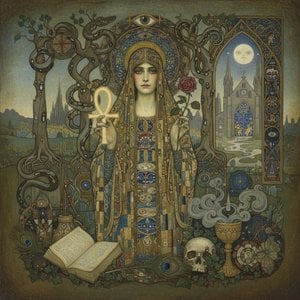
Symbolizm w sztuce końca XIX wieku: Eksploracja mistycyzmu i znaczeń ukrytych
Odkryj fascynujący świat symbolizmu w sztuce końca XIX wieku! Analiza kluczowych dzieł, twórców i motywów tego nurtu. Poznaj mistyczne przesłania i wpływ na współczesną estetykę.

Emocjonalna Transmutacja w Sztuce Wizualnej: Studium Reprezentacji Afektywnych Poprzez Kolor, Formę i Teksturę
Zgłębiaj subtelny język emocji w sztuce wizualnej! Analizujemy kolor, formę i teksturę w malarstwie barokowym i ekspresjonistycznym. Ekspercka wiedza dla kolekcjonerów i miłośników sztuki.