


 Zobacz w skali 1:1
 Wyślij
 Udostępnij
 Szczegóły
 Przewodnik

 Pobierz plik obrazu
 Podobne obiekty
 RTG
RTG Pokaz slajdów
 Statystyki
Cleopatra


 Czytaj więcej
Ręcznie malowana reprodukcja olejowa
Ręcznie malowany obraz olejny na płótnie, wykonany na zamówienie przez naszych artystów w wybranym przez Ciebie wymiarze i oprawie. ( Przełącz na wersję drukowaną Przełącz na wersję cyfrową)




P118B zł10

P118H zł10

P118W zł10

P438Z zł10

P508JH zł12

P508YH zł12

P805H zł10

P805Z zł10

P919BZ zł10

P919G zł10

P919XJ zł10

P959ZH zł10

P968JZ zł12

W106C zł8

W218G zł10

W218JH zł8

W218Y zł10

W307PJ zł10

W316G zł10

W316PJ zł8

W316Y zł10

W398PJ zł8

W4111J zł10

W500HY zł15

W500JH zł15

W692G zł12

W849H zł8

W940BG zł15

W953PJ zł8




Wybierz spośród naszych standardowych rozmiarów, które zachowują oryginalne proporcje dzieła sztuki.

Wpisz wymaganą szerokość i wysokość, aby obraz pasował do Twojej ramy lub ściany. Ponieważ jest to dzieło malowane ręcznie, w przypadku rozmiaru o innym proporcji artysta może domalować nieco więcej wokół obrazu lub przyciąć fragmenty — wybór należy do Ciebie. Przed rozpoczęciem pracy prześlemy Ci cyfrową wizualizację do zatwierdzenia. Obraz widoczny na tej stronie nie przedstawia rzeczywistego efektu — jedynie wizualizacja oddaje realny rezultat.
Po złożeniu zamówienia zespół ArtsDot.com skontaktuje się z klientem drogą mailową w celu uzyskania instrukcji i prześle wizualizację projektu
Dostawa na całym świecie () w ciągu 3–4 tygodni zamiast standardowych 5 tygodni. (22 Październik). Bez kompromisów w kwestii jakości.

Bezpłatna ekspresowa wysyłka na cały świat

Wysokiej jakości płótno lniane

Pełne ubezpieczenie transportowe

Gwarancja zwrotu należności celnych i podatków importowych

Gwarancja idealnego odwzorowania barw

100-dniowy okres na zwrot dzieła w przypadku wykrycia wad produkcyjnych

Gwarancja 100% zwrotu pieniędzy

Oferta przy zakupie wielu sztuk
 Opcja ze szkłem jest dostępna wyłącznie w rozmiarach poniżej 110 cm

Cleopatra
Technika wykonania
Rozmiar reprodukcji
-


Suma do zapłaty
zł 1009
A Dream Weaver's Echoes: Gustave Moreau’s Cleopatra
Gustave Moreau (1826-1898) stands apart from the luminaries of his era—Impressionism and Realism—as a true visionary of Symbolist painting. Rather than striving for immediate visual sensation, Moreau embarked on a profound quest to translate inner experience into tangible form, channeling mythology, religion, and psychology into canvases imbued with an otherworldly beauty. His oeuvre is characterized by meticulous detail, muted palettes dominated by earthy tones accented by flashes of iridescent color, and a deliberate rejection of conventional perspective—techniques that deliberately obscure reality in favor of conveying emotional resonance and spiritual contemplation. Moreau’s artistic journey began within the framework of academic training at the École des Beaux-Arts, where he honed his draughtsmanship under François Édouard Picot, yet swiftly abandoned these established conventions to forge his own distinctive path toward artistic expression.- Subject Matter & Narrative
- Symbolism and Mythological Resonance
- Technique: Watercolor Mastery
- Historical Context: The Spirit of Symbolism
- Emotional Impact: A Portrait of Contemplation
Subject Matter & Narrative
Moreau’s “Cleopatra” depicts a woman seated upon a weathered stone wall, her head resting gently on the shoulder of an unseen companion. The scene unfolds within the evocative setting of ancient Egypt, subtly reinforced by the presence of a monumental sphinx statue—a symbol of wisdom and royal authority—positioned in the background. This deliberate juxtaposition speaks to Moreau’s fascination with archetypal narratives and his desire to explore themes of power, vulnerability, and timeless beauty. Unlike Impressionist depictions focused on fleeting moments of observation, Moreau's composition invites viewers into a realm of psychological introspection, prompting contemplation about identity, memory, and the enduring influence of mythic figures.Symbolism and Mythological Resonance
The painting’s symbolism extends far beyond its immediate visual elements. The woman herself embodies idealized femininity—a figure draped in luxurious fabrics and adorned with elaborate hairstyles—representing not merely physical attractiveness but also spiritual grace and inner strength. Moreau skillfully employs color to heighten the emotional impact of the scene, favoring hues that evoke a sense of melancholy and serenity. The sphinx statue serves as a conduit for ancient wisdom and divine judgment, anchoring the narrative within the broader context of Egyptian mythology and reinforcing the painting’s contemplative mood. Furthermore, the inclusion of potted plants—likely symbolic representations of fertility and renewal—adds another layer of meaning to the composition.Technique: Watercolor Mastery
Moreau's mastery of watercolor is evident in every brushstroke. He achieved remarkable luminosity and textural depth through painstaking layering of translucent washes, meticulously blending colors to create subtle gradations and capturing the nuances of light and shadow with exceptional precision. The artist’s meticulous attention to detail—particularly in rendering the woman’s hair—demonstrates his unwavering commitment to conveying a sense of realism within an idealized framework. This technique allowed Moreau to capture the ethereal quality characteristic of Symbolist art, prioritizing atmosphere and emotional expression over photographic accuracy.Historical Context: The Spirit of Symbolism
“Cleopatra” emerged during the zenith of Symbolism—a movement that rejected materialism and embraced spirituality as guiding principles. Influenced by Nietzsche’s philosophy and Wagnerian opera, Moreau sought to liberate art from the constraints of realism, prioritizing subjective experience and psychological exploration. He aligned himself with fellow Symbolist artists like Alexandre Cabanel and Gustave Brion, establishing a collective dedicated to reviving medieval artistic traditions and delving into the realms of dreams and subconsciousness. Moreau's work stands as a testament to this transformative period in European art history—a defiant assertion of imagination and emotion against the prevailing tide of scientific rationalism.Emotional Impact: A Portrait of Contemplation
Ultimately, “Cleopatra” transcends mere visual representation; it invites viewers into a state of profound contemplation. The woman’s serene repose and the subtle melancholy conveyed by Moreau's palette evoke feelings of wistful beauty and timeless grace. More than simply depicting a historical figure, Moreau captures an essence—a moment of inner stillness amidst the grandeur of mythic past. This enduring emotional resonance underscores the power of Symbolist art to communicate universal themes of longing, vulnerability, and spiritual yearning—themes that continue to captivate audiences today.Pytania i odpowiedzi
Jaki nastrój ma "Cleopatra"?
Nastrój dzieła „Cleopatra” autorstwa Gustaw Moreau opisuje się jako Ethereal. Klasyfikacja ta może pomóc w dopasowaniu pracy do konkretnego wnętrza.
Do jakiego stylu należy "Cleopatra"?
„Cleopatra” autorstwa Gustaw Moreau należy do nurtu Symbolist Painting. Nurt ten stanowi stylistyczny kontekst dzieła.
Kiedy i z jakich materiałów wykonano "Cleopatra"?
"Cleopatra" powstało w 1887 roku przy użyciu Acrylic On Canvas.
Podobne dzieła


Biografia artysty
A Dream Weaver of Symbolism: The Life and Art of Gustave Moreau
Gustave Moreau, a name inextricably linked to the ethereal beauty and profound mysteries of Symbolist painting, emerged from 19th-century Paris as an artist utterly distinct in his vision. Born in 1826 into a comfortable bourgeois family—his father an architect and archivist—Moreau’s early life was steeped in intellectual curiosity and a deep appreciation for aesthetics. From a remarkably young age, he displayed a prodigious talent for drawing, nurtured through the rigorous training of the École des Beaux-Arts under esteemed figures like François-Édouard Picot. However, Moreau's artistic trajectory swiftly diverged from the prevailing Realist and Impressionist currents dominating his time. He wasn’t driven by a desire to capture fleeting moments or represent objective reality; instead, he sought to unlock the hidden realms of myth, religion, and the intricate workings of the human psyche through a deeply personal and symbolic visual language. His artistic journey became an inward exploration, translating subjective emotions and spiritual yearnings onto canvas with meticulous detail and a palette often rich in vibrant, almost opulent hues.The Forge of Imagination: Influences and Artistic Development
Moreau’s artistic development wasn't forged in isolation. While rejecting the dominant trends of his era, he drew inspiration from a remarkably diverse range of sources. The dramatic use of color and exotic subject matter found in the works of Eugène Delacroix ignited within him a passionate interest in narrative painting imbued with intense emotionality. He held Renaissance masters—Michelangelo and Leonardo da Vinci, in particular—in the highest esteem, deeply admiring their mastery of composition, anatomical precision, and their remarkable ability to penetrate the complexities of human psychology. Yet, Moreau wasn’t merely imitating these giants; he was synthesizing their influences into something entirely new, a distinctly personal style. His pivotal journey to Italy during the 1850s proved transformative, immersing him in the art of antiquity and the Renaissance. This experience provided an unparalleled wealth of motifs and stylistic cues that would subsequently populate his future works. He meticulously copied Old Master paintings—not as mere reproductions, but as a means of absorbing their techniques and unlocking their secrets—carefully studying brushstrokes, color palettes, and compositional strategies. This dedication to craft, combined with his burgeoning fascination with mythology and literature, formed the bedrock of his unique artistic vision.A World of Symbols: Themes and Techniques
Moreau’s paintings are not simply illustrations of myths or biblical stories; they are complex allegories designed to provoke contemplation and interpretation. He didn't aim to retell these narratives literally but rather to explore their underlying psychological and spiritual truths. His canvases are populated with a rich tapestry of symbolic imagery—serpents representing temptation, jewels signifying earthly desires, and figures embodying abstract concepts such as grief, loss, or redemption. He masterfully created an atmosphere of dreaminess through intricate detail, shimmering textures, and often unsettling juxtapositions of light and shadow. Moreau’s technique was characterized by a painstaking layering of paint—a deliberate process that resulted in surfaces brimming with iridescent colors and evoking a sense of otherworldly beauty. His skillful use of gold leaf further enhanced this effect, lending his works a Byzantine quality that underscored their spiritual dimension. He prioritized the expressive power of color and form over strict adherence to realistic representation, focusing on conveying mood and meaning rather than photographic accuracy.Notable Works and Legacy
Throughout his career, Moreau produced an astonishing body of work, including iconic paintings such as *Salomé tańcząca przed Herodem* (Salome Dancing before Herod), *Jupiter i Semele*, *Orfeusz*, *Widzenie*, and *Święta Elżbieta z Anglii lub Cud róż*. These works demonstrate his extraordinary skill in depicting mythological scenes, biblical narratives, and allegorical themes. Moreau’s influence extended far beyond the Symbolist movement itself. He mentored numerous artists at the École des Beaux-Arts, encouraging them to embrace imagination, symbolism, and individual expression—a radical departure from the prevailing academic norms of the time. Though initially met with mixed reactions, Moreau's work gained recognition in the late 19th and early 20th centuries, solidifying his place as a pivotal figure in modern art. Today, the Musée Gustave Moreau in Paris stands as a testament to his enduring legacy—a sanctuary where visitors can immerse themselves in the captivating world of this extraordinary artist, experiencing firsthand the power and beauty of his symbolic vision.Key Characteristics
- Symbolic Imagery: Moreau’s paintings are replete with symbols representing complex ideas and emotions.
- Dreamlike Atmosphere: He skillfully created an ethereal and otherworldly atmosphere through meticulous detail and color manipulation.
- Rich Palette: His use of vibrant, often opulent colors contributed to the overall sense of mystery and beauty.
- Influence of Renaissance Masters: Moreau drew inspiration from the techniques and philosophies of Michelangelo and Leonardo da Vinci.

Gustaw Moreau
1826 - 1898 , Francja
Najważniejsze informacje
- Artistic Movement Or Style: Symbolizm
- Artists Or Movements Influenced By This Artist:
- Matisse
- Rouault
- Artists Who Influenced This Artist:
- Delacroix
- Michelangelo
- Date Of Birth: 6 kwietnia 1826
- Date Of Death: 18 kwietnia 1898
- Full Name: Gustave Moreau
- Nationality: Francuz
- Notable Artworks:
- Salome tańcząca
- Prometeusz
- Święta Elżbieta
- Place Of Birth: Paryż, Francja
Zobacz także powiązane artykuły

Gustave Moreau: Symbolism's Enigmatic Visionary & Precursors of Modern Fantasy Art
Explore the captivating world of Gustave Moreau, the leading Symbolist painter. Discover his iconic masterpieces, influences, and lasting legacy. Expert analysis for collectors & art enthusiasts.

Echa Olimpu: Mity w sztuce Zachodu – od antycznych korzeni do współczesnych reinterpretacji
Odkryj fascynującą historię mitów w sztuce Zachodu! Analizujemy wpływ greckich bogów na ikonografię, reinterpretacje klasycznych opowieści i ich obecność we współczesnej kulturze. Ekspercka wiedza dla miłośników sztuki.
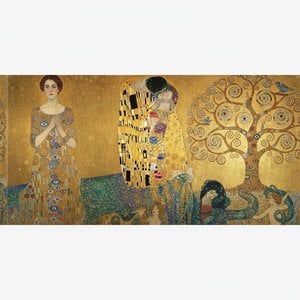
Gustav Klimt: 25 Arcydzieł Pełnych Złota i Symboliki | ArtsDot.com
Odkryj 25 arcydzieł Gustava Klimta – od 'Pocałunku' po 'Kobietę w złocie'. Poznaj historię, symbolikę i technikę malarstwa secesyjnego. Reprodukcje najwyższej jakości na ArtsDot.com! Eksploruj pełną kolekcję online.

Symbolism & the Subconscious: How 19th-Century Artists Painted Dreams and Emotion
Explore the evocative world of 19th-century Symbolism. Discover how masters like Gustave Moreau used dreams, myth, and metaphor to paint the subconscious, moving beyond realism to capture profound human emotion and spiritual truth.

Gustave Loiseau: Capturing the Ephemeral Light of French Landscapes
Explore the captivating landscapes of Gustave Loiseau, a key Post-Impressionist painter. Discover his unique 'en treillis' technique and artistic legacy with our comprehensive guide.


