


Obraz dostosowuje się do Twoich wyborów: , .
Opis obiektu
Explore Gustave Caillebotte's iconic 'In a Cafe,' capturing the quiet elegance of Victorian Paris with meticulous detail and subtle photographic influences. Discover the artist’s life and legacy.
 Rozwiń treść
Biografia artysty
Gustave Caillebotte (1848-1894): Francuski malarz, mistrz realistycznego i impresjonistycznego oddawania życia paryskiej ulicy. Znany z obrazu 'Paris Street; Rainy Day'.
Ręcznie malowana reprodukcja olejowa
Ręcznie malowany obraz olejny na płótnie, wykonany na zamówienie przez naszych artystów w wybranym przez Ciebie wymiarze i oprawie. ( Przełącz na wydania drukowane Przejdź do wersji cyfrowej)
Więcej o tym obrazie
 Podgląd w skali 1:1
 Wyślij jako kartkę
 Udostępnij
 Szczegóły dzieła
 Przewodnik

 Pobierz obraz
 Podobne obiekty
 RTG
RTG Pokaz slajdów
 Pytania i odpowiedzi
 Statystyki
Zamów swój obraz w czterech prostych krokach
Nie spiesz się. Możesz zmienić każdą odpowiedź; cena w Twoim koszyku będzie aktualizowana po każdym wyborze.
1 Pierwszy z czterech kroków
Który rozmiar wybierasz?
Te rozmiary zachowują proporcje oryginalnego obrazu. Rysunek przedstawia wybrany przez Ciebie format na ścianie, nad dwumetrową sofą.
lub podaj własne wymiary
Wybierz spośród naszych standardowych rozmiarów, które zachowują oryginalne proporcje dzieła sztuki.

Wpisz wymaganą szerokość i wysokość, aby obraz pasował do Twojej ramy lub ściany. Ponieważ jest to dzieło malowane ręcznie, w przypadku rozmiaru o innych proporcjach artysta może domalować nieco więcej wokół obrazu lub przyciąć jego fragmenty — wybór należy do Ciebie. Przed rozpoczęciem pracy prześlemy Ci cyfrową wizualizację do zatwierdzenia. Obraz widoczny na tej stronie nie przedstawia rzeczywistego efektu — jedynie wizualizacja oddaje realny rezultat.
2 Drugi z czterech kroków
W jaki sposób przygotować dzieło: w formie tuby, na krosnach czy w ramie?
Poniższe ceny dotyczą rozmiaru wybranego w pierwszym kroku.
Wybierz krawędzie płótna naciągniętego na ramę
Wybierz ramę

Białe krawędzie zł1

rozmyte krawędzie zł1

Przedłużony zł1

P118B zł10

P118H zł10

P118W zł10

P438Z zł10

P508JH zł12

P508YH zł12

P805H zł10

P805Z zł10

P919BZ zł10

P919G zł10

P919XJ zł10

P959ZH zł10

P968JZ zł12

W106C zł8

W218G zł10

W218JH zł8

W218Y zł10

W307PJ zł10

W316G zł10

W316PJ zł8

W316Y zł10

W398PJ zł8

W4111J zł10

W500HY zł15

W500JH zł15

W692G zł12

W849H zł8

W940BG zł15

W953PJ zł8

H24-GOLD zł30

H24-SILVER zł30

H36-GOLD zł45

H36-SILVER zł45
W oprawie
Profil: . Wymiar całkowity w ramie: .
3 Trzeci z czterech kroków
Czy chcieliby Państwo wprowadzić jakieś zmiany w obrazie?
Większość osób odpowiada przecząco. Ponieważ każdy obraz jest tworzony ręcznie, nasz artysta może również dostosować go do Twoich potrzeb.
Po złożeniu zamówienia zespół ArtsDot.com skontaktuje się z klientem drogą mailową w celu uzyskania instrukcji i prześle podgląd projektu
4 Krok czwarty z czterech
Kilka opcji wykończenia
Wszystkie są opcjonalne. Wybrane już odpowiedzi nie wiążą się z żadnymi dodatkowymi kosztami.
Kto jest autorem?
Dostawa na całym świecie () w ciągu 3–4 tygodni zamiast standardowych 5 tygodni. (4 Listopad). Bez kompromisów w kwestii jakości.
Tabliczka informacyjna, jak w muzeum?
Szczegóły grawerowanej brązowej tabliczki
This elegant plaque features the artist's name and the title of the artwork, finely engraved for a timeless presentation.
It is made from bronze with a refined, elegant finish. The text is precisely laser-engraved for a sharp and permanent result. Measuring 9x2 cm, the plaque is compact yet easy to read. It's built to be durable and scratch-resistant, offering a professional, museum-quality look. Mounting is simple thanks to the included adhesive backing.
Szczegóły przezroczystej tabliczki akrylowej
The plaque includes essential engraved details such as the artist's name, the title of the artwork, the date it was created, the type of media used-like oil on canvas or watercolor-a brief description of the piece, and a QR code that links to the complete artwork information.
It is crafted from clear acrylic, offering a sleek, modern appearance. The text is UV-engraved in black to ensure strong visual contrast. With a size of 10x15 cm, it ensures optimal readability. It comes equipped with two metal hooks for secure wall mounting. The plaque is designed to be weather-resistant, making it suitable for various environments, and it includes interactive features that work seamlessly with smartphone scanning.
Szczegóły czarnej tabliczki akrylowej
This elegant plaque includes engraved information such as the artist's name, the title of the artwork, the date it was created, the type of media used (like oil on canvas or watercolor), a short description of the artwork, and a QR code for quick access to more information.
The plaque itself is made from refined black acrylic with a premium finish. The text is laser-engraved in white for high contrast and readability. Its size is 10x15 cm, designed to be easy to read. It comes with two metal hooks for professional mounting. The design is sleek and fits any interior style. It is also weather-resistant and durable, with built-in digital integration for mobile compatibility.
Werniks ochronny?
Kiedy potrzebujesz dostawy?
✓ Sprawdź i zamów
Twoje dzieło, dokładnie tak, jak zamówiłeś

In a Cafe
Technika reprodukcji
Wymiary reprodukcji
-

Wybitny mistrz artystyczny
Większa szczegółowość, finezja i dodatkowy czas na realizację
-

Opcje oprawy reprodukcji
-
-
W przypadku dzieł sztuki lub reprodukcji, których którykolwiek z boków przekracza 105 cm (około 41 cali), rama zostanie wysłana w formie zestawu do samodzielnego montażu. Metoda ta zapewnia bezpieczną dostawę i zapobiega uszkodzeniom podczas transportu.
Wymagany profesjonalny montaż – nie jest to produkt typu DIY.
Zestaw musi zostać złożony, a płótno naciągnięte przez doświadczonego profesjonalnego ramiarza, przy użyciu kleju do drewna (brak w zestawie), kleszczy do naciągania płótna oraz ścisków, które utrzymają krosna w równej pozycji podczas schnięcia kleju. Nieprawidłowy montaż lub nierównomierne napięcie płótna może trwale uszkodzić dzieło sztuki i nie podlega naszej gwarancji.
 W przypadku dzieł sztuki lub reprodukcji, których którykolwiek z boków przekracza 105 cm (około 41 cali), rama zostanie wysłana w formie zestawu do samodzielnego montażu. Metoda ta zapewnia bezpieczną dostawę i zapobiega uszkodzeniom podczas transportu.
W zestawie znajdują się wszystkie listwy z litego drewna, precyzyjnie docięte do wymiarów.
Montaż odbywa się przy użyciu dołączonych wkrętów oraz kleju do drewna do łączenia narożników, którego zestaw nie zawiera i który musi zostać dostarczony przez ramiarza.
Wymagane są profesjonalne narzędzia, których nie ma w zestawie: kleszcze do naciągania płótna (napinacz) oraz zaciski, które pozwolą utrzymać listwy w równej pozycji podczas schnięcia kleju.
Ważne:
Do połączenia narożników niezbędny jest klej do drewna, listwy należy unieruchomić za pomocą ścisków do momentu całkowitego wyschnięcia kleju, a naciągnięcie płótna na złożoną ramę wymaga użycia kleszczy do naciągania płótna. Żaden z tych elementów nie jest dołączony do zestawu. Przed zamówieniem tego rozmiaru zalecamy konsultację z doświadczonym ramiarzem.

Etykieta obiektu
-
-

Lakier ochronny
Lakier z połyskiem (pogłębia kolory, chroni przed światłem i wilgocią)
-

Personalizacja dzieła
Przykłady możliwości personalizacji: zastąp twarz zdjęciem klienta; dodaj zwierzę domowe (np. zamień kota na psa); umieść ukrytą wiadomość w tle; zmień krajobraz lub elementy tła.
-

Ekspresowa
Dostawa na cały świat () w ciągu 3–4 tygodni zamiast standardowych 5 tygodni. (4 Listopad). Bez kompromisów w kwestii jakości.
-
Przesyłka ekspresowa
Dostawa na cały świat () w ciągu 5 tygodni. (11 Listopad).
W cenie
Cena całkowita
zł 1028
Opcja ze szkłem jest dostępna wyłącznie w rozmiarach poniżej 110 cm
W każdym zamówieniu
- Bezpłatna ekspresowa wysyłka na cały świat
- Wysokiej jakości płótno lniane
- Pełne ubezpieczenie przesyłki
- Gwarancja zwrotu należności celnych i podatków importowych
- Gwarancja wiernego odwzorowania kolorów
- 100-dniowa polityka zwrotów (tylko w przypadku wad)
- Gwarancja 100% zwrotu pieniędzy
- Zniżka przy zakupie wielu sztuk


A Snapshot of Parisian Life: Gustave Caillebotte’s “In a Cafe”
The painting "In a Cafe," executed by Gustave Caillebotte in 1880, isn't simply a depiction of a Parisian café scene; it’s a carefully constructed observation of the anxieties and aspirations simmering beneath the veneer of Victorian society. Captured in stark black and white photography—a technique that would soon become commonplace—the artwork offers an unexpectedly modern perspective on its time, reflecting Caillebotte’s fascination with capturing fleeting moments and experimenting with compositional innovations.- Subject Matter: The scene portrays a gentleman seated alone at a table in a café, surrounded by other patrons. He gazes directly at the viewer, establishing an intimate connection that transcends the distance of time.
- Style: Caillebotte’s style is characterized by its understated realism combined with subtle stylistic choices that elevate it beyond mere documentation. He eschewed grand narratives and theatrical gestures, favoring instead a quiet contemplation of everyday life—a deliberate rejection of academic conventions prevalent during his era.
Technique and Composition: Pioneering Photographic Influence
Caillebotte’s masterful use of technique speaks volumes about his artistic sensibilities. Like many photographers of the period, he meticulously considered perspective and framing—elements borrowed directly from photographic principles—to create a sense of depth and immediacy. The slightly off-center placement of the gentleman adds dynamism to the composition, drawing the eye across the canvas and subtly disrupting traditional symmetry. Furthermore, the inclusion of a cup on the table serves as a visual anchor, grounding the scene in the tangible realities of daily life.Historical Context: Victorian Uncertainty
“In a Cafe” emerges from a pivotal moment in Parisian history—the burgeoning Industrial Revolution and its impact on urban culture. The Victorian era was marked by anxieties about social change, moral decay, and the rapid pace of technological advancement. Caillebotte’s depiction captures this atmosphere of uncertainty, presenting a scene populated with individuals absorbed in their own thoughts and activities. The café itself symbolizes both comfort and isolation—a space for socializing yet simultaneously offering refuge from the pressures of the outside world.Symbolism and Emotional Resonance
Beyond its formal elements, “In a Cafe” resonates with deeper symbolic meanings. The gentleman’s gaze toward the viewer is particularly noteworthy; it invites contemplation and suggests that Caillebotte wished to engage his audience in a dialogue about perception and experience. The solitary figure embodies the individual's struggle for identity amidst societal forces—a theme that aligns with broader artistic explorations of human psychology during the Victorian period. Ultimately, the painting evokes a feeling of quiet melancholy—a poignant reminder of the beauty found within ordinary moments and the complexities inherent in navigating modern life.Pytania i odpowiedzi
Co przedstawia „In a Cafe” – Gustaw Caillebotte?
Tematyka dzieła "In a Cafe" to cafe scene, victorian era, portraiture, urban landscape, fashion detail, social observation, interior composition.
Jaki rozmiar "In a Cafe" jest sugerowany do Living Room?
Dla Living Room zalecany rozmiar wydruku dzieła „In a Cafe” – Gustaw Caillebotte to Large.
Jakie miejsce w historii sztuki zajmuje „In a Cafe” – Gustaw Caillebotte?
„In a Cafe” – Gustaw Caillebotte należy do nurtu Victorian Realism, przypadającego na okres 19th Century. Razem nadają one dziełu jego miejsce w historii sztuki.
Podobne dzieła


Gustaw Caillebotte
1848 - 1894, Francja
Biografia artysty
A Parisian of the New Age: The Life and Art of Gustave Caillebotte
Gustave Caillebotte, born into a prosperous Parisian family in 1848, was an artist uniquely positioned to capture the dramatic transformations reshaping his city. His father, Martial Caillebotte, inherited a successful textile business and served as a judge, providing Gustave with both financial security and a vantage point from which to observe the burgeoning modern world. While initially pursuing legal studies – earning degrees in law in 1868 and 1870 – Caillebotte’s true calling lay within the realm of art. He began serious training under Léon Bonnat, immersing himself in painting while simultaneously developing a keen interest in photography, an emerging medium that would profoundly influence his artistic vision. This early exposure to photographic principles—its framing, perspective, and capturing of fleeting moments—would become hallmarks of his distinctive style. Caillebotte wasn’t merely documenting change; he was actively engaging with the aesthetic possibilities it presented.Realism Infused with Impressionist Light
Caillebotte's artistic path diverged from strict academic tradition, yet he never fully embraced the purely optical explorations of many of his Impressionist contemporaries. He found kinship with artists like Edgar Degas and Giuseppe de Nittis, sharing a fascination with modern life but approaching it through a lens of meticulous realism. His early masterpiece, Les Raboteurs de Parquet (The Floor Scrapers), exhibited at the 1875 Salon, immediately established his reputation as a bold and unconventional painter. The work depicts three laborers painstakingly scraping a wooden floor, rendered with an unflinching honesty that shocked some viewers while captivating others. It wasn’t simply the subject matter—the working class rarely graced the canvases of high art—but also the composition: cropped, almost jarringly direct, and devoid of sentimental idealization. This commitment to portraying contemporary life without embellishment continued in works like View of Rooftops (Snow), where he masterfully captured the industrial landscape of a rapidly changing Paris. The influence of photography is particularly evident in his use of sharp lines, precise detail, and carefully constructed viewpoints—elements that anticipate the developments of early modernism. However, Caillebotte wasn’t immune to the allure of Impressionism; his palette gradually lightened, and he began experimenting with broken brushstrokes and atmospheric effects, particularly noticeable in his evocative depictions of Parisian rooftops bathed in snow – a testament to his ability to synthesize realism and fleeting light.A Patron and a Pioneer: Navigating the Art World
Beyond his own artistic endeavors, Caillebotte played a crucial role in supporting the Impressionist movement. His financial independence, stemming from his family’s wealth, allowed him to become a significant patron, purchasing works by Monet, Renoir, Pissarro, Cézanne, and Degas at a time when their art was largely rejected by the official Salon. He wasn't merely a collector; he actively championed these artists, organizing and financing several of the Impressionist exhibitions that defied conventional artistic norms. This dedication to fostering innovation extended to his own collection, which he bequeathed to the French state upon his death in 1894—a bequest initially met with resistance but ultimately forming the cornerstone of the Musée d’Orsay's renowned Impressionist holdings. Caillebotte’s unique perspective also manifested in his compositions; works like Boulevard vu d’en haut (Boulevard Seen from Above), painted in 1880, demonstrate a strikingly modern sensibility, employing an elevated viewpoint and dynamic cropping that subtly foreshadow the photographic perspectives of the 20th century. This innovative approach to composition, possibly influenced by Japanese prints and his own photographic experiments, set him apart as a true pioneer—a bridge between realism and the emerging visual language of modernity.Notable Works
- Les Raboteurs de Parquet (The Floor Scrapers) (1875): A groundbreaking work showcasing Caillebotte’s realism and unconventional composition.
- View of Rooftops (Snow) (1878): Demonstrates his use of high vantage points and atmospheric effects, influenced by photography and Japanese prints.
- Boulevard vu d’en haut (Boulevard Seen from Above) (1880): A strikingly modern composition with a dynamic perspective.
- Paris Street; Rainy Day (1877): Perhaps his most famous work, capturing the bustling energy of Parisian life in a unique and evocative manner.
- The Bezique Game(1881) : A captivating Impressionist painting of Parisian leisure.
Legacy and Rediscovery: A Modern Master Reclaimed
For decades following his death, Caillebotte’s work remained relatively obscure, overshadowed by the more celebrated figures of Impressionism. It wasn't until the late 20th century that a comprehensive reassessment of his art began to take place, fueled by scholarly research and major exhibitions. This rediscovery revealed an artist of remarkable technical skill, intellectual depth, and visionary insight. Caillebotte’s paintings are not simply depictions of modern life; they are profound meditations on the complexities of urban existence, the changing social landscape, and the evolving relationship between art and reality. His ability to seamlessly blend realism with Impressionist techniques, his innovative compositions, and his unwavering commitment to portraying the world around him have secured his place as a pivotal figure in 19th-century art. Today, Caillebotte’s works are celebrated for their unique perspective, their masterful execution, and their enduring relevance—a testament to an artist who dared to capture the spirit of a new age.


Powiązane artykuły
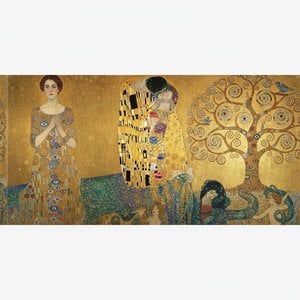
Gustav Klimt: 25 Arcydzieł Pełnych Złota i Symboliki | ArtsDot.com
Odkryj 25 arcydzieł Gustava Klimta – od 'Pocałunku' po 'Kobietę w złocie'. Poznaj historię, symbolikę i technikę malarstwa secesyjnego. Reprodukcje najwyższej jakości na ArtsDot.com! Eksploruj pełną kolekcję online.

Gustave Caillebotte: Bridging Realism & Modernity in Parisian Life
Explore the life & art of Gustave Caillebotte, a pivotal figure bridging Realism & Impressionism. Discover his iconic Parisian scenes and lasting legacy with ArtsDot.

Białe arcydzieła: Top 10 słynnych obrazów pełnych światła i emocji | ArtsDot.pl
Odkryj 10 najsłynniejszych obrazów, w których biel dominuje i tworzy wyjątkową atmosferę. Poznaj historie Moneta, Van Gogha i innych mistrzów! Reprodukcje najwyższej jakości na ArtsDot.com – inspiracje wnętrzarskie i kolekcjonerstwo sztuki online.