
- Strona główna

- Obraz cyfrowy
- Grigory Gagarin
- Circassian Women
 Zamów wydruk Zamów reprodukcję
 Udostępnij
 Udostępnij
 Details
 Dodaj do ulubionych

 Pobierz
 Podobne obiekty
 X-Ray
X-Ray
 Pokaz slajdów
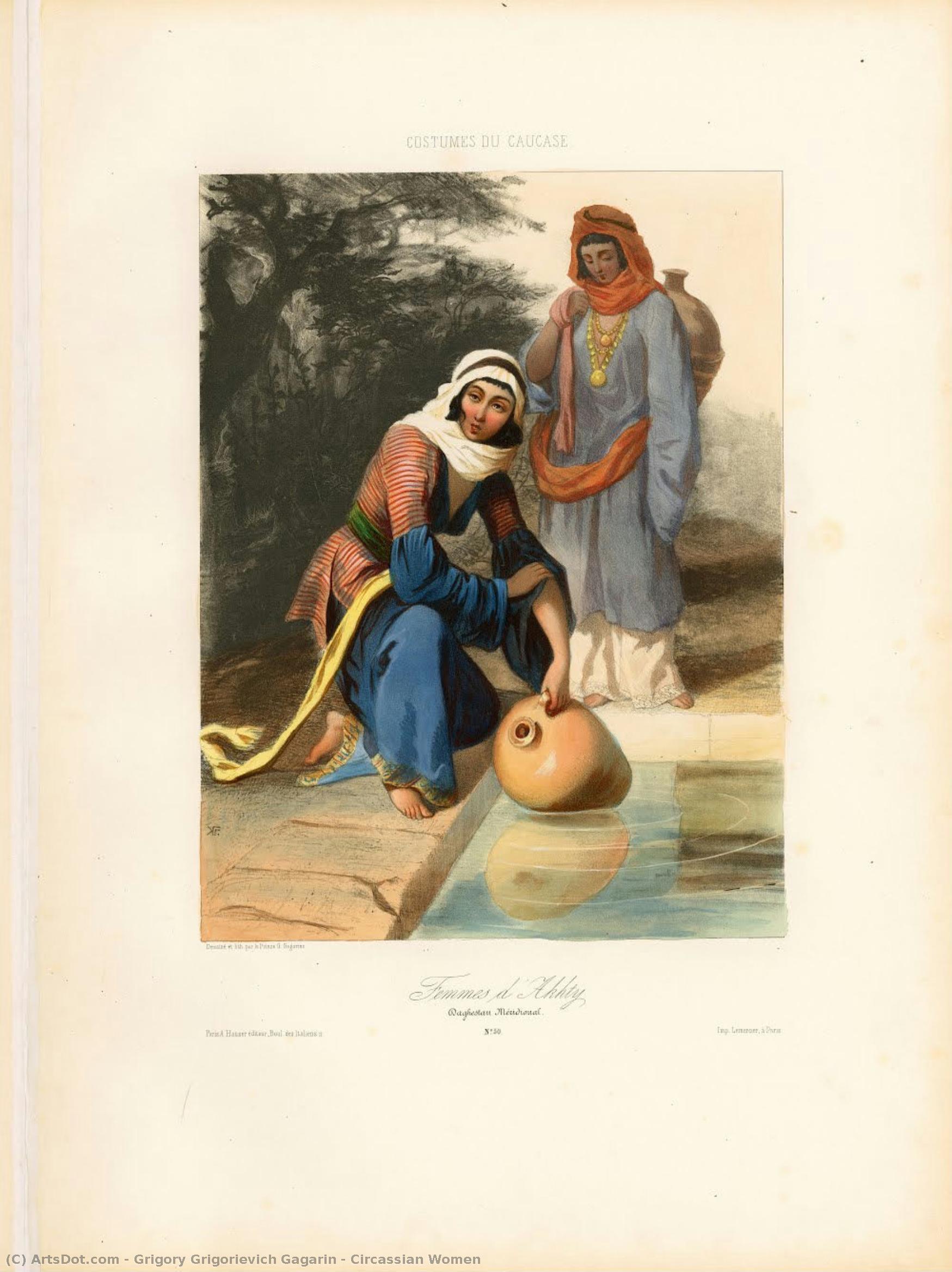
Circassian Women
 Akryl na płótnie
- Sztuka ścienna
- Romanticism
 1855
1855 59.0 x 42.0 cm
 Art Palace of Georgia - Museum of Cultural History
Kup wysokiej rozdzielczości, ulepszony obraz cyfrowy, znacznie lepszy niż podgląd online.
Każdy plik jest starannie przygotowywany przez naszych specjalistów przy użyciu zaawansowanych narzędzi oraz profesjonalnej, ręcznej retuszy. Dbamy o to, aby każdy obraz cechował się wyjątkową ostrością, precyzyjnym odwzorowaniem kolorów i subtelnymi detalami.
Ostateczny plik dostarczany jest drogą mailową w ciągu 72 godzin, zoptymalizowany do natychmiastowego wykorzystania w profesjonalnych zastosowaniach redakcyjnych i poligraficznych. To ta sama jakość, której ufają czołowe studia projektowe, wydawnictwa oraz galerie sztuki.
 Dowiedz się więcej
Obraz cyfrowy
Pobierz plik o wysokiej rozdzielczości do osobistego wyświetlania, druku oraz projektów kreatywnych.
Zawarte w każdym zamówieniu na obraz cyfrowy
Profesjonalna dostawa cyfrowa, gwarantowana
Wybierając ArtsDot.com, nie otrzymujesz jedynie obrazu – otrzymujesz profesjonalnie udoskonalone cyfrowe dzieło sztuki, stworzone z najwyższą precyzją i objęte gwarancją satysfakcji. Oto wszystko, co automatycznie dołączane jest do Twojego zamówienia:

Błyskawiczna wysyłka e-mailowa
Plik z obrazem cyfrowym w wysokiej rozdzielczości zostanie przesłany na Twój adres e-mail w ciągu 72 godzin od złożenia zamówienia – gotowy do natychmiastowego użycia.

Plik cyfrowy wzbogacony przez AI
Twoja grafika została profesjonalnie zoptymalizowana przy użyciu zaawansowanych narzędzi AI oraz ręcznej edycji, co zapewnia maksymalną szczegółowość, klarowność i wierność kolorów.

Dożywotnia darmowa ponowna dostawa
Przypadkowo usunąłeś lub zgubiłeś swój plik? Bez obaw – prześlemy go Tobie ponownie w dowolnym momencie, bez żadnych opłat.

Bez opłat importowych – zawsze
Ciesz się swoją sztuką natychmiast, bez żadnych opłat celnych, należności ani kosztów dostawy – pliki cyfrowe są zawsze wolne od podatku.

Gwarancja wierności kolorów
Dzięki zastosowaniu profesjonalnych narzędzi i procesów zarządzania barwą zapewniamy, że Twoje cyfrowe zdjęcie odzwierciedla oryginalne kolory tak wiernie, jak to tylko możliwe.

60-dniowa gwarancja satysfakcji
Jeśli nie będziesz zadowolony ze swojego cyfrowego obrazu, poprawimy go lub zwrócimy 100% kosztów w ciągu 60 dni – bez żadnych pytań.

100% Gwarancja zwrotu pieniędzy
Nie zadowoleni? Otrzymaj pełny zwrot kosztów w ciągu 60 dni od otrzymania pliku cyfrowego – bez zbędnych pytań.

Rabaty na zamówienia hurtowe
Kup 3 obrazy, oszczędź 10% - Kup 5, oszczędź 15% - Kup 10+, oszczędź 20%. Idealne do projektów kreatywnych, galerii i agencji.
Opis obiektu kolekcjonerskiego
Grigory Gagarin’s “Circassian Woman”: A Portrait of Resilience Amidst Trauma
The painting "Circassian Woman" by Grigory Gagarin, completed in 1855, stands as a poignant testament to both artistic brilliance and the harrowing realities of the Caucasian War. More than just a depiction of two women—one holding a vase, the other gazing intently—it embodies a complex narrative woven into the fabric of Russian imperial history and infused with symbolic resonance that continues to captivate art historians today.- Subject Matter: Gagarin’s focus wasn't merely on capturing physical likeness; he aimed to convey an inner state, portraying two Circassian women facing adversity—a subtle allusion to the displacement and suffering endured by the Circassian people during the conflict. The woman with the vase symbolizes dignity and composure amidst hardship, while her companion embodies quiet contemplation and perhaps unspoken sorrow.
- Style: Gagarin adhered to Neoclassicism/Romanticism, a stylistic blend prevalent in Russian art during his era. This fusion reflects the period's fascination with idealized beauty juxtaposed with emotional depth—a deliberate choice that elevates the painting beyond mere visual representation. The artist skillfully employs chiaroscuro – dramatic contrasts of light and shadow – to sculpt form and imbue the scene with palpable atmosphere.
- Technique: Gagarin executed his work in watercolor on paper, a technique favored for its luminosity and ability to capture nuanced tonal variations. Watercolor allowed him to achieve remarkable subtlety, mirroring the delicate emotions he sought to convey. The meticulous layering of washes contributes to the painting's ethereal quality, enhancing its visual impact and conveying a sense of timelessness.
- Historical Context: Created during the Caucasian War (1846-1864), Gagarin’s artwork reflects the broader anxieties surrounding Russia’s expansion into the Caucasus region. The war fueled nationalist fervor and justified brutal policies against Circassian communities—policies that Gagarin implicitly critiques through his portrayal of vulnerability and resilience.
- Symbolism: Beyond its immediate depiction, “Circassian Woman” carries symbolic weight. The vase represents purity and grace – qualities valued in Circassian culture despite the devastation inflicted by Russian forces. The gaze of the woman embodies introspection and remembrance—a subtle reminder of the human cost of imperial ambition.
- Useful Links: Grigory Gagarin
- Internet Search: Get Art Reproductions Circassian Woman, 1855 by Grigory ...
- Georgian Context: Paintings of Georgian Women by Prince Grigory ...
- Wikipedia: Circassian genocide
Podobne dzieła sztuki


Biografia artysty
Grigory Gagarin (1810 - 1893)
Grigory Grigorievich Gagarin (Russian: Григо́рий Григо́рьевич Гага́рин, May 29 April 1810 – January 30 January 1893) was a Russian painter, Major General and administrator. He stands as one of the most prominent figures in Russian Romanticism, celebrated for his captivating depictions of Caucasian landscapes and portraits—particularly those capturing the spirit of the Circassian people. His artistic journey began under the tutelage of Karl Briullov, a titan of Russian art, shaping his style and fostering an enduring fascination with observation and expressive color. ### Early Life and Artistic Formation Born into the noble Rurikid Gagarin family – descendants of Vladimir Rus’—Grigory’s upbringing instilled in him a deep appreciation for heritage and tradition. His father, Prince Grigory Ivanovich Gagarin (Saint Petersburg, March 29 March 1782 – Tegernsee, February 12 February 1837), served as Russia's ambassador to Italy, exposing young Grigory to European culture and fostering a cosmopolitan outlook. Despite lacking formal artistic training, Gagarin’s talent blossomed thanks to invaluable lessons from Karl Briullov, whose influence would permeate his entire oeuvre. This formative period in Siena solidified his commitment to capturing the beauty of the natural world and conveying emotion through visual art. ### Artistic Career: Landscapes and Portraits Gagarin's artistic career gained momentum during his time in Saint Petersburg, where he befriended literary luminaries like Alexander Pushkin and Mikhail Lermontov—artists who profoundly impacted Russian culture. He meticulously illustrated Pushkin’s masterpieces, “The Queen of Spades” and “The Tale of Tsar Saltan,” demonstrating a masterful command of narrative storytelling through painting. Furthermore, Gagarin's artistic explorations extended beyond literature; he embarked on expeditions to the Caucasus region, documenting its dramatic vistas with breathtaking precision. His canvases—such as "Caucasian Prince" and "Circassian Woman"—became emblems of Romantic idealism, reflecting his belief in the sublime power of nature and the importance of portraying human subjects with sensitivity and nuance. He also produced portraits of Armenian clergymen and Kurds from Ararat, showcasing his dedication to documenting diverse ethnic groups and traditions. ### Military Service and Administrative Roles Beyond his artistic pursuits, Gagarin distinguished himself as a military officer and administrator—serving as a Major General in the Russian Army and holding positions within the Imperial Court. His diplomatic service spanned Paris, Rome, and Constantinople, providing him with invaluable experience in international relations and fostering an understanding of diverse cultures. Notably, he was appointed Vice President of the Fine Arts Academy since 1859, cementing his legacy as a champion of artistic excellence and furthering Russia’s cultural standing on the global stage. ### Legacy and Significance Grigory Gagarin's contribution to Russian art is undeniable—his landscapes embody Romantic ideals, while his portraits capture the essence of human character with remarkable accuracy. His work continues to inspire admiration for its beauty and emotional depth, serving as a testament to the enduring power of observation and artistic expression. He remains an important figure in Russian cultural history, symbolizing the harmonious blend of intellectual curiosity and creative talent that characterized the Romantic era. ### References:- Caucasus Prince, ArtsDot.com
- Russian Art, wikipedia

Grigory Gagarin
1810 - 1893 , Rosja
Krótka nota
- Artistic Movement Or Style: Romanticism
- Artists Who Influenced This Artist: ['Karl Briullov']
- Date Of Birth: May 29 April 1810
- Date Of Death: January 30 January 1893
- Full Name: Grigory Grigorievich Gagarin
- Nationality: Russian
- Notable Artworks:
- Caucasian Prince
- Circassian Woman
- A Priest from Armenia
- Kurds from Ararat
- Georgian Man
- Place Of Birth: Saint Petersburg, Russia

