
- Strona główna

- Reprodukcja obrazu olejnego
- gregorio lazzarini
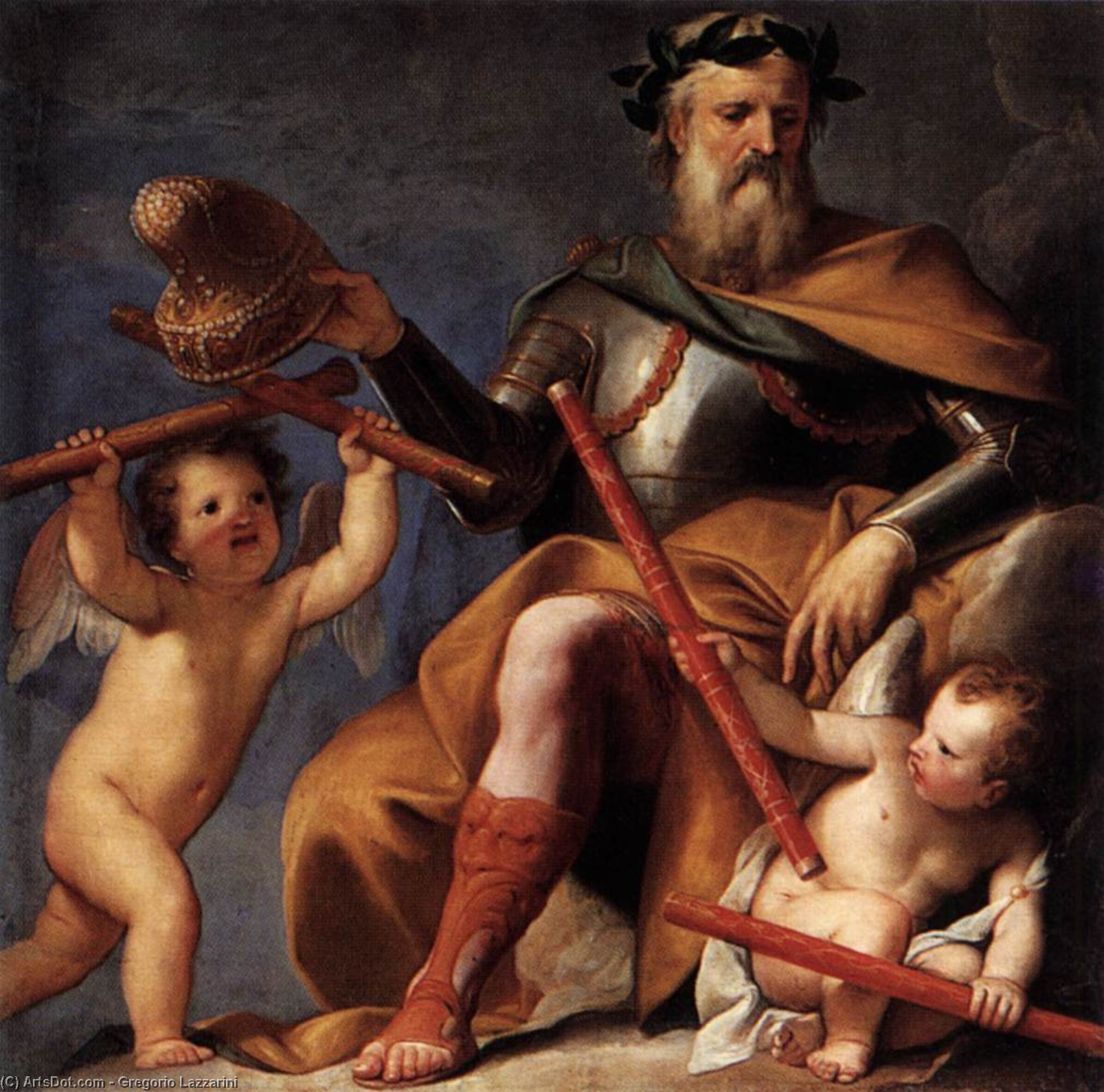
- Merit Offers the Command to Doge Morosini
 Zamów wydruk Kup cyfrowy obraz
 Udostępnij
 Udostępnij
 Details
 Dodaj do ulubionych

 Pobierz
 Podobne obiekty
 X-Ray
X-Ray
 Pokaz slajdów
Merit Offers the Command to Doge Morosini


Ręcznie malowana reprodukcja olejowa
Ręcznie malowany olej na płótnie w Twoim wymiarze i ramie, tworzony na zamówienie przez naszych artystów.




P118B $10

P118H $10

P118W $10

P438Z $10

P508JH $12

P508YH $12

P805H $10

P805Z $10

P919BZ $10

P919G $10

P919XJ $10

P959ZH $10

P968JZ $12

W106C $8

W218G $10

W218JH $8

W218Y $10

W307PJ $10

W316G $10

W316PJ $8

W316Y $10

W398PJ $8

W4111J $10

W500HY $15

W500JH $15

W692G $12

W849H $8

W940BG $15

W953PJ $8




 Dowiedz się więcej
Wybierz spośród naszych predefiniowanych rozmiarów, które zachowują oryginalne proporcje dzieła sztuki.

Możesz wprowadzić własne wymiary, aby dopasować obraz do konkretnej ramy lub przestrzeni. Jeśli wybrany rozmiar nie będzie odpowiadał proporcjom oryginału, przytniecie dzieło sztuki lub rozszerzymy je o dodatkowe elementy, ręcznie domalowane przez artystę. Przed rozpoczęciem produkcji wyślemy projekt cyfrowy do Twojej akceptacji.
Należy pamiętać, że podgląd na ekranie nie odzwierciedla rzeczywistego przycinania ani rozszerzania obrazu. Tylko projekt dokładnie pokaże ostateczną kompozycję.
Choć oferujemy możliwość zamówienia niestandardowych rozmiarów, zalecamy wybór wymiaru z gotowej listy, aby zachować oryginalne proporcje dzieła.
Po złożeniu zamówienia zespół ArtsDot.com skontaktuje się z klientem drogą mailową w celu uzyskania instrukcji i prześle wizualizację projektu
Dostawa na całym świecie () w ciągu 3/4 tygodni zamiast standardowych 5 tygodni. (1 Lipiec). Bez kompromisów w kwestii jakości.

Bezpłatna ekspresowa wysyłka na cały świat

Wysokiej jakości płótno lniane

Pełne ubezpieczenie przesyłki

Gwarancja zwrotu należności celnych

Gwarancja pełnego zgodności kolorystycznej

Polityka 60-dniowego zwrotu (tylko w przypadku wad)

Gwarancja 100% zwrotu pieniędzy

Zniżka przy większych zamówieniach
 Opcja szkła jest dostępna wyłącznie w rozmiarach poniżej 110 cm

Merit Offers the Command to Doge Morosini
Technika reprodukcji
Wymiary reprodukcji
-


Cena całkowita
-
Opis dzieła
The Grand Narrative of Power and Victory
Gregorio Lazzarini’s “Merit Offers the Command to Doge Morosini” is more than just a painting; it's a vibrant snapshot of 17th-century Venice, a city pulsating with political intrigue, naval prowess, and the enduring legacy of its maritime empire. Completed in 1694, this monumental work captures a pivotal moment – the election of Francesco Morosini as Doge, the supreme ruler of the Venetian Republic – amidst the backdrop of the Great Turkish War. The scene unfolds within the Sala dello Scrutinio (Voting Hall) of the Doge’s Palace, a space steeped in history and symbolic weight, where the fate of Venice was decided through elaborate ceremony and carefully orchestrated votes.
Lazzarini masterfully employs a dramatic composition to convey this narrative. Morosini, clad in imposing armor and a feathered hat, stands as the central figure, holding two wooden staffs – symbols of command and authority – while gesturing towards the assembled dignitaries. Surrounding him are three children, representing the future of Venice, one seated thoughtfully and the other two standing attentively. The inclusion of these youthful figures subtly hints at the continuity of Venetian power and the hope for a prosperous era. The backdrop, rendered in a rich, deep blue, provides a dramatic contrast to the warm tones of the figures and adds depth to the scene, creating an atmosphere of both solemnity and grandeur.
A Window into Venetian Politics and Warfare
Understanding the historical context is crucial to appreciating Lazzarini’s work. The Great Turkish War (1685-1699) dominated Venice's existence during this period, threatening its trade routes and territorial control. Francesco Morosini emerged as a brilliant military commander, repeatedly securing victories against the Ottoman Empire in Greece and the Morea. His successes earned him immense prestige and ultimately propelled him to the Doge’s office. The painting isn’t simply a portrait; it's a visual testament to his achievements and the political maneuvering that secured his position.
The depiction of Morosini himself is particularly noteworthy. He embodies the ideal Venetian leader – courageous, decisive, and adorned with symbols of authority. His posture exudes confidence, while the details of his armor and attire reflect the wealth and power of the Republic. The careful rendering of the children underscores the importance of lineage and succession in Venetian society, reinforcing the notion that Morosini’s election was a strategic move to ensure stability and continuity.
The Art of Baroque Grandeur
Lazzarini's style is firmly rooted in the Venetian Baroque tradition, characterized by its dramatic lighting, rich colors, and dynamic compositions. He skillfully employs chiaroscuro – the contrast between light and dark – to create a sense of depth and drama, drawing the viewer’s eye to Morosini as the focal point of the scene. The use of vibrant blues, reds, and golds further enhances the painting's visual impact, reflecting the opulence and splendor associated with Venetian art.
The artist’s technique is remarkably detailed, evident in the meticulous rendering of the armor, clothing, and facial features. Lazzarini demonstrates a mastery of perspective and spatial relationships, creating a convincing illusion of three-dimensionality within the confines of the painting. The brushstrokes are confident and expressive, conveying both technical skill and artistic flair.
Symbolism and Enduring Legacy
Beyond its historical significance, “Merit Offers the Command to Doge Morosini” is rich in symbolism. The wooden staffs represent Morosini’s authority and leadership, while the children symbolize the future of Venice. The blue background evokes the vastness of the sea – a constant presence in Venetian life and a source of both wealth and peril. The painting serves as a powerful reminder of Venice's enduring legacy as a maritime power and its complex political landscape.
Reproductions of this magnificent artwork offer a captivating glimpse into a pivotal moment in Venetian history, inviting viewers to contemplate the interplay of power, ambition, and artistic brilliance. It remains a testament to Lazzarini’s skill and a valuable window into the vibrant world of 17th-century Venice.
Podobne dzieła sztuki


Powiązane artykuły

Titian: Innovation, Technique & the Venetian Renaissance Portrait Tradition
Explore the revolutionary techniques & enduring legacy of Titian, the master of Venetian Renaissance portraiture. Discover insights for collectors & appreciate his impact on art history.


Jacopo Tintoretto: 25 Arcydzieł Pełnych Dramatyzmu i Światła | ArtsDot.com
Odkryj 25 arcydzieł Jacopo Tintoretto – weneckiego mistrza dramatyzmu i światła! Poznaj historie, techniki i inspiracje za jego najsłynniejszymi obrazami. Reprodukcje najwyższej jakości na ArtsDot.com. Eksploruj kolekcję online!

Dramatyczny Rozkwit Baroku: Dziedzictwo Sztuki Kontrreformacji i Mistrzowie Chiaroscuro
Odkryj dramatyczny świat baroku! Poznaj historię sztuki kontrreformacji, mistrzów chiaroscuro i weneckich arcydzieł. Reprodukcje najwyższej jakości na ArtsDot.com.

Dramatyczny Rozkwit Sztuki Barokowej: Historia, Cechy Charakterystyczne i Trwały Wpływ
Odkryj fascynujący świat sztuki barokowej! Poznaj historię, charakterystyczne cechy i wpływ tego epokowego stylu na kulturę. Ekspercka analiza dla miłośników historii sztuki.

Barokowe arcydzieła malarstwa: 10 obrazów, które zmieniły historię sztuki | ArtsDot
Odkryj 10 arcydzieł malarstwa barokowego! Caravaggio, Rembrandt, Rubens i inni mistrzowie. Poznaj historie, techniki i dramatyzm w sztuce. Reprodukcje obrazów najwyższej jakości na ArtsDot.com – zainspiruj się i udekoruj swoje wnętrze!

