


 Zobacz w skali 1:1
 Wyślij
 Udostępnij
 Szczegóły
 Przewodnik

 Pobierz plik obrazu
 Podobne obiekty
 RTG
RTG Pokaz slajdów
 Statystyki
Tree Form
 Oil On Canvas
- WallArt
- Surrealism
 1941
1941 39.0 x 31.0 cm
 Leeds Art Gallery
 Czytaj więcej
Dzieło sztuki prezentowane na tej stronie podlega ochronie prawem autorskim, co oznacza, że nie mamy prawa do tworzenia ani sprzedaży jego identycznej reprodukcji. Ochrona ta jest egzekwowana na mocy umów międzynarodowych, takich jak Konwencja berneńska oraz przez przepisy prawa krajowego, w tym te określone w Prawo autorskie USA – Tytuł 17.
Metoda ta jest w pełni zgodna z przepisami prawa autorskiego, ponieważ nie polega na kopiowaniu ani powielaniu chronionego dzieła. Stanowi ona kreatywną reinterpretację – nowy obraz, który czerpie inspirację z oryginału, ale nie jest z nim tożsamy.
Giclée / Wydruk artystyczny
Wydruki giclée lub płótna o jakości muzealnej, szybka realizacja i szeroki wybór opcji wykończenia. ( Kup ręcznie malowany obraz Przełącz na wersję cyfrową)




P118B zł10

P118H zł10

P118W zł10

P438Z zł10

P508JH zł12

P508YH zł12

P805H zł10

P805Z zł10

P919BZ zł10

P919G zł10

P919XJ zł10

P959ZH zł10

P968JZ zł12

W106C zł8

W218G zł10

W218JH zł8

W218Y zł10

W307PJ zł10

W316G zł10

W316PJ zł8

W316Y zł10

W398PJ zł8

W4111J zł10

W500HY zł15

W500JH zł15

W692G zł12

W849H zł8

W940BG zł15

W953PJ zł8




Wybierz spośród naszych standardowych rozmiarów, które zachowują oryginalne proporcje dzieła sztuki.

Wpisz wymaganą szerokość i wysokość, aby dopasować grafikę do ramy lub ściany. Wydruk można jedynie przyciąć, nigdy nie powiększając go poza oryginalny obraz, dlatego format o innym proporcji spowoduje utratę części kompozycji. Przed rozpoczęciem druku prześlemy Ci cyfrowy podgląd do zatwierdzenia. Obraz wyświetlany na tej stronie nie pokazuje rzeczywistego przycięcia — jedynie podgląd oddaje ten efekt.
Dostawa na cały świat () w ciągu 2 tygodni zamiast standardowych 4/5 tygodni. (23 Październik)

Bezpłatna ekspresowa wysyłka na cały świat

Wysokiej jakości płótno lniane

Pełne ubezpieczenie transportowe

Gwarancja zwrotu należności celnych i podatków importowych

Gwarancja idealnego odwzorowania barw

100-dniowy okres na zwrot dzieła w przypadku wykrycia wad produkcyjnych

Gwarancja 100% zwrotu pieniędzy

Oferta przy zakupie wielu sztuk
 Opcja ze szkłem jest dostępna wyłącznie w rozmiarach poniżej 110 cm

Tree Form
Giclée / Wydruk artystyczny
Rozmiar reprodukcji
-


Suma do zapłaty
zł 239
A Descent into the Organic: Unveiling Graham Vivian Sutherland's "Tree Form"
Graham Vivian Sutherland’s 1941 painting, “Tree Form,” isn’t merely a depiction of a tree; it’s an immersion in primal emotion and a profound exploration of the natural world filtered through the lens of Surrealism. This arresting work, housed within a relatively modest 39 x 31 cm canvas, immediately commands attention with its unsettling yet captivating composition – a colossal, textured creature emerging from a void of deep indigo. It’s a piece that lingers in the mind long after viewing, prompting questions about instinct, vulnerability, and the hidden depths beneath the surface of our perception.
Sutherland, a master of translating the English landscape into intensely personal visions, was deeply influenced by the European avant-garde movements of his time. He wasn’t simply replicating what he saw; he was distilling it – stripping away the familiar and revealing something far more potent. The painting's roots lie in Sutherland’s lifelong fascination with Pembrokeshire, a rugged coastal region in Wales that provided him with an endless source of inspiration. This particular piece embodies his signature style: a masterful blend of meticulous observation and dreamlike abstraction. The work reflects the post-war mood of uncertainty and introspection, mirroring a generation grappling with the aftermath of conflict and searching for new ways to understand themselves and their world.
Decoding Texture and Form: A Study in Impasto
Technically, “Tree Form” is a testament to Sutherland’s remarkable skill. The dominant technique is oil paint applied with a generous hand, utilizing thick impasto – building up layers of pigment to create an incredibly tactile surface. The raised areas, the recessed pools, and the swirling patterns within the creature's scales aren’t merely decorative; they are integral to the painting’s emotional impact. The artist deliberately avoids precise detail, opting instead for a gestural approach that conveys movement and energy. Notice how the brushstrokes themselves seem to writhe and pulsate, mirroring the unsettling quality of the subject.
The color palette is predominantly dark – deep blues, greens, and violets dominate, punctuated by flashes of gold and teal. These colors aren’t used in a harmonious way; they clash and contrast, contributing to the painting's sense of unease. The limited use of brighter hues—particularly the gold—suggests a glimmer of hope or perhaps even a primal instinct struggling to emerge from the darkness. The flattened perspective further enhances this feeling of claustrophobia, drawing the viewer directly into the creature’s shadowed realm.
Symbolism and the Primal Within
While rooted in observation, “Tree Form” transcends simple representation. The central figure – a vaguely reptilian or amphibian form – is open to multiple interpretations. Some scholars suggest it represents the primal instincts that lie dormant within us all, a reminder of our connection to the natural world and its often-unpredictable forces. Others see it as an embodiment of vulnerability, a creature both powerful and exposed. The swirling patterns within its scales could be interpreted as symbols of chaos or perhaps even the interconnectedness of all things.
The painting’s overall mood is undeniably unsettling, yet simultaneously compelling. It evokes feelings of unease, curiosity, and a profound sense of mystery. Sutherland wasn't interested in providing easy answers; he was inviting us to confront our own anxieties and explore the darker corners of the human psyche. “Tree Form” remains a powerful testament to the artist’s ability to transform observation into a deeply personal and emotionally resonant experience.
Pytania i odpowiedzi
Kto jest autorem dzieła "Tree Form" i do jakiego nurtu ono należy?
Twórcą dzieła "Tree Form" jest Graham Vivian Sutherland, reprezentujący nurt Surrealism.
Czy „Tree Form” autorstwa Graham Vivian Sutherland to portret, pejzaż czy kompozycja kwadratowa?
Format dzieła „Tree Form” to Portrait. Jest to pomocna informacja podczas planowania miejsca, w którym zostanie umieszczona reprodukcja.
Jaki rozmiar i orientacja są zalecane dla wydruku dzieła „Tree Form” autorstwa Graham Vivian Sutherland?
Rozmiar Medium, orientacja Portrait: to sugerowane ustawienia druku dla „Tree Form” autorstwa Graham Vivian Sutherland.
Podobne dzieła


Biografia artysty
Wizjonerskie krajobrazy Grahama Viviana Sutherlanda
Graham Vivian Sutherland, tytan brytyjskiego modernizmu, posiadał rzadką zdolność przekształcania znanych konturów świata natury w coś głęboko niepokojącego i niezwykle duchowego. Urodzony w 1903 roku w Streatham w Londynie, przeszedł drogę nieustannej metamorfozy. Choć jego wczesne lata kształtowała klasyczna edukacja w Epsom College, jego prawdziwe powołanie wyłoniło się daleko poza prawniczym kręgiem jego rodziny. Pierwsze kroki w technicznym świecie praktyki zawodowej w warsztatach lokomotyw Midland Railway dostarczyły mu fundamentu precyzji, która później objawiła się w jego zawiłych grafikach i bogatych w teksturę obrazach olejnych. Przechodząc do Goldsmiths' School of Art, Sutherland zaczął odchodzić od tradycyjnej reprezentacji, czując przyciąganie do ewokatywnej mocy miedziorytu i akwaforty.
Wczesna estetyka artysty była głęboko zakorzeniona w romantyzmie Samuela Palmera, jednak odmówił on pozostania uwięzionym w przeszłości. Zamiast tego, Sutherland stał się pomostem między angielską tradycją pasterską a radykalną energią europejskich ruchów awangardowych. Przyswajając oniryczną logikę surrealizmu oraz surową emocjonalność ekspresjonizmu, wypracował język wizualny, który potrafił uchwycić zarówno fizyczny krajobraz, jak i stan psychiczny. Jego wczesne grafiki, charakteryzujące się poczuciem tajemnicy i organiczną formą, położyły podwaliny pod karierę zdefiniowaną przez obsesję na punkcie „obcości” natury – motywu, który stał się jego najtrwalszym dziedzictwem.
Cień natury i lata wojny
Lata 40. XX wieku stanowiły przełomowy okres w rozwoju Sutherlanda, gdy jego uwaga przeniosła się z delikatnego medium grafiki na wizceralne, impastowe tekstury malarstwa olejnego. To właśnie w tym czasie surowe, smagane wiatrem krajobrazy Pembrokes_keshire stały się jego główną muzą. W dziełach takich jak Thorn Tree, można podziwiać mistrzostwo artysty w łączeniu botanicznej rzeczywistości z surrealistyczną deformacją. Nie malował on jedynie drzew; malował napięcie, walkę i szkieletową architekturę samego życia. Ten okres przyniósł mu przejście ku bardziej abstrakcyjnemu, a jednak głęboko symbolicznemu sposobowi widzenia, w którym ciernie, korzenie i powykręcane gałęzie służyły jako metafory ludzkiej kruchości i odporności.
Druga wojna światowa wprowadziła do jego twórczości inny, bardziej ponury wymiar. Służąc jako oficjalny artysta wojny, Sutherland skierował swój wzrok na przemysłowe i często upiorne sceny brytyjskiego frontu wewnętrznego. Jego obrazy z tej ery, takie jak Flying Bomb Depot The Caverns, są popisami budowania atmosfery. Poprzez gęste tekstury i paletę barw przywołującą zarówno rozkład, jak i trwogę, uchwycił on upiorną pustkę wojennych wnętrz. Dzieła te nie były jedynie dokumentacją; stanowiły psychologiczne portrety epoki naznaczonej lękiem i nadciągającą obecnością zniszczenia, odzwierciedlając pofragmentowaną rzeczywistość świata pogrążonego w wojnie.
Dziedzictwo symbolizmu i wielkości
W latach powojennych twórczość Sutherlanda wzbiła się na nowe szczyty znaczenia duchowego i publicznego. Zaczął on integrować symbolikę religijną z motywami organicznymi, tworząc potężną syntezę sacrum i natury. Ukoronowaniem tego procesu było jedno z jego najbardziej monumentalnych osiągnięć: projekt ogromnej centralnej tkaniny dla nowej katedry w Coventry, zatytułowany Christ in Glory in the Tetramorph. Dzieło to, wykorzystujące jego zdolność do operowania formą i kolorem na wielką skalę, pozostaje świadectwem jego roli w kulturowej odbudowie powojennej Brytanii.
W trakcie swojej płodnej kariery wszechstronność Sutherlanda pozwoliła mu pozostawić niezatarte piętno w wielu dyscyplinach:
- Portret: Jego zdolność do uchwycenia psychologicznej głębi postaci publicznych, takich jak pełen godności i melancholii Somerset Maugham.
- Grafika: Całożyciowe oddanie precyzji akwaforty i miedziorytu, które ukształtowało jego poczucie linii i struktury.
- Sztuka dekoracyjna: Jego wkład w projektowanie tkanin oraz sztukę szkła, wprowadzający nowoczesną abstrakcję w sferę funkcjonalnego piękna.
Ostatecznie Graham Sutherland pozostaje filarem sztuki XX wieku, ponieważ odważył się spojrzeć pod powierzchnię krajobrazu. Odnalazł surrealizm w tym, co rzeczywiste, i boskość w tym, co organiczne. Jego dziedzictwo nie znajduje się jedynie w muzeach, lecz w sposobie, w jaki postrzegamy ukryte, często poszarpane piękno otaczającego nas świata – świata, w którym każdy cierń niesie ze sobą opowieść, a każdy cień skrywa tajemnicę.

Graham Vivian Sutherland
1903 - 1980 , Wielka Brytania
Najważniejsze informacje
- Artistic Movement Or Style: Surrealism
- Artists Or Movements Influenced By This Artist: ['Paul Nash']
- Artists Who Influenced This Artist:
- Samuel Palmer
- F.L. Griggs
- Date Of Birth: August 24, 1903
- Date Of Death: February 17, 1980
- Full Name: Graham Vivian Sutherland
- Nationality: British
- Notable Artworks:
- Flying Bomb Depot
- Entrance to a Lane
- Place Of Birth: London, England
Zobacz także powiązane artykuły

Top 10 Sławnych Obrazów w Odcieniach Szaroniebieskiego – Inspiracje dla Wnętrz | ArtsDot.com
Odkryj 10 najsłynniejszych obrazów w odcieniach szaroniebieskiego! Poznaj historie Claude Moneta, Degasa i Van Gogha. Inspiracje wnętrzarskie i reprodukcje najwyższej jakości na ArtsDot.com – sztuka dla Twojego domu.

Geometria Sztuki: 10 Arcydzieł Abstrakcji Geometrycznej | ArtsDot.com
Odkryj 10 arcydzieł abstrakcji geometrycznej! Poznaj historię Mondriana, Kandinskiego i Maleвича. Inspiracje wnętrzarskie z malarstwem abstrakcyjnym – reprodukcje najwyższej jakości na ArtsDot.com. Eksploruj kolekcję online!

25 Arcydzieł Kandinskiego: Kolor, Duchowość i Abstrakcja w Twoim Domu | ArtsDot.com
Odkryj 25 arcydzieł Wassily Kandinskiego – pioniera abstrakcji i ekspresjonizmu! Poznaj historie, techniki i emocje kryjące się za jego kolorowymi kompozycjami. Reprodukcje obrazów najwyższej jakości na ArtsDot.com. Eksploruj pełną kolekcję online!
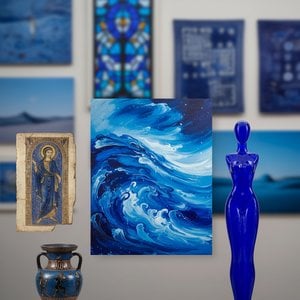
Błękit w Sztuce: Symbolika, Historia i Psychologiczne Oddziaływanie Koloru
Odkryj fascynującą historię błękitu w sztuce! Poznaj symbolikę, psychologię i wpływ tego koloru na arcydzieła renesansu i współczesne trendy. Ekspercka analiza dla miłośników sztuki.

Top 10 arcydzieł ekspresjonizmu abstrakcyjnego – inspiracje dla Twojego wnętrza | ArtsDot.com
Odkryj 10 arcydzieł ekspresjonizmu abstrakcyjnego – Pollock, Rothko, de Kooning i inni. Poznaj historie artystów, techniki i inspiracje dla Twojego wnętrza. Reprodukcje najwyższej jakości na ArtsDot.com!

