


 Podgląd w skali
 Wyślij jako kartkę
 Udostępnij
 Szczegóły dzieła

 Pobierz
 Podobne obiekty
 RTG
RTG Pokaz slajdów
Jesień
 Olej na płótnie
- Sztuka ścienna
- Mannerist Ingenuity
 1572
1572- Renesans
 93.0 x 72.0 cm
 Denver Art Museum
 Rozwiń treść
Giclée / Wydruk artystyczny
Druk giclée lub płótno o jakości muzealnej, szybka realizacja i szeroki wybór opcji wykończenia. ( Zamów ręcznie malowaną reprodukcję Kup obraz wysokiej rozdzielczości)




P118B $10

P118H $10

P118W $10

P438Z $10

P508JH $12

P508YH $12

P805H $10

P805Z $10

P919BZ $10

P919G $10

P919XJ $10

P959ZH $10

P968JZ $12

W106C $8

W218G $10

W218JH $8

W218Y $10

W307PJ $10

W316G $10

W316PJ $8

W316Y $10

W398PJ $8

W4111J $10

W500HY $15

W500JH $15

W692G $12

W849H $8

W940BG $15

W953PJ $8




Wybierz spośród naszych standardowych rozmiarów, które zachowują oryginalne proporcje dzieła sztuki.

Możesz wprowadzić własne wymiary, aby dopasować dzieło do konkretnej ramy lub przestrzeni. Jeśli wybrany rozmiar nie będzie odpowiadał proporcjom oryginalnego obrazu, przytniecie dzieło lub rozszerzymy obraz za pomocą odbicia lustrzanego lub jednolitego wypełnienia krawędzi. Przed rozpoczęciem produkcji prześlemy cyfrową wizualizację do Twojej akceptacji.
Prosimy pamiętać, że podgląd na ekranie nie odzwierciedla faktycznego przycinania ani rozszerzania. Tylko wizualizacja dokładnie pokaże końcową kompozycję.
Mimo dostępności niestandardowych rozmiarów, zalecamy wybór wymiaru z listy zdefiniowanej, aby zachować oryginalne proporcje.
Dostawa na cały świat () w ciągu 2 tygodni zamiast standardowych 4/5 tygodni. (16 Sierpień)

Bezpłatna ekspresowa wysyłka na cały świat

Wysokiej jakości płótno lniane

Pełne ubezpieczenie przesyłki

Gwarancja zwrotu należności celnych i podatków importowych

Gwarancja wiernego odwzorowania kolorów

Polityka 60-dniowego zwrotu (tylko w przypadku wad)

Gwarancja 100% zwrotu kosztów

Zniżka przy zamówieniu wielu produktów
 Opcja ze szkłem jest dostępna wyłącznie w rozmiarach poniżej 110 cm

Jesień
Giclée / Wydruk artystyczny
Wymiary reprodukcji
-


Cena całkowita
$ 62
Opis kolekcjonerski
Symfonia Pory Roku: Odkrywanie „Jesieni” Arcimboldo
Arcydzieło Giuseppe Arcimboldo z 1572 roku, „Jesień”, przekracza granice tradycyjnej martwej natury i portretu. To kompozycja wizualnie uderzająca i intelektualnie stymulująca – ludzki profil pomysłowo skonstruowany w całości z hojnych darów sezonu zbiorów. Dzieło to ucieleśnia unikalną wizję artystyczną Arcimboldo, rzucając wyzwanie konwencjonalnej reprezentacji i zapraszając do kontemplacji nad głęboką więzią łączącą ludzkość z naturą.
Temat i Kompozycja: Twarz Obfitości
Zamiast konwencjonalnego przedstawienia ludzkiej formy, „Jesień” prezentuje niezwykle rozpoznawalny profil, pieczołowicie złożony z szeregu jesiennych owoców, warzyw i roślinności. Dynia tworzy wyraźny nos, kiście winogron definiują zacienione kontury, podczas gdy liście i tykwy współtworzą ogólną strukturę twarzy. Układ ten nie jest przypadkowy; to harmonijna integracja, w której każdy element płynnie łączy się w całość, tworząc obraz jednocześnie uderzająco oryginalny i zaskakująco znajomy. Obraz o wymiarach 93 x 72 cm zaprasza do intymnego oglądania, pozwalając na pełne docenienie jego niesamowitej szczegółowości.
Styl Artystyczny i Technika: Manierystyczna Pomysłowość
Styl Arcimboldo wymyka się łatwym klasyfikacjom, istniejąc na fascynującym przecięciu renesansowego realizmu i manierystycznej przesady. Artysta posiadał niezwykłą zdolność do oddawania każdego botanicznego elementu z niemal żywą dokładnością – co stanowi świadectwo jego przenikliwych umiejętności obserwacyjnych. Wykonane techniką olejną dzieło prezentuje subtelne gradacje kolorów i tekstur, wzmacniając głębię oraz trójwymiarowość. Jednak „Jesień” wykracza poza zwykłe naśladownictwo; to transformatywna wypowiedź artystyczna, w której zwyczajne przedmioty zostają przekształcone w niezwykłe podobieństwo. Jego technika nie polega jedynie na przedstawianiu natury, lecz raczej na jej rekonstruowaniu poprzez jej własne elementy.
Kontekst Historyczny i Znaczenie: Dworska Kreacja
Stworzona w późnym renesansie „Jesień” odzwierciedla fascynację epoki symbolizmem, alegorią i zagadkami intelektualnymi. Arcimboldo służył jako malarz dworski trzech cesarzy Świętego Cesarstwa Rzymskiego – Ferdynanda I, Maksymiliana II oraz Zygmunta II Augusta (Rudolfa II) – tworząc dzieła, które były zarówno dekoracyjnymi ciekawostkami, jak i wyrazem złożonych idei. Te kompozytowe portrety nie były jedynie ćwiczeniami estetycznymi; podziwiali je współcześni za ich pomysłowość i nadal fascynują dzisiaj, oferując wgląd w wartości artystyczne i kulturowe czasów przesiąkniętych symbolizmem i dworskimi intrygami.
Symbolika i Interpretacja: Warstwy Znaczeń
„Jesień” jest bogata w symbolikę. Dobór jesiennych plonów – dynie, tykwy, jabłka, gruszki – przywołuje tematy dojrzałości, obfitości, rozkładu oraz cykliczności życia. Uczeni spierają się co do precyzyjnego znaczenia dzieła Arcimboldo; niektórzy sugerują alegoryczne przedstawienia ludzkiego charakteru lub komentarz społeczny, podczas gdy inni wierzą, że były to fantazyjne kreacje mające bawić i intrygować dwór. Bez względu na intencję, dzieło zaprasza do osobistej interpretacji, dodając obrazowi warstw głębi i złożoności.
Wpływ Emocjonalny i Estetyczna Atrakcyjność: Zachwyt i Podziw
„Jesień” Arcimboldo budzi poczucie zdumienia, radości i intelektualnej ciekawości. Żywe kolory i misterne detale tworzą wizualnie stymulujące doświadczenie, które jest zarówno pociągające, jak i skłaniające do refleksji. Dzieło to rzuca wyzwanie naszym postrzeganiom rzeczywistości, zmuszając nas do spojrzenia poza powierzchnię i rozważenia ukrytych powiązań między ludźmi a światem przyrody. Jest to celebracja obfitości natury zaprezentowana w sposób całkowicie unikalny i niezapomniany.
Rekomendacje Ekspozycyjne: Dla Kolekcjonerów i Projektantów
- Dla Kolekcjonerów Sztuki: „Jesień” Arcimboldo stanowi wyjątkowy nabytek – rzadki, o znaczeniu historycznym przedmiot o trwałej wartości artystycznej. Jego kulturowe znaczenie czyni go cennym uzupełnieniem każdej wyrafinowanej kolekcji.
- Dla Projektantów Wnętrz: Czerp inspirację z bogatej palety barw dzieła (ziemskie tony czerwieni, żółci, zieleni i brązów), organicznych form oraz innowacyjnej kompozycji, aby tworzyć przestrzenie zarówno olśniewające wizualnie, jak i stymulujące intelektualnie. Wysokiej jakości reprodukcja może służyć jako punkt centralny w jadalni, bibliotece lub gabinecie, dodając wnętrzu szczypty renesansowej elegancji i wyrafinowania. Warto rozważyć zestawienie jej z naturalnymi materiałami, takimi jak drewno czy kamień, aby nawiązać do tematów zawartych w obrazie.
Ostatecznie „Jesień” nie jest tylko obrazem; to początek fascynującej rozmowy, wizualna zagadka i ponadczasowe arcydzieło, które wciąż rezonuje z odbiorcami setki lat po swoim powstaniu. To zaproszenie, by zobaczyć świat na nowo – oczami mistrza, który odważył się wyobrazić sobie rzeczywistość na zupełnie nowy sposób.
Podobne dzieła


O artyście
Giuseppe Arcimboldo: A Master of Illusion and Symbol
Giuseppe Arcimboldo, a name synonymous with captivating visual puzzles and surreal portraits, remains one of the most singular figures in Renaissance art. Born in Milan in 1527, his life unfolded against the backdrop of a Europe brimming with intellectual curiosity, religious upheaval, and an insatiable desire to understand the natural world. Initially recognized for his skill in creating frescoes for churches and designing stained glass windows, Arcimboldo’s enduring legacy rests upon a series of extraordinary composite heads—elaborate portraits constructed entirely from meticulously arranged objects: fruits, vegetables, flowers, books, musical instruments, and even entire landscapes. These weren't mere tricks of the eye; they were complex allegories, imbued with layers of symbolism that resonated deeply within the Renaissance worldview and continue to intrigue viewers today. His father, Biagio Arcimboldo, a painter himself, provided young Giuseppe with an early artistic foundation, likely influencing his initial explorations in design and decorative arts. This foundational experience honed his technical skills and developed his keen eye for detail—qualities that would become central to the distinctive style he would later cultivate.Courtly Patronage and Artistic Evolution
Arcimboldo’s career trajectory took a dramatic turn in 1562 when he was appointed court portraitist to Ferdinand I, the Archduke of Austria, at the Habsburg court in Vienna. This appointment marked a pivotal moment, transforming him from a regional artist into a sought-after figure within the most powerful family in Europe. Over the next two decades, he served as an artistic polymath for three successive Habsburg rulers: Maximilian II and his son, Rudolf II—both known for their intellectual pursuits and extravagant tastes. This courtly environment provided Arcimboldo with unprecedented opportunities to expand his creative horizons beyond traditional portraiture. He was tasked not only with painting portraits of the emperors but also with designing elaborate costumes for festivals, decorating imperial halls, organizing vast collections of art and curiosities, and even overseeing theatrical productions. It was within this atmosphere of refined taste and intellectual stimulation that Arcimboldo’s signature style began to fully develop—a unique blend of technical mastery, symbolic complexity, and playful visual wit. The Habsburg court's demand for novelty and spectacle fueled his experimentation, pushing him beyond conventional artistic boundaries and towards the creation of his iconic composite heads.Decoding the Language of Objects: Symbolism and Allegory
Arcimboldo’s portraits are far more than simple visual illusions; they are intricate allegories laden with symbolic meaning. Each object meticulously arranged within a head—whether it's a cluster of fruits, a stack of books, or a collection of musical instruments—represents something deeper, reflecting the sitter’s character, profession, social status, or even broader philosophical concepts. For example, his portrait of Rudolf II as *Vertumnus*, the Roman god of gardens and seasons, is not merely a depiction of the emperor; it's a complex meditation on transformation, abundance, and the cyclical nature of life. The carefully chosen fruits and vegetables—pears, plums, melons, hazelnuts—each carry specific symbolic associations within Renaissance iconography, contributing to the overall message of the portrait. Similarly, his *The Librarian* is not simply a face constructed from books; it’s a subtle critique of scholarly pretension—a commentary on those who amass knowledge without truly engaging with its content. The animal tails forming the beard represent dusters, hinting at neglected volumes gathering dust on shelves. Arcimboldo's work was deeply rooted in Renaissance Neoplatonism, which emphasized the interconnectedness of all things and sought to reveal hidden harmonies within the natural world. His portraits were designed to provoke contemplation, inviting viewers to unravel layers of meaning concealed beneath the seemingly playful arrangement of objects.The Rise of Surrealism: A Precursor to a New Vision
Despite his considerable success during his lifetime, Arcimboldo’s work largely faded from public awareness in the centuries following his death in 1593. His paintings were often dismissed as curiosities—appreciated for their technical skill but lacking serious artistic merit. It wasn't until the early 20th century that a renewed appreciation for his art emerged, fueled by the rise of Surrealism. Artists like Salvador Dalí recognized in Arcimboldo a kindred spirit—a visionary who dared to challenge conventional perceptions and explore the subconscious through unexpected juxtapositions of imagery. Dalí’s own dreamlike compositions and fascination with metamorphosis and illusion owe a significant debt to Arcimboldo's pioneering work. The influence of Arcimboldo can be seen in the way both artists manipulated reality, blurring the boundaries between representation and abstraction, and creating images that defy easy interpretation. Today, Giuseppe Arcimboldo is celebrated as a pivotal figure in art history—a precursor to Surrealism whose innovative use of symbolism, playful distortion, and masterful manipulation of visual illusion continues to inspire artists and captivate audiences worldwide.Legacy and Artistic Influence
Arcimboldo’s legacy extends far beyond his individual works; he fundamentally altered the way artists approached portraiture and representation. His composite heads challenged traditional notions of identity and appearance, forcing viewers to engage with a more complex and layered understanding of the subject. His paintings are housed in prestigious museums around the world—including the Kunsthistorisches Museum in Vienna, the Louvre in Paris, and numerous galleries across Europe—ensuring that his unique vision will continue to resonate for generations to come. His influence can be seen in contemporary artists who explore themes of identity, symbolism, and the relationship between art and reality. Arcimboldo’s work serves as a powerful reminder of the enduring capacity of art to surprise, delight, and provoke profound reflection. His legacy is a testament to the boundless possibilities of artistic imagination.
Giuseppe Arcimboldo
1527 - 1593 , Włochy
Krótka nota
- Artistic Movement Or Style: Mannernismo, Surrealizm
- Artists Or Movements Influenced By This Artist: ['Salvador Dalí']
- Artists Who Influenced This Artist: ['Leonardo da Vinci']
- Date Of Birth: 5 kwietnia 1527
- Date Of Death: 11 lipca 1593
- Full Name: Giuseppe Arcimboldo
- Nationality: Włoski
- Notable Artworks:
- Portrety z owoców
- Cztery pory roku
- Place Of Birth: Mediolan, Włochy
Powiązane artykuły

The Bountiful Still Life: Symbolism & Artistic Representation of Fruit Across Art History
Explore the rich history of still life painting & the symbolism of fruit across art movements. Discover masterpieces from Caravaggio to Cézanne with ArtsDot – expert guidance & museum-quality reproductions.

Paul Cézanne: 25 Arcydzieł, które Zrewolucjonizowały Świat Sztuki | ArtsDot
Odkryj 25 arcydzieł Paula Cézanne'a – od impresjonizmu po postimpresjonizm. Poznaj historie, techniki i inspiracje malarza, który zrewolucjonizował sztukę. Reprodukcje obrazów najwyższej jakości na ArtsDot.com!

Silent Narratives: Exploring the Enduring Appeal of Still Life Painting Across Centuries
Explore the rich history of still life painting with ArtsDot. Discover Dutch Masters, decode vanitas symbolism & learn about collecting timeless art. Expert insights and museum-quality reproductions.
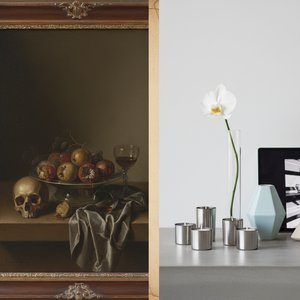
Martwa natura w sztuce: od starożytności do współczesności – historia, symbolika i trwały urok
Odkryj fascynującą historię martwej natury w sztuce – od antycznych początków po współczesne reinterpretacje. Poznaj mistrzów, symbolikę i techniki malarskie. Ekskluzywne artykuły na ArtsDot.com!

Clyfford Still's Abstract Expressionism: A Study of Color, Form & the Existential Landscape
Explore the profound world of Clyfford Still's Abstract Expressionism with ArtsDot. Discover his unique style, existential themes & investment potential. Expert analysis for discerning collectors.



