


 Zobacz w skali 1:1
 Wyślij
 Udostępnij
 Szczegóły
 Przewodnik

 Pobierz plik obrazu
 Podobne obiekty
 RTG
RTG Pokaz slajdów
 Statystyki
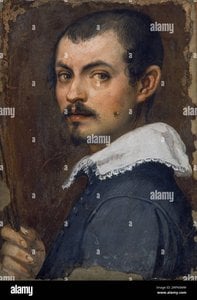
Self portrait

 Czytaj więcej
Ręcznie malowana reprodukcja olejowa
Ręcznie malowany obraz olejny na płótnie, wykonany na zamówienie przez naszych artystów w wybranym przez Ciebie wymiarze i oprawie. ( Przełącz na wersję drukowaną Przełącz na wersję cyfrową)




































Wybierz spośród naszych standardowych rozmiarów, które zachowują oryginalne proporcje dzieła sztuki.

Możesz wprowadzić własne wymiary, aby dopasować obraz do konkretnej ramy lub przestrzeni. Jeśli wybrany rozmiar nie będzie odpowiadał proporcjom oryginału, przytniecie dzieło sztuki lub rozszerzymy je o dodatkowe elementy, ręcznie domalowane przez artystę. Przed rozpoczęciem produkcji wyślemy projekt cyfrowy do Twojej akceptacji.
Należy pamiętać, że podgląd na ekranie nie odzwierciedla rzeczywistego przycinania ani rozszerzania obrazu. Tylko projekt dokładnie pokaże ostateczną kompozycję.
Choć oferujemy możliwość zamówienia niestandardowych rozmiarów, zalecamy wybór wymiaru z gotowej listy, aby zachować oryginalne proporcje dzieła.
Po złożeniu zamówienia zespół ArtsDot.com skontaktuje się z klientem drogą mailową w celu uzyskania instrukcji i prześle wizualizację projektu
Dostawa na całym świecie () w ciągu 3–4 tygodni zamiast standardowych 5 tygodni. (25 Wrzesień). Bez kompromisów w kwestii jakości.

Bezpłatna ekspresowa wysyłka na cały świat

Wysokiej jakości płótno lniane

Pełne ubezpieczenie transportowe

Gwarancja zwrotu należności celnych i podatków importowych

Gwarancja idealnego odwzorowania barw

100-dniowy okres na zwrot dzieła w przypadku wykrycia wad produkcyjnych

Gwarancja 100% zwrotu pieniędzy

Oferta przy zakupie wielu sztuk
 Opcja ze szkłem jest dostępna wyłącznie w rozmiarach poniżej 110 cm

Self portrait
Technika wykonania
Rozmiar reprodukcji
-


Suma do zapłaty
$ 263
Podobne dzieła


Biografia artysty
Giovanni da San Giovanni: A Florentine Baroque Visionary
Giovanni da San Giovanni (1592 – 1899), born in San Giovanni Valdarno, Italy, stands as a pivotal figure within the Florentine Baroque artistic landscape. Though overshadowed by contemporaries like Caravaggio and Artemisia Gentileschi, his contribution to the era’s expressive power and sensual exploration of mythological narratives remains significant. His life was marked by both artistic ambition and personal hardship, shaping the trajectory of his oeuvre and cementing his place in art history.- Early Life & Training: Born into a family of artists—his father, Alessandro da San Giovanni Valdarno, was also a painter—Giovanni received an exceptional formative education steeped in humanist ideals and artistic tradition. He honed his skills under the tutelage of Federico Zuccarelli, mastering techniques that would define his distinctive style.
- Career Highlights: Giovanni’s professional life unfolded primarily in Naples, where he established himself as a respected painter and teacher. His workshop produced numerous commissions for aristocratic patrons, reflecting the vibrant cultural milieu of the Bourbon court. Notably, he collaborated on monumental frescoes adorning churches throughout Campania, showcasing his mastery of fresco painting and dramatic composition.
A Style Defined by Sensuality & Dramatic Light
Giovanni’s artistic style is characterized by a profound engagement with Baroque aesthetics—specifically the influence of Caravaggio. Like Caravaggio, he employed tenebrism – a technique utilizing stark contrasts between light and dark – to heighten emotional impact and create an illusionistic depth within his paintings. This dramatic chiaroscuro was skillfully deployed to sculpt figures and imbue scenes with palpable energy. Furthermore, Giovanni’s compositions frequently depict mythological subjects imbued with sensual beauty and psychological complexity. His depictions of goddesses and heroes are rendered with meticulous attention to anatomical detail and expressive gestures, conveying a sense of movement and emotion that transcends mere representation.- Notable Works: Among his most celebrated paintings is “Aurora and Tithonus,” a monumental fresco housed in the Museo Nazionale di Napoli. This masterpiece exemplifies Giovanni’s stylistic prowess—the luminous depiction of Aurora bathing Tithonus captures the ethereal beauty of classical mythology while simultaneously conveying profound contemplation. Another significant piece is "Self Portrait," which offers an intimate glimpse into the artist's artistic vision and demonstrates his command of portraiture.
- Influence & Legacy: Giovanni’s work resonated deeply with subsequent generations of artists, particularly those influenced by Neoclassicism. His meticulous observation of anatomy and his masterful use of chiaroscuro served as a benchmark for stylistic excellence. Though largely forgotten during the 19th century, Giovanni da San Giovanni experienced a revival in interest during the early 20th century thanks to scholars like Roberto Bagnasco who championed his artistic achievements.
Giovanni Baglione’s Compendium & The Importance of Observation
Giovanni da San Giovanni's legacy is inextricably linked to Giovanni Baglione’s “Le Vite dei Pittori, Scultori et Architetti,” published in 1642. This monumental biographical treatise meticulously documented the lives and careers of artists active during Baglione’s lifetime—a period marked by the flourishing Baroque movement in Rome. Baglione's account provides invaluable insight into the artistic environment of the era, capturing not only factual details but also personal impressions and stylistic debates. While Baglione’s biases are evident, his book remains a cornerstone of art historical scholarship, offering a firsthand perspective on the personalities and achievements that shaped Baroque art.- Further Research: For deeper exploration into Giovanni da San Giovanni's artistic life and oeuvre, consult scholarly publications focusing on Florentine Baroque painting and Neoclassical influences. Museums housing his works—particularly the Museo Nazionale di Napoli—offer opportunities to appreciate his masterful artistry firsthand.
Giovanni da San Giovanni
1592 - 1899 , Italy
Najważniejsze informacje
- Artistic Movement Or Style: Baroque
- Artists Or Movements Influenced By This Artist: ['Late Mannerism']
- Artists Who Influenced This Artist: ['Caravaggio']
- Date Of Birth: 1592
- Date Of Death: 1899
- Full Name: Giovanni da San Giovanni
- Nationality: Italian
- Notable Artworks:
- Aurora and Tithonus
- Self portrait
- Place Of Birth: San Giovanni Valdarno, Italy
Zobacz także powiązane artykuły

Leonardo da Vinci: A Renaissance Master’s Synthesis of Art, Science & Human Observation – Reinterpreted for the Collector
Explore Leonardo da Vinci’s timeless masterpieces with ArtsDot. Discover insights into his art, science, and legacy – trusted expertise for discerning collectors seeking authentic reproductions & investment opportunities.

Pietro da Cortona: Baroque Grandeur & the Synthesis of Roman Painting
Explore the life & masterpieces of Pietro da Cortona, a defining figure of the Italian Baroque. Discover his stunning frescoes at Palazzo Barberini and lasting influence on Roman art history. Learn more with ArtsDot.

Leonardo da Vinci: 25 Arcydzieł Genialnego Mistrza | ArtsDot
Odkryj 25 arcydzieł Leonardo da Vinci! Poznaj historię Mona Lisy, Ostatniej Wieczerzy i innych renesansowych perełek. Reprodukcje obrazów najwyższej jakości – inspiracje do wnętrz na ArtsDot.com.

Simon Vouet: A Baroque Master's Journey from Italian Influence to French Classicism
Explore the life & art of Simon Vouet, a pivotal French Baroque painter who introduced Italian styles to France. Discover his masterpieces and lasting influence on 17th-century art.

Barokowe arcydzieła: 10 obrazów, które zdefiniowały epokę | ArtsDot.com
Odkryj 10 arcydzieł baroku! Caravaggio, Rembrandt, Rubens i inni artyści, którzy zdefiniowali epokę. Poznaj historie, techniki i inspiracje tych niezwykłych obrazów. Reprodukcje najwyższej jakości na ArtsDot.com – idealne do Twojego wnętrza!